









From the soaring Andean condor in Patagonia to the rainbow flash of a lilac-breasted roller on safari, birds are a highlight of Nat Hab trips across the globe. Their colors, songs and surprising behaviors draw us into the ecosystems they inhabit—and once you start noticing birds, you notice everything else more closely too.
Studies show that bird-rich environments can boost life satisfaction, and those who spend time observing wildlife are more likely to support conservation. When you travel with Nat Hab and WWF, your journey helps protect birds and the wild places they depend on.
Here are just a few of the remarkable birds you may encounter on our adventures:
Puffin
Seen on: Wild Scotland Photo Expedition
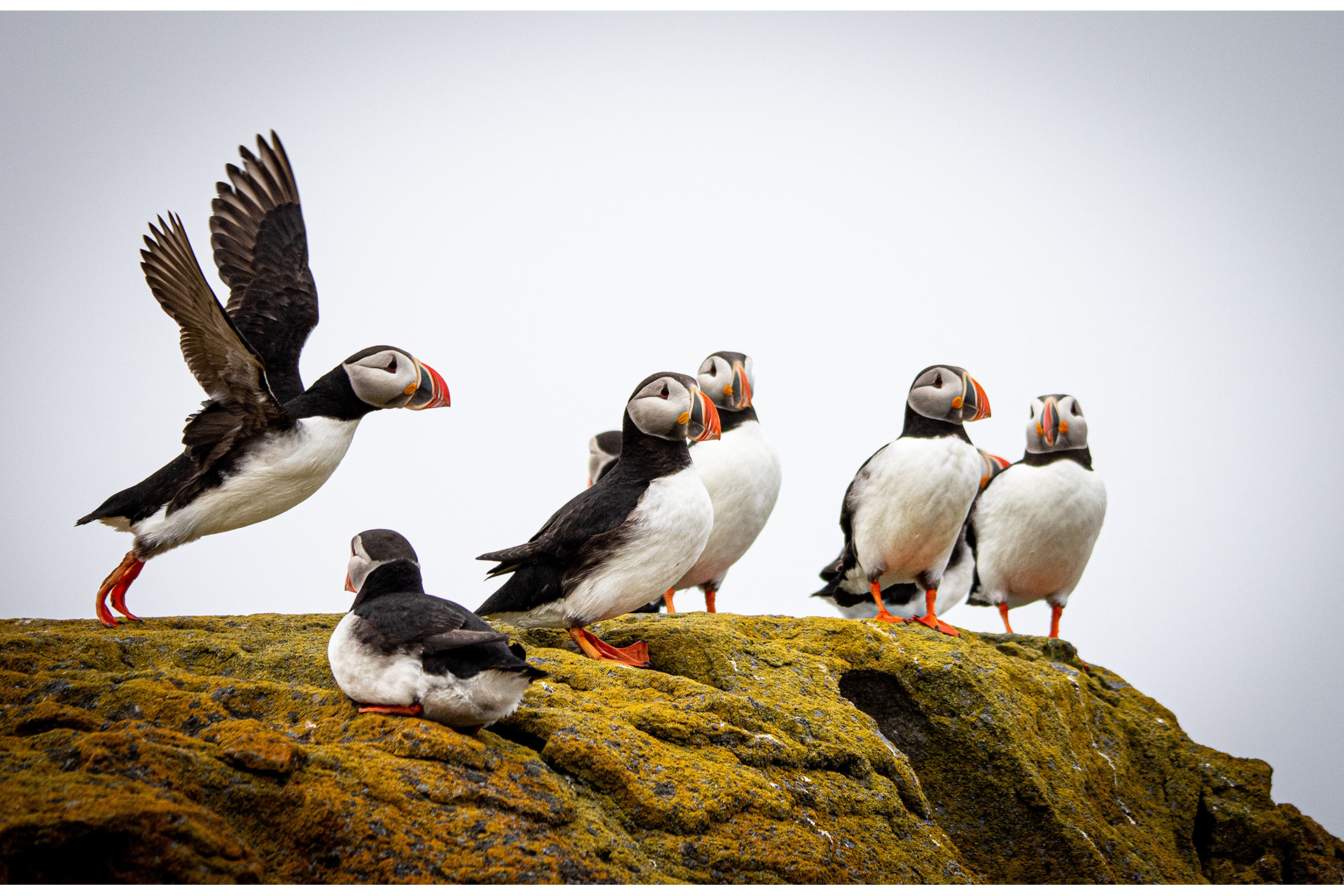
With clown-like beaks and vivid orange feet, Atlantic puffins are beloved seabirds of the North Atlantic. They’re powerful divers with grooved bills that hold dozens of fish at once—up to 80 sandeels in a single catch. We often see them in early summer, especially on the “Enchanted Isles” between Skye and Lewis, home to nearly 250,000 puffins. These rugged cliffs and grassy slopes offer prime viewing of their bustling nesting colonies. Puffins pair for life, returning to the same burrow year after year.
© Cassiano Zaparoli
Andean Condor
Seen on: Wild Patagonia: Peaks, Glaciers & Pumas
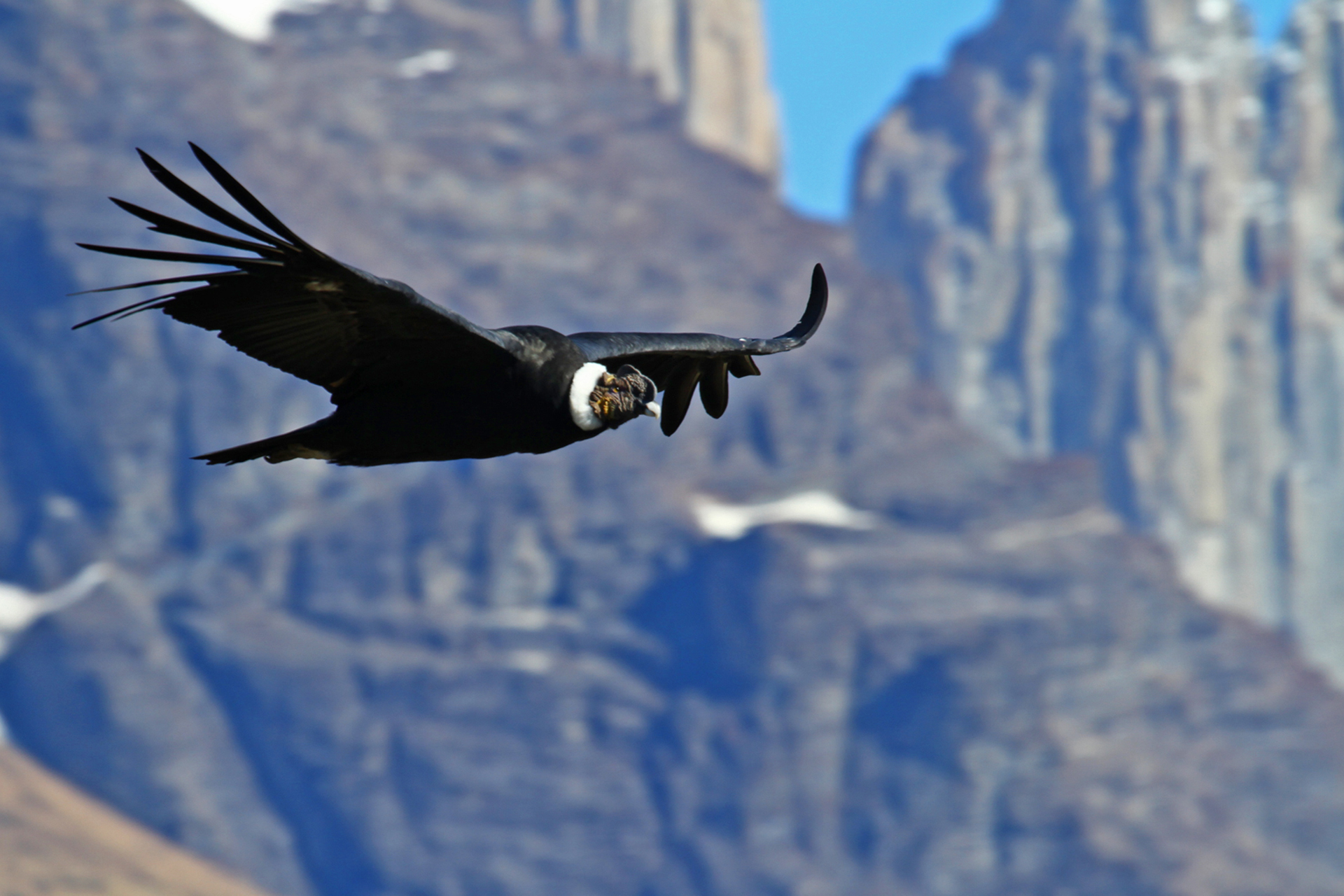
With a wingspan of up to 11 feet, the Andean condor is one of the largest flying birds in the world. Revered in Andean culture for millennia, it uses rising thermals to soar as high as 16,000 feet—often without flapping its wings for miles. These scavengers play a vital ecological role by cleaning up carcasses, helping prevent the spread of disease. You’re most likely to spot them early in the morning or late afternoon, perched with outstretched wings to soak up the sun or riding coastal and mountain air currents in the Andes and the Atacama Desert.
© Richard de Gouveia
Blue-footed Booby
Seen on: Galapagos Discovery: The Nat Hab Experience
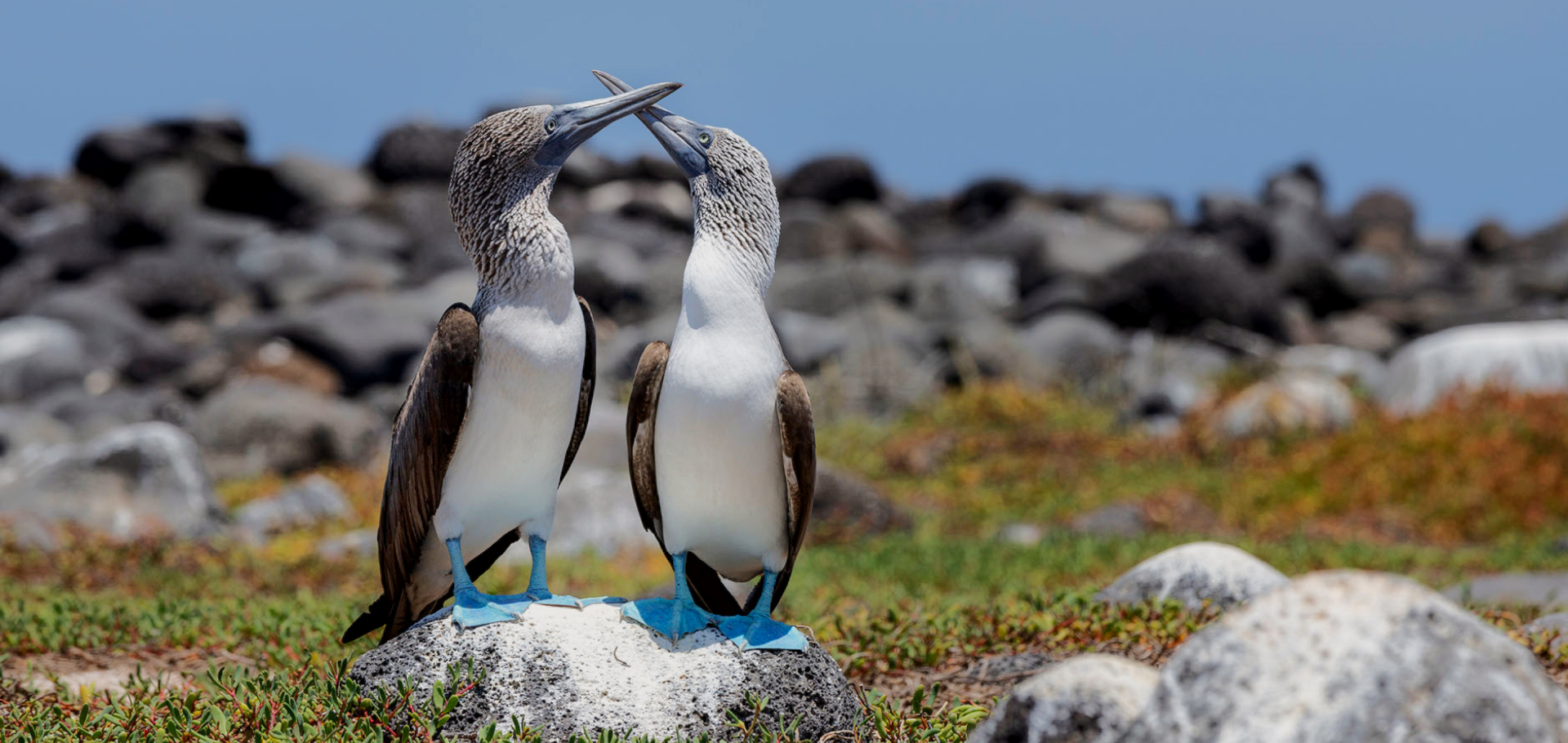
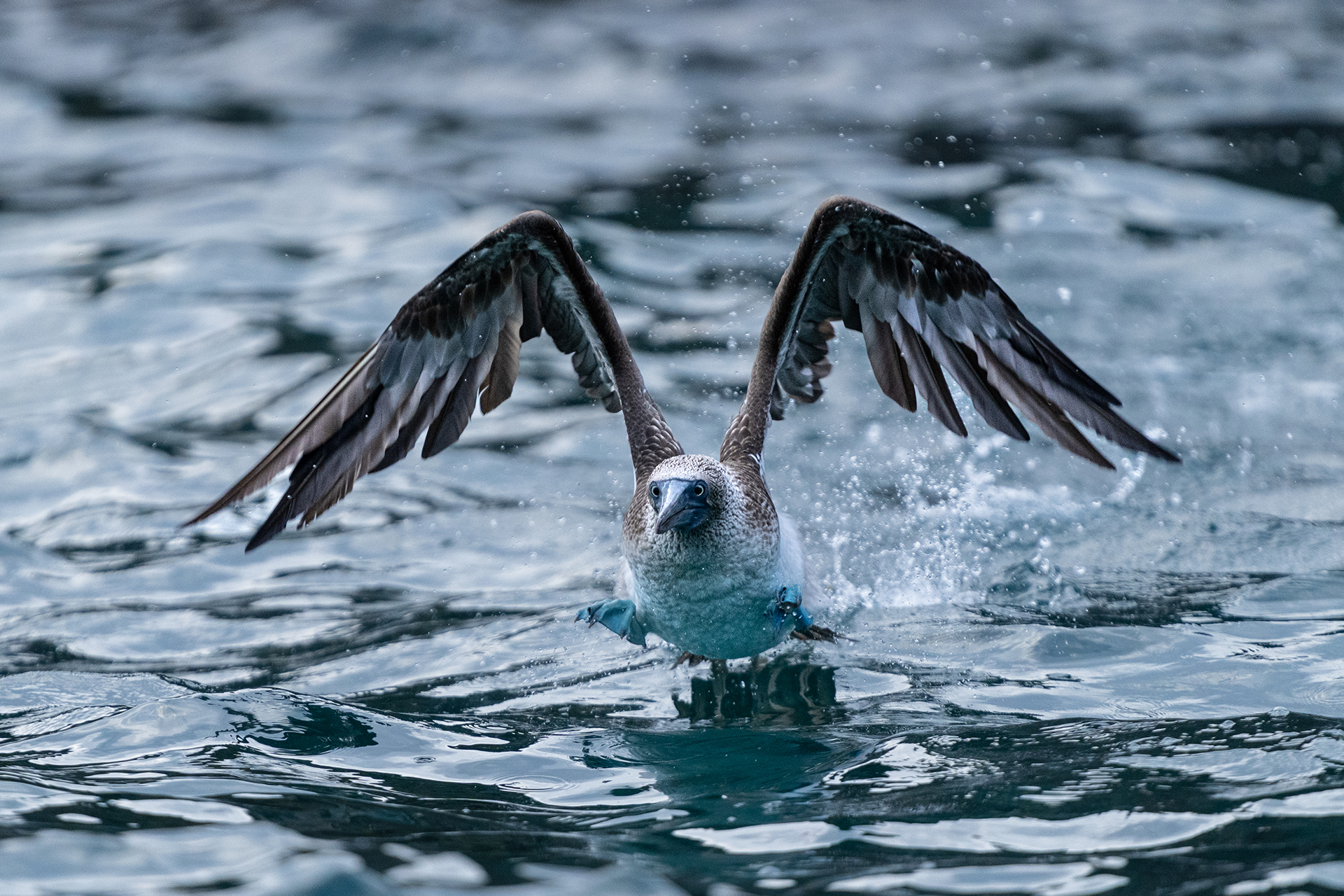
Famous for their neon-blue feet and comical courtship dance, blue-footed boobies are easy to spot—and hard to forget. Males lift their feet in an exaggerated high-step to attract a mate, with brighter feet signaling better health. Though clumsy on land, they’re elegant underwater, plunging from heights of up to 80 feet to catch fish. About half the world’s breeding pairs nest in the Galapagos, where we often encounter them on Isabela Island. Boobies don’t build traditional nests; instead, they lay eggs on bare ground, encircling them with excrement to help regulate temperature and deter predators.
Great Green Macaw
Seen on: Natural Jewels of Costa Rica
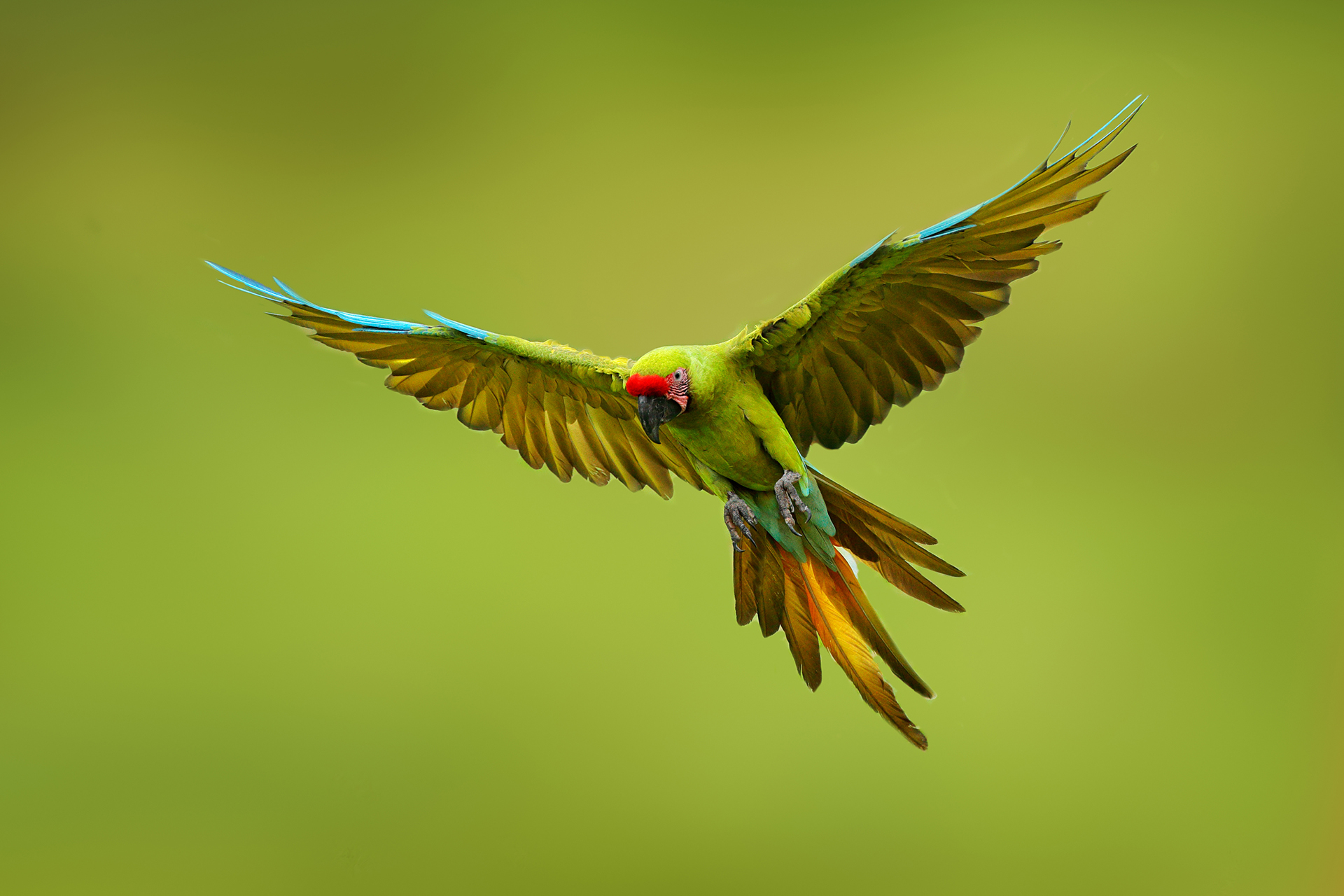
With lime-green feathers and raucous calls, the great green macaw is a showstopper—but increasingly rare. Habitat loss has reduced its numbers drastically, with only 500 to 1,000 mature individuals left in the wild. Monogamous for life, these critically endangered parrots are often seen in pairs or small groups, especially near their favorite food source, the almond tree. Their strong beaks crack open seeds that many other animals can’t access, making them important seed dispersers.
Fairy Penguin
Seen on: Australia South: Tasmania, Kangaroo Island & the Great Ocean Road
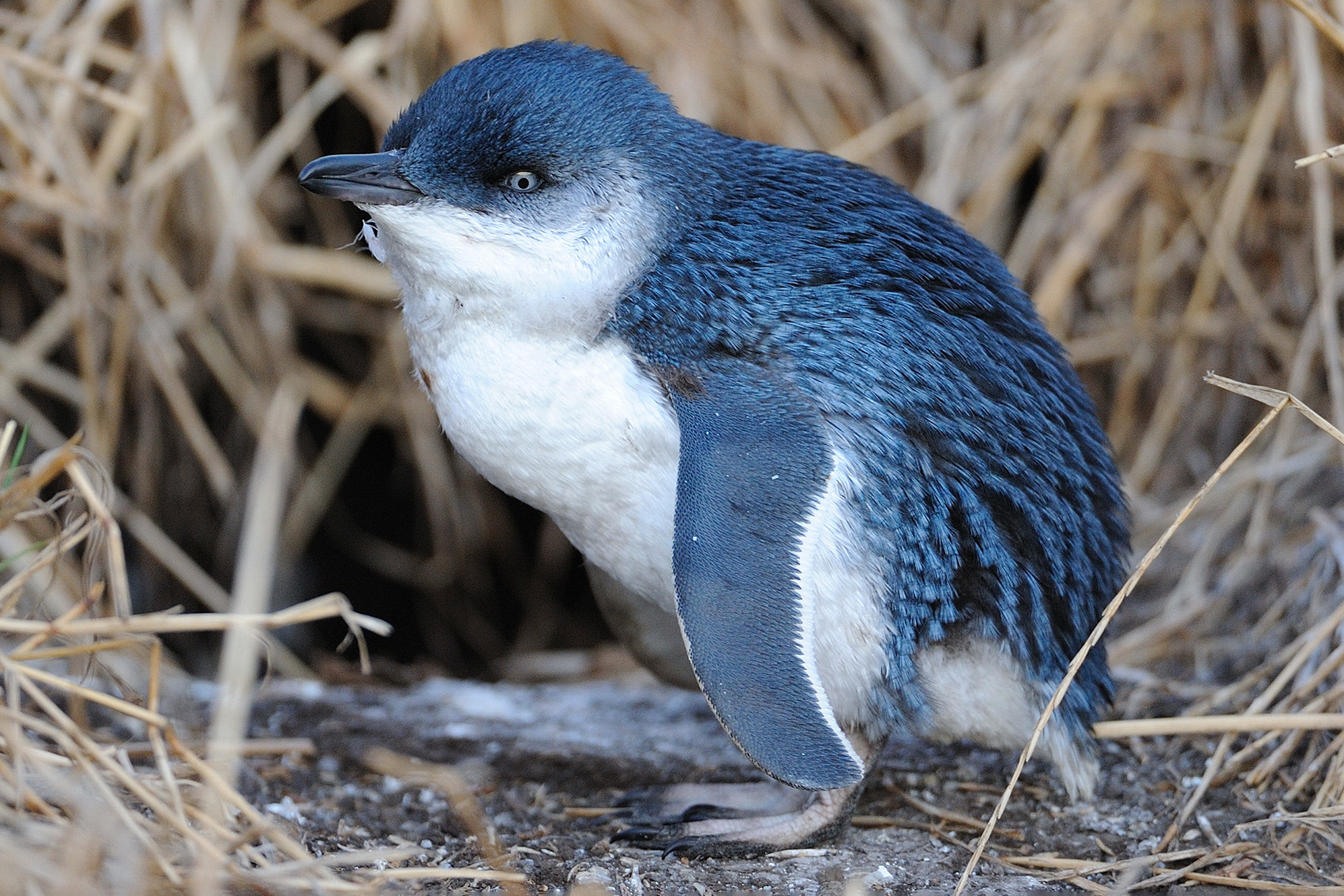
Also called little penguins, these pint-sized seabirds stand just over a foot tall and weigh under two pounds. They spend most of their time at sea but return to land at dusk, gathering offshore in “rafts” before waddling across the beach in groups. Their burrows—dug in soft sand or soil—are familiar territory, and their sharp hearing helps them find mates and chicks amid hundreds of other voices. Found along southern Australia’s coast, they’re especially easy to observe on Phillip Island, where we often watch them make their nightly return to shore.
Lilac-Breasted Roller
Seen on: Nat Hab’s African Safaris
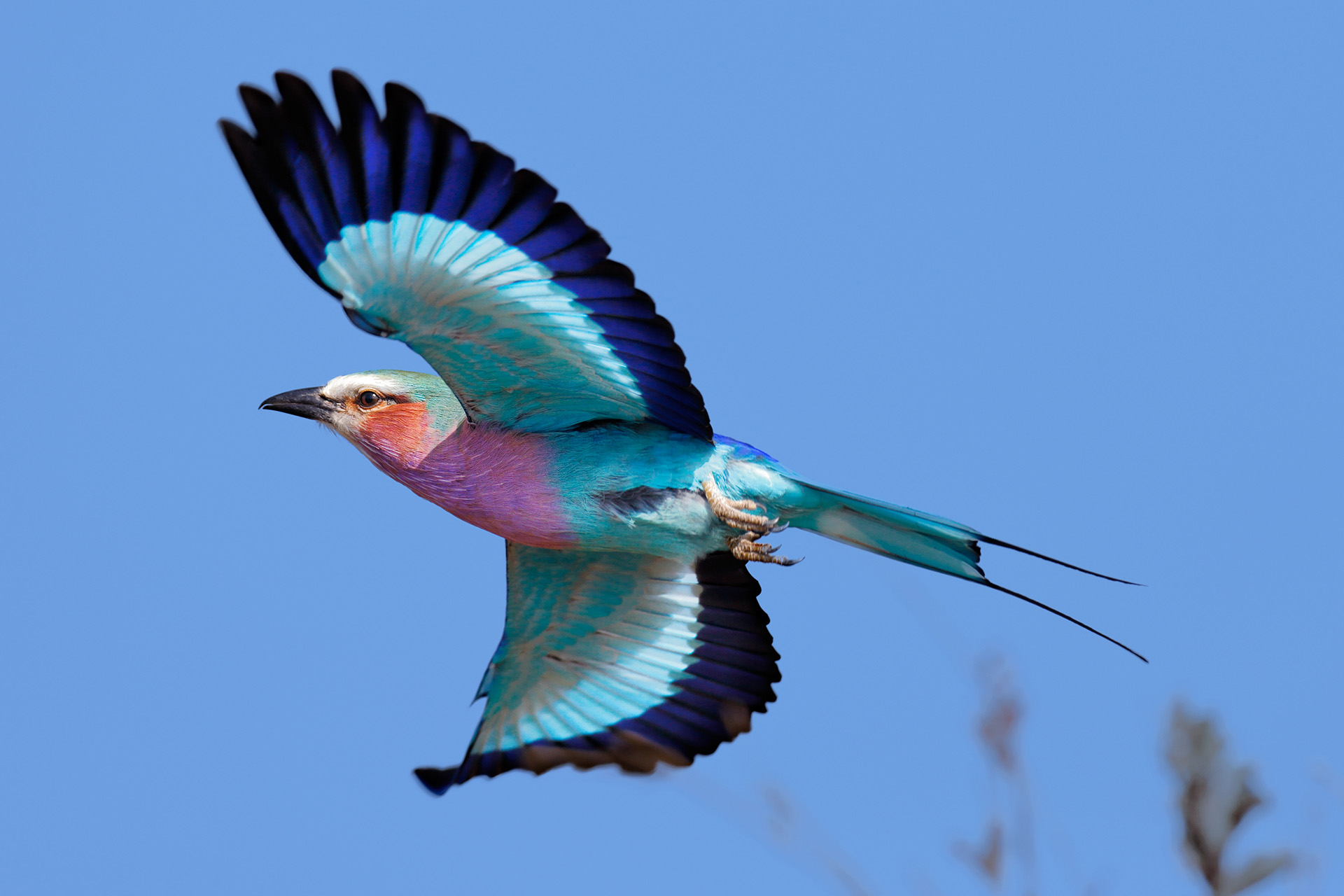
Kenya’s national bird, the lilac-breasted roller, flashes nearly every color of the rainbow. Watch for their dramatic aerial dives during mating season, complete with high-pitched calls and spiraling swoops. These birds live in open woodlands and savannas, often perching on tree limbs where they scan for prey—usually insects, but sometimes small lizards or even birds. Their feathers feature in local wedding traditions across Africa, symbolizing love and fidelity, as rollers often mate for life.
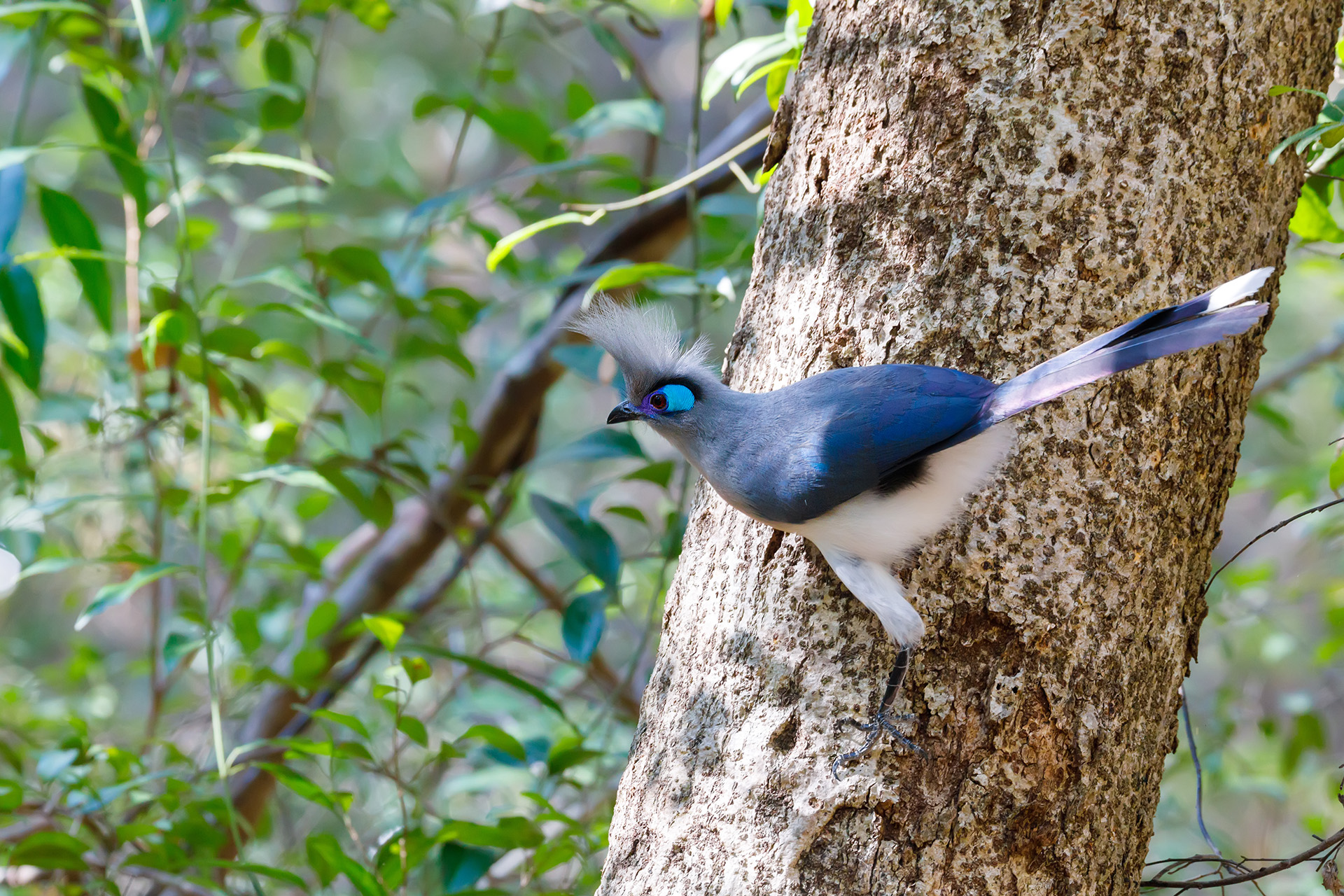
Blue Coua
Seen on: Ultimate Madagascar
This striking coua, endemic to Madagascar, wears deep cerulean feathers and sports turquoise eye-shadow-like skin around the eyes. Despite their beauty, chicks of this species have a startling defense: when threatened, they open their mouths to reveal a bright red, monstrous-looking face—likely a bluff to scare off predators. A ground-dwelling member of the cuckoo family, the blue coua is a rare and charismatic highlight of our Madagascar journey, although habitat loss is pushing populations into decline.
Every Bird Tells a Bigger Story
Birds are more than just beautiful to behold—they’re messengers of ecosystem health, ambassadors of wild places, and daily reminders of nature’s wonder. When you travel with Nat Hab and WWF, your presence helps protect the habitats these birds rely on and supports the communities that safeguard them.
Whether you’re a seasoned birder or simply enjoy spotting a flash of feathers in the trees, our trips offer countless opportunities to connect more deeply with the wild—and the winged wonders that call it home.