Even When the Tide Rises: Sea Turtles and Survival
Written by Chinwe Kalu, WWF’s Travel Marketing Undergraduate Intern
Ode To Joy
They tell us life moves in seasons. That winter always gives way to spring. That every occurrence comes in waves, and like the ocean tide, it always recedes eventually. They say, “wait your turn, endure, persevere, and survive” because relief is always coming, just past the horizon. But what if that’s a lie? What if the horizon keeps shifting? What if the thing you’re waiting for never really arrives?
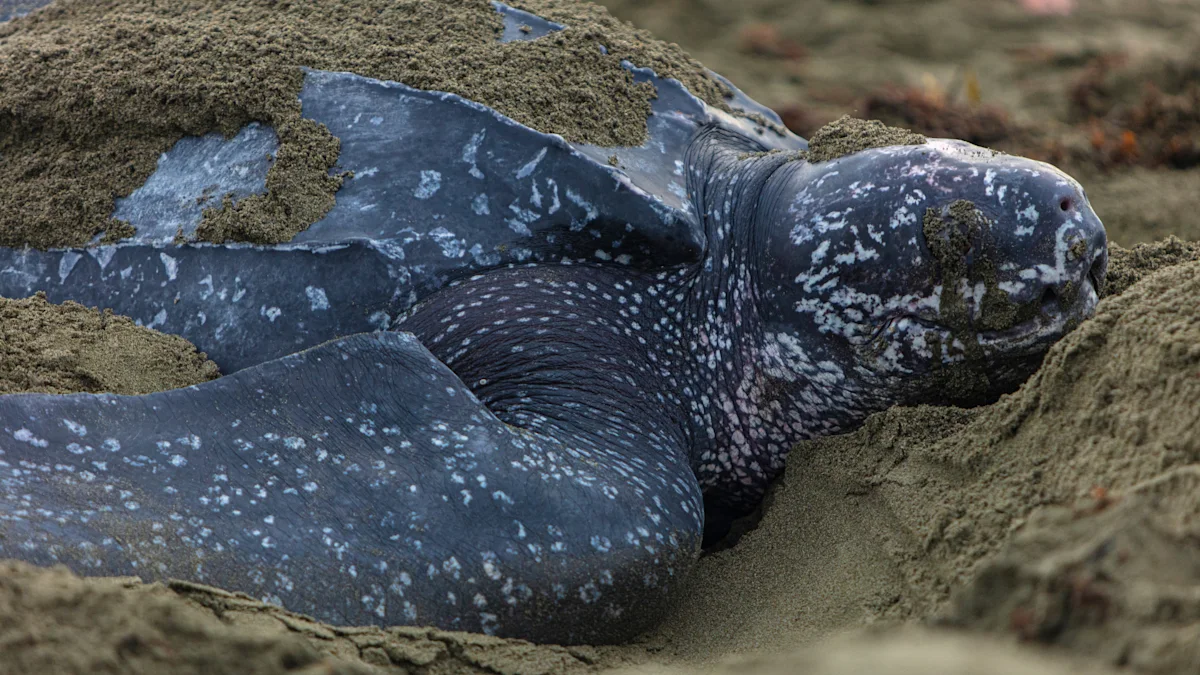
I found myself asking these questions in the middle of something unexpected–not a therapy session or a spiritual retreat, but while watching a Leatherback sea turtle, opens in new tab drag its heavy body across the beautiful Luquillo sand. It was late. The beach was quiet, the sky dimly lit by stars. I had traveled here hoping to witness a beautiful sunset, but I didn’t realize I’d also witness a nesting, and with it, a metaphor for everything I had been carrying.
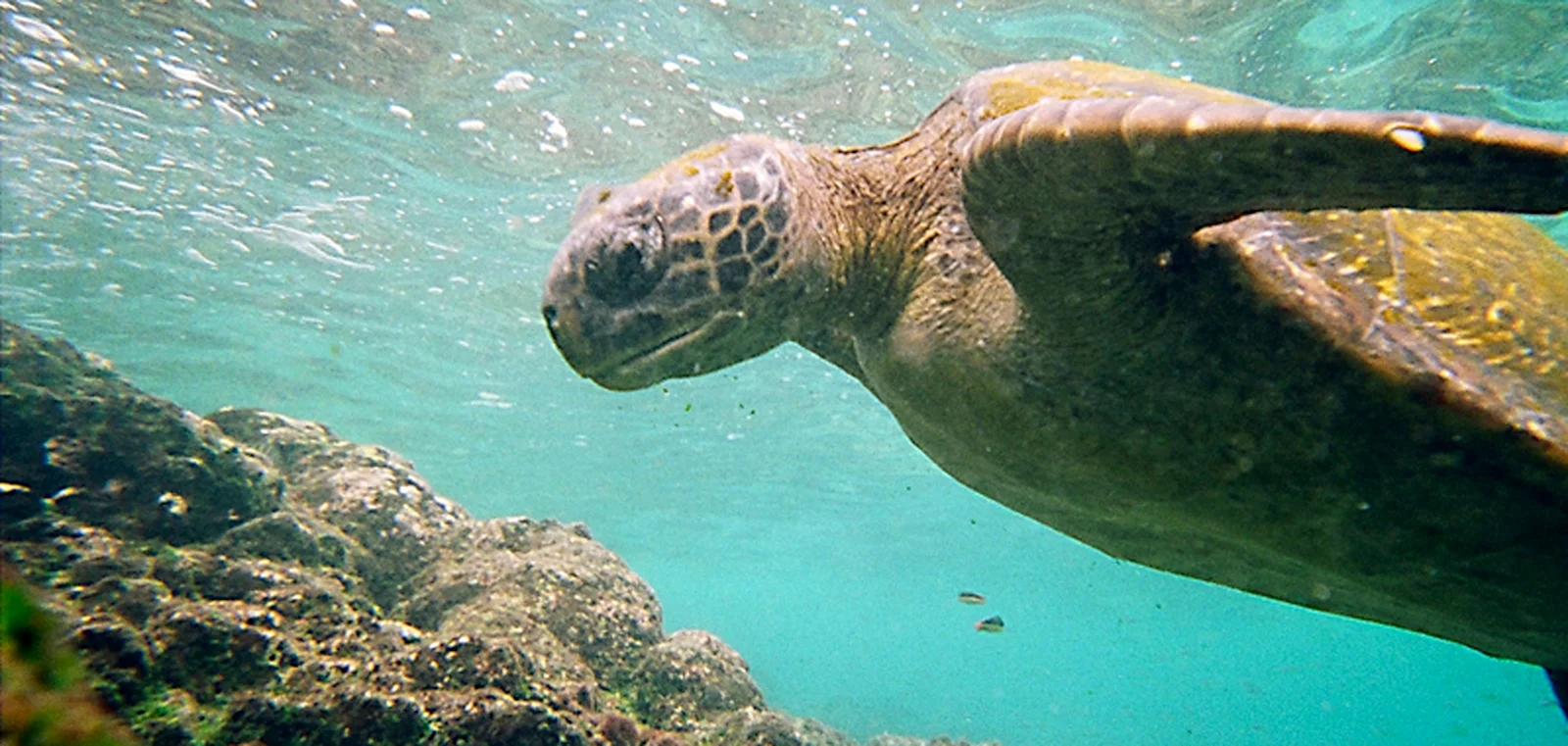
Sea turtles, opens in new tab return to the same beaches where they were born, decades after hatching. Against impossible odds, they push forward: over plastic debris, past rising tides, under the threat of predators and lights that lead them the wrong way. They return not because it’s easy, but because it’s necessary. And in watching her slow, steady, deliberate movements, I began to understand that maybe the point isn’t waiting for a new season. Perhaps it’s learning how to move through the one you’re in, with grace.
This is a story about sea turtles. But it’s also about survival, and the quiet strength it takes to keep going, especially when the horizon keeps moving.
Survivors of the Sea
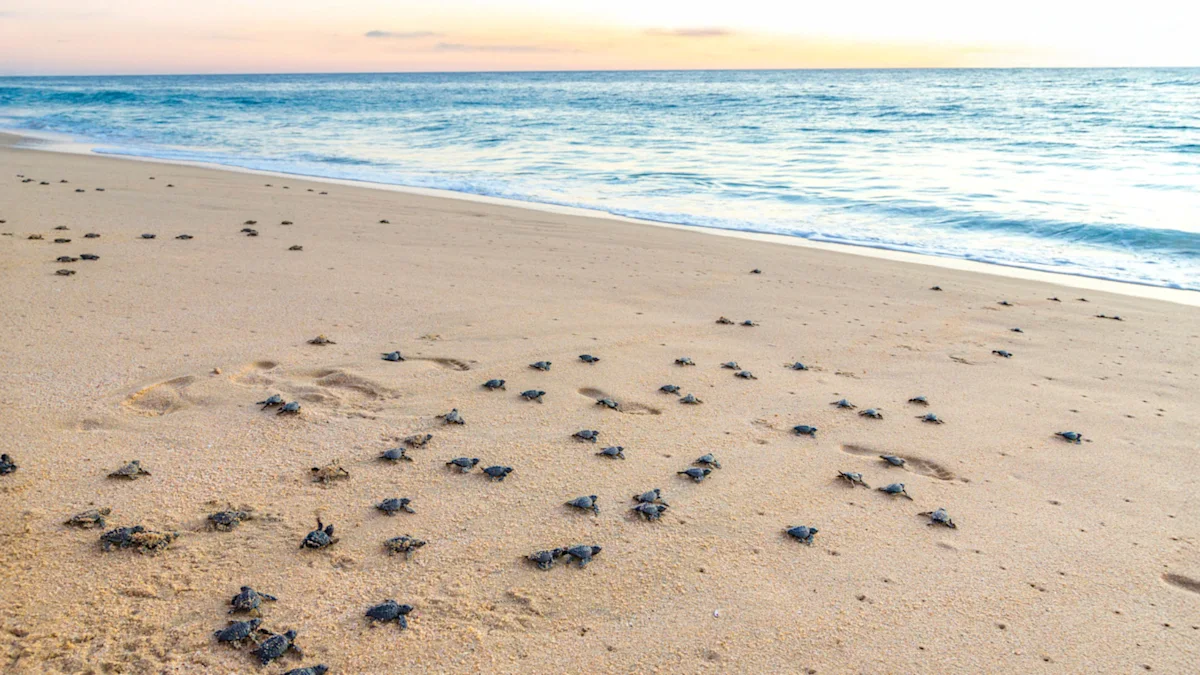
There are seven species of sea turtles in the world today. Two of the four families of modern sea turtles are currently alive, dating back over 110 million years. From the moment they hatch, sea turtles face the impossible, where only about 1 in 1,000 survive to adulthood. They crawl toward the sea under the cover of night, dodging birds, crabs, and misdirecting lights that can lead them astray, and IF they make it to the ocean, the journey has only just begun.
Some species travel thousands of miles across entire oceans just to return to the same stretch of beach where they were born. It’s a feat not yet fully understood. They do this not because it’s easy, but rather instinctual, because some part of them knows where they belong.
Their lives are quiet epics. Watching that sea turtle on the beach, I couldn’t help but think of all the things in life that try to pull us off course—grief, fear, uncertainty. Yet here was a creature who, despite it all, had returned. Not because the journey was guaranteed, but because it mattered.
Stacked Odds
Despite having navigated the world’s oceans for eons, human activity has placed some species on the brink of extinction.Plastic pollution, opens in new tab is one of the most devastating threats. A floating plastic bag can resemble one of the sea turtle’s favorite foods, a jellyfish. Consuming even one piece can be deadly, and unfortunately, it’s not a rare occurrence. Trash on beaches can even trap hatchlings and prevent them from reaching the ocean.
Furthermore, climate change, opens in new tab is altering the very sand they nest in. Because the temperature of the sand determines the sex of hatchlings, where warmer sand produces more females, rising global temperatures are creating imbalanced populations and putting future reproduction at risk. Sea level rise threatens nesting beaches, while changing ocean currents affect food availability and potentially introduce the turtles to new predators.
It’s always been difficult for sea turtles to survive. But now, the odds are stacked higher than ever. Despite their strength, sea turtles cannot outrun (or swim) these changes alone. Their future depends on ours.
The Weight We Carry
Watching that leatherback move through the sand, I didn’t just see resilience. I saw reflection. I saw every feeling I’ve ever known: smiling through exhaustion, softening my tone, carrying weights I didn’t ask for. That turtle, dragging herself across the sand, reminded me that survival isn’t always graceful—but it is powerful.
We live in a world that tells us to wait for the right time, the right version of ourselves, the right season to begin. A world that asks us to shrink, to smooth our edges, to be agreeable before we can be seen as worthy.
But I am learning to reject that. If the world won’t grant us a season of ease, then we must create one. Of choosing forward motion, even if it’s slow. Even if no one sees it.
Even if the horizon keeps shifting. Because we are still here.
And that, in itself, is a kind of triumph.
A Future We Share
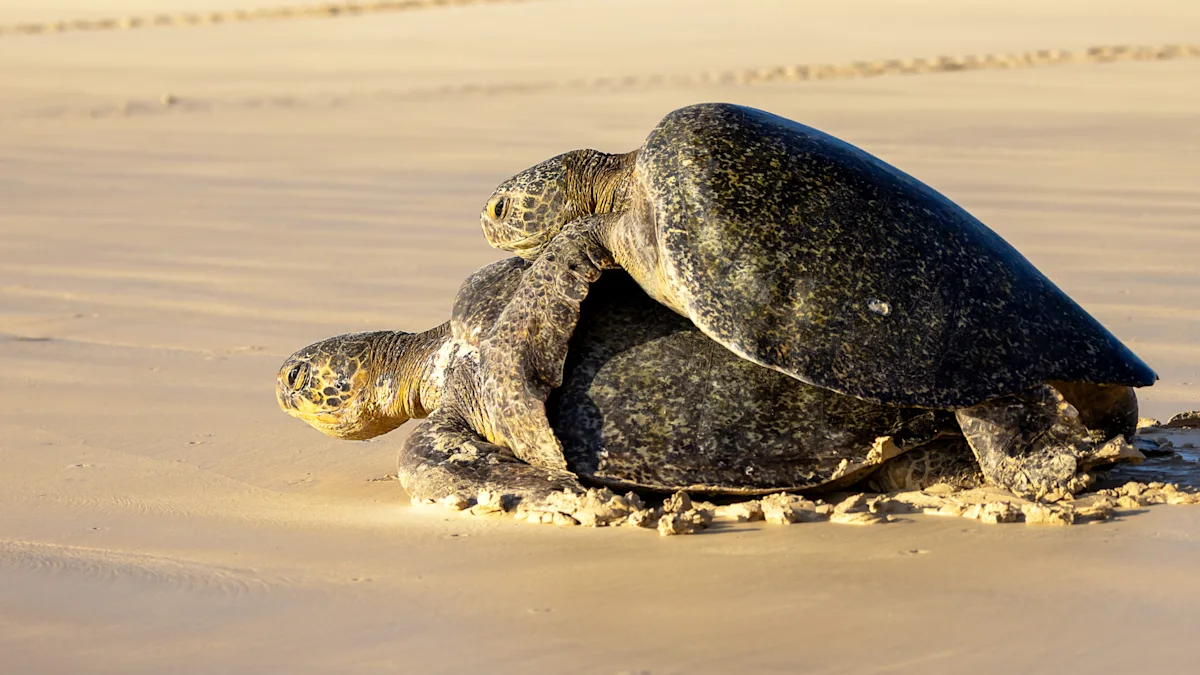
Sea turtles have lived on this planet for more than 100 million years. They have survived the extinction of the dinosaurs, shifting continents, and changing oceans. And yet today, it is human activity from bycatch, pollution, climate change, and so much more that threatens their future more than any natural occurrence ever has.
Their survival no longer solely relies on their instinct but also on our actions. Our willingness to protect the beaches they nest on, the water they travel through.
If we listen closely, we’ll realize their story is also ours—a story of persistence, of quiet strength, of showing up again and again, even when the tide is against us.