Could Reintroducing Lynx to Great Britain Revive Ecotourism?

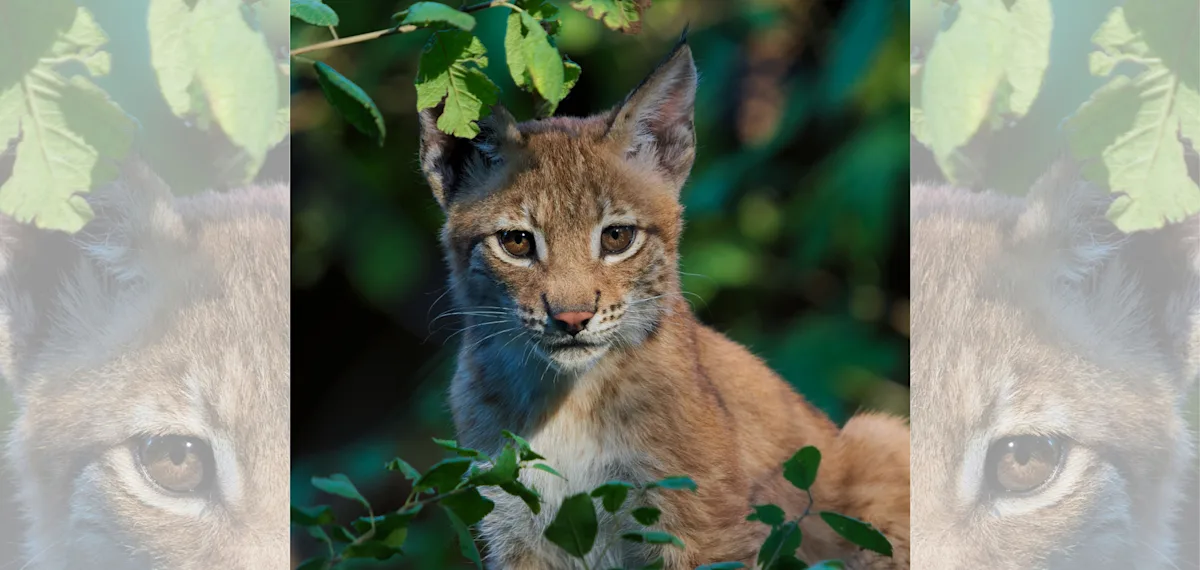
It’s a story too often told. Once, a predator roamed wildlands and then was relentlessly hunted to extinction or to the brink of it. In the Lower 48, the histories of bison, gray wolves, beavers, grizzly bears and whooping cranes come to mind.
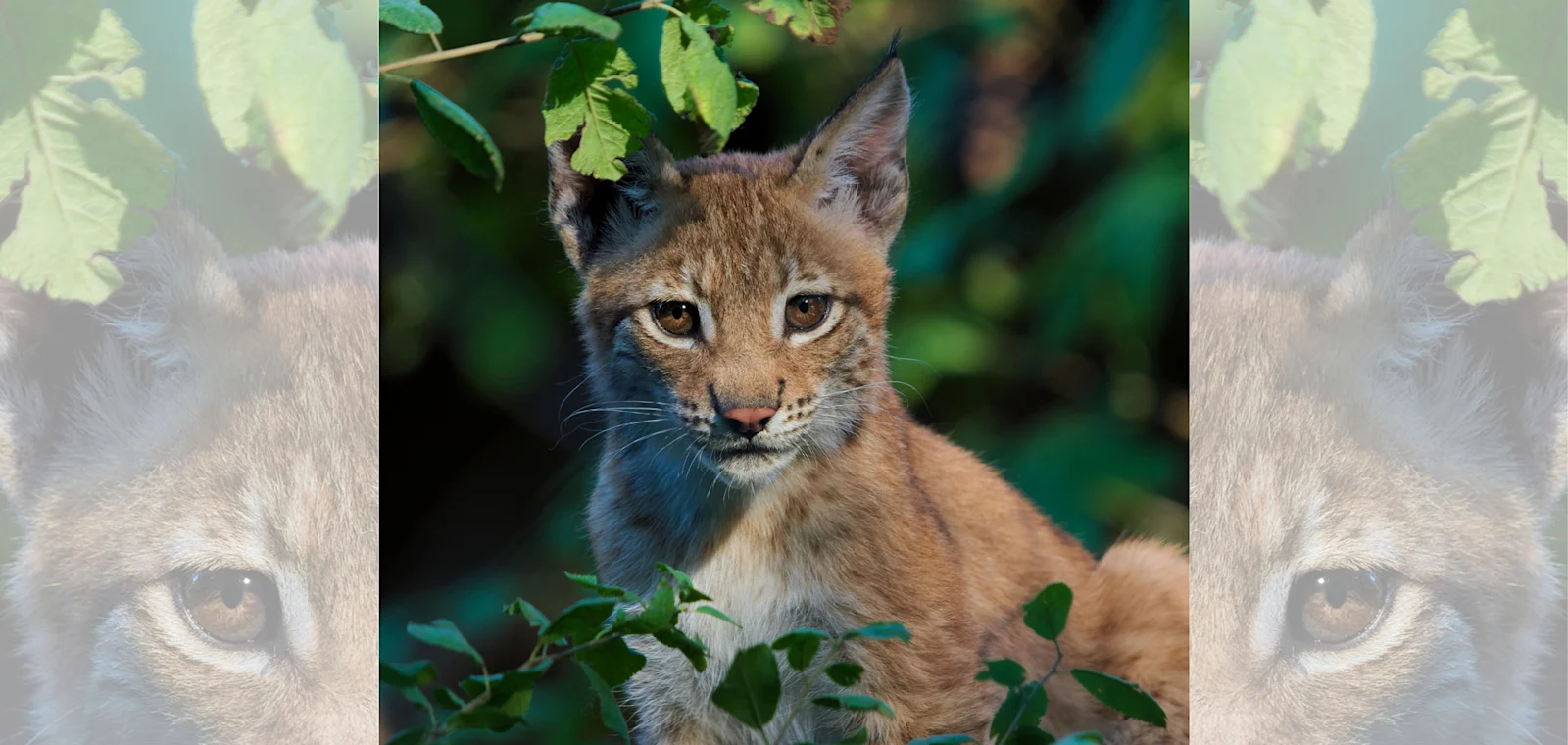
In Great Britain, the story includes Eurasian lynx., opens in new tab The cats once populated forests from the northernmost tip of Scotland to the southern coasts of England. But envying their warm coats, medieval Britons wiped them out. They have been missing in Great Britain for 1,300 years. Now, however, if a Lynx U.K. Trust project is approved, in a matter of months Eurasian lynx could again be wandering English and Scottish forests.
Those in favor of bringing back lynx say their presence could jump-start local economies with a burst of tourism. Given the lynx’s propensity to stay undercover, however, the likelihood of a tourist spotting one would be slim.
Will just knowing that a lynx is “there” be enough to draw visitors?
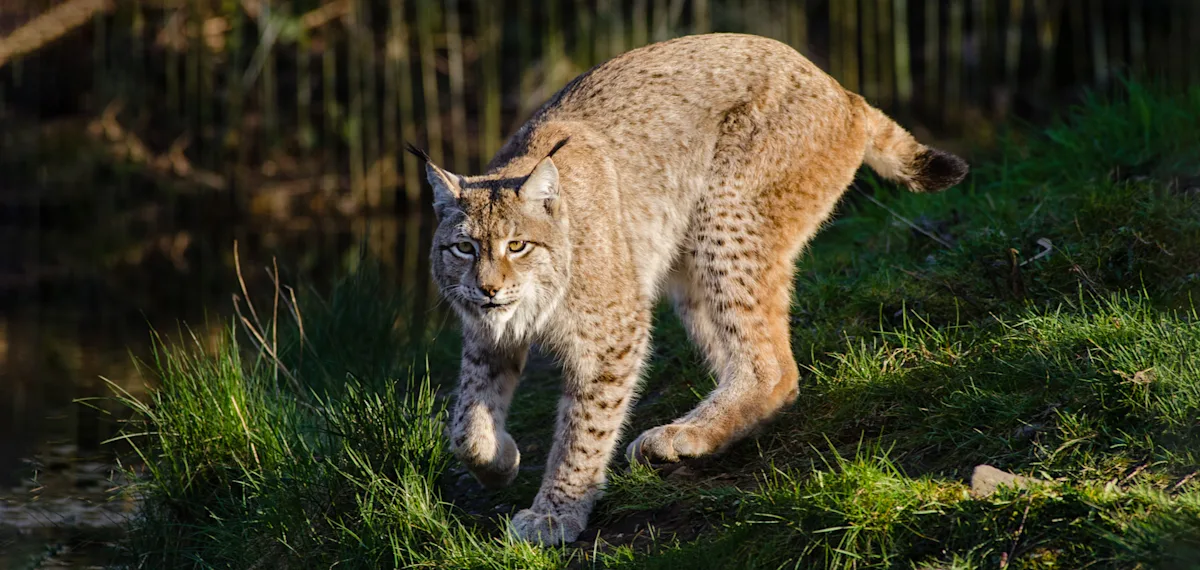
Cat habitat
According to Dr. Paul O’Donoghue, chief scientific advisor to the Lynx U.K. Trust and expert adviser to the International Union for the Conservation of Nature (IUCN), the abundance of deer in Scotland is damaging forestlands and restricting regeneration. In addition, exploding pine martin populations are having a negative impact on capercaillie, a large, European grouse. Pine martens eat the eggs of the bird. Reintroducing lynx would control deer damage by keeping the herds moving through the forest, spreading out their browsing and thus allowing other wildlife to flourish. The presence of lynx would cause pine martens to spend less time on the forest floor, where they find and destroy capercaillie nests.
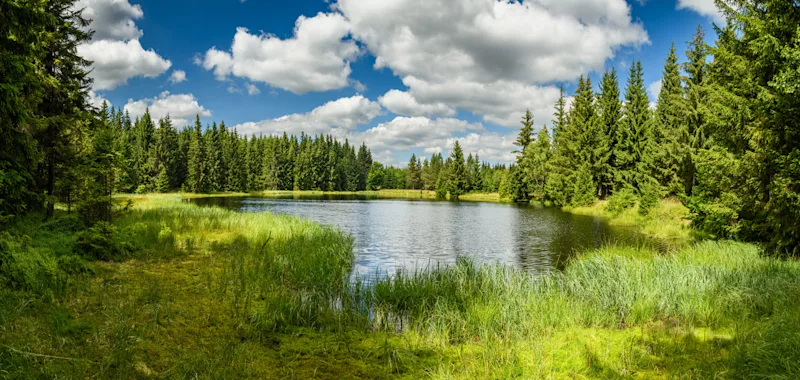
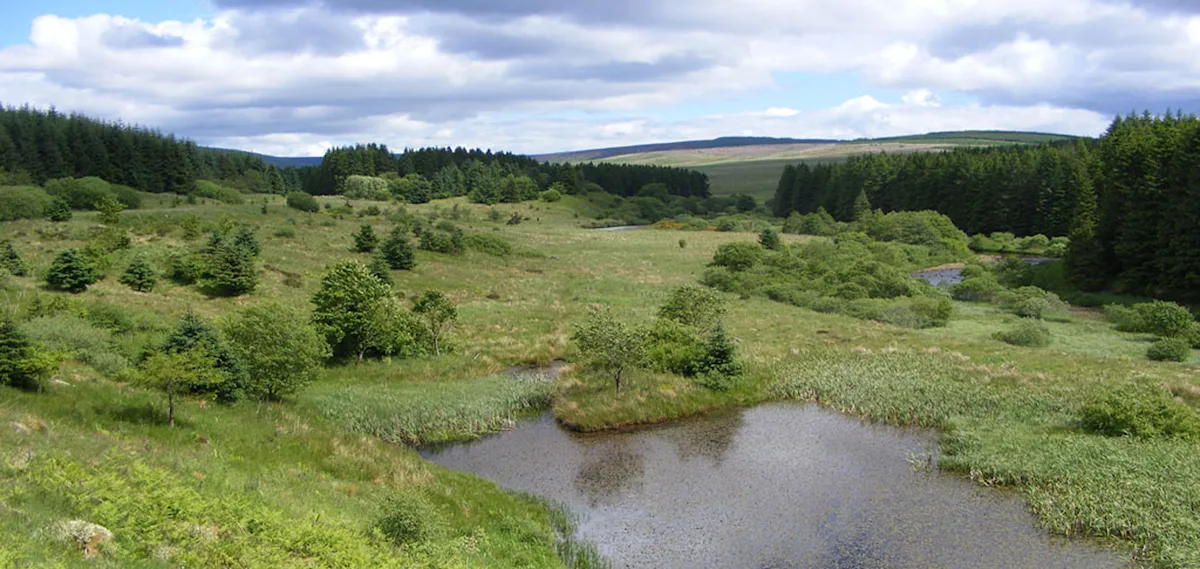
For the past year, Lynx U.K. Trust has been in discussions with landowners regarding a trial reintroduction of the cats in Argyll and Inverness-shire in Scotland. The trust would also like to release four female and two male lynx, to be captured in Sweden, in Kielder Forest,, opens in new tab a remote woods in western Northumberland, England, three miles from the Scottish border. It’s estimated that because of their numbers of deer and absence of major roads, 10,000 square miles of the forest that stretch from Loch Lomond and the Trossachs into the West Highlands could comfortably support 250 lynx. All six of the released cats would be outfitted with GPS collars that would monitor their movements for five years, during which time the population could naturally grow.
If this plan were allowed to move forward, it would be the highest-profile species reintroduction ever for modern-day England, Scotland and Wales, countries that have lost much of their original biodiversity. The forests that once teemed with life and dominated the landscape were long ago converted into cities, towns or grazing plots for sheep.
O’Donoghue believes that returned lynx will generate tens of millions of pounds for struggling rural economies. He cites the case of lynx reintroduction in Germany’s Harz Mountains. The “Kingdom of the Lynx,”, opens in new tab which the area is now called, is thriving as an ecotourism destination.
Sheep nation
If the lynx were reintroduced, it would become the apex predator, the largest of Great Britain’s land-based carnivores, which include badgers, foxes and Scottish wildcats. And that’s got some farmers worried for the animal that sustains much of the local economy: sheep.
In fact, the National Sheep Association (NSA) and the Scottish Crofting Federation (SCF) have officially opposed the reintroduction, opens in new tab of lynx. With the species having been absent for at least a thousand years, say the organizations, the countryside is now far too fragmented and built-up to support a viable population. As for increasing ecotourism, the NSA and the SCF believe that pastoral farming already offers a highly attractive terrain with economic, environmental and social benefits.
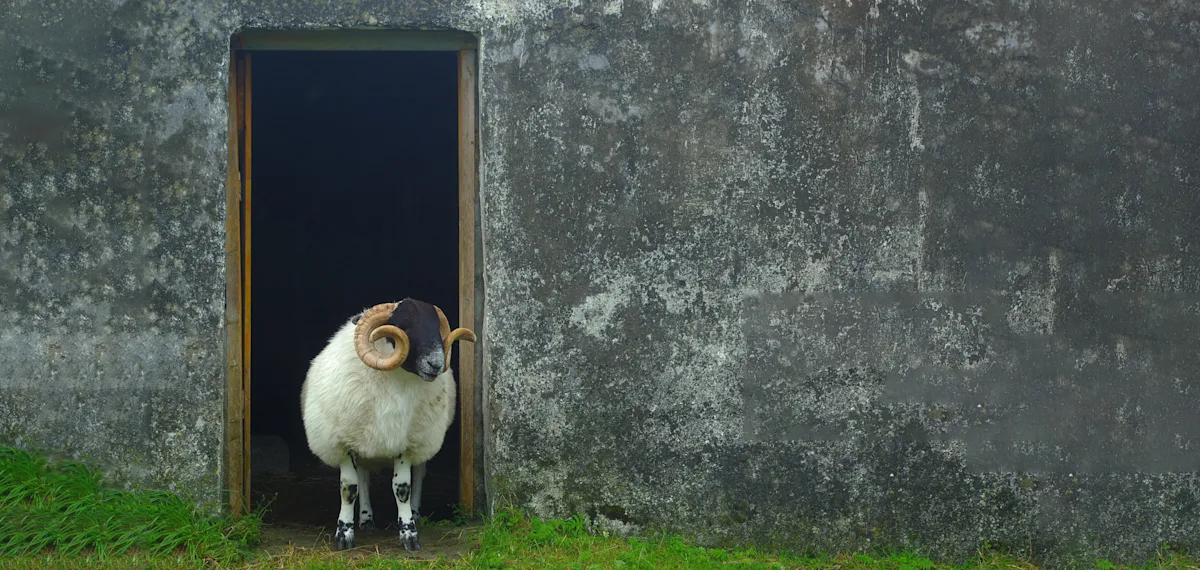
But the biggest fear is that the lynx will prey on and kill sheep. In a July 2017 statement, the NSA wrote, “This country is a very different place to what it was 1,300 years ago, and NSA does not believe we have enough large-scale, suitable habitat to support the minimum population of 250 lynx that is needed for true genetic sustainability. Animal welfare and disease biosecurity, as well as unconsidered changes in ecology if we were to see pastoral farming decline, also present huge problems. We stand to lose the beauty of an area like Kielder if farming, grazing and human activity cannot continue as it has done for centuries in this area.”
The U.K. Lynx Trust counters that research across Europe, home to approximately 10,000 wild lynx, has shown that the cats kill only one sheep every two-and-a-half years, while millions of sheep are lost annually in the U.K. to disease, exposure and malnutrition. There are also no recorded attacks on humans by lynx.
Monster or moneymaker?
Those who wish to have lynx in their midst again see the predator as a path to greater prosperity in an area that has long been in economic decline. They believe the lynx could become an ambassador of British conservation. And worldwide, there has been a move toward greater acceptance of living alongside large, wild animals.
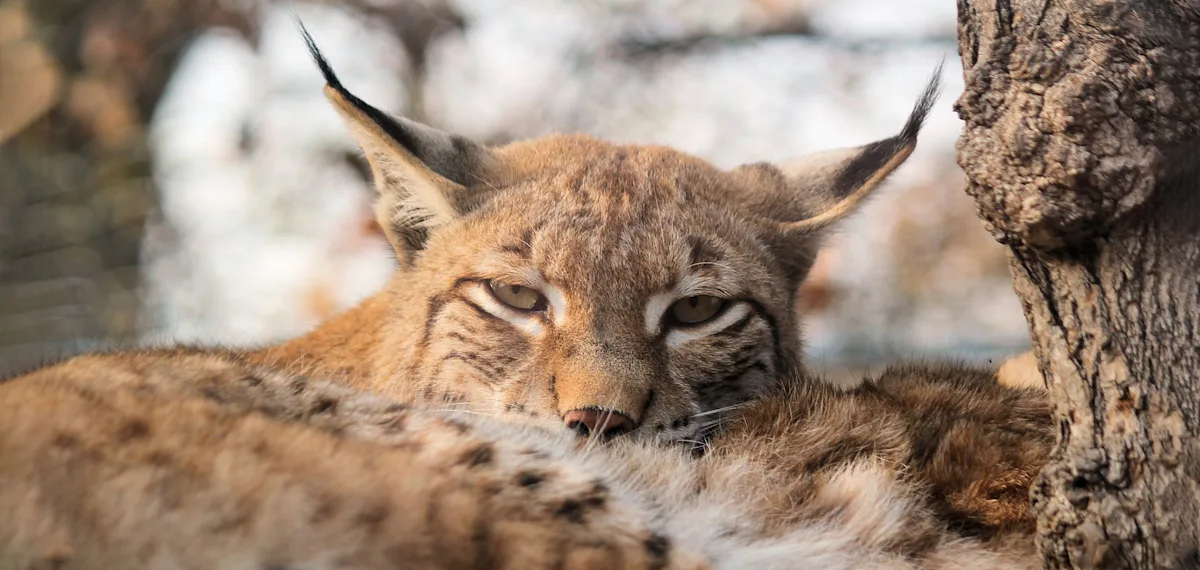
Although lynx are nocturnal and notoriously secretive, lynx reintroduction proponents are not fazed. If people are given a chance to see a lynx in the wild—or even to walk in a forest where lynx live, to see a lynx track or to come across a lynx scratching post—they will come.
It’s something the Scottish call the “Loch Ness effect.” After all, has the fact that no one has actually gotten a good view of the monster done anything over the years to deter seekers?
Here’s to finding your true places and natural habitats,
Candy