Connection with Nature as a Child Means a Healthier Adult

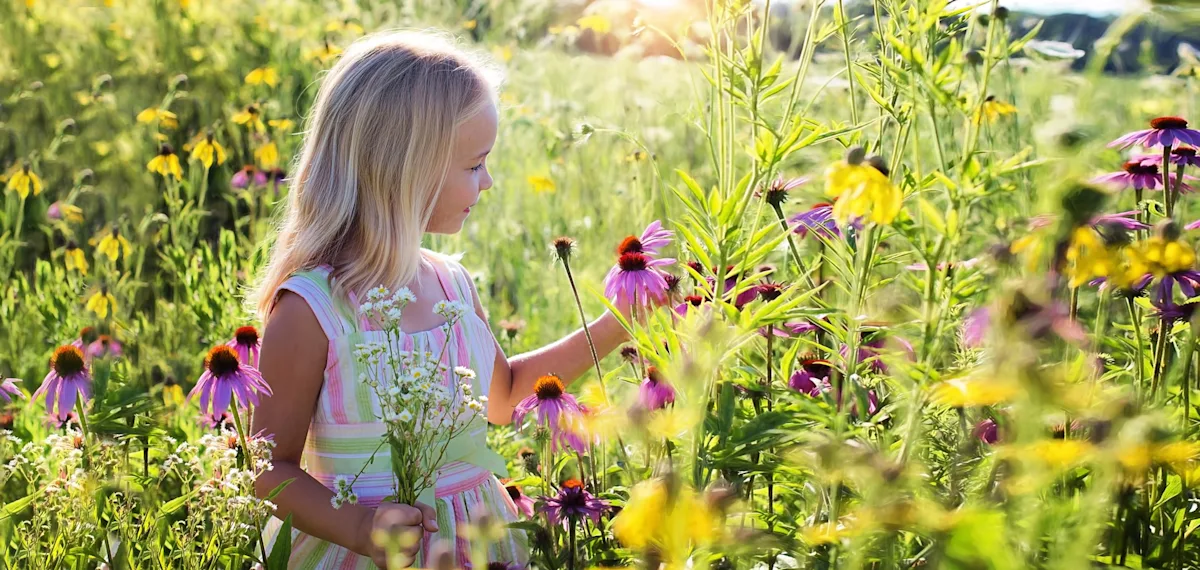
Seeking out the natural world—and the wildlife that occupies it—is a good way to cope with the coronavirus pandemic and its resultant shelter-in-place edicts. But now, there’s even more reason to indulge in the activity.
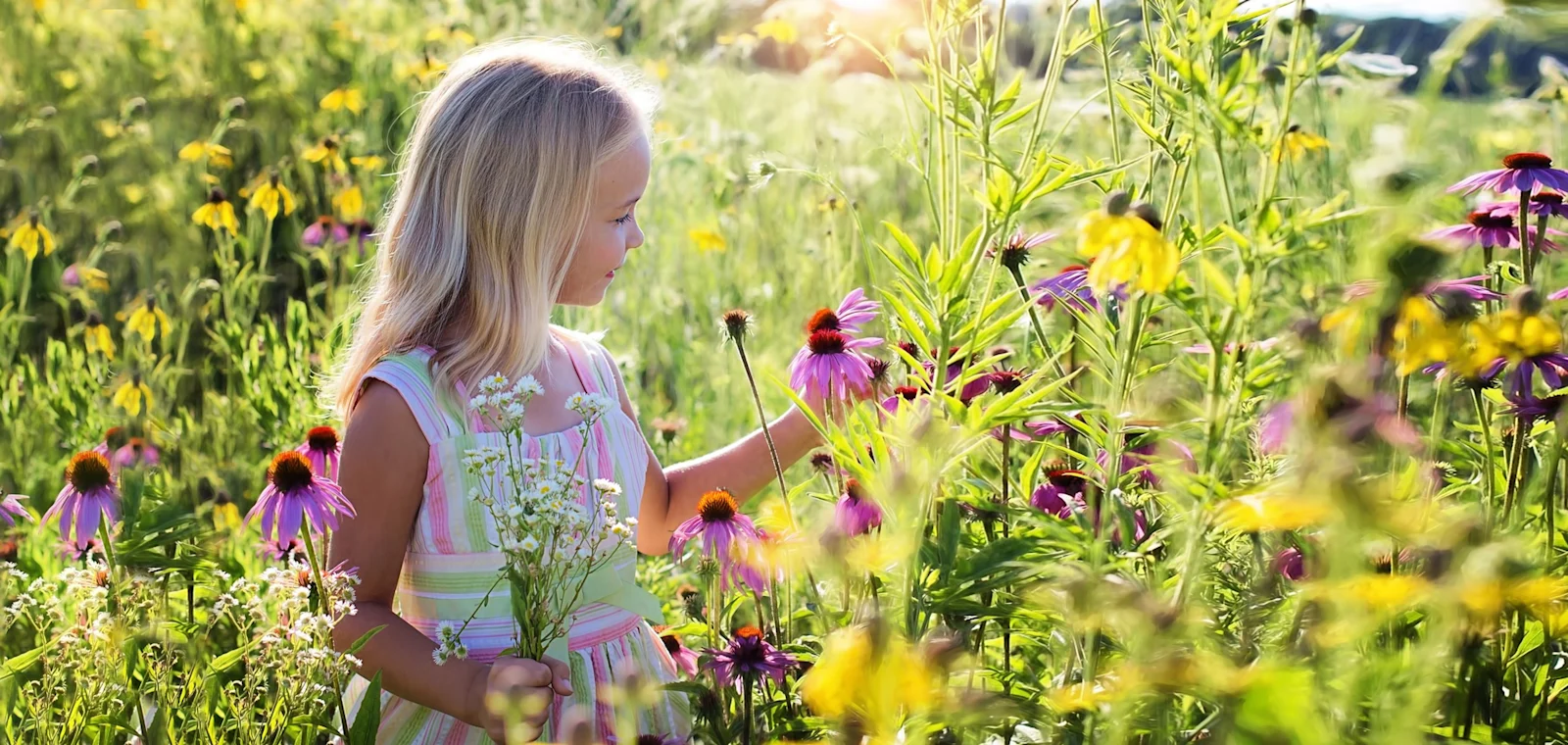
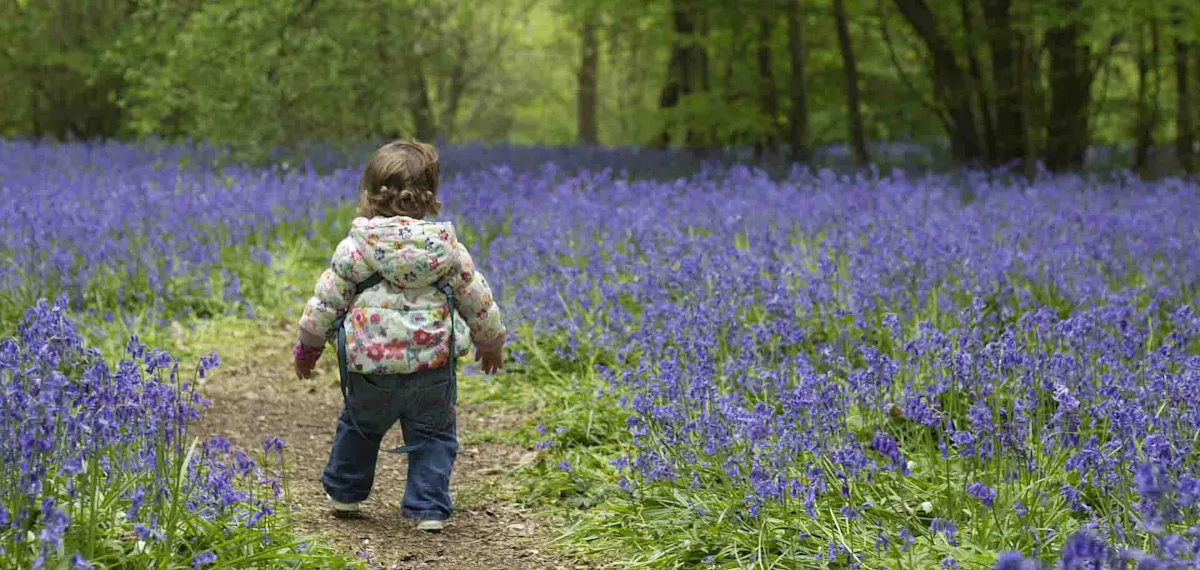
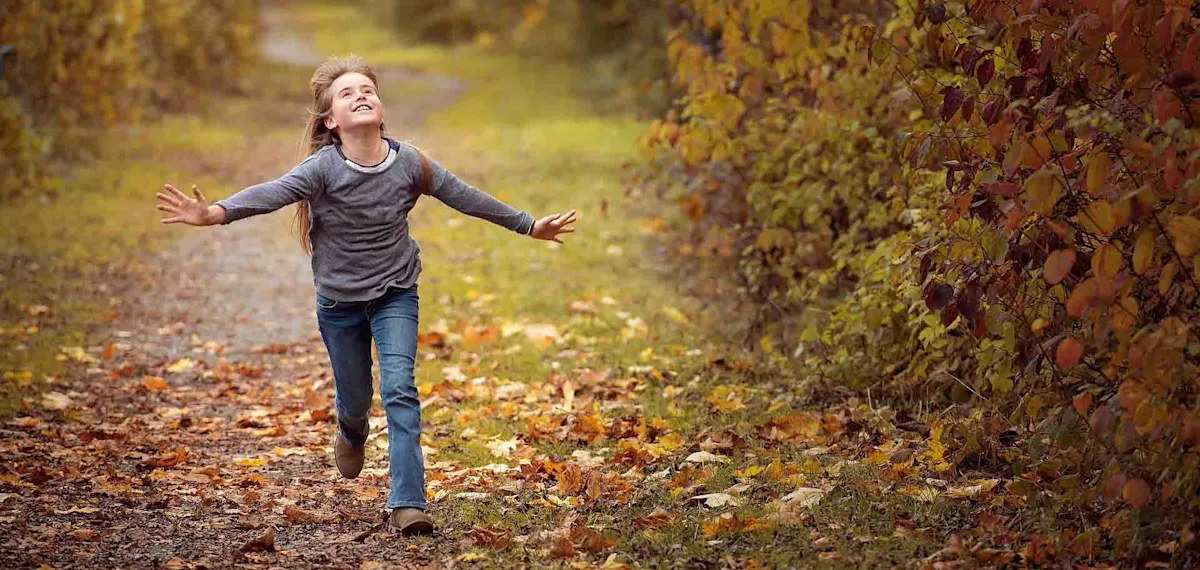
Last spring, a paper published in the International Journal of Environmental Research and Public Health, opens in new tab by the Barcelona Institute for Global Health, titled Low Childhood Nature Exposure Is Associated with Worse Mental Health in Adulthood, found that adults who had close contact with natural spaces during their childhoods demonstrated better mental health than those who had less contact. So, right now, the upside of having children home from school is that you can use some of those hours to expose—safely (more on that below)—them and yourself to the outdoors, ramping up not only their physical health but their mental health, as well.
Blue and green spaces
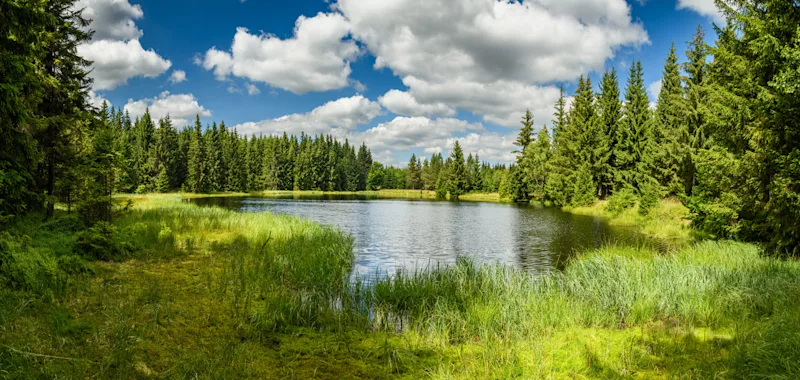
We’ve known for a long time that exposure to natural, outdoor environments is associated with several health benefits. Few studies, however, have explored the impact of childhood exposure to natural environments on mental health once adulthood is reached. In order to address that issue, researchers surveyed almost 3,600 people, aged 18 to 75, on the impact of green spaces (forests, gardens and urban parks) and blue spaces (beaches, canals, creeks, lakes, ponds and rivers) on their mental well-being.
The participants, from Lithuania, the Netherlands, Spain and the United Kingdom, answered inquiries on how often they visited natural spaces as a child, including those encounters that were purposeful, such as hiking in parks, and those that were not, such as playing in the backyard, and how frequently as an adult. They were also asked about their current amount, use and satisfaction with residential natural spaces, as well as the importance they give to such spaces. Then, they were given a psychological test to determine the status of their mental health, in terms of nervousness and feelings of depression, in the last month. The residential surrounding greenness during adulthood was determined through satellite images.
The results showed a strong relationship between growing up away from the natural world and mental health in adulthood. Adults with low levels of nature exposure during childhood saw “significantly worse” mental health issues and did not view natural spaces with as much importance in adulthood as those who spent more time growing up outside.
The authors concluded that the results show the importance of childhood exposure to natural spaces for the development of a nature-appreciating attitude and a healthy psychological state in adulthood.
Go-outside guidelines during the COVID-19 outbreak
It turns out that sunlight not only plays a role in vitamin D production, but it has another surprising benefit. According to a 2016 Georgetown University Medical Center study,, opens in new tab it directly activates key immune cells by increasing their movement. T cells—a type of white blood cell crucial for immune response—become more mobile after you’re exposed to sunlight.
The problem is, coronavirus is hyperinfectious. So, how do you spend time outdoors and still distance yourself from others? Here are a few guidelines for conducting yourself responsibly and keeping safe.
1. Follow local guidance and rules
Be aware that state, city and local governments in areas particularly hit by the pandemic have issued temporary restrictions that may prevent some or all outdoor activity. If these regulations are imposed in your area, first and foremost follow them. Consult the websites of the Centers for Disease Control and Prevention,, opens in new tab the governor’s office and the public health office in your state, and the mayor’s office in your city to educate yourself about local guidelines.
For example, as of today, while the California Coronavirus (COVID-19) Response website says that you can still hike and run outside, individual cities and counties in the state are closing outdoor areas that proved to be too crowded to maintain safe distances.
Remember that guidelines can change from day to day. So, stay informed.
2. Stay local
Remain within your locale, whatever that may be. By staying inside your city, neighborhood or town, you limit the spread of the virus. This is crucial to slowing infection rates. The definition of locale will differ depending on where you live. While someone residing in a rural area may be able to travel 20 miles away without leaving his or her community, someone living in a big area, such as Manhattan, probably shouldn’t leave that borough.
3. Disperse
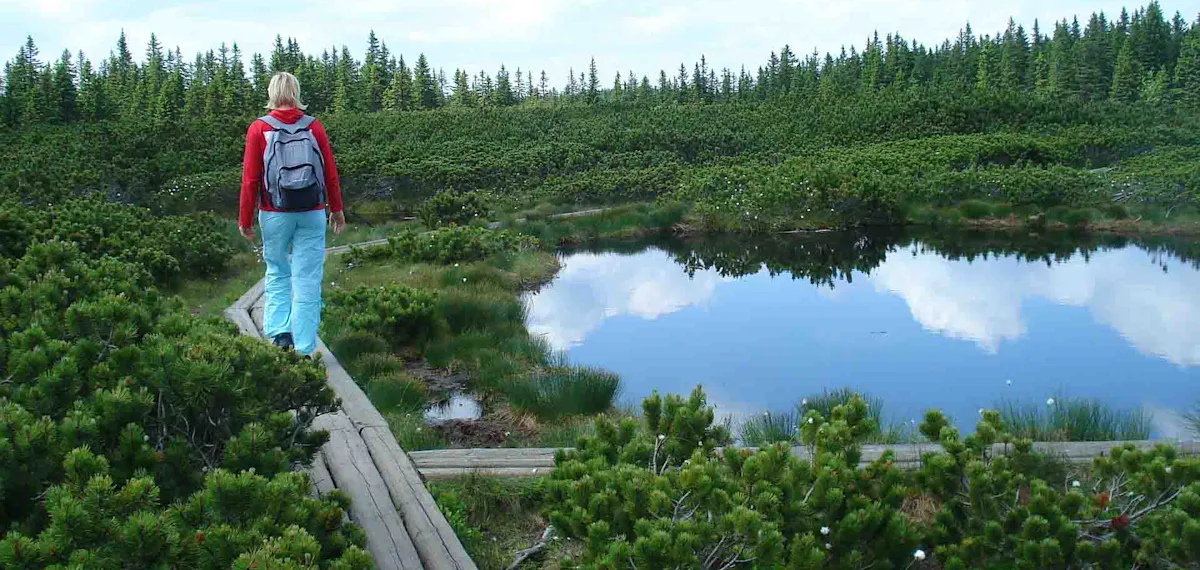
Stay at least six feet away from other people at all times. Social distancing applies in the outdoors just as it does indoors. This means flexibility on your part. If you drive up to a local trailhead and there are other cars and people there, go someplace else. Avoid popular areas such as beaches or crowded city parks altogether. Rural or dirt roads may make better hiking trails than single tracks, simply because they make it easier to give a wider berth for people to pass.
Limit your interactions only to those people you know have been isolating themselves for the same period of time and from the same exposures you have—basically, those living in your home.
4. Avoid dangerous activities
Hospitals and other health-care facilities are overwhelmed. Avoid taxing their resources further by not taking part in risk-prone sports. Limit your time outdoors to hiking, running or similarly safe activities. Your taking up space in a hospital bed could mean a death sentence for someone else.
At the best of times, hospitals are hotbeds of possible infections. Right now, it’s vital that people who don’t need emergency care avoid them in order to limit the spread of the disease both into and out of the facilities.
5. Disinfect
Take careful steps to avoid bringing the virus into your home. Wash your hands frequently and use alcohol wipes to disinfect surfaces. Use disinfectant sprays or wipes to clean anything you bring home from a store.
To avoid carrying the virus home on your shoes or clothing if you’ve visited a store, pharmacy or other business, leave your footwear outside, wash your clothes immediately and disinfect any parts of your body that may have been exposed to virus-containing droplets, such as your face, hands and the back of your neck.

Getting real, virtually
In 1984, the sociobiologist E. O. Wilson described the innate desire to connect with natural environments—and the positive experiences we derive from this connection—as the biophilia hypothesis, writing that “biophilia, if it exists, and I believe it exists, is the innately emotional affiliation of human beings to other living organisms.”
There is a plentitude of evidence to back up the link between exposure to natural settings and better psychological well-being. But when access to nature is limited, virtual exposure may mimic this effect.
In one meta-analysis of 32 studies,, opens in new tab researchers compared the effects of exposure to both natural and urban environments. Results showed that exposure to natural environments showed a moderate association with higher positive moods. But what was really interesting was that this exposure doesn’t have to take place in person. Research out of the University of New England’s Applied Psychology Lab showed that while people got the most psychological benefit from physical exposure to nature, exposure to simulated natural environments had a comparable effect.
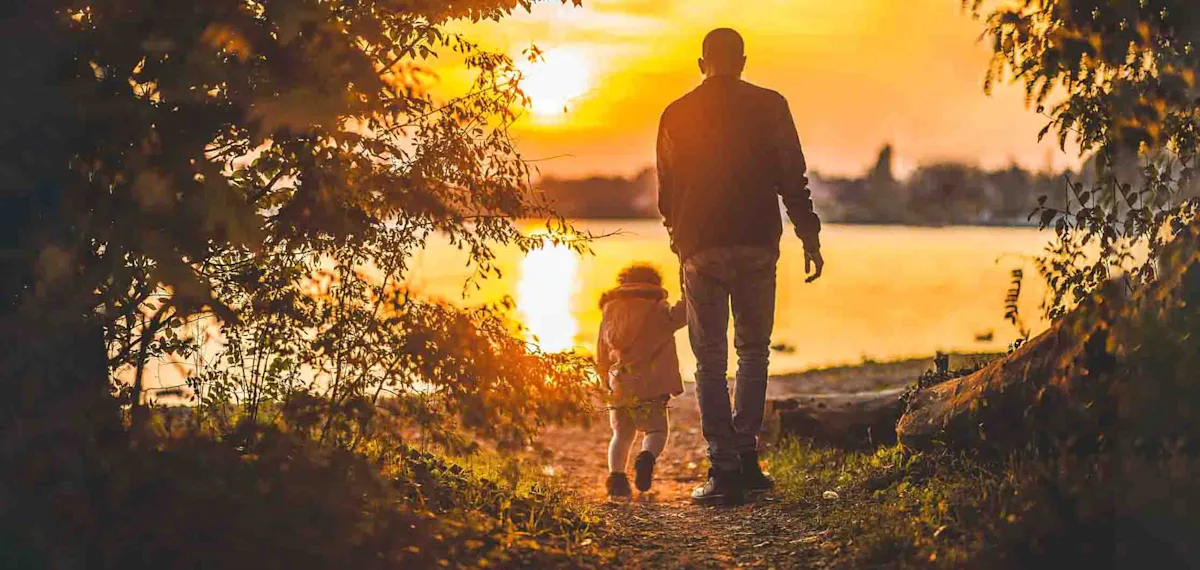
It’s not easy to satisfy our outdoor jones in these unprecedented times. But if we can do so safely, we should try. And let’s make sure that we include our children in those attempts. They’ll be healthier and happier adults for our efforts.
Here’s to finding your true places and natural habitats,
Candy