Just Two Hours in Nature Per Week Brings Health Benefits

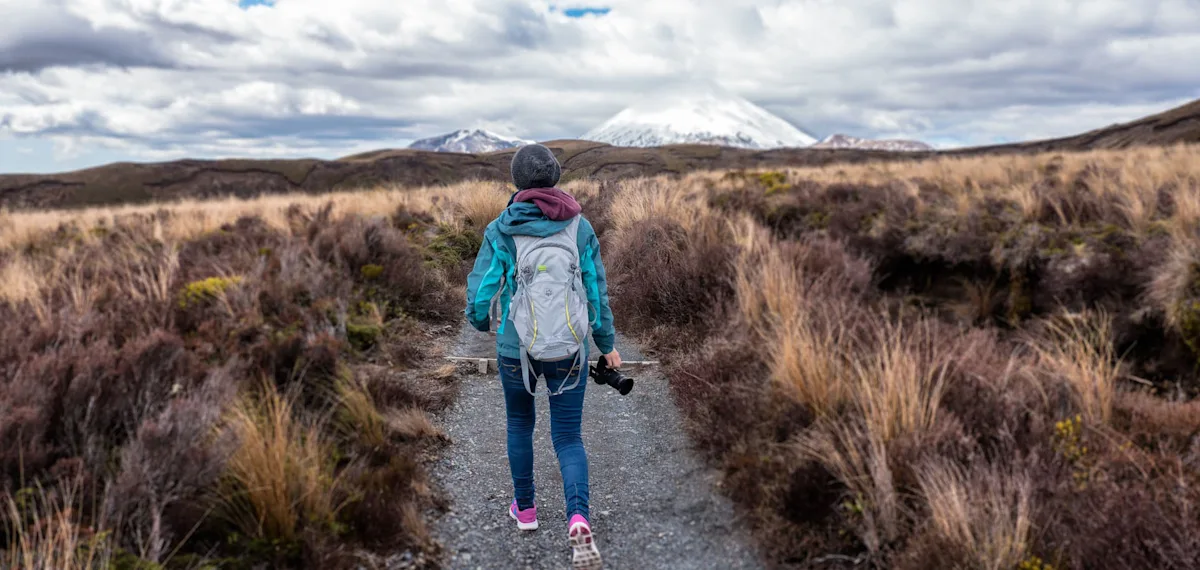
On New Year’s Day, rather than making resolutions, I have a better suggestion: go outside and take a walk. Or don’t take a walk, but just go outside.
You don’t even have to be outdoors for long. Why? Because according to a new, large-scale study, spending only two hours a week in nature is the key dose for promoting health and well-being. And, you don’t have to be physically active to reap the benefits. You only have to be “out there.”
I recommend, though, that as long as you are, why not add in some minor exploring with a short walk to increase the personal rewards?
Sit and be well
Although it’s long been well-known that getting outdoors in nature has significant health advantages, until now no one has been able to say how much time is enough. But in a study published in June 2019 in the peer-reviewed journal Scientific Reports,, opens in new tab a team of researchers from England’s University of Exeter found that people who spend at least 120 minutes in nature per week are significantly more likely to report good health and higher psychological well-being than those who don’t visit nature at all during an average week. However, if the time spent in natural settings—such as on beaches, in country or town parks, or in woodlands—was less than 120 minutes per week, no such benefits accrued.
The finding was based on interviews with 20,000 people living in England about their activity in the previous week. Of those who spent little or no time in nature, a quarter reported poor health, and almost half said they were not satisfied with their lives, a standard measure of well-being. In contrast, just one-seventh of those who spent at least two hours in nature said their health was poor, while a third were not satisfied with their lives.
The scientists also learned that it didn’t matter whether the 120 minutes was achieved in a single visit or over several shorter outings. The 120-minute threshold applied to both men and women, to older and younger adults, across different ethnic and occupational groups, among those living in both rich and poor areas, and for people with long-term disabilities or illnesses.
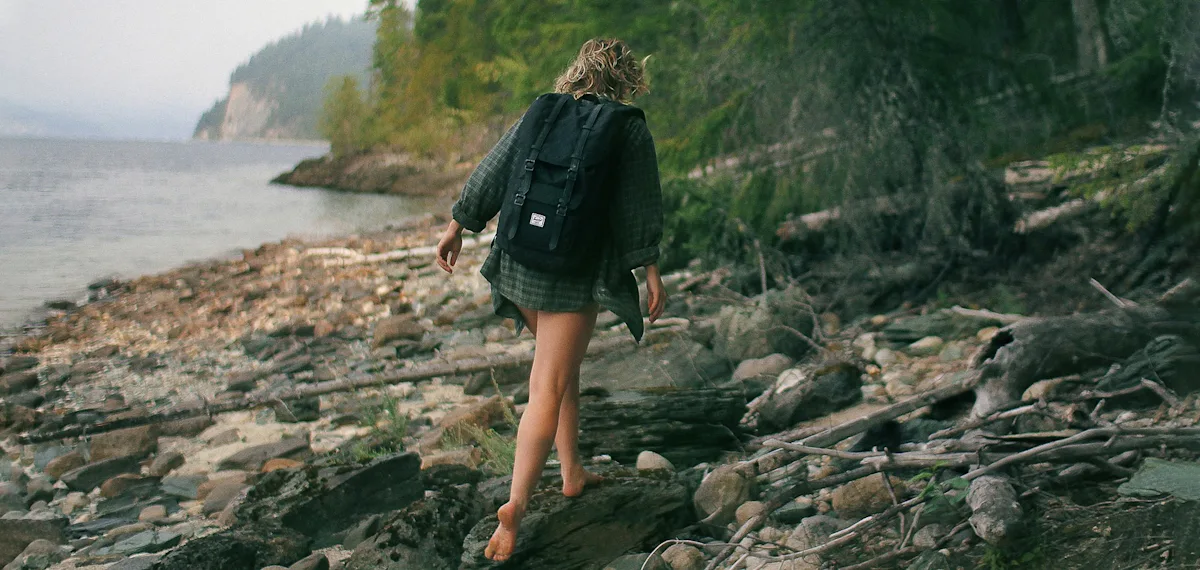
And that’s even if you simply sit and enjoy the peace.
Walk and be better
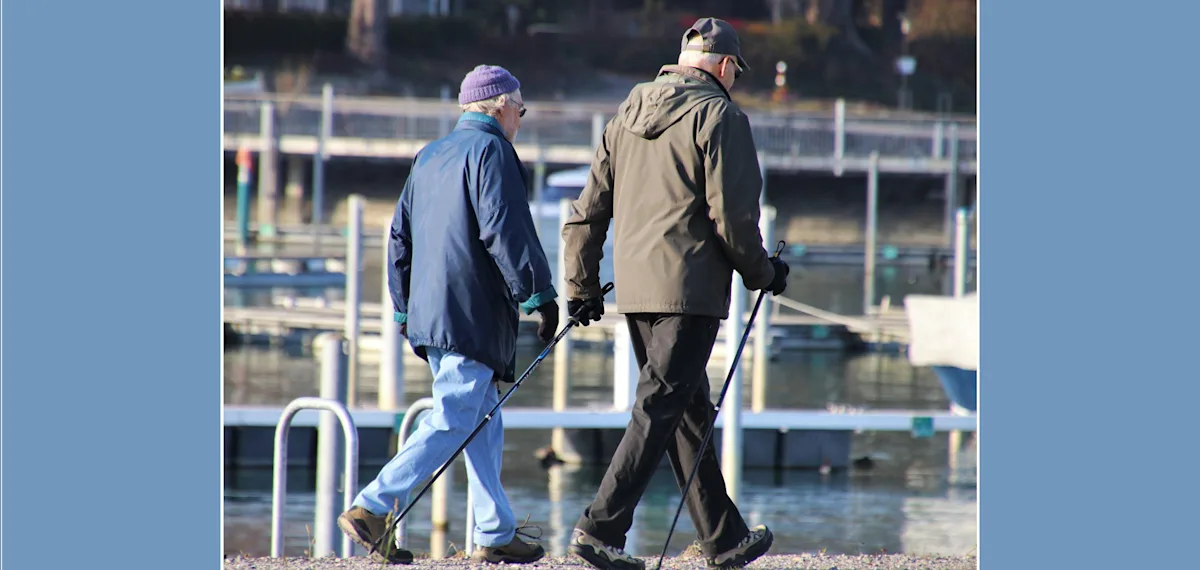
So, while it appears that physical activity isn’t necessary to gain the benefits of being in nature, why not pair your outdoor time with a little exertion to add to your welfare?
Walking may be the most underrated form of exercise. Past studies have shown that a daily walk in nature can reduce the risk of stroke in both men, opens in new tab and women,, opens in new tab decreasedays spent in a hospital, opens in new tab each year and can lower the risk of death, opens in new tab by up to 39 percent (when compared with no leisure-time physical activity). Walking also alleviates depression, opens in new tab and fatigue, results in a bigger brain, makes you more creative, opens in new tab and prevents weight gain.
And, here, too, a huge amount of effort isn’t required. Psychologists found that a 10-minute walk may be just as good as a 45-minute workout when it comes to relieving the symptoms of anxiety and boosting mood.
Take in nature and thrive
In some places, getting a daily dose of nature is gradually becoming more accepted in mainstream medicine. In fact, doctors in a rural part of Scotland now routinely prescribe time in nature as an integral part of treatments. This new study could instigate the development of recommended guidelines about how much time people should spend in nature, similar to guidelines that advise 150 minutes of physical activity per week or that suggest five portions of fruit and vegetables a day. Soon, two hours in nature could become official health advice everywhere.
Although the majority of nature visits in the June 2019 published report took place within just two miles of home, researchers are increasingly finding that the richness in biodiversity of a setting seems to be important, too. By tracking 4,500 people’s visits from the same survey used in the study, it was discovered that more stress reduction occurred if the location was an area of outstanding natural beauty or was a site of special scientific interest.
Today, of course, there is increasing pressure on parks and other green spaces to be used for housing and other infrastructure. While these alternative land uses are necessary, the green spaces themselves are often undervalued. By improving our understanding of how spending time in nature is related to health and well-being, it is hoped that decisions on what to do with open, undeveloped spots will be better informed.
Be at the top of your game from the get-go
So, on New Year’s Day—even though the couch may be calling you—be sure to kick off 2020 with a hike. Not only will it get you in a good mind-set for the new year, you’ll be in good company: America’s State Parks launched First Day Hikes, opens in new tab in 2012, and it’s still going strong. Last year, nearly 73,000 participants covered more than 150,000 miles across the country. Go to stateparks.org, opens in new tab to search for First Day events near you.
Or, you can just hit a local trail with friends, family or go solo. Just be sure to check the weather first, tell someone else where you’re going and don’t go farther than you are able.
Let’s make 2020 a healthy, happy, creative and nature-filled year from the get-go.
Here’s to finding your true places and natural habitats,
Candy