Together Possible: Making a Difference for Peru’s Natural Treasures
In order to protect natural places, people need to work together. No one group can solve the conservation challenges of the planet alone. Inspired by WWF’s new “Together Possible” mantra, this occasional series will take a look at innovative ways people are coming together to make a positive impact for the planet.
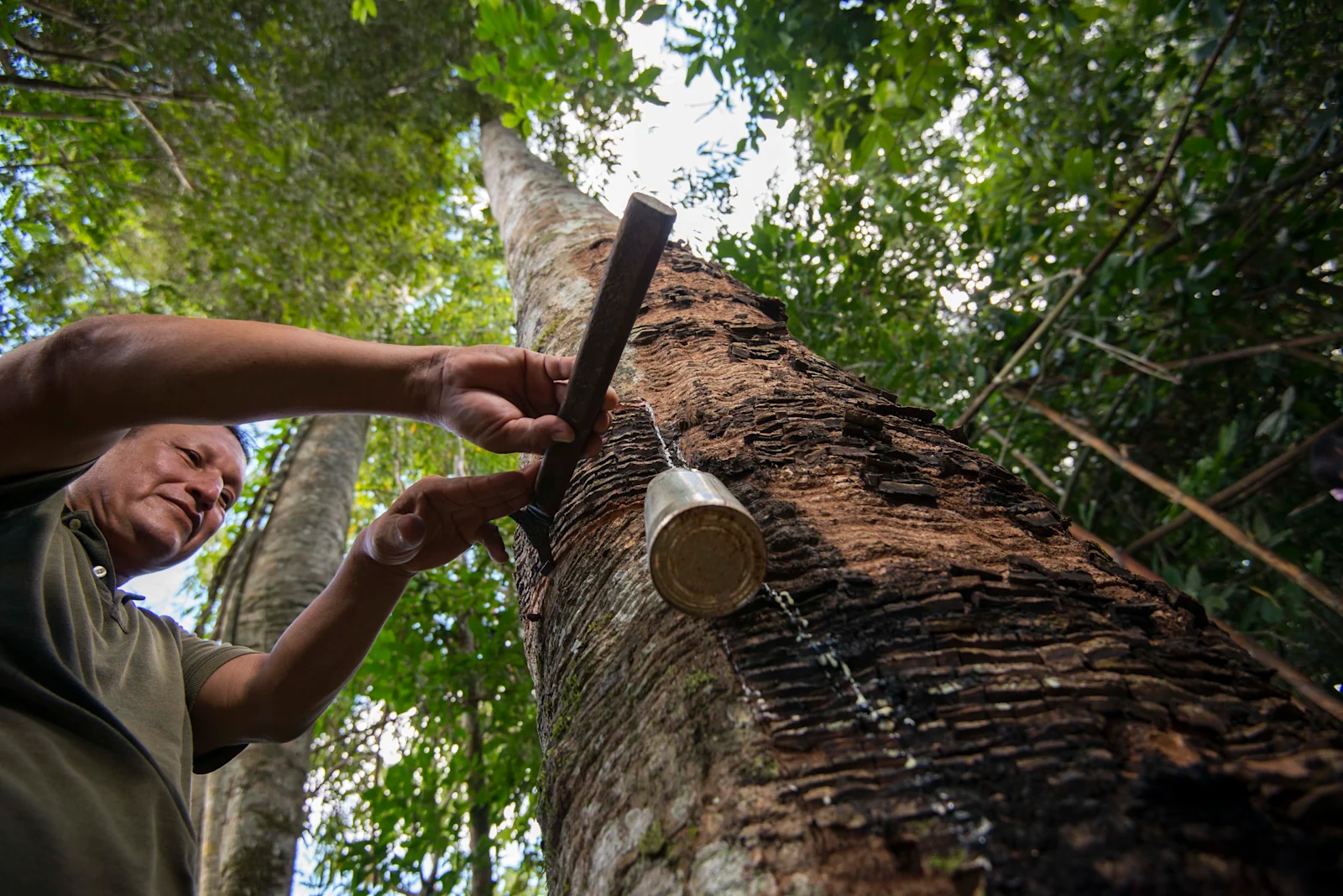
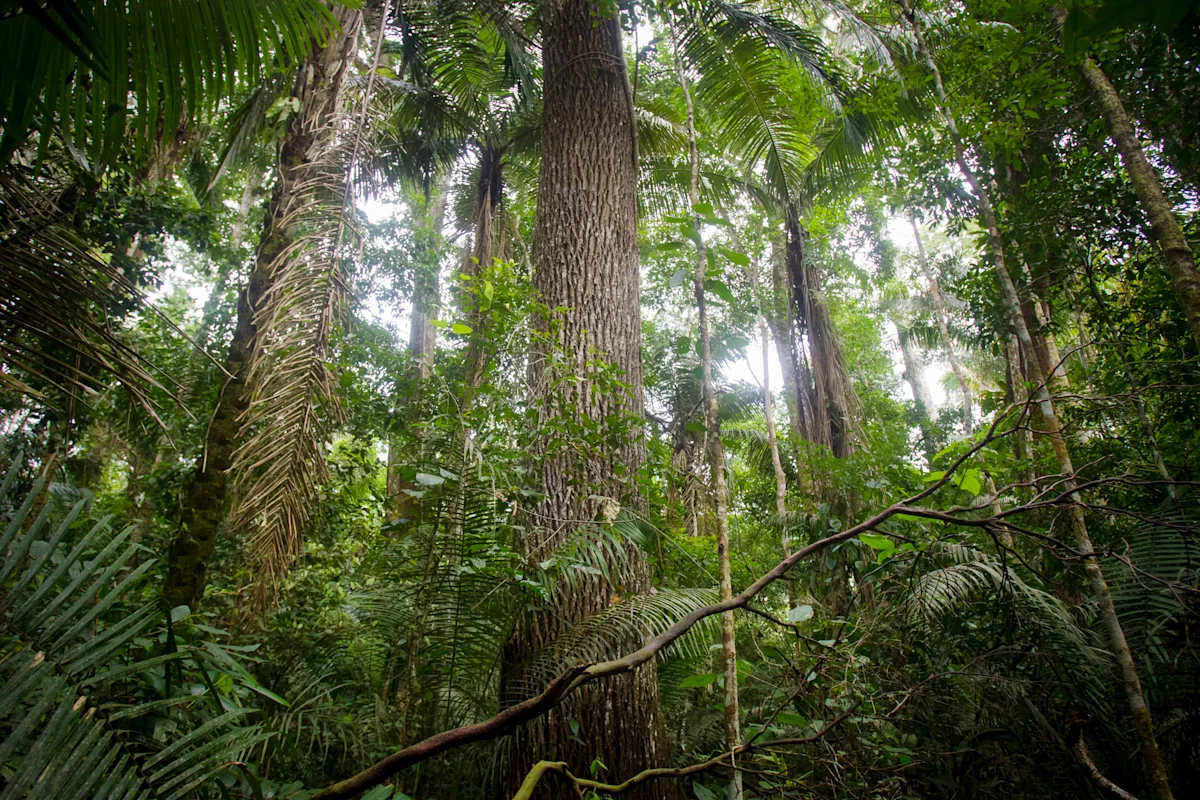
In Peru, opens in new tab, the natural riches of forests, mountains, and coastlines provide people with everything from clean air to food to livelihoods. The country has 76 designated protected areas in places as diverse the rain forest and the coastal desert. A huge chunk of the Amazon—one of the world’s most threatened forests—lies within Peru’s borders.
But with employment rates, urban construction, and tourism all on the rise in Peru, it’s important to ensure that the country’s parks, reserves, and sanctuaries remain protected so wildlife and people can continue to benefit from them now, and in the future.
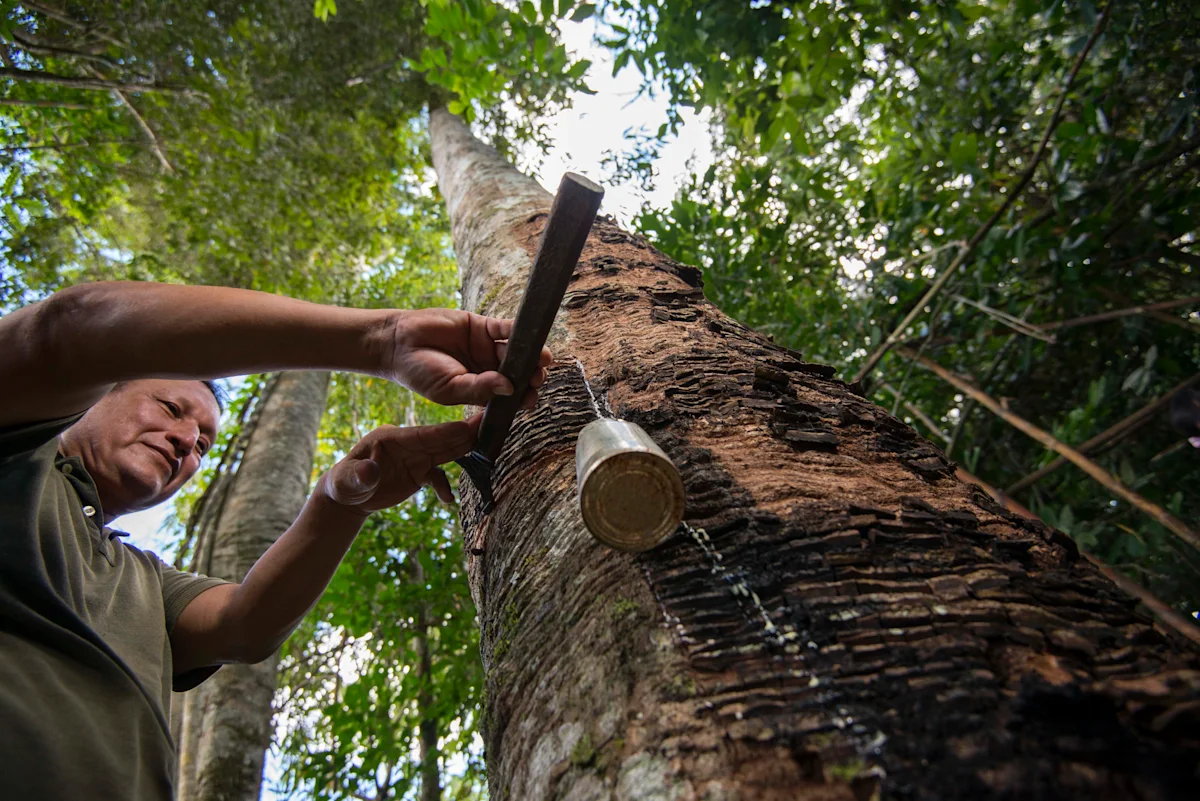
It’s a seemingly overwhelming task, and that’s where a strong partnership and a solid plan come into play. Public, private, national, and international partners, including WWF, opens in new tab, are working on a way to fund the permanent protection of Peru’s natural treasures. Such funds could be used to conduct wildlife surveys, create jobs in ecotourism, and purchase equipment that enables park rangers to better patrol protected areas. They could also be invested in the start-up of sustainable, nature-based businesses in and around protected areas. All these activities, and many more, contribute to keeping protected areas intact.
The funding mechanism that the partners aim to put in place is called Project Finance for Permanence. It ensures the long-term financial stability of protected areas; it’s something more dependable than year-to-year grants and budgets. And it works: In little over a decade, the Brazilian government, WWF, and financial backers collaborated to protect a California-sized portion of the Amazon across nearly 100 different sites in Brazil.
We’re working together to duplicate this success for the protected forests, mountains, and coastlines in Peru—and halfway around the world in Bhutan. The initiative in Peru aims to generate a fund of approximately $75 million to properly manage the country’s protected areas into the future.