


















We love our coffee! Globally, more than 100 million farmers produce coffee, and we drink more than 2.2 billion cups per day.
Do you crave a cup of coffee in the morning like I do? We’re not alone. Globally, people drink more than 2.2 billion cups daily. And someone has to grow all that joe: more than 100 million farmers worldwide produce coffee. Climate change, however, is looming large; even with futuristic geoengineering methods, the fate of cacao, coffee and wine-grape crops remains uncertain.
The coffee beans consumed across the globe come from two species: Coffea arabica and Coffea canephora (widely known as Coffea robusta). By 2050, about 80% of arabica production is predicted to decrease because of climate change. Happily for you and me, though, researchers are investigating to see if they can find alternative coffee cultivars.
Even if you don’t drink coffee and don’t appreciate the wonders of caffeine, you may come to esteem it for its green-fuel-producing capabilities. Engineers recently discovered that when the aluminum in soda cans is purified and mixed with seawater, the solution produces hydrogen—which can power an engine or fuel cell without generating carbon emissions. Perhaps not surprisingly, the reaction can be sped up by adding caffeine.
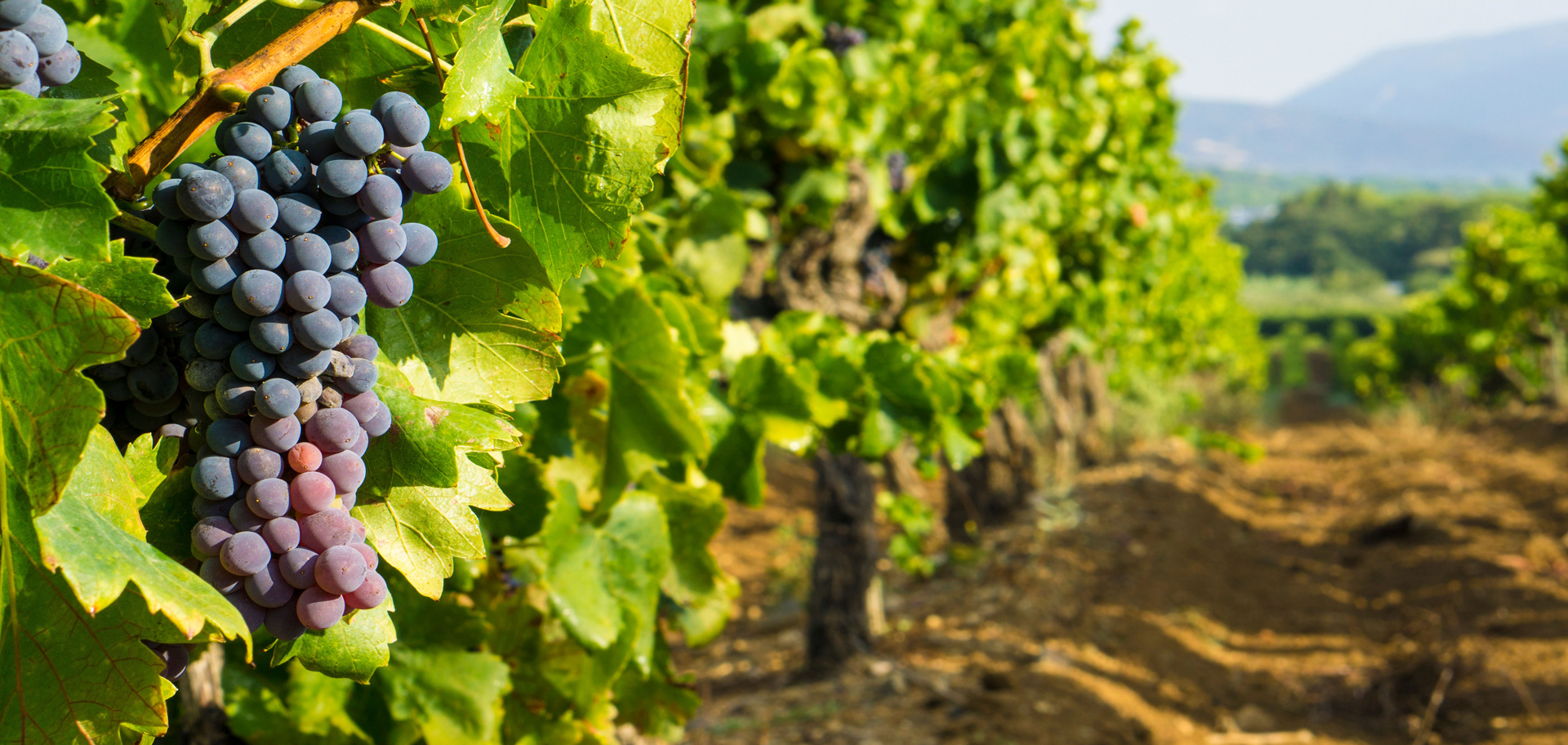
Even the most advanced climate intervention methods may not be able to protect wine grapes from a changing planet.
Even climate fixes might not save coffee, chocolate and wine
Coffee, cacao and wine-grape crops are cornerstones of global agriculture and vital sources of income for millions of farmers. Yet they are increasingly at risk as climate shifts intensify. Rising temperatures and erratic rainfall have caused major swings in crop yields from year to year, leaving producers uncertain about their harvests and threatening the stability of local economies. That’s why a research team from Colorado State University recently focused on a proposed geoengineering technique known as Stratospheric Aerosol Injection (SAI). This experimental concept aims to cool the planet by releasing reflective particles into the upper atmosphere, mimicking the temporary cooling that occurs after large volcanic eruptions. The scientists evaluated whether SAI could help stabilize conditions for coffee, cacao and grape cultivation across major growing areas in South America, West Africa and western Europe.
To test this idea, researchers modeled climate conditions from 2036 to 2045 across 18 important crop-producing regions. They assessed how SAI might affect disease risk, humidity, rainfall and temperature to determine future crop suitability. While SAI successfully reduced surface temperatures, it did not consistently preserve the favorable conditions required for healthy yields. Only six of the 18 regions studied showed any significant improvement compared to a future scenario without SAI.
Unpredictable rainfall and shifting humidity levels proved to be the biggest obstacles to SAI’s success. Although the intervention could cool the planet, it was far less effective at moderating moisture levels or preventing extreme weather events, such as flooding. As a result, crop yields and farm income projections remained unstable even under SAI conditions.
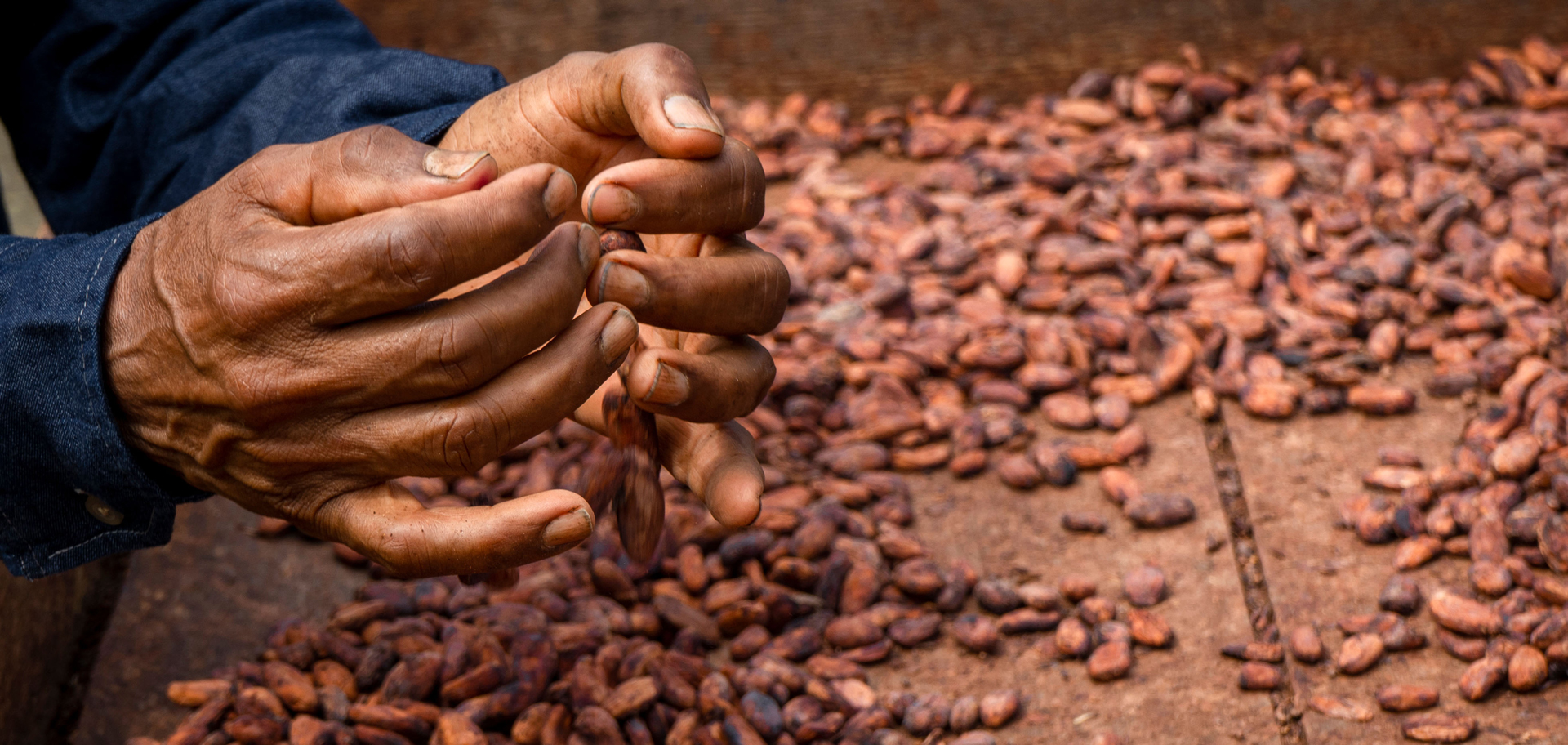
Cacao crops are more tolerant of hot temperatures than coffee or grapes, but they are highly susceptible to diseases and pests caused by a combination of high temperatures, humidity and rainfall.
The researchers conclude that reducing temperatures with SAI alone isn’t enough. For instance, cacao species, while more tolerant of hot temperatures than coffee and grapes, are highly susceptible to diseases and pests caused by a combination of high temperatures, humidity and rainfall. Natural climate variability also cannot be ignored; it leads to a wide range of outcomes under the same SAI scenario that could affect the livelihoods of farmers growing any of the three crops.
So, while SAI could provide short-term relief from heat stress in certain regions, it cannot be relied upon as a long-term fix. Adaptation strategies tailored to local conditions, investments in resilient agricultural practices and global cooperation are essential to saving these crops and the communities that depend on them.
The findings, published in the journal Environmental Research Letters in November 2025, highlight an important message: technological fixes alone cannot secure the future of coffee, cacao and wine grapes. Safeguarding these crops will require both innovation and a global commitment to sustainable adaptation.

Arabica is believed to be the first species of coffee to have been cultivated, and it is the dominant cultivar today, representing about 60% of global production.
Robusta may be the new “climate-smart coffee”
Coffee beans consumed across the globe come from two species: Coffea arabica (about 60% of coffee beans commercialized worldwide are from Coffea arabica) and Coffea canephora, also known as robusta coffee. Historically, coffee drinkers prefer arabica beans for their specific aroma and flavor. But by 2050, about 80% of arabica production is predicted to decrease because of climate change. So, scientists from Brazil (Incaper Institution), France (RD2 Vision) and the University of Florida are investigating to see if they can find alternative coffee cultivars.
The research team sees two alternatives for supplementing arabica: one, adapt coffee-farming practices to new environments; and two, focus on species that are more resilient. Robusta coffee has been identified as a good candidate for augmenting arabica.
In the past few decades, the production of robusta coffee has increased about 30%, representing a significant improvement in the coffee chain. Overall, robusta produces more coffee than arabica and uses fewer inputs—such as fertilizer and water. As its name suggests, the plant is more vigorous. But the biggest challenge is meeting the demand for arabica’s quality and productivity.
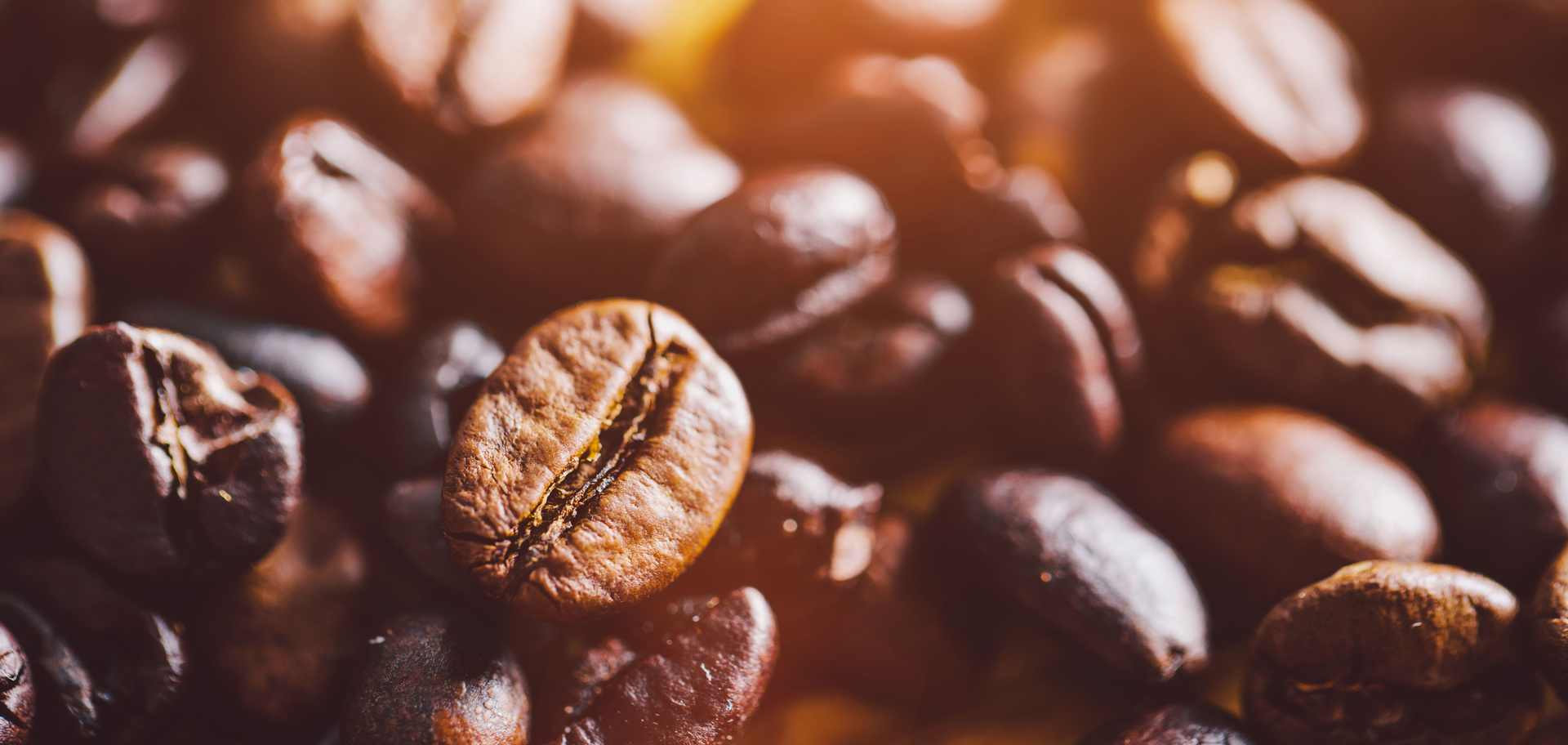
In the past few decades, robusta production has increased about 30%. Robusta’s name comes from its heartiness, disease resiliency, growth at a lower range of altitudes and high yield per tree. Also, the species produces more coffee than arabica, using fewer inputs, such as fertilizer and water.
For this study, the results of which were published in the journal Crop Science in July 2024, the scientists evaluated arabica and robusta for multiple traits in three locations in the high altitudes in Brazil for five years. They ultimately wanted to find out whether the robusta cultivars could have a high yield when produced in alternative climates and whether the coffee end product tasted good.
The findings showed that robusta is extremely adaptable and grows well in high-altitude regions, which means it combines excellent production values with good flavor scores. There is a substantial number of robusta varieties, meaning that different plants can be selected, depending on the weather conditions of a region. This diversity answers a fundamental question about the future of coffee: robusta could be the drink that’s climate-smart.
The researchers state that robusta coffee cultivars demonstrate the following three attributes:
• Sustainability—produces more with fewer inputs.
• Quality—good flavor meets consumer demand.
• Plasticity—the capacity to adapt to new production systems.
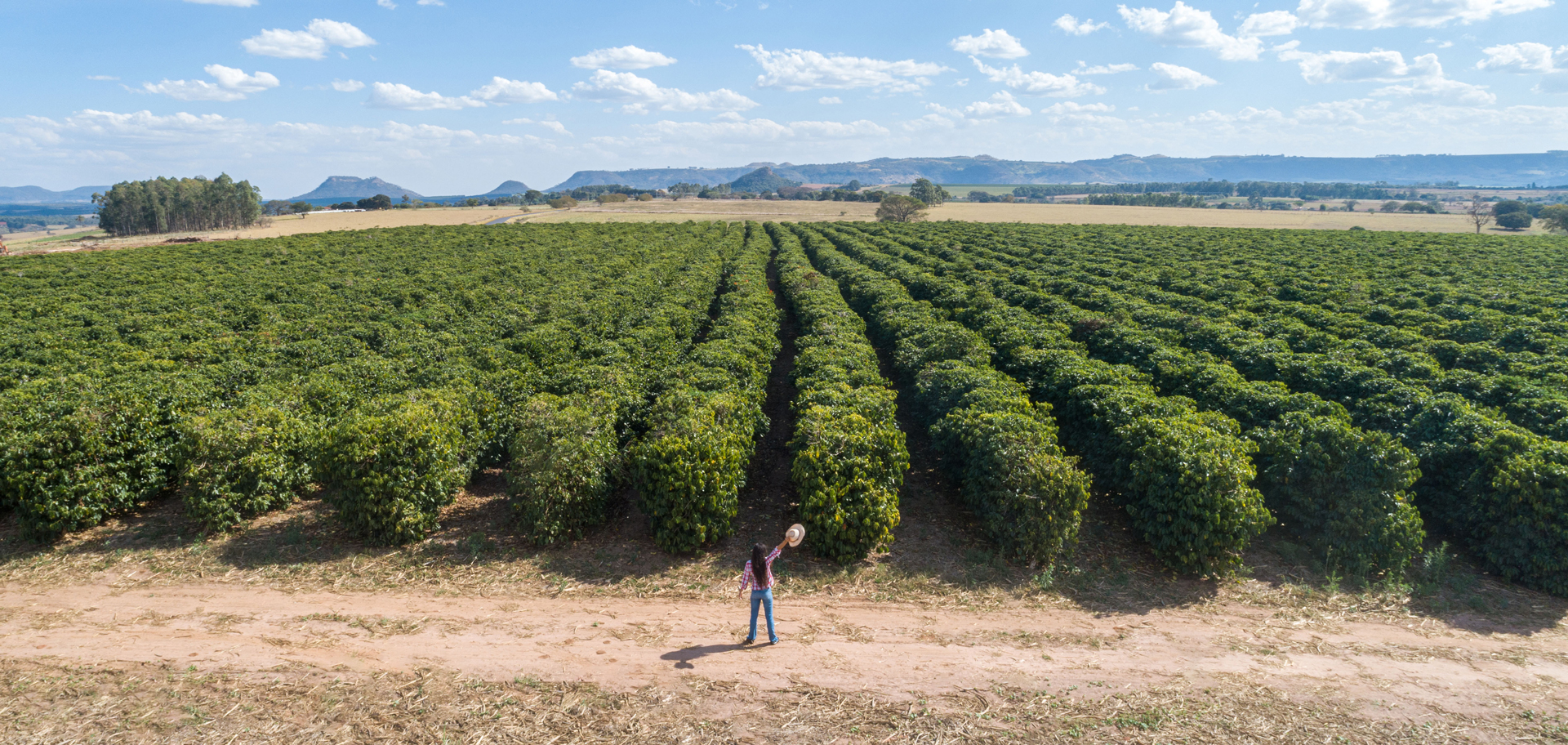
In three locations in Brazil, robusta coffee was found to be highly adaptable. Different plants could be selected for varying weather conditions. That means that the “coffee of the future” will likely be climate-smart coffee, like robusta.
Now that they’ve found such encouraging results with robusta in Brazil, the scientists are trying to see if it can grow in Florida.
A zero-emissions fuel can be made with the help of caffeine
While you know caffeine can be a wake-up drink and head-clearer in the morning, you probably didn’t know that it could also—along with seawater and empty soda cans—become a sustainable source for clean energy.
In a study published in the journal Cell Reports Physical Science in August 2024, Massachusetts Institute of Technology (MIT) engineers have found that when aluminum in soda cans is exposed in its pure form and mixed with seawater, the solution bubbles up and naturally produces hydrogen—a gas that subsequently can be used to power an engine or fuel cell without generating carbon emissions. What’s more, this simple reaction can be sped up by adding a common stimulant: caffeine.
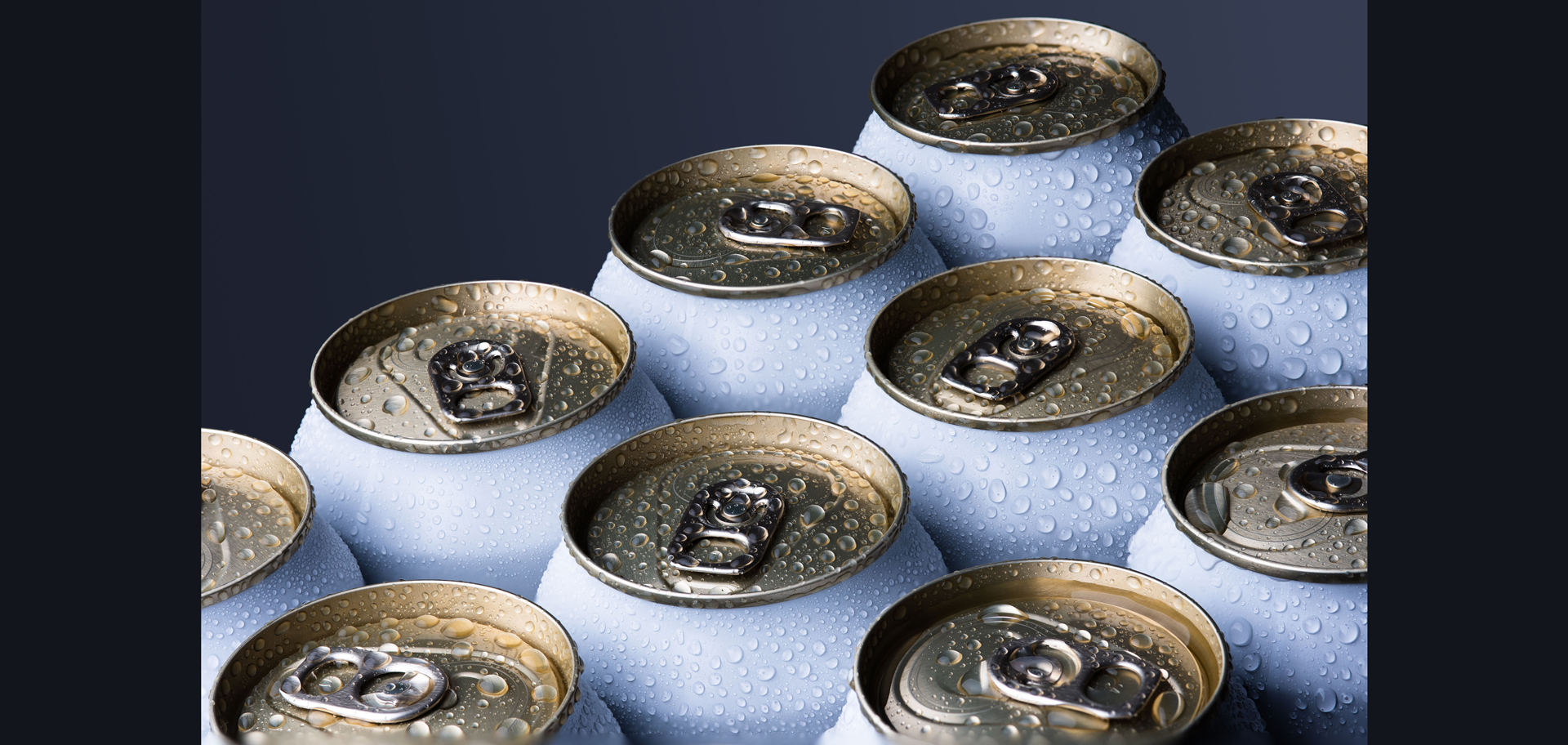
When the aluminum in soda cans is exposed in its pure form and mixed with seawater, the solution bubbles up and naturally produces hydrogen—a gas that can be used to power an engine or fuel cell without generating carbon emissions.
The MIT engineers produced hydrogen gas by dropping pebble-size aluminum pellets into a beaker of filtered seawater. The aluminum was pretreated with a rare-metal alloy that effectively scrubs aluminum into a pure form that can react with seawater to generate hydrogen. The salt ions—atoms or molecules with an electrical charge—in the seawater can, in turn, attract and recover the alloy, which can be reused to generate more hydrogen in a sustainable cycle. While this reaction between aluminum and seawater successfully produces hydrogen gas, it does so slowly.
Hydrogen gas is seen as a “green” energy source that could power engines and fuel cells without generating climate-warming emissions. However, one drawback to fueling vehicles with hydrogen is that some designs would require the gas to be carried aboard like traditional gasoline in a tank—a risky setup, given hydrogen’s volatile potential. What’s needed is a way to power vehicles with hydrogen without having to constantly transport the gas itself. The MIT engineers found a possible work-around in aluminum, a naturally abundant and stable material that, when in contact with water, undergoes a straightforward chemical reaction that generates hydrogen and heat.
The reaction, however, comes with a sort of catch-22: while aluminum can generate hydrogen when it mixes with water, it can only do so in a pure, exposed state. The instant aluminum meets with oxygen, such as in air, the surface immediately forms a thin, shield-like layer of oxide that prevents further reactions. This barrier is the reason hydrogen doesn’t immediately bubble up when you drop a soda can in water.
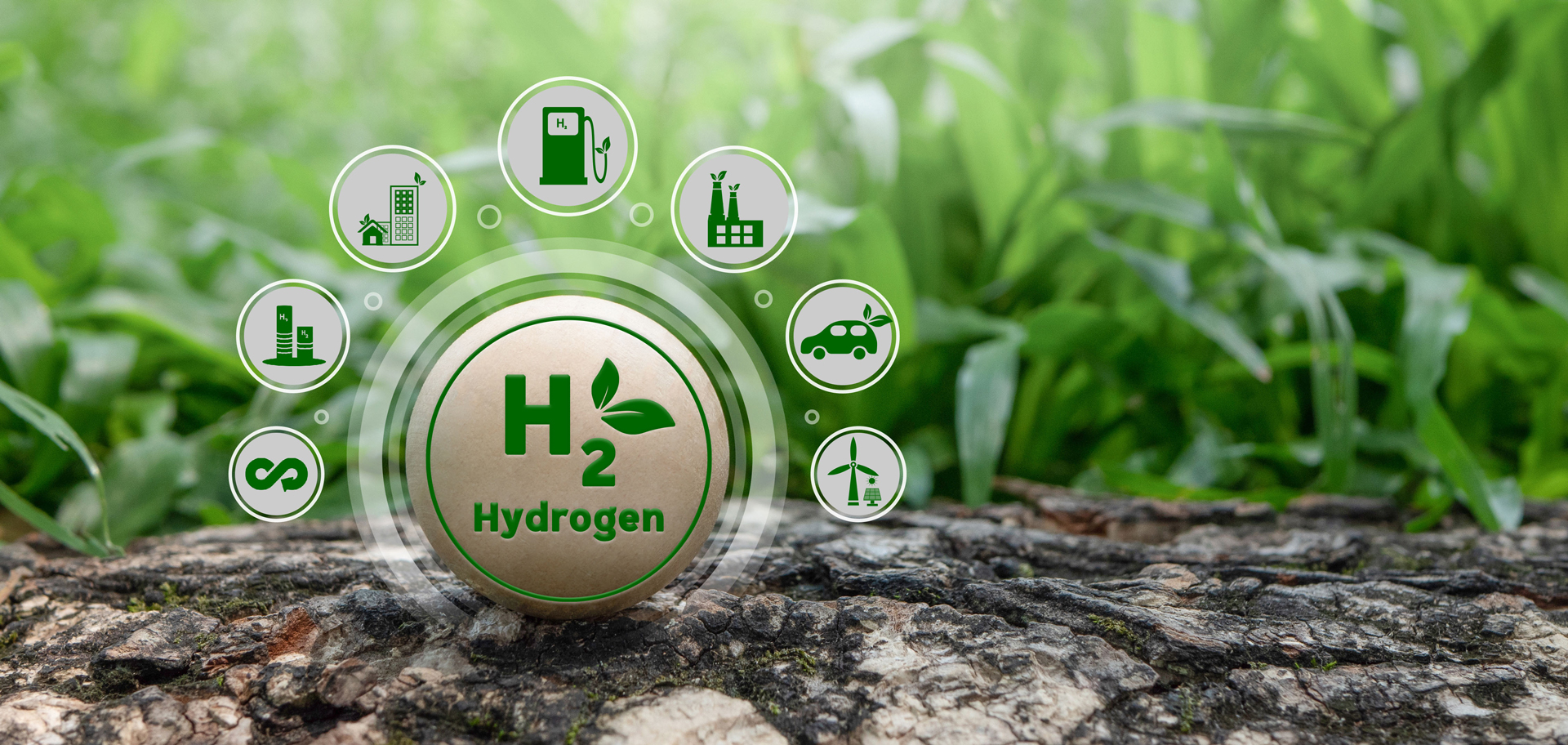
Hydrogen is the most abundant chemical substance in the universe. Hydrogen gas acts as a clean-burning, green, versatile fuel that emits only water vapor, offering a crucial solution for decarbonizing heavy industry, shipping and storage. Burning hydrogen fuel does not contribute to climate change.
In previous work, using fresh water, the team found they could pierce aluminum’s shield and keep the reaction with water going by pretreating the aluminum with a small amount of a metal alloy made from a specific concentration of gallium and indium. The alloy serves as an “activator,” scrubbing away any oxide buildup and creating a pure aluminum surface that is free to react with water.
But to further scale up the system would require a significant supply of gallium-indium, which is relatively expensive and rare. In the team’s new work, they found they could retrieve and reuse gallium-indium using a solution of ions, which protect the metal alloy from reacting with water and help it to precipitate into a form that can be scooped out and reused.
Lucky for the researchers, seawater is an ionic solution that is very cheap and available. They found that hydrogen, indeed, bubbled up when they added aluminum to a beaker of filtered seawater. And they were able to scoop out the gallium-indium afterward. But the reaction happened much more slowly than it did in fresh water. As they looked for ways to speed up the reaction in seawater, the researchers tried out various and unconventional ingredients. Playing around with things in the kitchen, they tossed some coffee grounds into the mix and found, to their surprise, that the reaction picked up its pace.
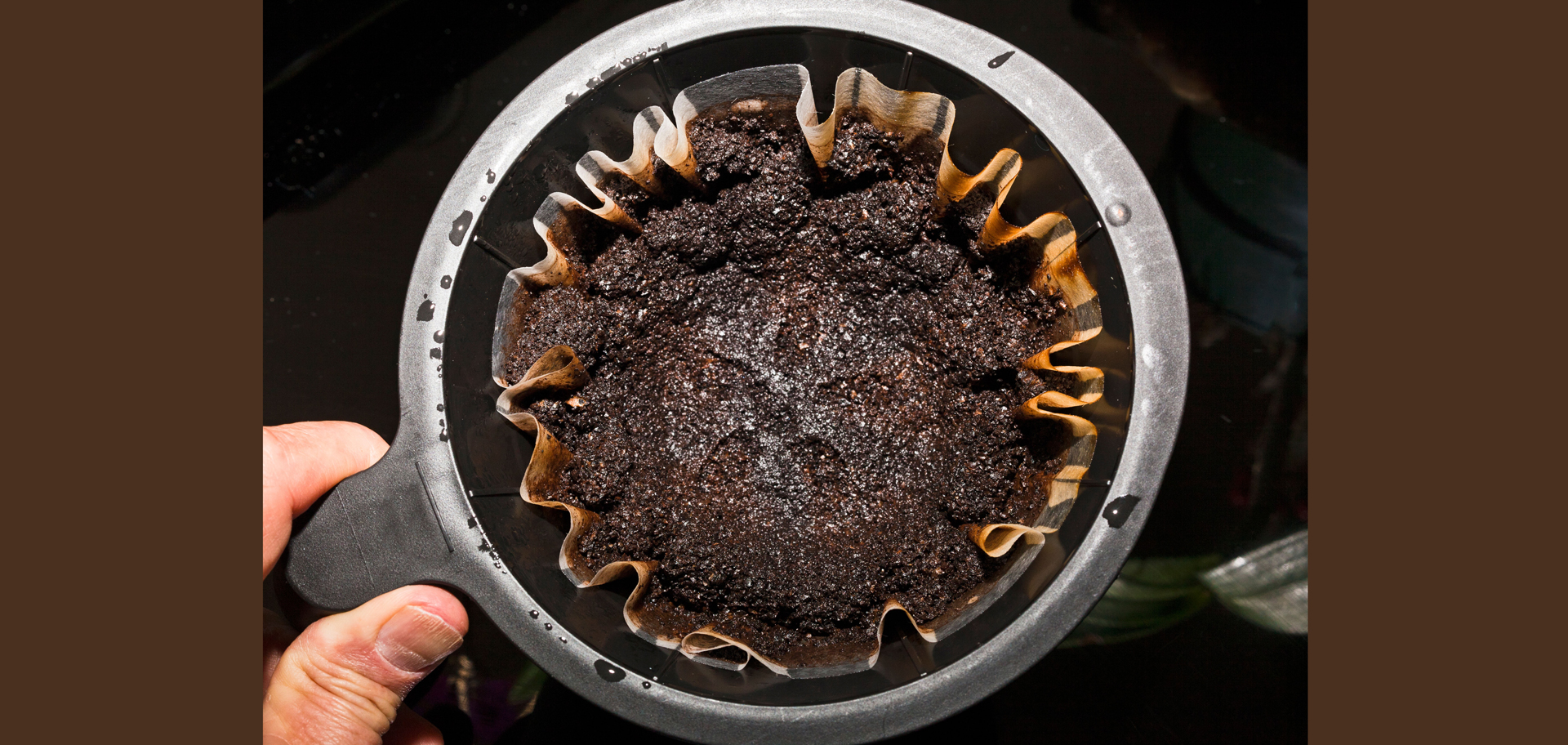
The reaction between aluminum and seawater that produces hydrogen can be sped up by adding imidazole, an active ingredient in caffeine. Used coffee grounds typically retain about 5% to 10% of their original caffeine content. Freshly ground coffee, obviously, has the highest concentration.
To understand what might explain the speedup, the team reached out to colleagues in MIT’s chemistry department, who suggested they try imidazole, an active ingredient in caffeine, which happens to have a molecular structure that can pierce through aluminum (allowing the material to continue reacting with water), while leaving gallium-indium’s ionic shield intact. In the end, the team discovered that a low concentration of imidazole is enough to significantly speed up the reaction, producing the same amount of hydrogen in just five minutes that took two hours to make without the added stimulant.
That was a big win. The researchers believe they now have the essential ingredients to run a sustainable hydrogen reactor that manufactures hydrogen fuel without carrying hydrogen along but bringing aluminum instead. They plan to test it first in marine and underwater vehicles. They’ve calculated that such a reactor, holding about 40 pounds of aluminum pellets, could power a small underwater glider for about 30 days by pumping in surrounding seawater and generating hydrogen to power a motor.
The next part is to figure out how to use this for trains, trucks and maybe airplanes. Perhaps, instead of having to carry water, say the MIT engineers, water could be extracted from the ambient humidity to produce hydrogen, as well.

Even if coffee is not your beverage of choice, one day, it could power your adventures to unforgettably beautiful places, such as New Zealand’s Milford Sound.
Coffee fills your senses and powers your travel dreams
Coffee not only has an intense, warm aroma of roasted nuts and dark chocolate, it has a balanced taste of acidity, bitterness and sweetness. It’s also a nutrient-rich beverage that boosts cognitive function, metabolism and physical performance, while offering significant long-term health benefits. Rich in antioxidants like chlorogenic acid, regular, moderate consumption of coffee (two to four cups daily) is linked to a lower risk of heart failure, stroke, type 2 diabetes and certain cancers. Beyond its stimulating effects, coffee can improve memory, mood and even longevity by reducing oxidative stress.
While climate change is threatening coffee crops, it’s heartening to learn that researchers are working on creating a more climate-smart variety.
And even if coffee is not your beverage of choice, one day, it could power your adventures.
Here’s to finding your true places and natural habitats,
Candy