

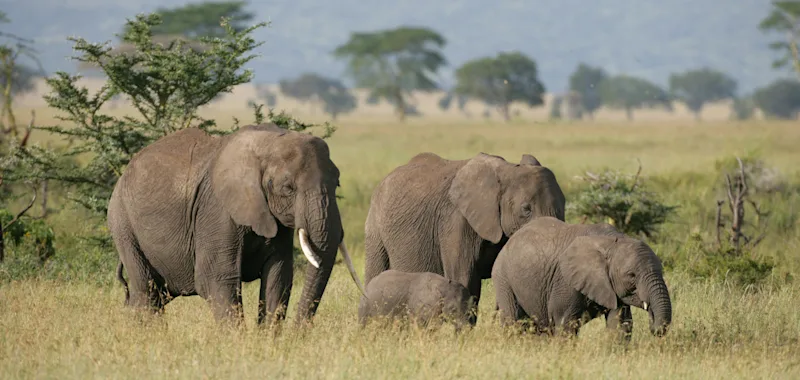
Bad Economics: Pachyderm Poaching and Refuge Reductions
We are losing animal species at an alarming, unprecedented rate, and our wild places are increasingly coming under attack.
480 stories
We are losing animal species at an alarming, unprecedented rate, and our wild places are increasingly coming under attack.
Your bedroom closet is about to get a makeover, and it won’t be because you’ve knocked out walls or installed new shelving. And that coat closet in your hallway or vestibule where you store your bulkiest outerwear may soon need to be put to an alternative use.
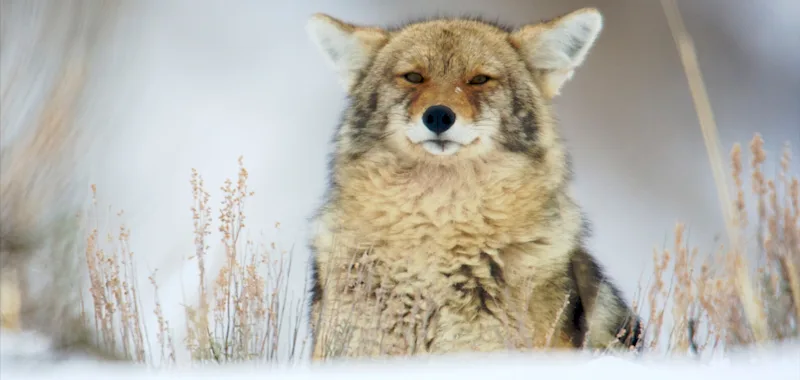
American attitudes toward wild animals are growing more positive, according to a new study published just last month in the international journal Biological Conservation. Between 1978 and 2014, our thinking about eight historically stigmatized species—including bats, coyotes, vultures, sharks and wolves—were found to be significantly more favorable. On the surface, that sounds like good news.
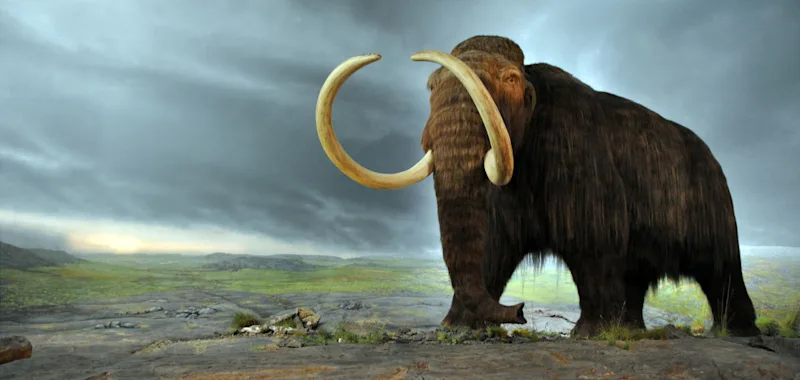
The woolly mammoth—an animal that went extinct 4,000 years ago—is currently being considered for legal protection under conservation trade rules. “How that can be?” you might well ask. The answer lies in a story that’s entwined with some very modern-day issues: climate change and the rampant poaching of today’s elephants.
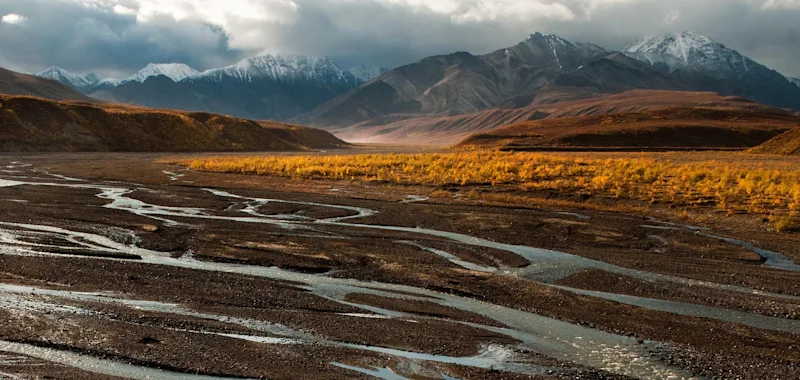
Yosemite National Park is growing. Here, now, in 2016, that’s a statement I never thought I would be able to make.

Close your eyes and picture a world with no more dire warnings about climate change and what will happen if we do nothing to stem its tide. Envision seeing no more graphs of the projected spread of CO2 emissions, illustrated by neon swirls.
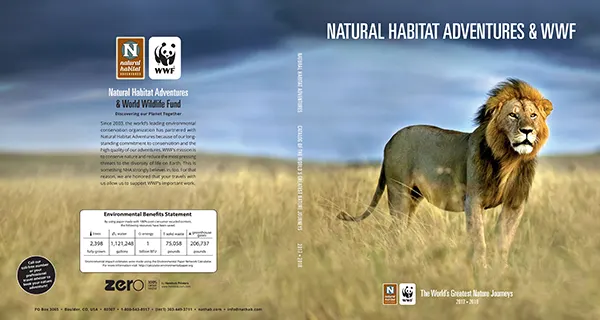
Last month, I flew to Vancouver, British Columbia, to monitor the printing of the latest and greatest Catalog of World’s Greatest Nature Journeys for Nat Hab and World Wildlife Fund. Every spring, I wonder how it’s even possible to improve our catalog.
Black Lives Matter. Blue Lives Matter. Veterans Matter. You could probably name a dozen other organizations that work to convince us that all human lives have value. And while most of us can probably get behind the majority of these causes, it turns out that a third of us think nonhuman-animal lives matter, too.
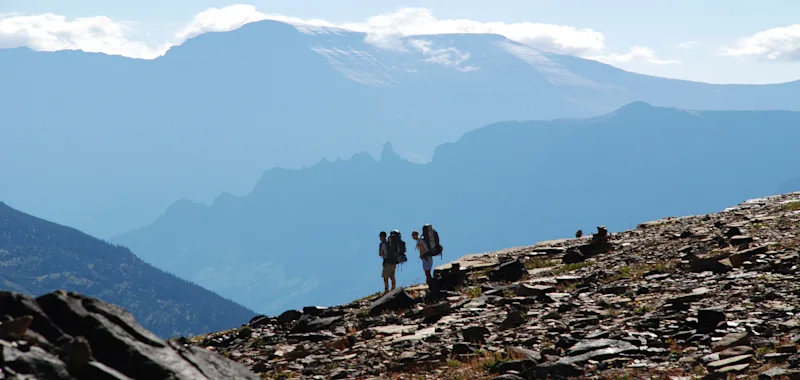
This week, on Thursday, August 25, the National Park Service will celebrate its centennial. This year has been filled with campaigns and events to commemorate our shared and cherished public lands. But underneath all the festivities lies a dark shadow.
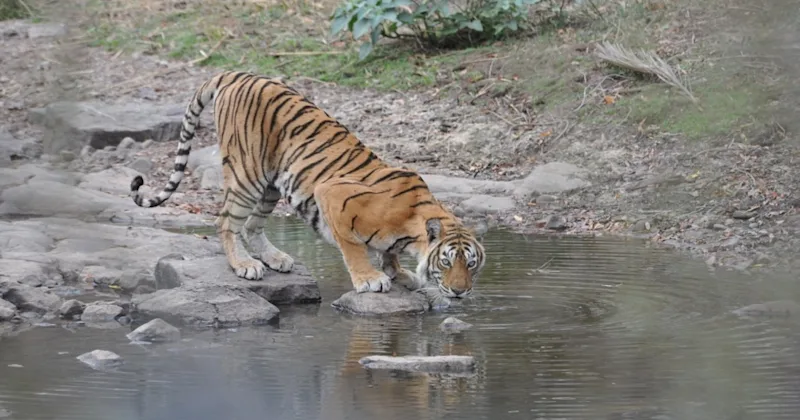
This is a guest post by Toby Sinclair, long-time Nat Hab India Expedition Leader and tiger expert. In 1998 Nat Hab Expedition Leader Suhail Gupta and I were in Ranthambore. We met up with the late Fateh Singh Rathore, the founding Warden and Field Director of Ranthambore Tiger Reserve.
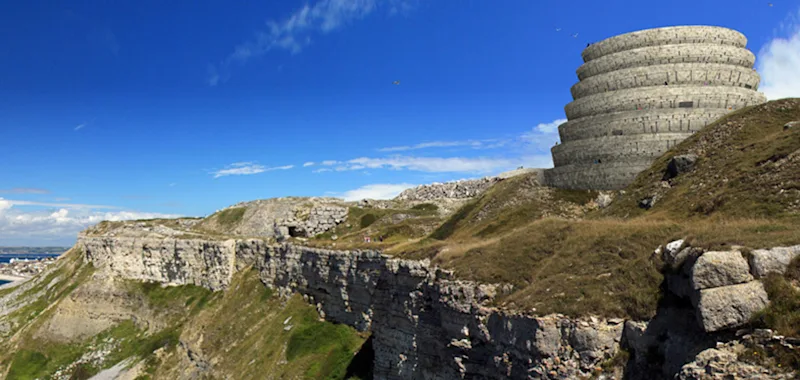
We’re currently living in the midst of what scientists call the sixth mass extinction, the sixth wave of extinctions in the past half-billion years.
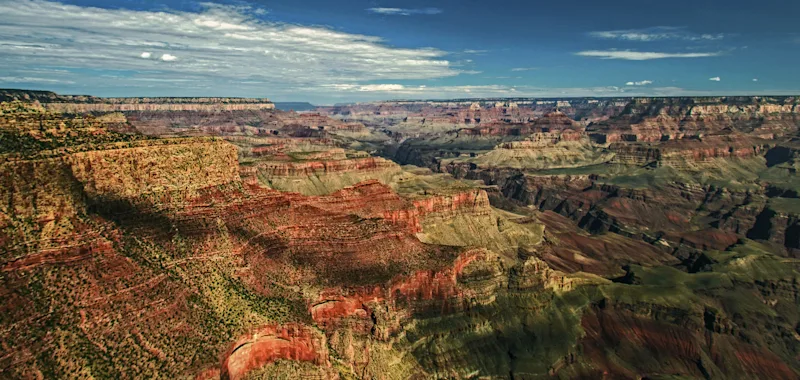
The Grand Canyon in Arizona is one of the planet’s Seven Natural Wonders. More than a mile deep, the canyon runs for 277 river miles, which are protected as Grand Canyon National Park. If you’ve traveled there, you know that there is no landscape on Earth that is more astonishing.