

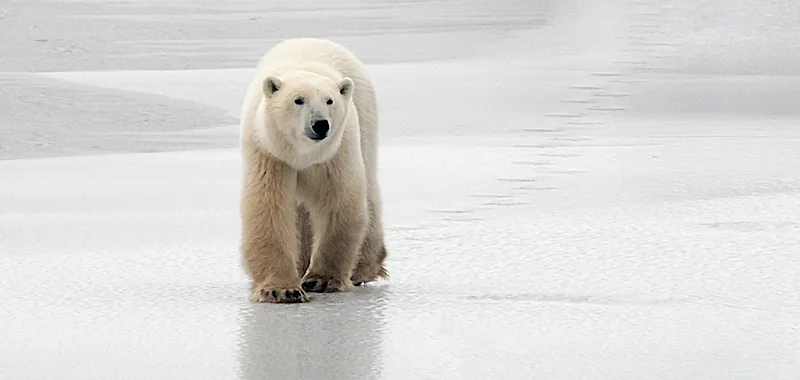
“New” Greenland Polar Bears Found
Scientists have discovered a previously unknown, isolated population of polar bears living in Southeast Greenland that has found a unique way to survive.
1184 stories
Scientists have discovered a previously unknown, isolated population of polar bears living in Southeast Greenland that has found a unique way to survive.
Greyhounds have been a part of my life for more than two decades. In fact, in 2019, when my husband and I got the call inviting us to visit the local kennel to adopt what would be our 10th greyhound over a span of 26 years, we found our new “fur baby” within 30 minutes.

When I was a kid, my mom took our family to see Disney’s Pete’s Dragon, a musical fantasy film that featured a large green animated dragon named Elliott who had the ability to make himself invisible. I fell in love with Elliott’s expressive face, floppy ears and pink tuft of hair.
A pod of orcas grabbed the headlines in late March 2019. Researchers performing their annual dolphin and whale surveys off the southwestern coast of Australia stumbled across an orca attack on a healthy, adult blue whale. They recorded the event, which had never been documented before.
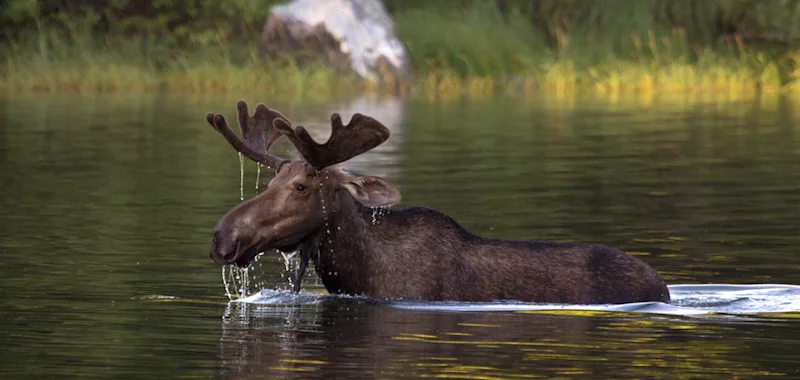
Without a doubt, we humans are altering the natural environment. Because of our activities, we are now experiencing melting glaciers; rising sea levels; warming oceans; and more frequent and intense droughts, heat waves and storms—all the result of human-caused climate change. These effects wreak havoc on people’s communities and livelihoods.
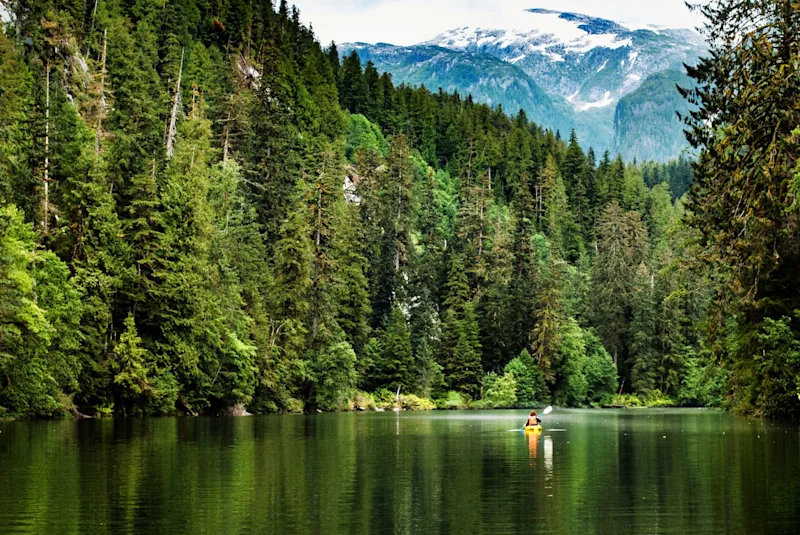
Within a 250-mile stretch of British Columbia’s central and northern coast, some of Earth’s oldest and tallest trees reach for the sky. Covering 21 million acres, the expansive Great Bear Rainforest—which stretches from the Knight Inlet of British Columbia’s Inside Passage to the Alaska Panhandle—is home to thousand-year-old red cedars and towering Sitka spruce trees.

Our relationship with forest fires is complicated. Beginning in 1947, one of the world’s most recognizable characters and one of our nation’s most beloved spokespeople, Smokey Bear, told us that “only you can prevent forest fires.” (That slogan was changed to “Only you can prevent wildfires” in 2001.)
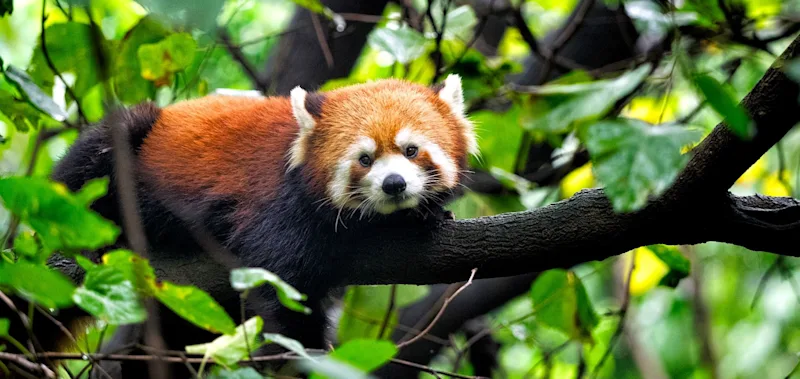
No trip to China is complete without a visit to see the giant panda, the country’s unofficial symbol. But dozens of other wildlife species are found in China too, including these five that you may spot while on a WWF and Nat Hab China trip.
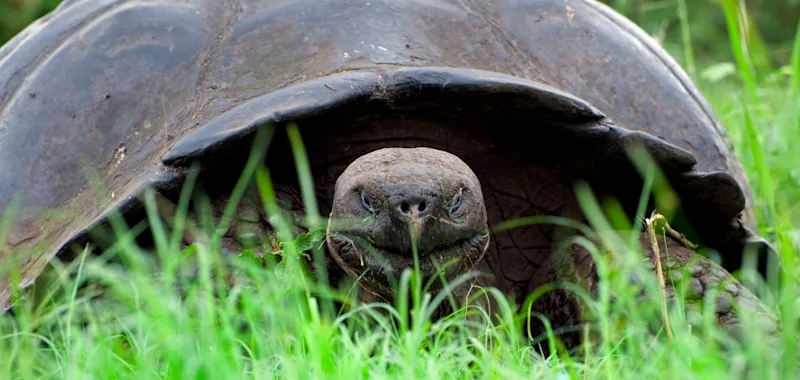
While you probably haven’t celebrated it for the past 20 years, World Turtle Day is coming up on May 23. This annual event was created by the American Tortoise Rescue in 2002 to call attention to the dwindling numbers of these animals due to environmental hazards and human interference.
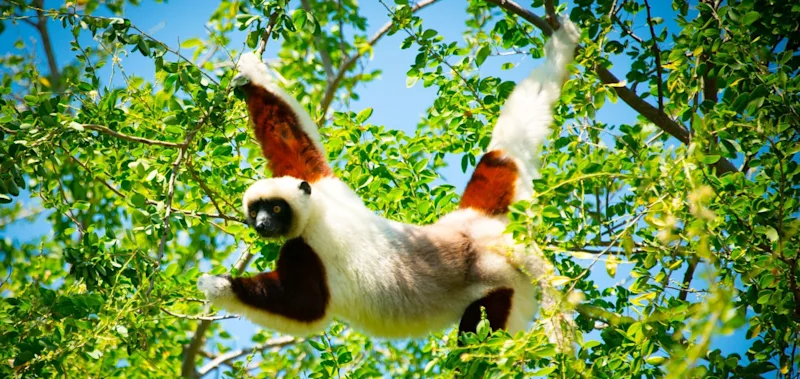
Easily recognized by their long, bushy tails and translucent eyes, lemurs are found only on Madagascar and the Comoro Islands. These unique creatures are the most threatened of all primates and WWF and Malagasy conservationists are working together to establish and manage parks and protected areas in Madagascar. 11.
NOTE FROM ED: Looks like this was started but never finished. Looks like it could be ready to go with a little formatting. When planning hiking trips, people in many parts of the world tend to forget about African destinations.
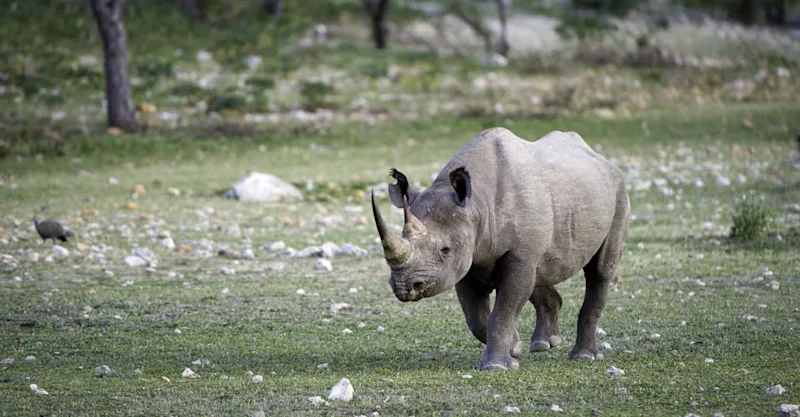
When it comes to the most photogenic – and photographed – mega wildlife, Southern Africa pretty much has it all! As a wildlife destination, the continent has pretty much any storybook wildlife you could ever hope to see in real life.