Nature & Wildlife

1184 stories

  • A Namibia Safari: 5 Wild Places You Won’t Want to Miss

    Dec 11, 2025 · Natural Habitat Adventures

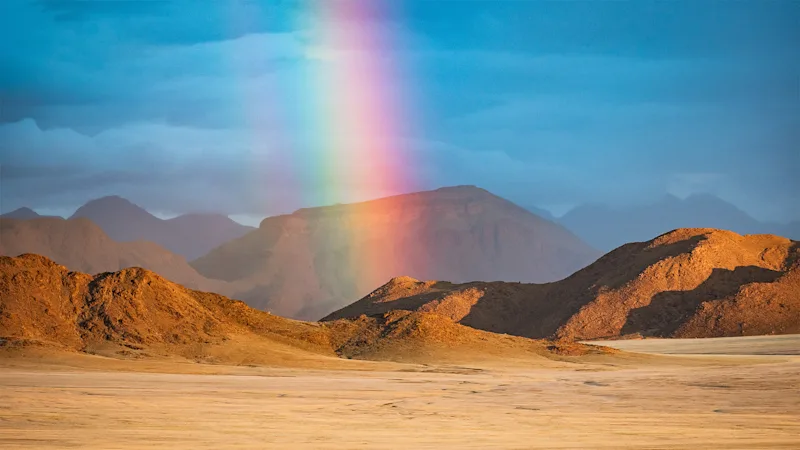
    By Matt Kareus When most travelers think of an African safari, images of the Serengeti’s migrating herds or Botswana’s lush Okavango Delta usually come to mind. Namibia is different. This is a land of vast deserts, rugged beauty and wildlife that has adapted to some of the driest conditions on Earth.
  • Plant Superpowers and Fungi Flexibilities

    Dec 9, 2025 · Candice Gaukel Andrews

    All organisms on Earth are traditionally placed into six kingdoms of life: Animalia (animals), Archaebacteria (bacteria often found in extreme environments, such as hot springs and hydrothermal vents), Eubacteria (true bacteria), Fungi (molds, mushrooms and yeasts), Protista (algae and amoebas) and Plantae (plants).

  • Lives of Yellowstone: From Large to Small; Ancient to New

    Dec 5, 2025 · Candice Gaukel Andrews

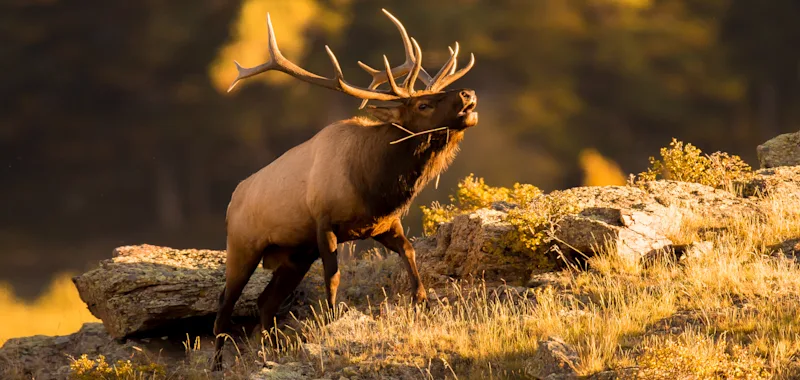
    Large herbivores—such as bison and elk—have continuously lived in the Yellowstone National Park region for at least 2,300 years, according to a new analysis of chemicals preserved in lake sediments. How have they made their livings and survived for so long?

  • Yellowstone & the Grand Tetons: Wildlife, Wildflowers & Hidden Wonders

    Dec 4, 2025 · Emily Goodheart

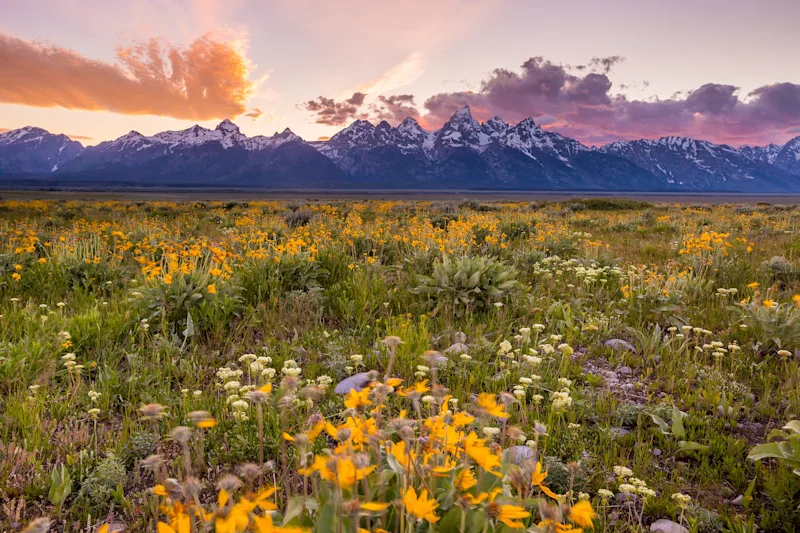
    Bison, pronghorn and elk amble across Yellowstone’s grasslands. Aspens and willows speckle the forests of pine, spruce, fir and juniper, which shelter grizzlies, black bears, coyotes and gray wolves in their depths, along with three cat species: lynx, bobcats and cougars.

  • Biodiversity Comes in Bursts and Goes with Glaciers

    Dec 2, 2025 · Candice Gaukel Andrews

    From birds to flowers, the majority of the Earth’s species stem from a few evolutionary “explosions,” where new habitats or traits sparked rapid diversification. These bursts, in fact, explain most of the planet’s biodiversity. Some of those new habitats were ignited by glaciers.

  • Hot Holiday Travels and Awkward Family Reunions

    Nov 25, 2025 · Candice Gaukel Andrews

    Right now, as you’re probably finalizing your plans for the end-of-the-year holidays, there are some new developments in travel—and family get-togethers—that I think you might find interesting.

  • Tapirs: Nature’s Gentle Gardeners & Where to See Them

    Nov 23, 2025 · Michelle Peters

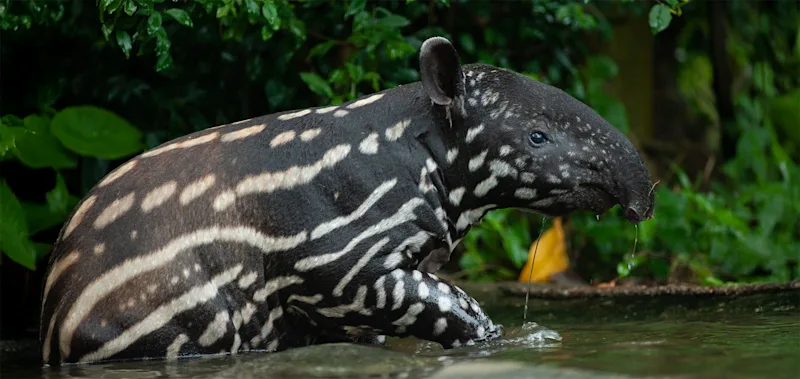
    A spotted lowland tapir calf rustles through the brush among the flat-topped, clustered rock formations, or tepuis, of Serranía de Chiribiquete National Park in central Colombia. He looks a little like a furry watermelon, with his unique blackish-brown color with white stripes and spots.

  • Nature’s Chefs, Dinosaur Drumsticks and Turkey Trots

    Nov 18, 2025 · Candice Gaukel Andrews

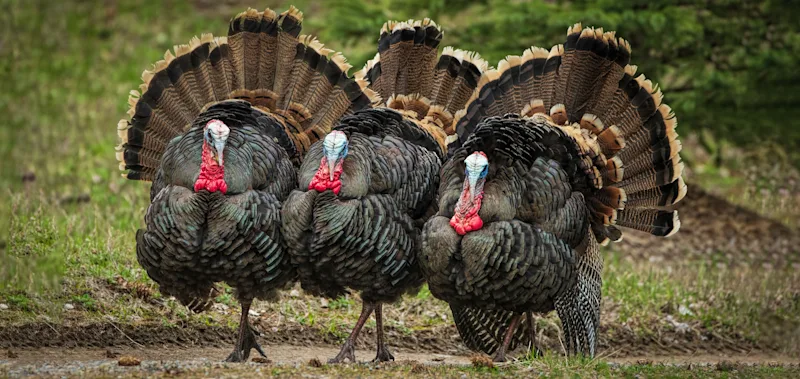
    At the end of the year, many of our holiday celebrations revolve around food, such as a Thanksgiving feast or a Christmas dinner. This food-intensive season reminds me of a new concept in nature studies: “nature’s chefs.” In essence, nature’s chefs are organisms that provide food—or the illusion of food—to other organisms.

  • Why Beluga Whales Migrate to Churchill, Canada, Each Summer

    Nov 16, 2025 · Michelle Peters

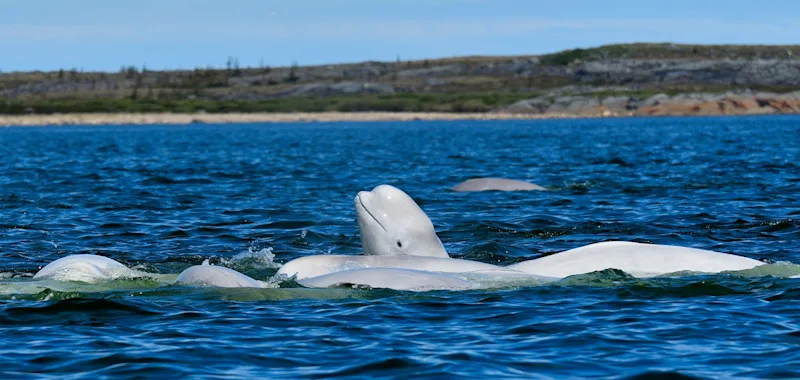
    If you’re a wildlife lover and you hear “Churchill, Canada,” you likely think of polar bears. And you’d be right—after all, Churchill is considered the Polar Bear Capital of the World. But Churchill’s polar bears share the limelight with another fascinating creature, this one aquatic: the beluga whale.

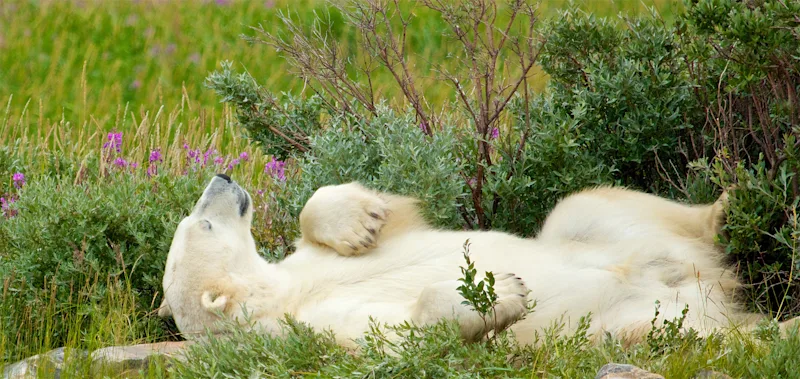
  • Spend an Arctic Summer with Churchill’s Belugas & Bears

    Nov 15, 2025 · Emily Goodheart

    An unparalleled destination for wildlife enthusiasts, Churchill, Manitoba, lies along the migration path of beluga whales, polar bears, caribou and more than 200 species of birds. Experience the “Great Migration” of the North as thousands of beluga whales make their way to the warmer waters of the Churchill River estuary to feed, mate and give birth.

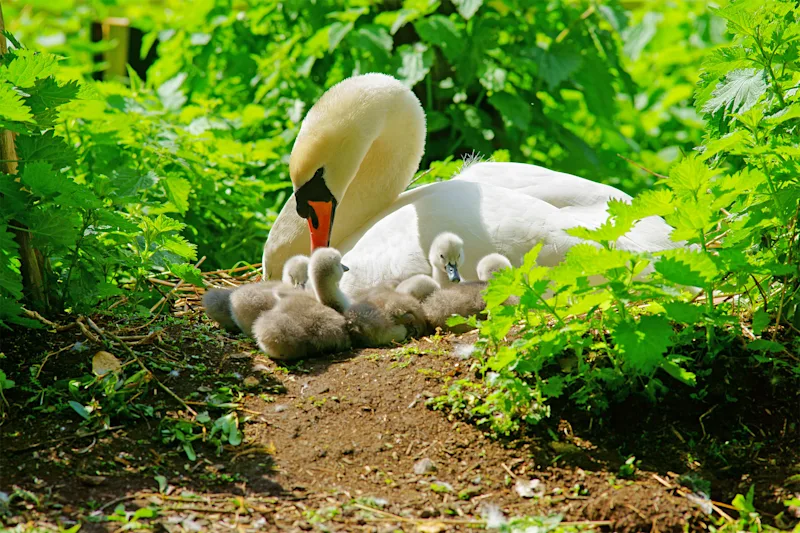
  • Visit the Avian Serengeti in the Heart of the Cotswolds: Slimbridge Wetland Center

    Nov 12, 2025 · Samantha Miller

    Rolling hills, trout-filled streams, and beech forests define the Cotswolds—a pastoral stretch that has nurtured both people and wildlife for centuries. Designated an Area of Outstanding Natural Beauty in 1966, this protected region embodies the timeless connection between rural life and the English countryside.