The Places You’ll Go: Camp Leakey Orangutan Research Center

Where: Deep in the rain forests of Central Borneo in the Tanjung Puting National Park.
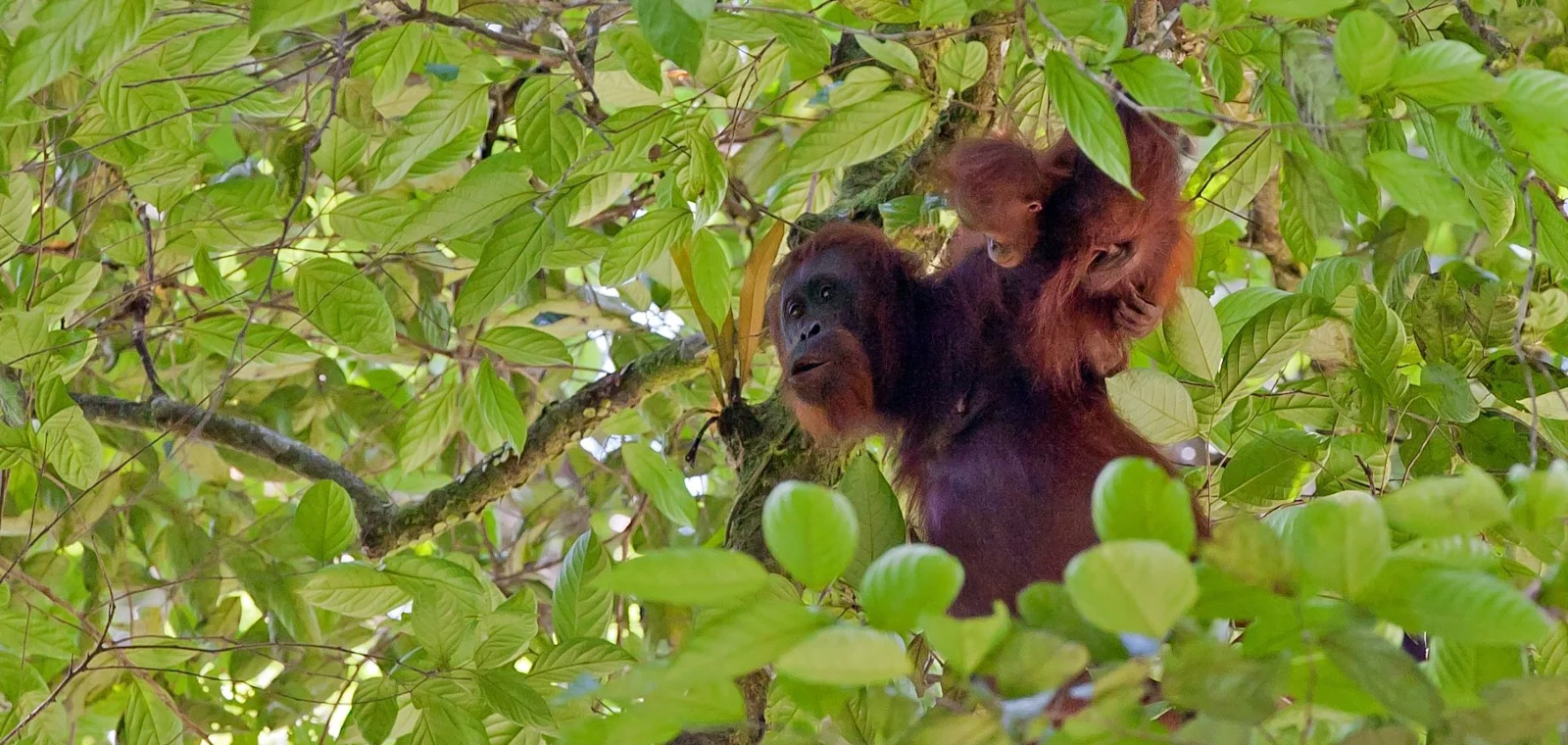
What’s there: A full-service research center where visitors can observe ex-captive orangutans, opens in new tab that have been returned to the wild but are not entirely independent. In the 1970s and 1980s, Camp Leakey also served as a rehabilitation center. Currently, orangutans who need medical or other care after being confiscated from homes, black markets, the entertainment industry or abusive zoos are taken to the Orangutan Care Center, just outside of Tangung Puting. The orangutans you’ll see are the last of those rehabilitated at Camp Leakey, as well as their offspring and possibly wild orangutans as well.
Why it’s notable: Camp Leakey was established by orangutan researcher Biruté Galdikas in 1971. The camp is named for famed paleo-anthropologist Louis Leakey, who funded Galdikas’ orangutan studies. (Leakey also funded Jane Goodall’s work with chimpanzees and Dian Fossey’s mountain gorilla studies.)
Keep your eyes peeled for: You’re almost sure to see orangutans at feeding platforms; camp staff supplements the diet of the free ranging orangutans with fruit. Guides are on hand to offer interpretation, perhaps even Galdikas herself.
Meet more orangutans on WWF and Nat Hab’s The Wilds of Borneo: Orangutans & Beyond trip.