Ten Facts about the African Wild Dog

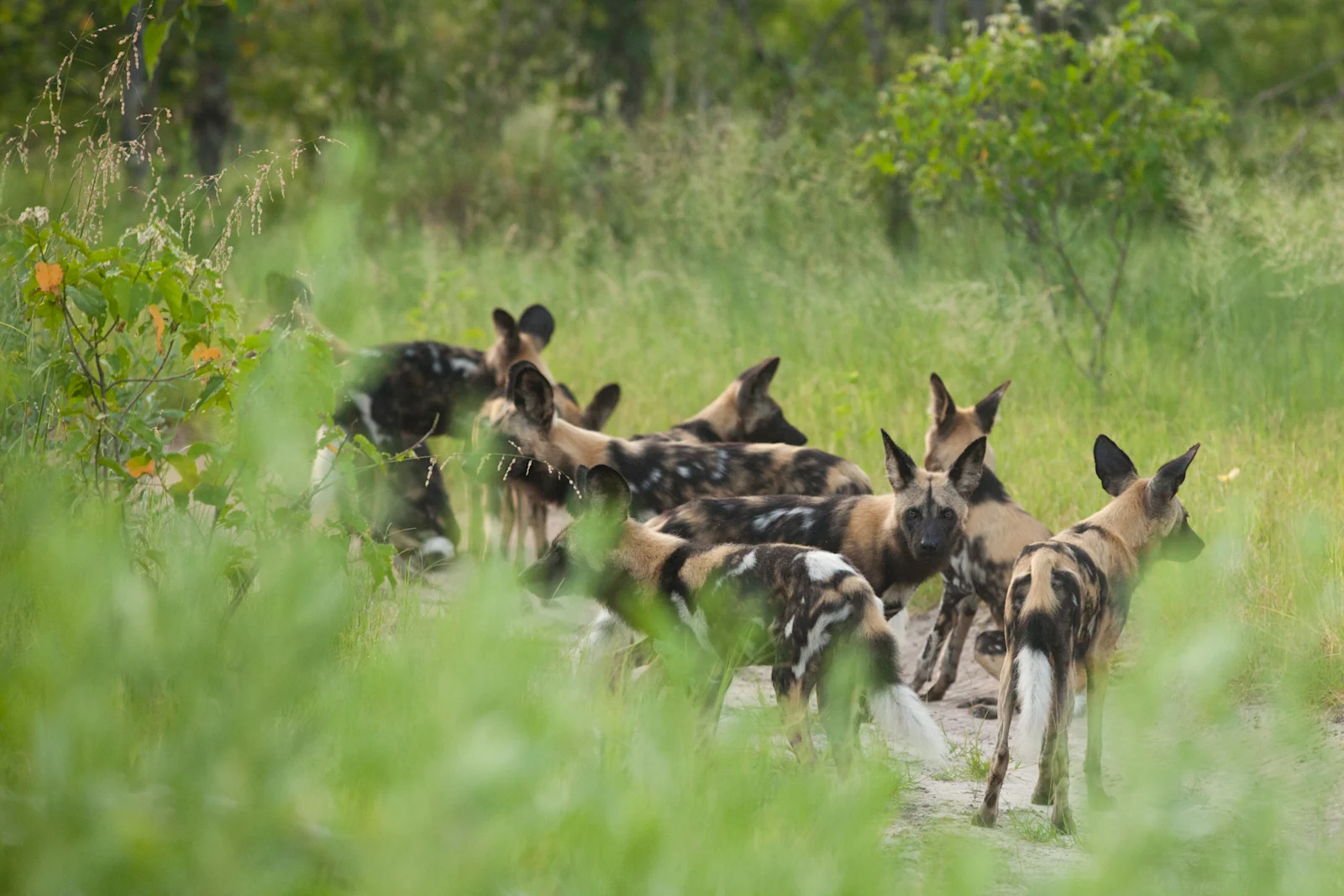
Painted wolf is the meaning behind the African wild dog’s scientific name. But even with such a regal sounding name, these wild dogs don’t get as much respect as they should. Once found throughout sub-Saharan Africa in the hundreds of thousands, the wild dog’s range and population have vastly diminished.
Between 3,000 and 5,500 individuals remain, primarily in eastern and southern Africa. Sadly, farmers often dislike wild dogs, mistakenly blaming them for eating livestock. WWF is working to change the wild dogs’ reputation among local communities.
But we think they’re one of Africa’s most fascinating animals; here are some reasons why:
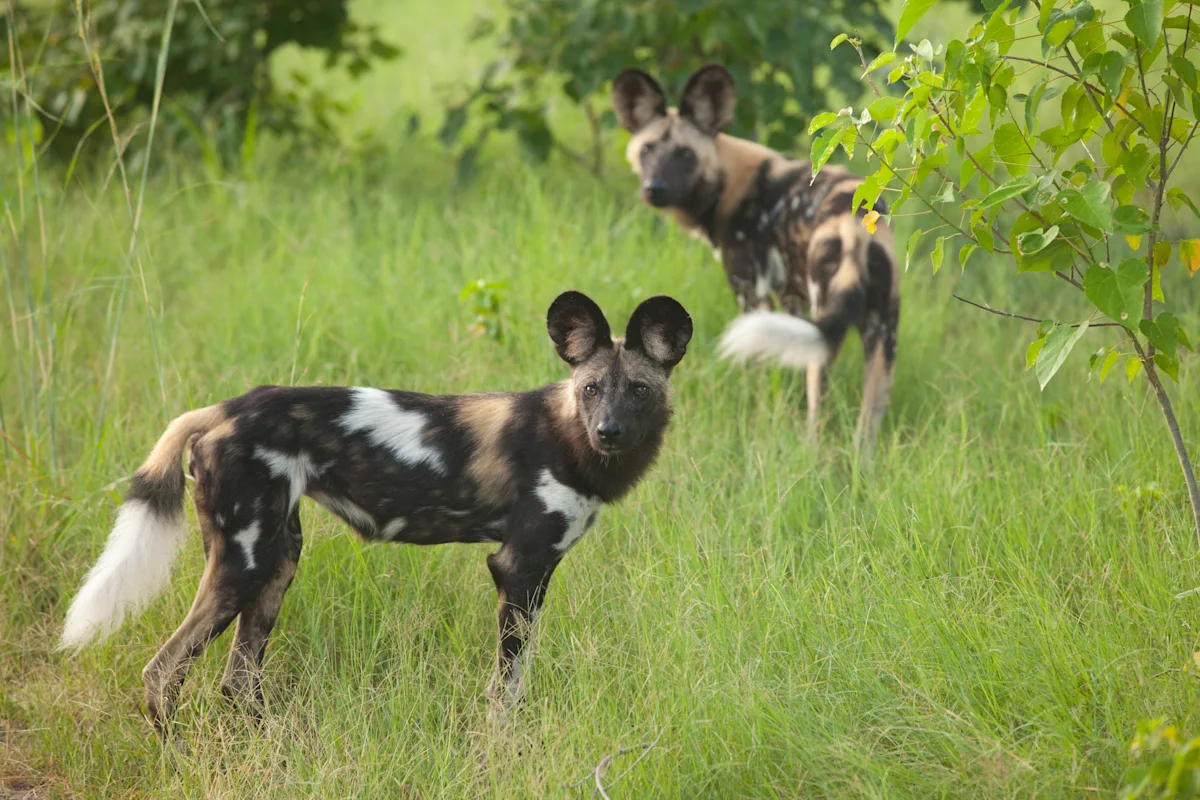
Fact #1: Unlike domestic dogs, wild dogs have long legs, four toes on their front feet and large, rounded ears. Though both species descended from wolves, they are unable to interbreed, and wild dogs can’t be domesticated.
Fact #2: Wild dogs are classified as endangered by the International Union for the Conservation of Nature (IUCN). They are killed by farmers, die from diseases passed on from domestic dogs and get caught in illegal snares set by poachers meant to catch other game. Habitat loss and larger predators also contribute to depleted numbers.
Fact #3: The wild dog is called several other names, including “painted hunting dog” and “cape hunting dog.”
Fact #4: Wild dogs live in tightly knit social groups of between two and 27 individuals. They are strongly bonded. They’ll even look after injured dogs, bringing them food until they recover.
Fact #5: The average wild dog litter consists of 10 pups, the highest number of any canid. Typically, only the dominant male and female breed, and other adults help rear the pups.
Fact #6: Even though they are much smaller than lion and leopards, wild dogs have a higher success rate when it comes to killing prey. Hunting at dawn and dusk, they work as a team and can bring down much larger animals, including antelope and wildebeest.
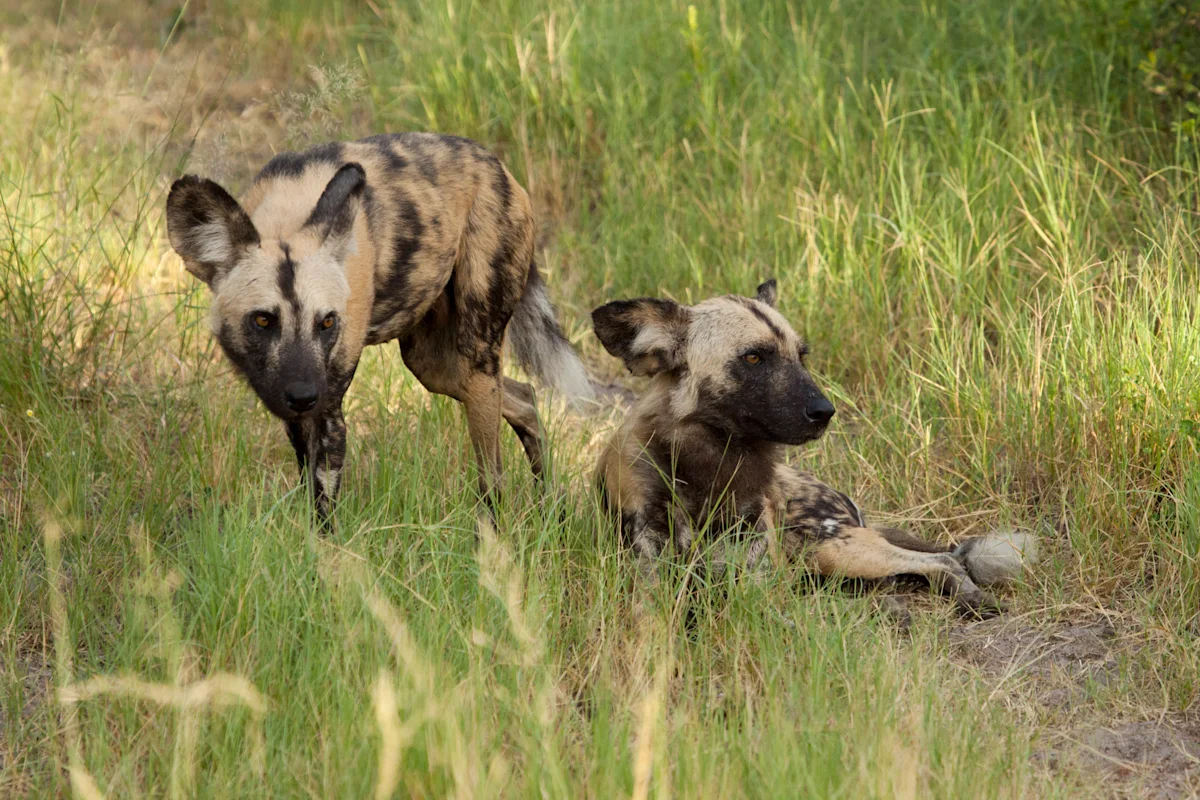
Fact #7: The wild dog’s short hair is in yellow, gray, white and black patches. No two dogs have the same markings and colorations, making it easy for conservationists to identify individuals.
Fact #8: A wild dog’s vocalizations go well beyond that of a domestic dog. They greet each other with twittering and whining sounds, and when one dog has lost the group, it will make an owl-like “hoo” call to find the pack.
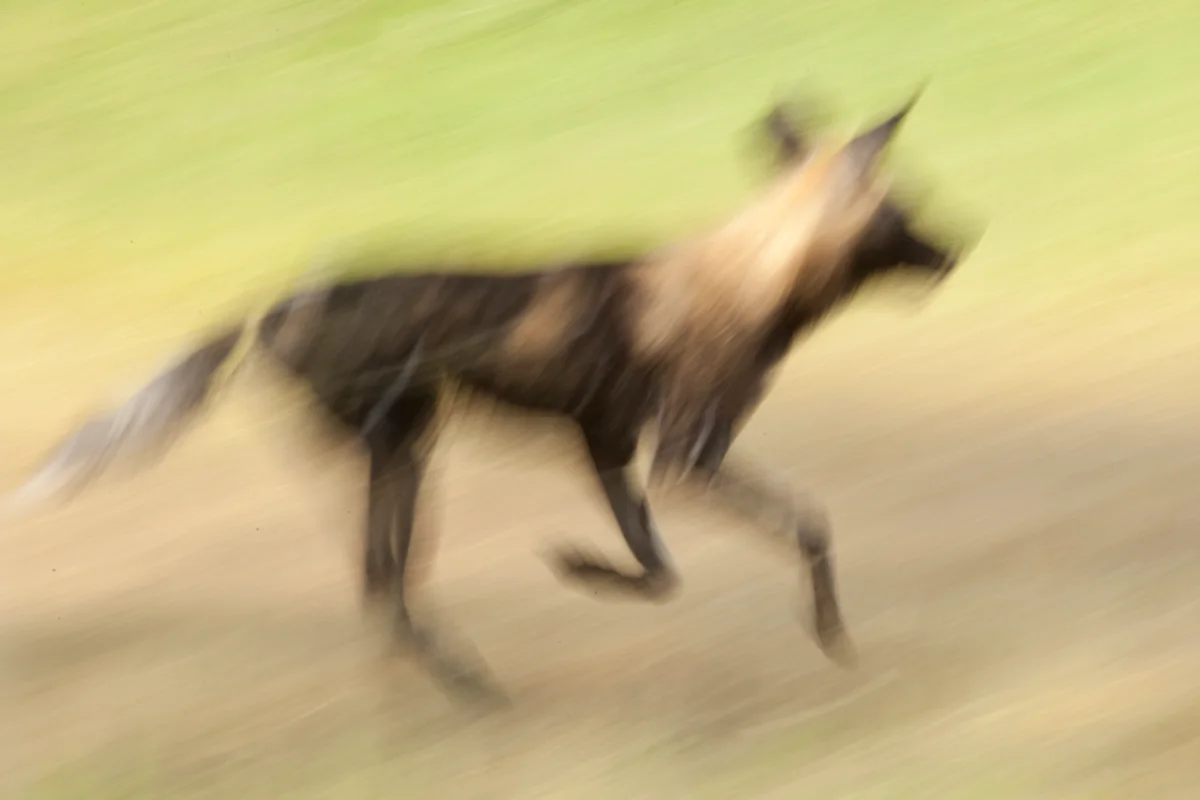
Fact #9: Wild dogs can run more than 44 miles per hour and roam across large areas of more than 770 square miles. They stick closer to their dens when caring for a litter of pups.
Fact #10: WWF is working to protect the wild dog by preserving wildlife corridors between reserves and reducing conflicts with locals.
Look for African wild dogs on an African safari with WWF and Nat Hab.
By Marsea Nelson, WWF Guest Blogger