A Q-and-A on Climate Change in the Arctic with WWF’s Bryn Baker
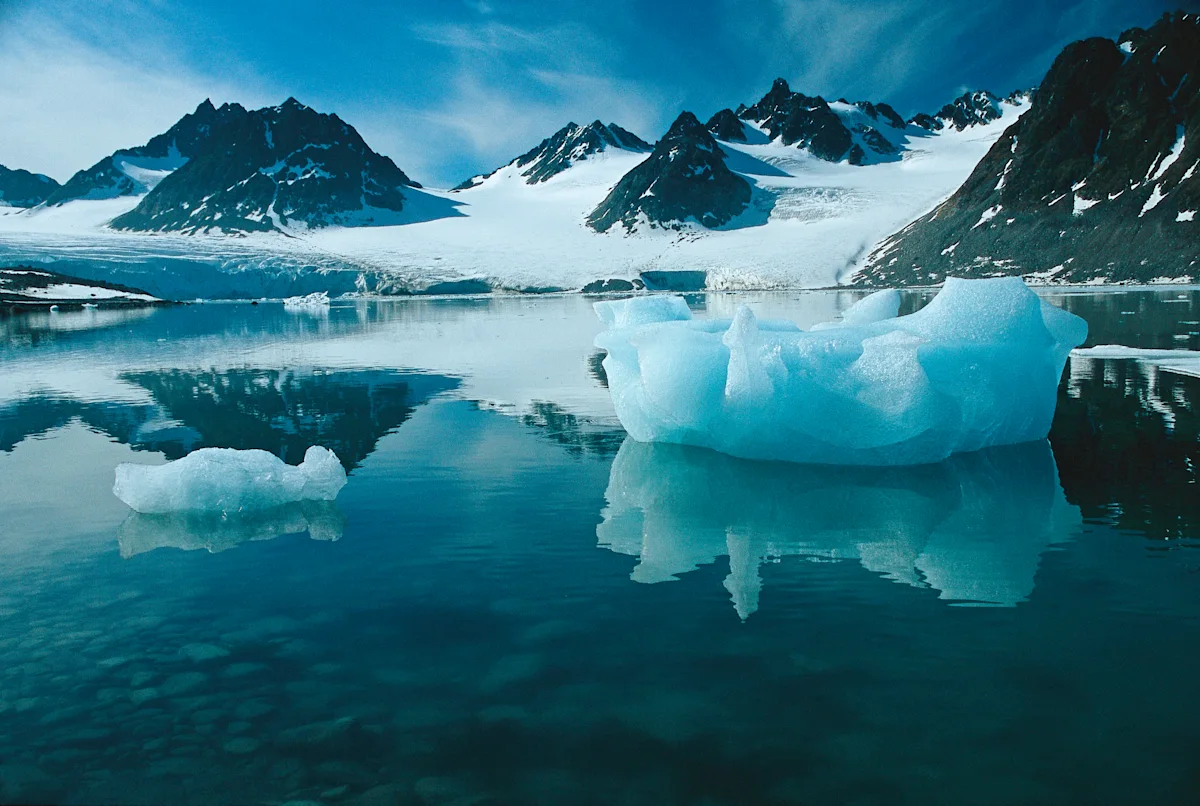
The Arctic, opens in new tab is often thought of as a remote and distant land – far-enough away that it seems improbable that changes there are having an effect on most of us. But what is happening in the Arctic because of climate change is and will affect each and every one of us, no matter where we live, WWF climate change expert Bryn Baker said in an interview with Good Nature Travel.
Q: Most travelers to the Arctic go in the summer. What climate change-related factors could they observe?
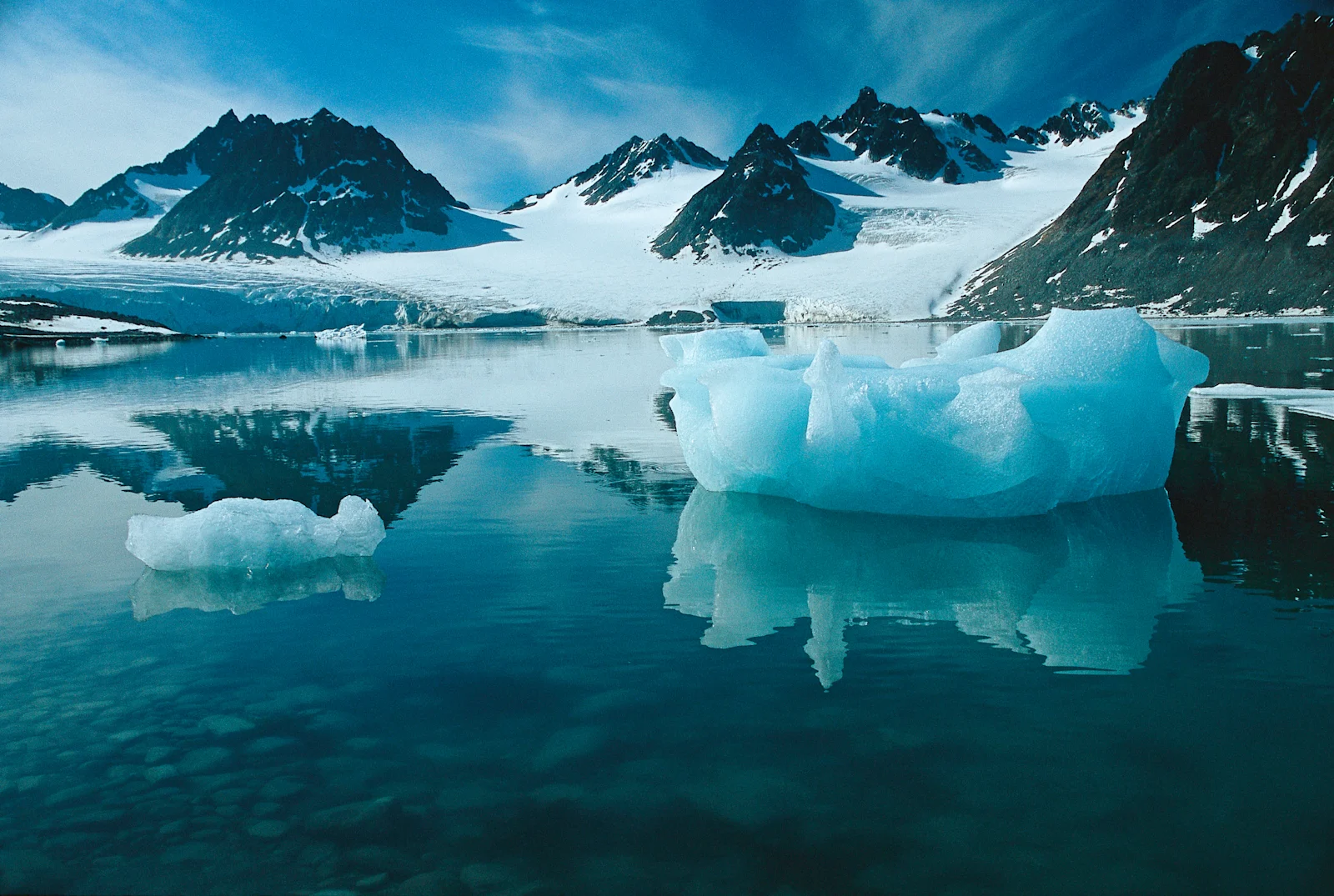
Bryn Baker: Keep your eyes on the sea ice. Summer sea ice is vitally important to a whole range of animals from tiny shrimp to bowhead whales, and to local people. In Svalbard, which is a stop on the Polar Bear Quest voyage I’ll be escorting in June 2013 to lecture on the topic, climate change is having a direct impact on this unique ecosystem.
Polar bears rely on sea ice to hunt and experts predict they could be extinct by the end of this century if summer sea ice disappears completely. A lack of summer sea ice also takes away places for walrus to rest, resulting in dangerous crowding of thousands of animals onto narrow beaches. Thinner ice also means it’s harder for local people to go out on the ice to hunt fish and marine mammals that are staples of their livelihood.
Q: How does this affect the people where I live?
BB: Changes in the Arctic have ripple effects across the globe. I can outline right now three important ways changes in the Arctic affect all of us. First of all, melting of land-based ice sheets is steadily increasing global sea levels. Sea levels have already risen 4 to 8 inches over the last 100 years, and scientists predict global sea levels could rise by as much as 3 feet this century, affecting and potentially displacing hundreds of millions of coastal dwellers, such as in Miami.
Next, the Arctic ice and ocean currents influence weather patterns and regional climates beyond the Arctic. A warmer Arctic is projected to change temperature and precipitation patterns in Europe and North America, affecting agriculture, forestry and water supplies. Already, scientists are making a connection between unusually extreme heat waves and flooding in the Northern Hemisphere with the loss of sea ice in the north.
And lastly, many of the world’s richest fishing grounds that feed the world are in the Arctic. These fisheries are changing as the water warms and could disappear entirely. More severe weather impacted by melting in the Arctic also threatens crops around the world.
Those are just three. There are more.
Q: Is it as hopeless as it sounds?
BB: Climate change is clearly bad news for all of us, including wildlife. But the good news is we can do something about it.
Burning fossil fuels for energy (electricity, heat and transportation) is by far the largest global source of heat-trapping greenhouse gas emissions. The more we burn, the more we load the dice in favor of extreme and changing weather patterns and sea level rise that threatens people and wildlife everywhere. So one of the most important things we can do is to save energy and switch from polluting fossil fuels to renewable energy.
Q: What can ordinary people do to help the Arctic?
BB: Contrary to what you might think, individuals have the power to change, opens in new tab this picture by changing how we produce and use energy. Cost-effective technologies exist today to generate electricity from wind and sun, cars that use less fuel and cleaner fuels, and appliances and buildings that save energy, and you can incorporate them into your life.
Additionally, one of most impactful ways to you can fight the impacts of climate change is to use renewable energy for your home or even encourage your place of work to switch to renewable energy! You can sign up for renewable energy through your utility or check out WWF’s resources, opens in new tab on how to go solar.
These efforts won’t change the long-term state of the Arctic, but they will help start to make a difference.
Q: Should people offset their carbon footprint, especially when they travel?
BB: We know it’s difficult to avoid using transportation that uses fossil fuels that cause climate change – be it cars, planes or trains. In general, it’s better to shrink your carbon footprint first using the tips mentioned above and then use offsets to fill in the gaps where it’s hard to have a direct impact, like travel.
Q: What exactly are offsets anyway?
A: Offsets represent emissions reductions made by a project somewhere else on your behalf. For example, solar and wind power, tree-planting, the collection of methane from landfills and farms, or making other facilities more energy efficient are projects that can all produce “offsets” that you can buy to neutralize your carbon footprint. Supporting offsets helps to add more clean power to grid and support other projects that reduce emissions. But some offsets are more reputable than others.
WWF recommends buying certified offsets, like those that meet the Green-e Climate offset certification standard, opens in new tab, the WWF, opens in new tab-backed Gold Standard, opens in new tab, or the Verified Carbon Standard, opens in new tab.
Q: Will you be offsetting your trip to Iceland and Norway?
A: WWF has a program in place to purchase offsets for all staff travel. My trip will be offset through this initiative.
Join Bryn Baker aboard our voyage “Polar Bear Quest: Iceland to Norway” in June 2014.
Learn more about Natural Habitat Adventures’ carbon-neutral initiatives and carbon offsets.