A New Refuge for the World’s Rarest Cat
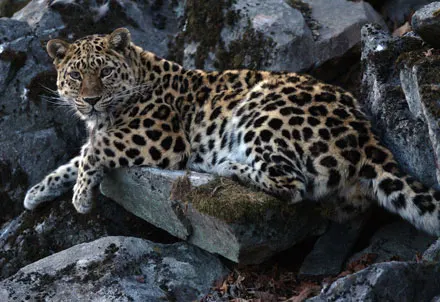
Only 30-35 Amur leopards remain in the wild. Through establishment of a new national park in the Russian Far East, The Land of the Leopard, the World Wildlife Fund and its partners have joined local and national governments and community groups in an urgent effort to save this magnificent species.
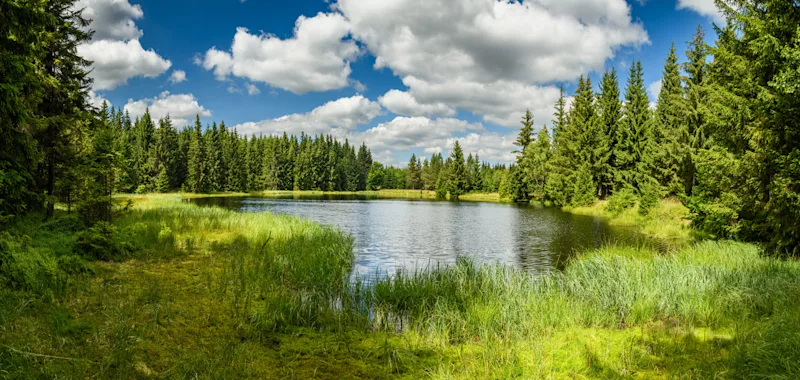
The northernmost of leopards, the Amur inhabits the huge 380 million-acre watershed of the Amur River. Rising near the sacred mountain of Burkan Khaldun in northeastern Mongolia, the river flows along the boundary between Siberia and China’s Heilongjiang Province. Among the Amur leopard’s forest neighbors are Amur tigers, brown bears, musk deer, Oriental white storks, and red-crowned cranes.
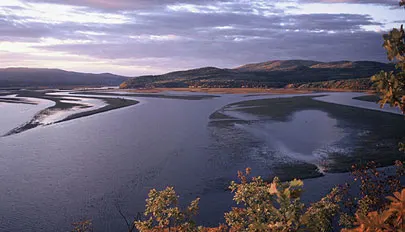
The 650,000-acre Land of the Leopard National Park lies on the less-populated Russian side of the river. Since the leopards pass their breeding areas on to subsequent generations, all of these sites within Russia are included in the park. Various levels of sanctuary are afforded the leopards within the park, from strict protection, to limited human access, to a recreational zone for ecotourism.
The Land of the Leopard National Park now counts among the approximately 100,000 protected areas worldwide that cover nearly 13% of the earth’s land surface. With this new breathing room and careful oversight, the Amur leopard may rebound from the brink of extinction.