

2027 Itinerary
Itinerary
Day 1: Begin in Karen beneath the Ngong Hills
Settle into a boutique inn in the historic Karen district, named for Out of Africa author Karen Blixen
Join your Photo Expedition Leader for a welcome dinner and preview of the photographic opportunities ahead
Our Kenya Migration Photo Expedition begins in Nairobi, the country's capital and traditional jumping-off point for most safaris. Transfer to our boutique inn in the tranquil suburb of Karen on the outskirts of the city, a setting at the foot of the Ngong Hills immortalized in Isak Dinesen's famous memoir Out of Africa. This evening, enjoy a welcome dinner with our Expedition Leader who offers a preview of the many photography adventures that lie ahead.

Day 2: Photograph wildlife in Nairobi National Park beneath the city skyline
Capture images of black rhinos, lions, cheetahs, giraffes and other wildlife
Look for some of the park’s more than 400 bird species
Receive personalized photography guidance tailored to your experience and goals
After breakfast, head out with our Expedition Leader for our first wildlife photography opportunity, a morning game drive in nearby Nairobi National Park. Designated as a protected reserve by the British colonial government in 1946, this 45-square-mile park on the outskirts of the city is home to black rhino, lion, leopard, cheetah, hyena, buffalo, giraffe and diverse birdlife, with more than 400 species recorded. During these introductory wildlife photo sessions, our Expedition Leader will ascertain interests, aspirations and level of photography experience, in order to provide the personalized coaching that is the hallmark of a Nat Hab Photo Expedition.
Days 3 to 5: Photograph elephants from Nat Hab’s Elephant Conservation Camp
Document rescued calves during an exclusive behind-the-scenes visit to Reteti Elephant Sanctuary
Meet the Samburu caretakers pioneering a community-led conservation model
Search for elephants, reticulated giraffes and other northern Kenya wildlife on game drives and guided walks
Fly by chartered aircraft to the Namunyak Community Conservancy in the heart of Kenya’s northern frontier. Backdropped by the dramatic Mathews Range, this land is home to the Samburu people, semi-nomadic pastoralists who have raised livestock here for centuries while coexisting in harmony with the region’s striking wildlife. Namunyak is one of Kenya’s most pristine wilderness areas and a critical refuge for many wildlife species, including important northern populations of reticulated giraffe, gerenuk, leopard, African wild dog, impala lion, greater kudu and many different birds. The conservancy is particularly important for elephants as they move seasonally between the Mathews Range and the Ngare Ndare Forest near Mount Kenya, a route they have used for decades.
Our base for daily photography adventures is Nat Hab’s Elephant Conservation Camp, where seclusion, comfort and exceptional service are hallmarks of this exclusive location. During our stay, we'll make a private visit to the Reteti Elephant Sanctuary, the world’s first such enterprise owned by Indigenous community members. The sanctuary was designed to rescue and release orphaned and abandoned elephant calves while creating much-needed benefits for the local people that live alongside them—inspiring them to recognize the intrinsic value of nature and protecting local wildlife for its benefit to their own well-being.
We have the rare opportunity for behind-the-scenes photography as we meet the dedicated local caretakers and witness firsthand how Reteti is transforming elephant conservation. Document it all as we photograph feeding time, learn the elephants’ individual stories, and support a model of conservation that uplifts both wildlife and the surrounding Samburu community. We’ll also get exciting photos on game drives and guided bush walks as we look for roaming elephants and other wildlife, punctuated with peaceful interludes at camp. The entire experience offers a soulful connection to northern Kenya’s people, animals and landscapes—one that few photo safaris offer.

Days 6 to 9: Capture images of wildebeest crossings & stay at Nat Hab’s Migration Camp
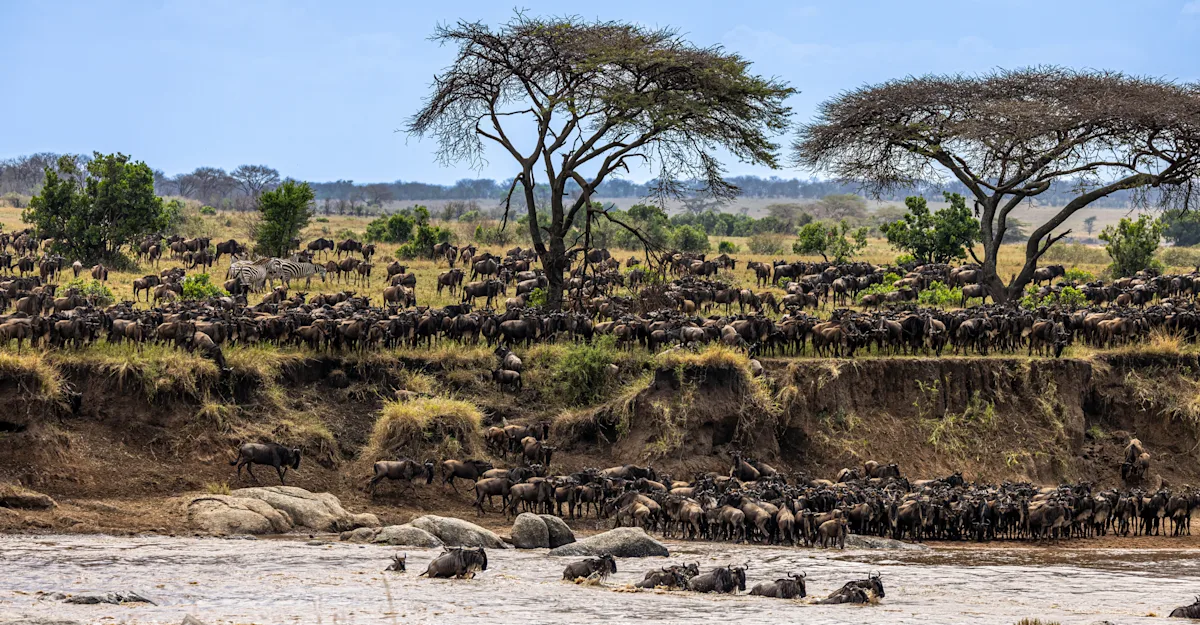
Photograph the Great Migration and the predators following the herds
Search for lions, elephants, giraffes, zebras and other wildlife across the Maasai Mara
Choose an optional sunrise hot air balloon flight for aerial views of the savanna
Today we will fly to the Maasai Mara National Reserve for another exhilarating vantage on the wildebeest migration. The reserve is named for the Maasai tribespeople, the traditional inhabitants of the area who still graze cattle here, and the Mara River that runs through it. The Mara is the northern portion of the Serengeti Plains, and we find excellent wildlife viewing in these endless grasslands.
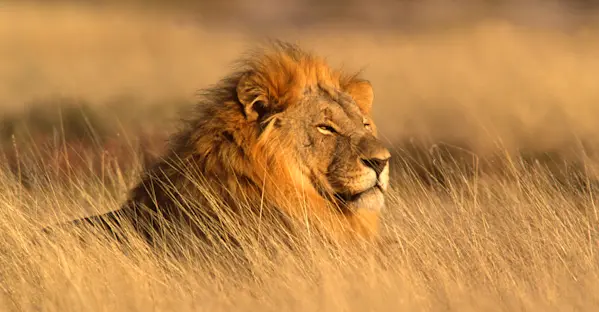
Nat Hab's Migration Camp, our private luxury mobile outpost, enjoys an exclusive setting near the Mara River where wildebeest cross during the migration. Deluxe canvas tents are situated in secluded spot, with ample trees providing shade from the midday sun. Located in a wildlife hotspot, our campsite also provides easy access to the rest of the reserve, including the main river systems. Wildlife drives take us among myriad plains game—not only the thundering herds of thousands of wildebeest and their zebra companions, but also gazelle, impala, hartebeest, topi and giraffe. Predators follow in close pursuit, and the Mara is especially famed for its lions—we may see them hunting in the early morning or evening or resting beneath acacia trees in the heat of the day. Hyenas also patrol the plains in some of the largest numbers in Africa. Optional hot air balloon safaris with a champagne breakfast upon landing are also available (additional cost) during our stay at Nat Hab's Migration Camp.

Day 10: Return to Nairobi after your Kenya photo safari
Fly to Nairobi and relax in a day room before your international departure
Gather for a farewell meal celebrating your safari
Fly back to Nairobi today, where day rooms await for refreshment and relaxation. Later, we'll share a farewell meal to close our Kenya photo safari before outbound evening flights.