Where Kings Once Ruled: Wildlife of Sri Lanka’s Ancient City of Polonnaruwa

Hailed as one of the most well-preserved ancient cities in the world, Polonnaruwa served as Sri Lanka’s capital for nearly three centuries. Now, the city’s ruins play host to tourists—and a famous troop of monkeys.
History of Polonnaruwa
The island nation of Sri Lanka—the “pearl of the Indian Ocean”—sits just off the southeastern tip of India. At approximately 25,332 square miles, it’s about the size of West Virginia. But despite its small stature, Sri Lanka is one of the most biodiverse places on Earth. In fact, it’s one of only 36 biodiversity hotspots in the world, as designated by Conservation International, opens in new tab.
Polonnaruwa, which is situated about 40 miles inland from Sri Lanka’s eastern coast, became the country’s capital in the early 11th century. The city changed hands in 1070, when the Sinhalese Resistance overthrew the ruling Chola dynasty. A succession of kings ruled Polonnaruwa for the next century and a half, building the city into a thriving commercial and religious hub with monumental palaces and shrines, manicured parks and gardens, and the Parakrama Samudra (Sea of Parakrama), an enormous reservoir that provided both water and protection to the city’s inhabitants.
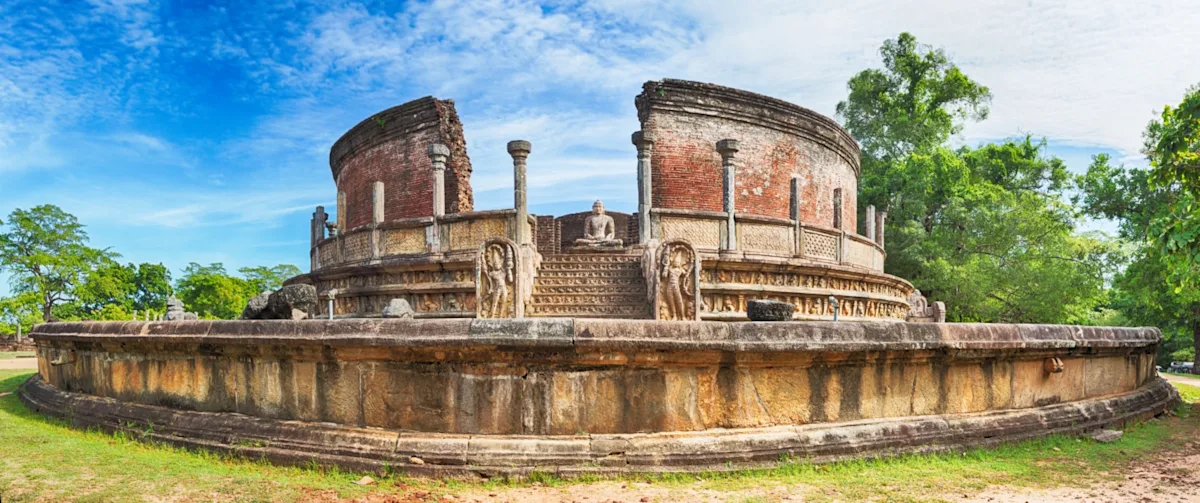
Polonnaruwa’s era of prosperity ended in the mid-13th century with a series of civil wars and invasions, and the city was eventually abandoned and overtaken by jungle. The Ancient City of Polonnaruwa remained hidden for centuries, until it was finally rediscovered in the mid-1800s and declared a UNESCO World Heritage Site in 1982, opens in new tab.
Wildlife of Polonnaruwa
Polonnaruwa is a popular destination for visitors due to its well-preserved ruins and abundant wildlife—the most famous being a troop of toque macaques. Where Sinhalese kings once ruled, this group of primates now holds sway.
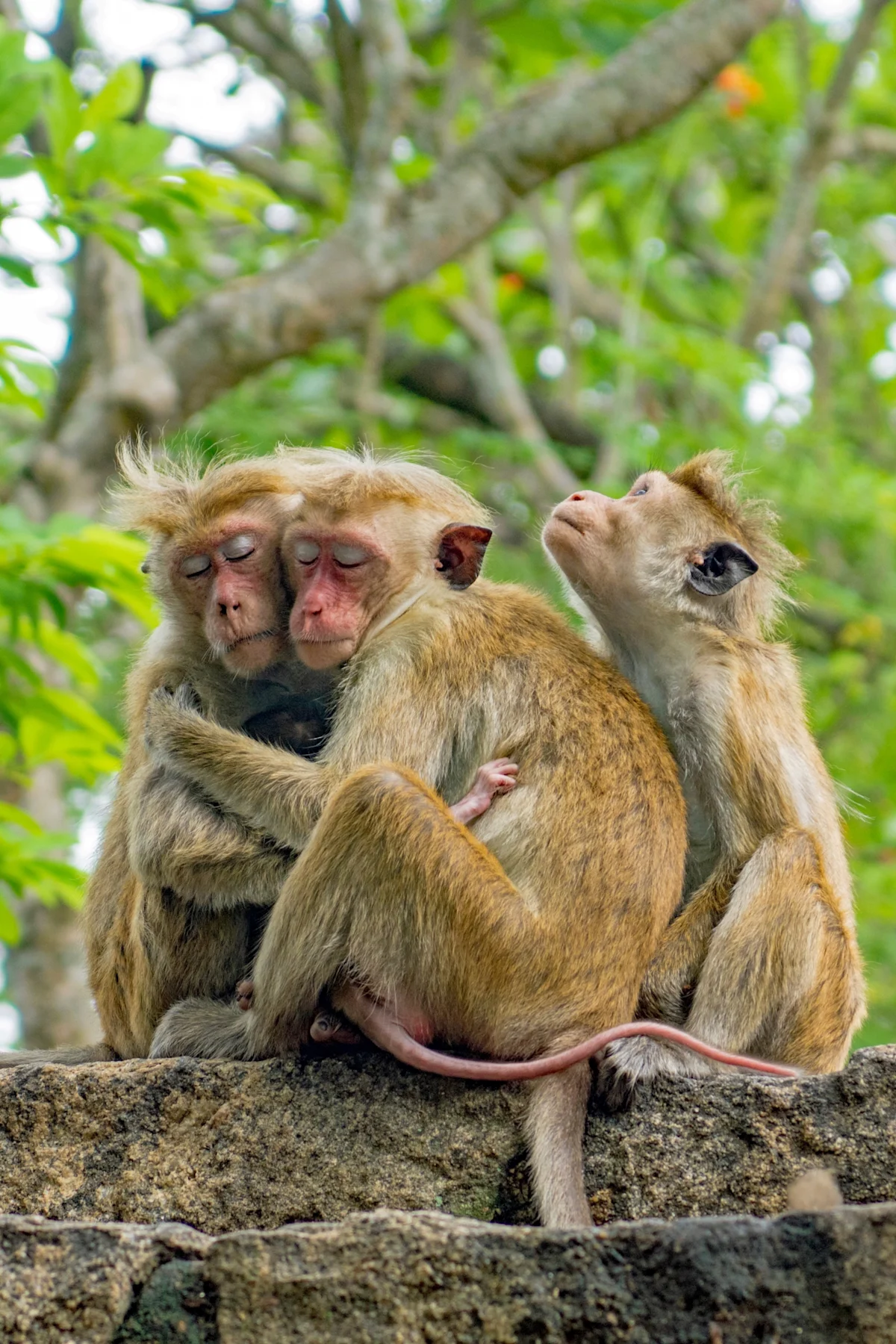
The macaques (known locally as rilewa or rilawa) have been the subject of numerous nature documentaries, including BBC’s “The Temple Troop,” Animal Planet’s “Dark Days in Monkey City” and Disney’s “Monkey Kingdom.” They’re also part of the longest-running study of primates in the world, opens in new tab, headed by primatologist Wolfgang Dittus of the Smithsonian Primate Research Station. Dittus has been observing the toque macaques since 1968!
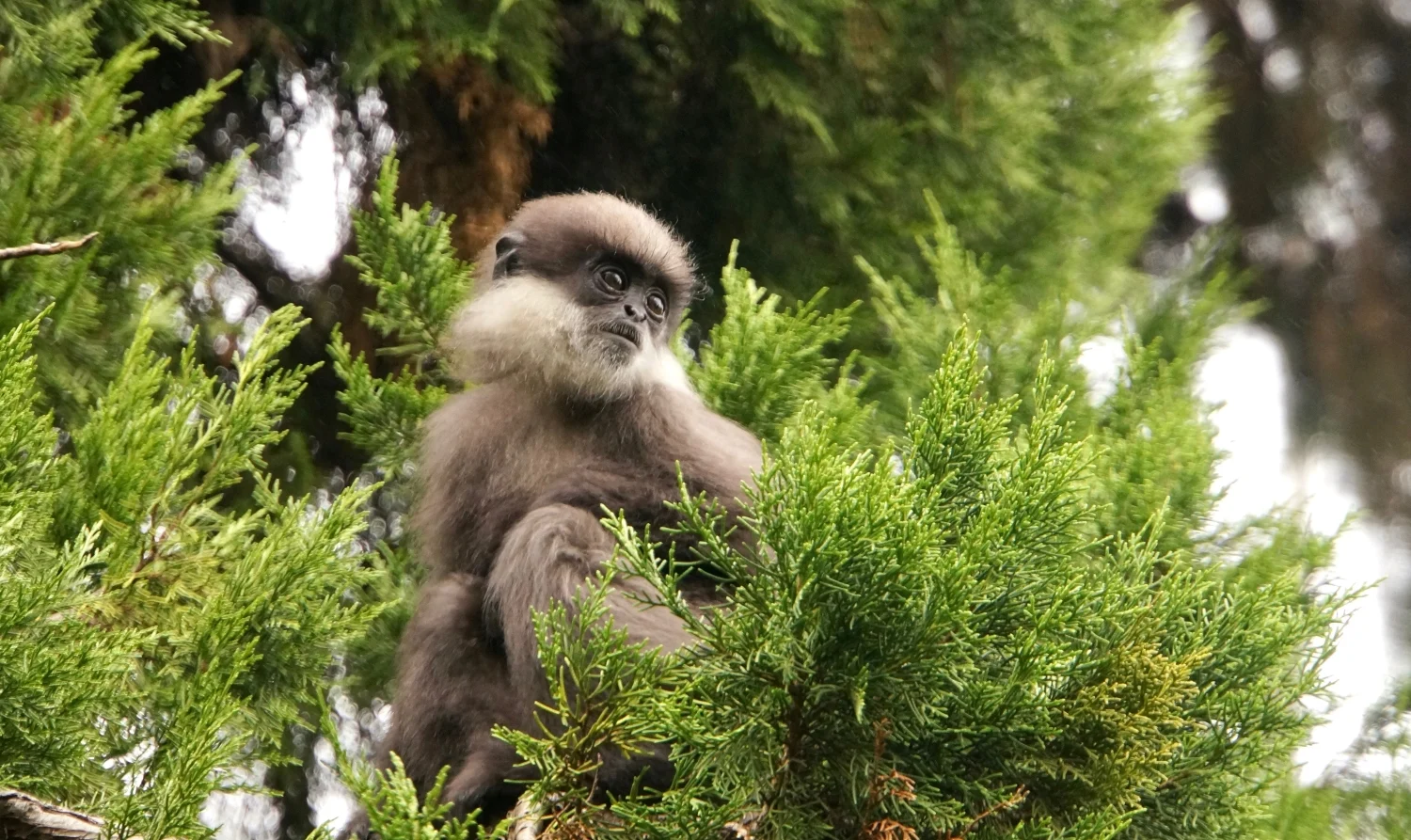
Although the macaques may get the most screen time, they’re not Polonnaruwa’s only primate residents. The ancient city is also home to gray langurs, canopy-dwelling purple-faced langurs (also called purple-faced leaf monkeys) and nocturnal slender lorises.
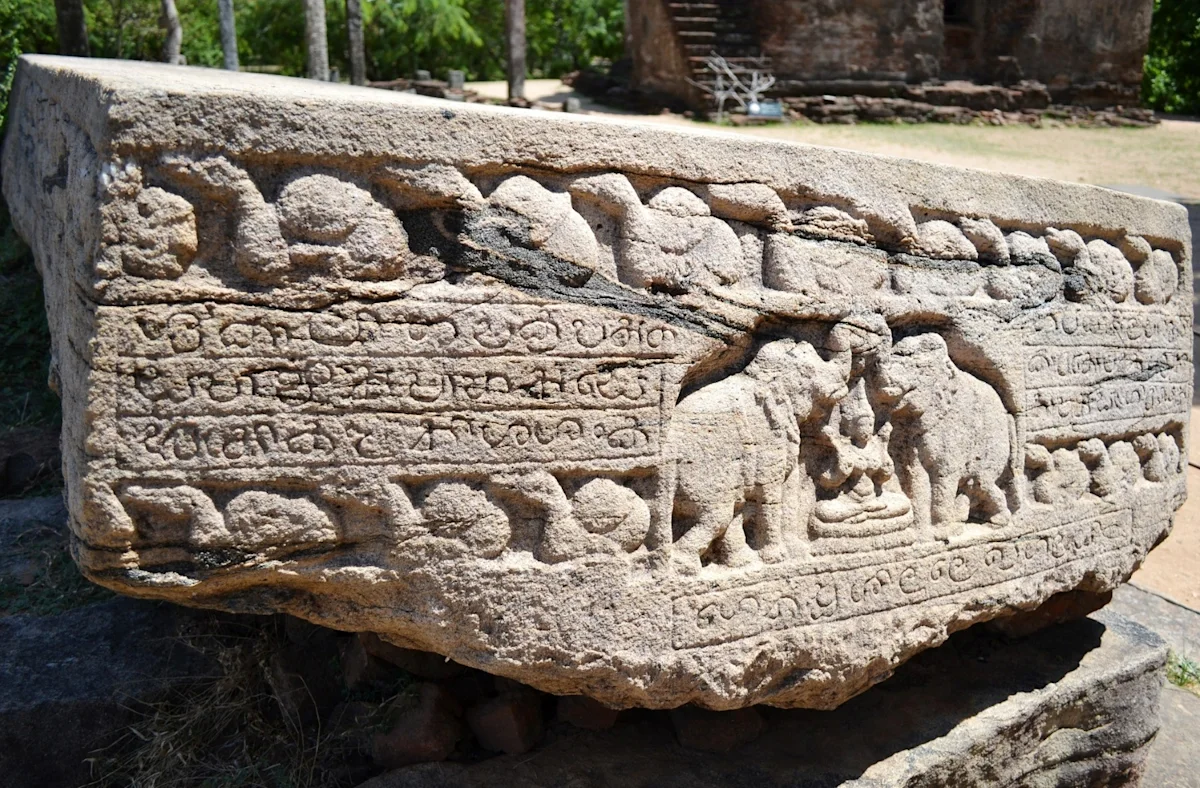
In addition to primates, visitors to Polonnaruwa can hope to see mouse deer, mongoose, giant squirrels, civets, flying foxes, porcupines, water monitors, star tortoises, geckos, frogs and toads. There are dozens of species of butterflies and birds, and even the occasional Sri Lankan elephant. At the very least, you can snap a photo of one of the pachyderms carved into the ruins of the Royal Palace’s Audience Hall.
On our Sri Lanka wildlife safari, your small group will explore the ruins of Polonnaruwa accompanied by a primate researcher who can offer insight into the animals’ unique behavior. You’ll also take a private cruise from Mirissa Harbor to search for blue whales (the largest animal on the planet!), look for leopards and sloth bear in beautiful Yala National Park, and climb into the clouds above the rainforest to the rock fortress of Sigiriya.