When Animals Gather, Our Language Gets Lyrical

When we get together to appreciate the arts, for political purposes, for social interactions or simply for support, we can be called, among other things, an audience, a band, a bunch, a cohort, a crowd, a group, a mob or a troupe.
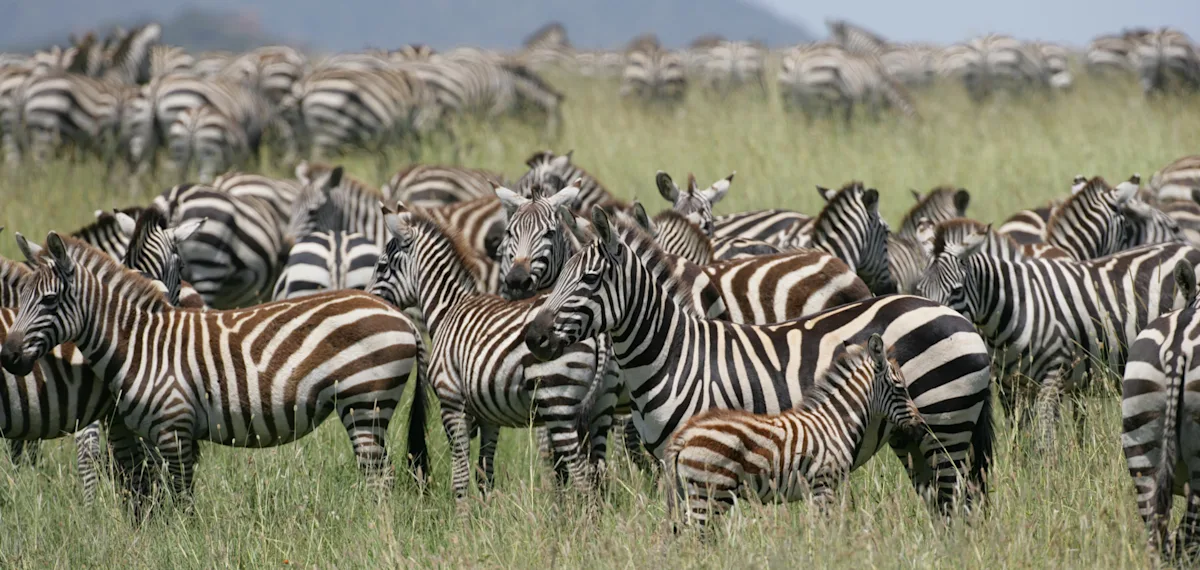
But it seems we get extremely creative with our language when we describe nonhuman animals that cluster. From a “shrewdness of apes” to a “zeal of zebras,” we have come up with some inspired and inventive terms for the gatherings of beings who share our planet.
Such an imaginative vocabulary used to label these plural “others” makes me happy. It shows that we have taken some time to consider our fellows in the animal kingdom and have chosen to bestow upon them a richness of our words. Even the more derogatory terms—such as a “conspiracy of lemurs” or an “unkindness of ravens”—reveals, at least, contemplation for the neighbors that share our environment.
While in our everyday conversations, we may refer to owls, plovers or starlings by the word flock and not by the expressions of parliament, congregation or murmuration, they are officially listed in the Oxford Dictionary., opens in new tab
Below, you’ll find just some of the strangest and most oddly beautifully names we have for groups of animals.
Amphibians and reptiles
• Cobras: a quiver
• Crocodiles: a bask
• Frogs: an army
• Salamanders: a maelstrom
• Toads: a knot
• Turtles: a bale or a turn
Birds
• Bobolinks: a chain
• Blackbirds: a cloud, a cluster or a merle
• Buzzards: a wake
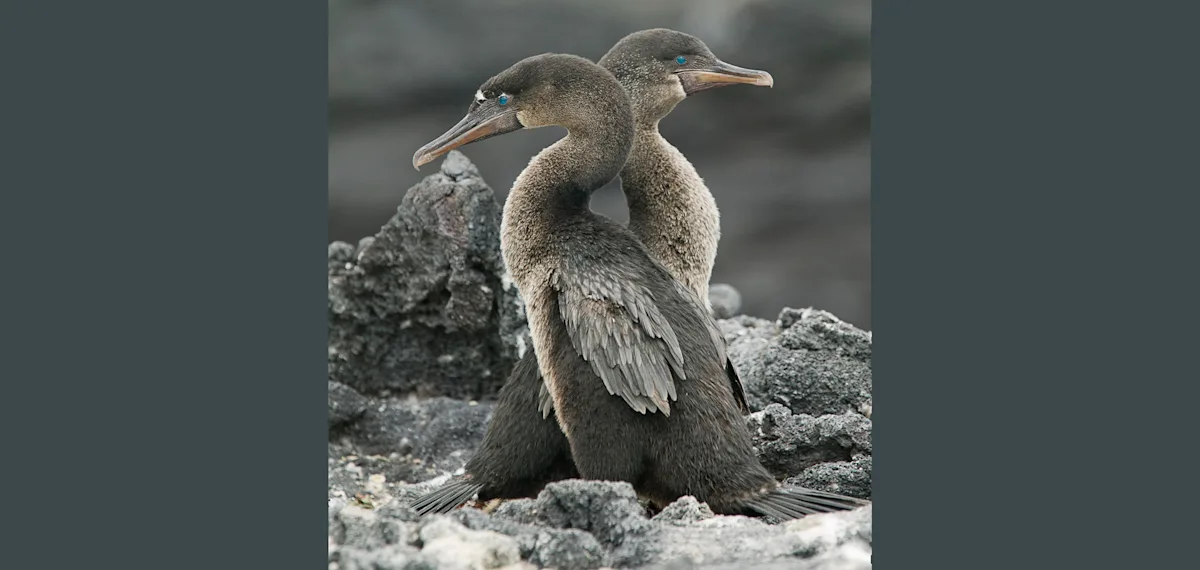
• Cormorants: a gulp
• Crows: a murder or a horde
• Doves: a dule (or a dole) or a pitying (specific to turtledoves)
• Ducks: a paddling (on the water)
• Dunlins: a fling (in flight)
• Eagles: a convocation
• Falcons: a cast
• Finches: a charm
• Flamingos: a stand
• Geese: a gaggle (on the ground), a skein (in flight) or a wedge (in V formation in flight)
• Hawks: a cast or a kettle (riding a thermal)
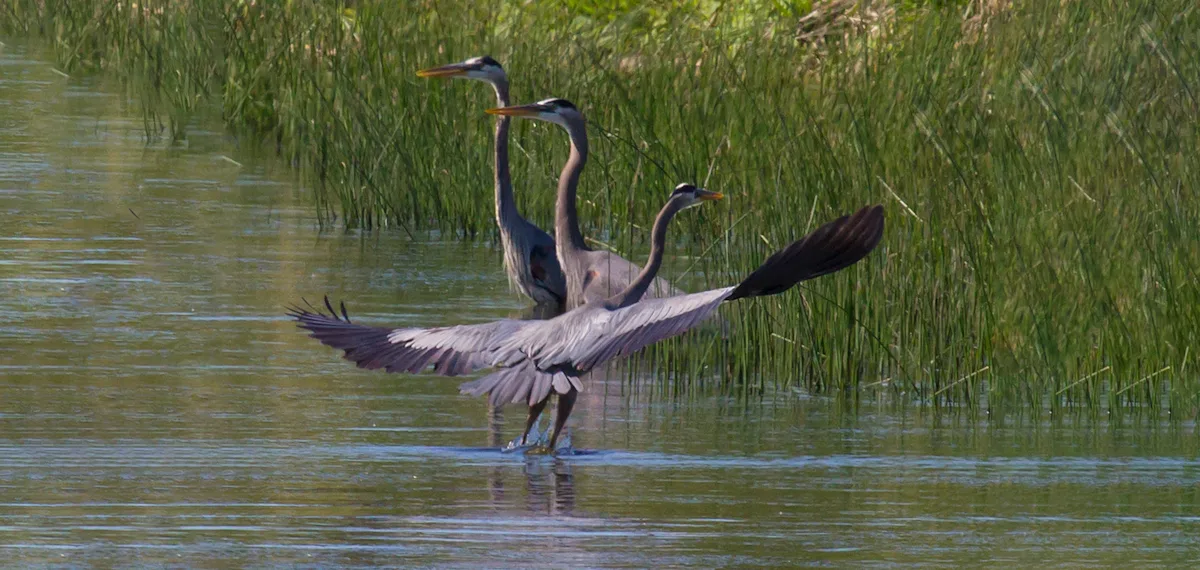
• Herons: a siege
• Jays: a party
• Lapwings: a deceit
• Larks: an exaltation
• Mallards: a sord (in flight)
• Magpies: a tiding
• Nightingales: a watch
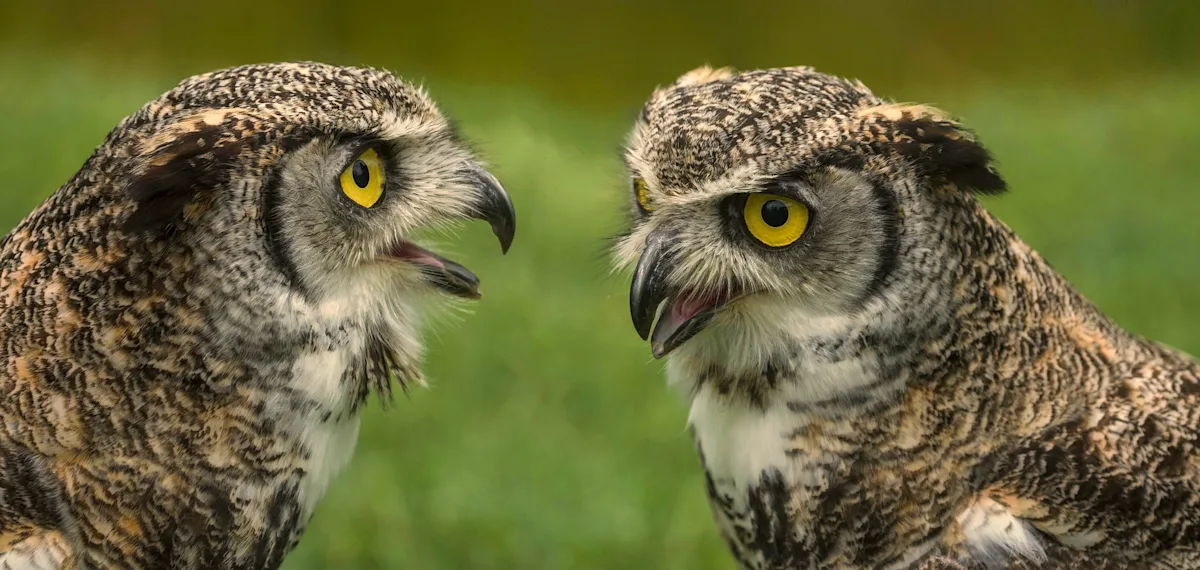
• Owls: a parliament
• Parrots: a company or a pandemonium
• Partridges (or Grouse or Ptarmigan): a covey
• Peacocks: an ostentation
• Pelicans: a pod
• Penguins: a parcel
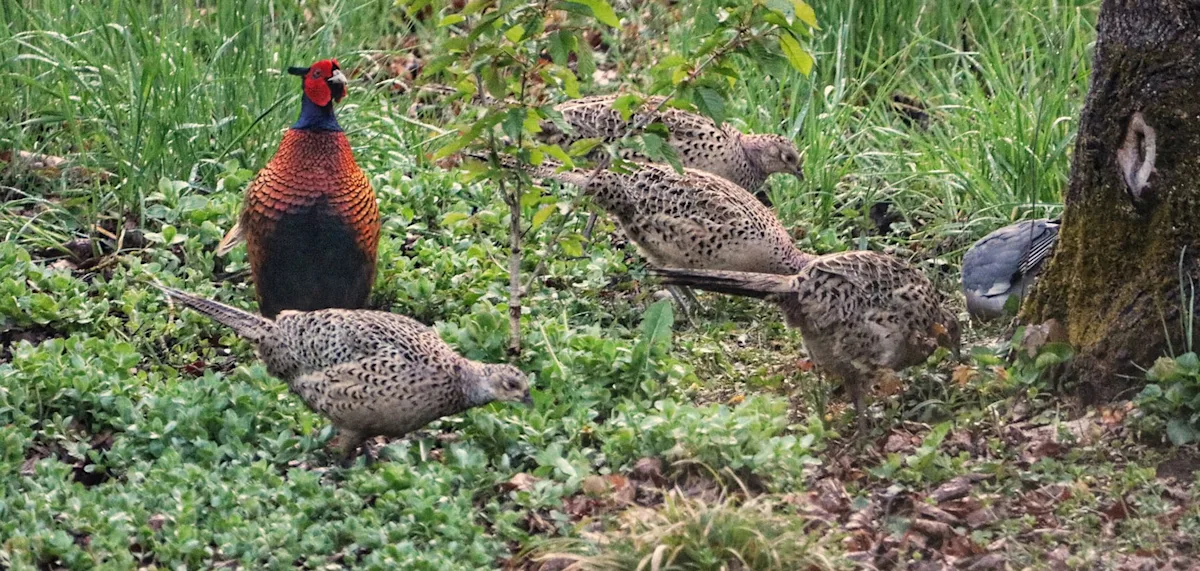
• Pheasants: a nye (on the ground) or a bouquet (when flushed)
• Pigeons: a kit
• Plovers: a congregation or a wing (in flight)
• Rooks: a building
• Raptors: a cauldron
• Ravens: an unkindness
• Snipes: a walk or a wisp
• Sparrows: a host
• Starlings: a murmuration
• Storks: a muster
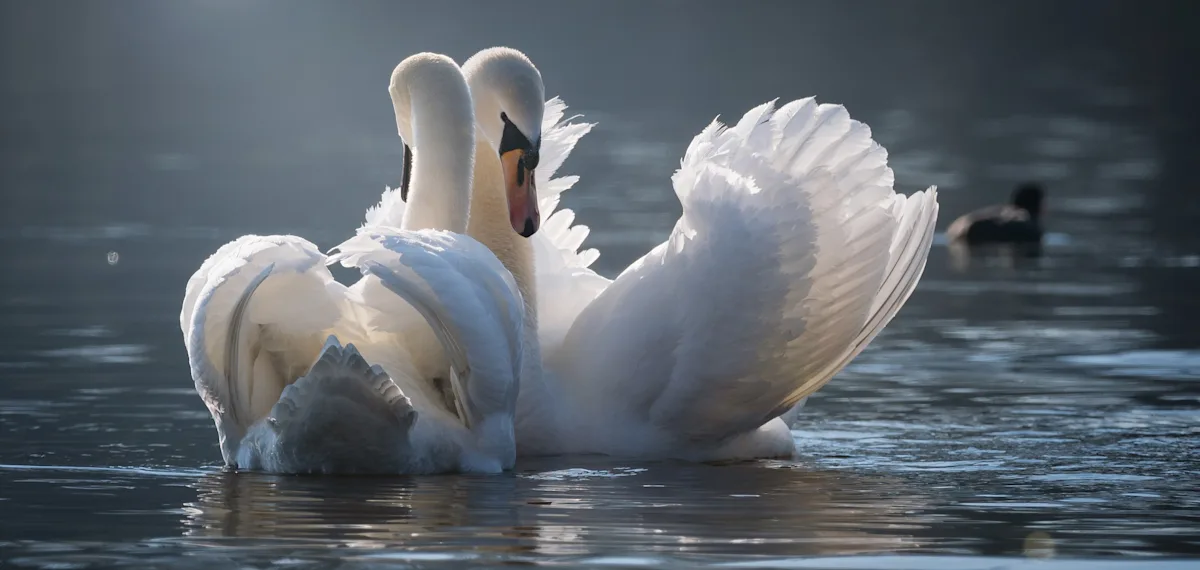
• Swans: a whiteness
• Teal: a spring
• Widgeons: a trip
• Woodcocks: a fall
• Woodpeckers: a descent
Fish
• Herring: an army
• Sharks: a shiver
• Trout: a hover
Invertebrates
• Bees: a drift, an erst, a hive or a swarm
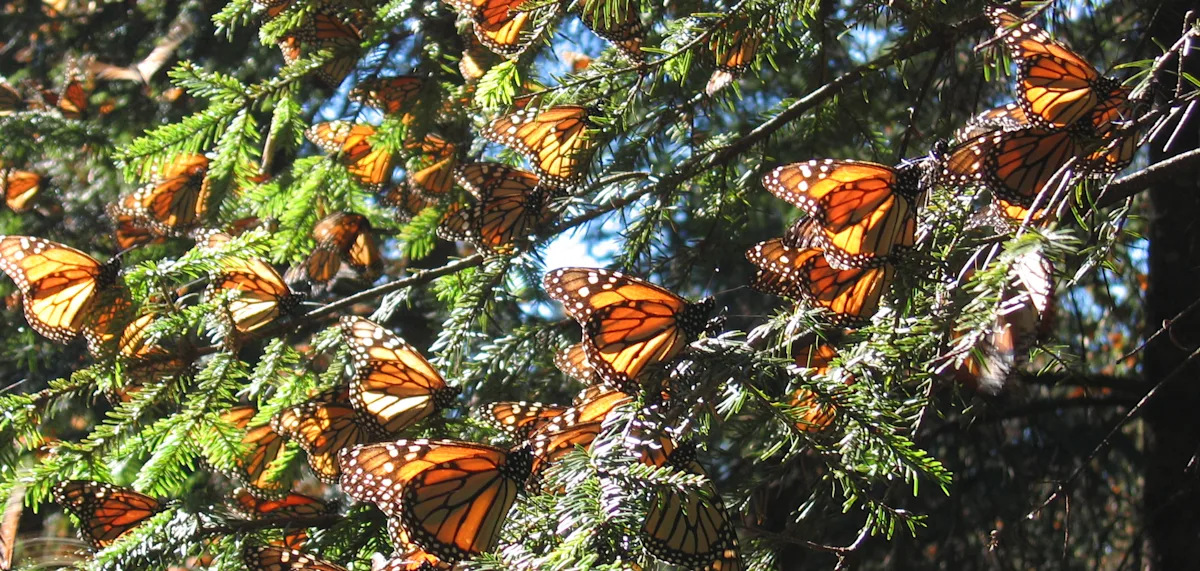
• Butterflies: a kaleidoscope, a rabble or a swarm
• Caterpillars: an army
• Clams: a bed
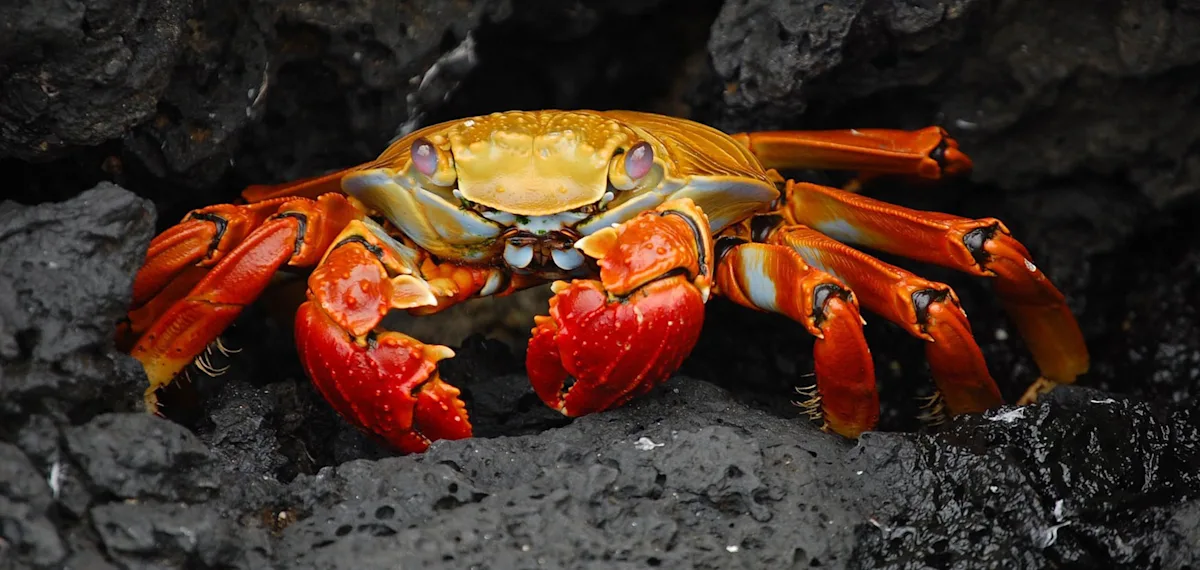
• Crabs: a consortium
• Cockroaches: an intrusion
• Flies: a business
• Jellyfish: a fluther or a smack
• Lobsters: a risk
• Oysters: a bed
• Snails: a hood
• Squid: an audience
Mammals and marsupials
• Apes: a shrewdness
• Badgers: a cete
• Bears: a sloth or sleuth
• Buffalo: an obstinacy
• Donkeys: a pace
• Elephants: a parade
• Elk: a gang
• Ferrets: a business
• Foxes: a skulk
• Giraffes: a tower
• Goats: a tribe or a trip
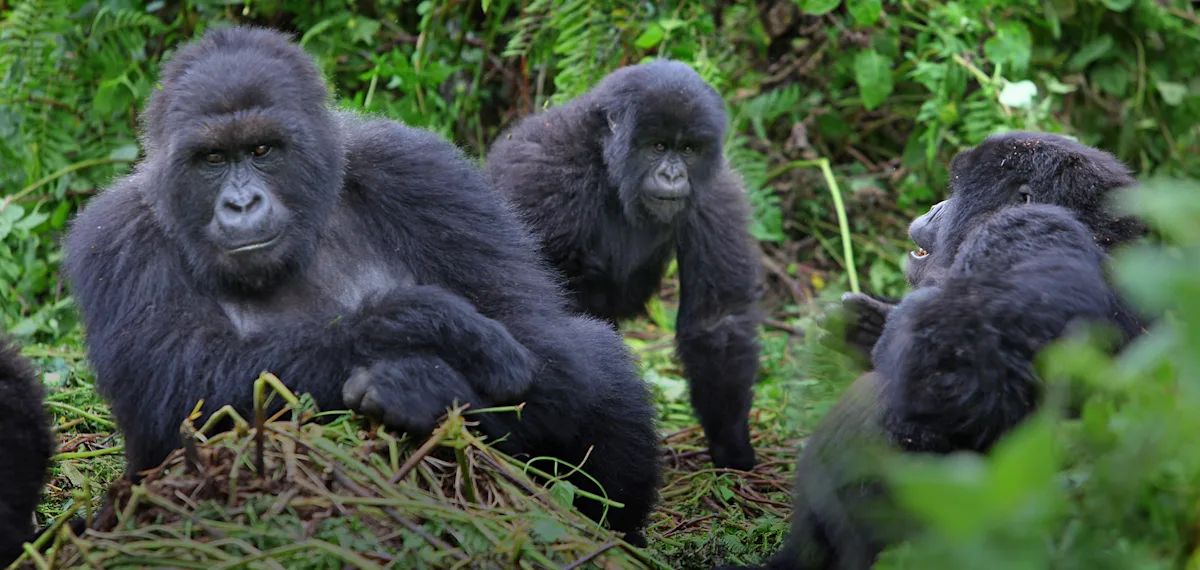
• Gorillas: a band
• Hares: a down, a drove, a flick, a husk or a warren
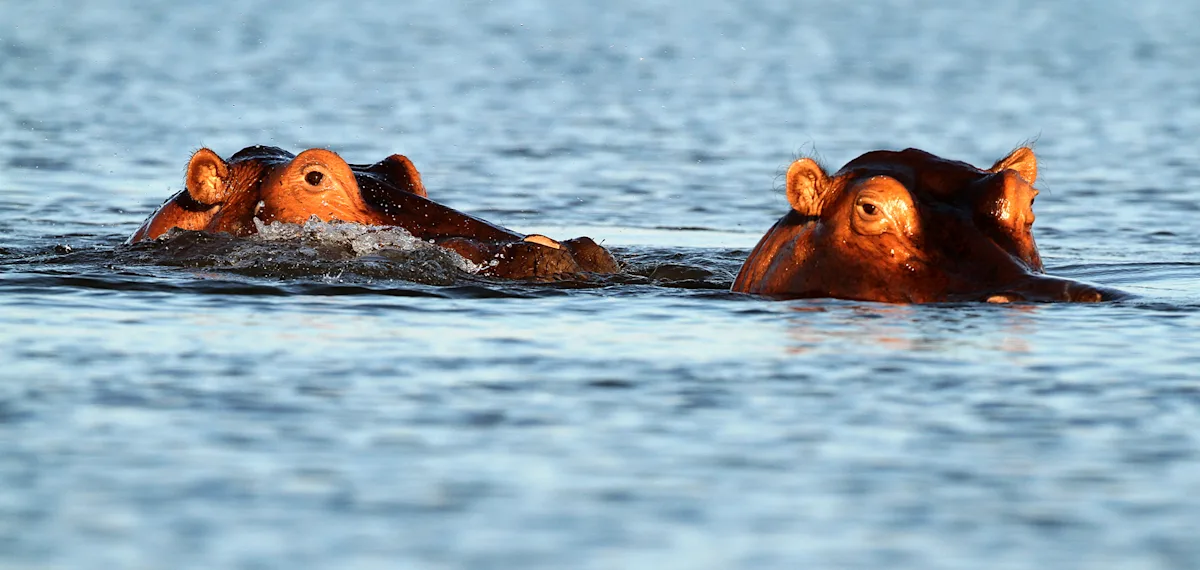
• Hippopotamuses: a bloat
• Horses: a harras or a rag (for colts)
• Hyenas: a cackle
• Jaguars: a shadow
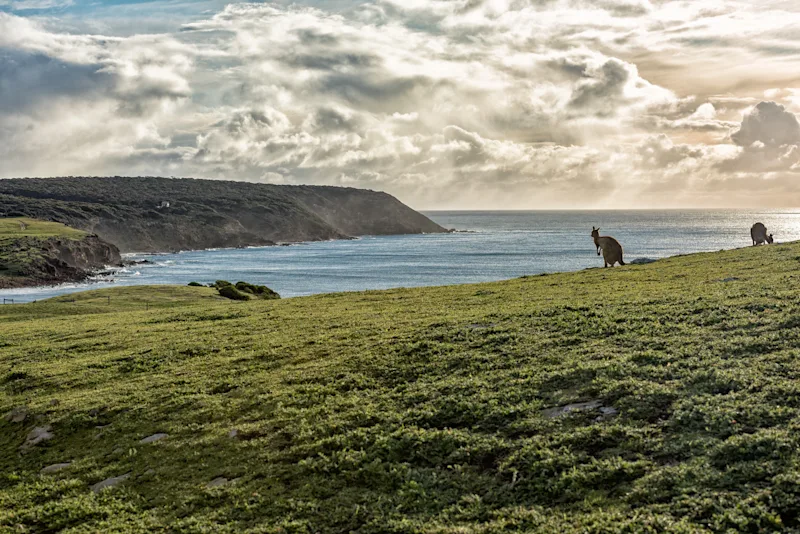
• Kangaroos: a troop or mob
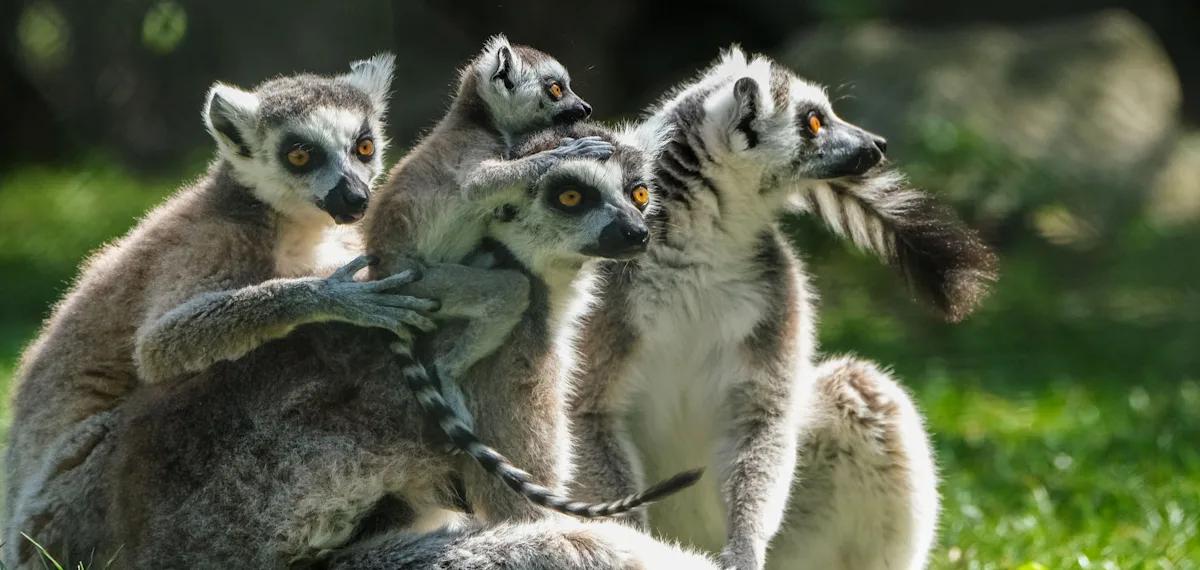
• Lemurs: a conspiracy
• Leopards: a leap
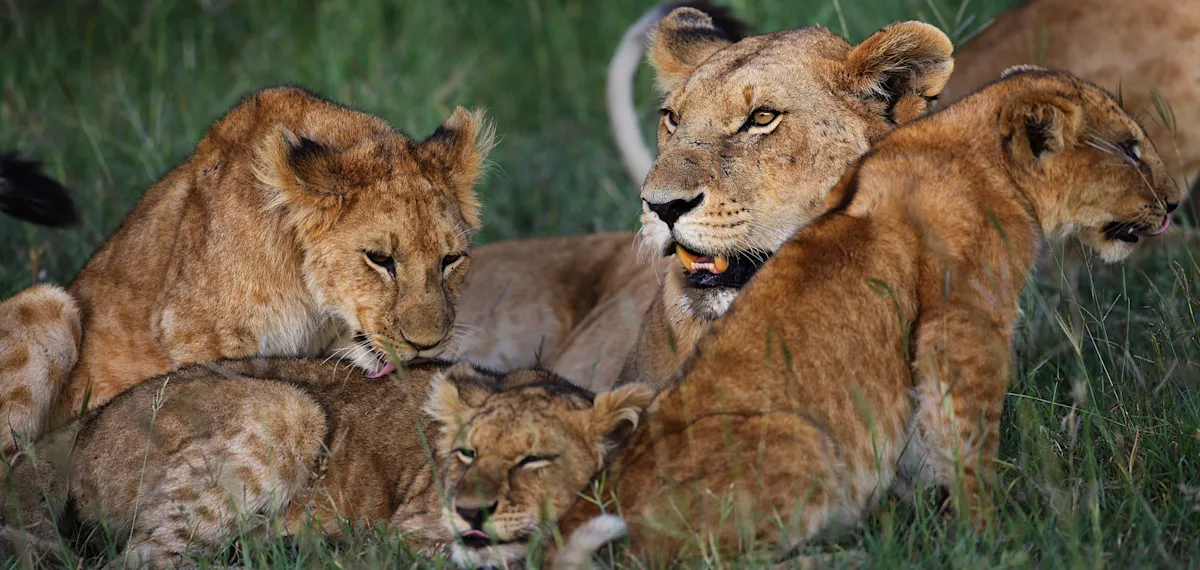
• Lions: a pride or a sawt
• Martens: a richesse
• Moles: a labour
• Monkeys: a troop
• Mules: a barren
• Otters: a romp
• Porcupines: a prickle
• Porpoises: a herd, a pod, a school or a turmoil
• Rhinoceroses: a crash
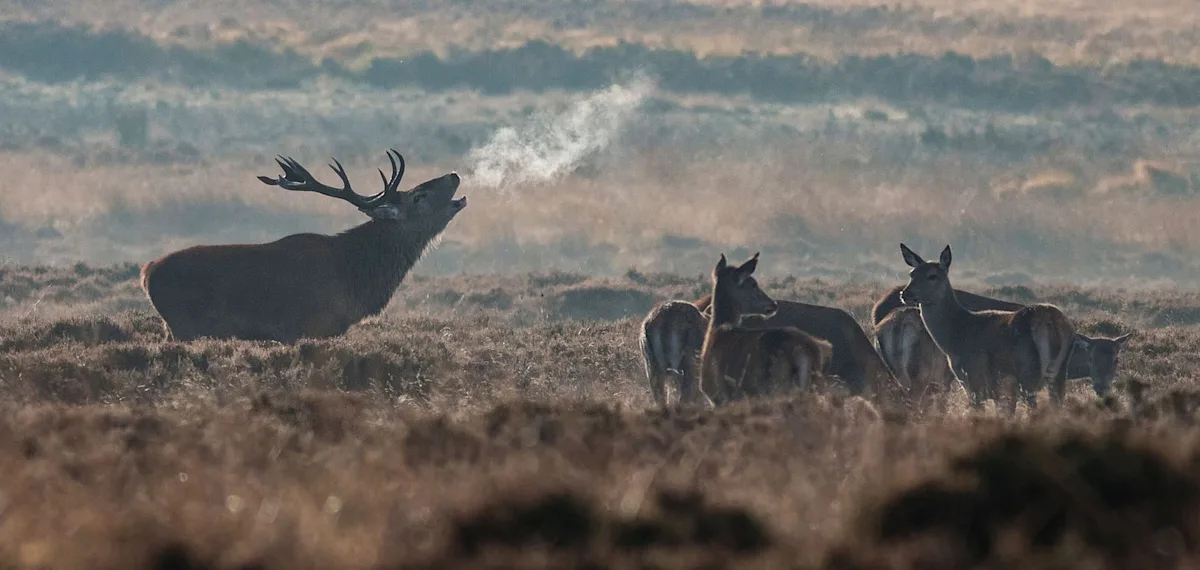
• Roe deer: a bevy
• Seals: a harem, a herd, a pod or a spring
• Squirrels: a dray or a scurry
• Swine: a drift or a sounder
• Tigers: an ambush or a streak
• Whales: a herd, a gam, a pod or a school
• Wild cats: a destruction
• Wolves: a pack or a rout
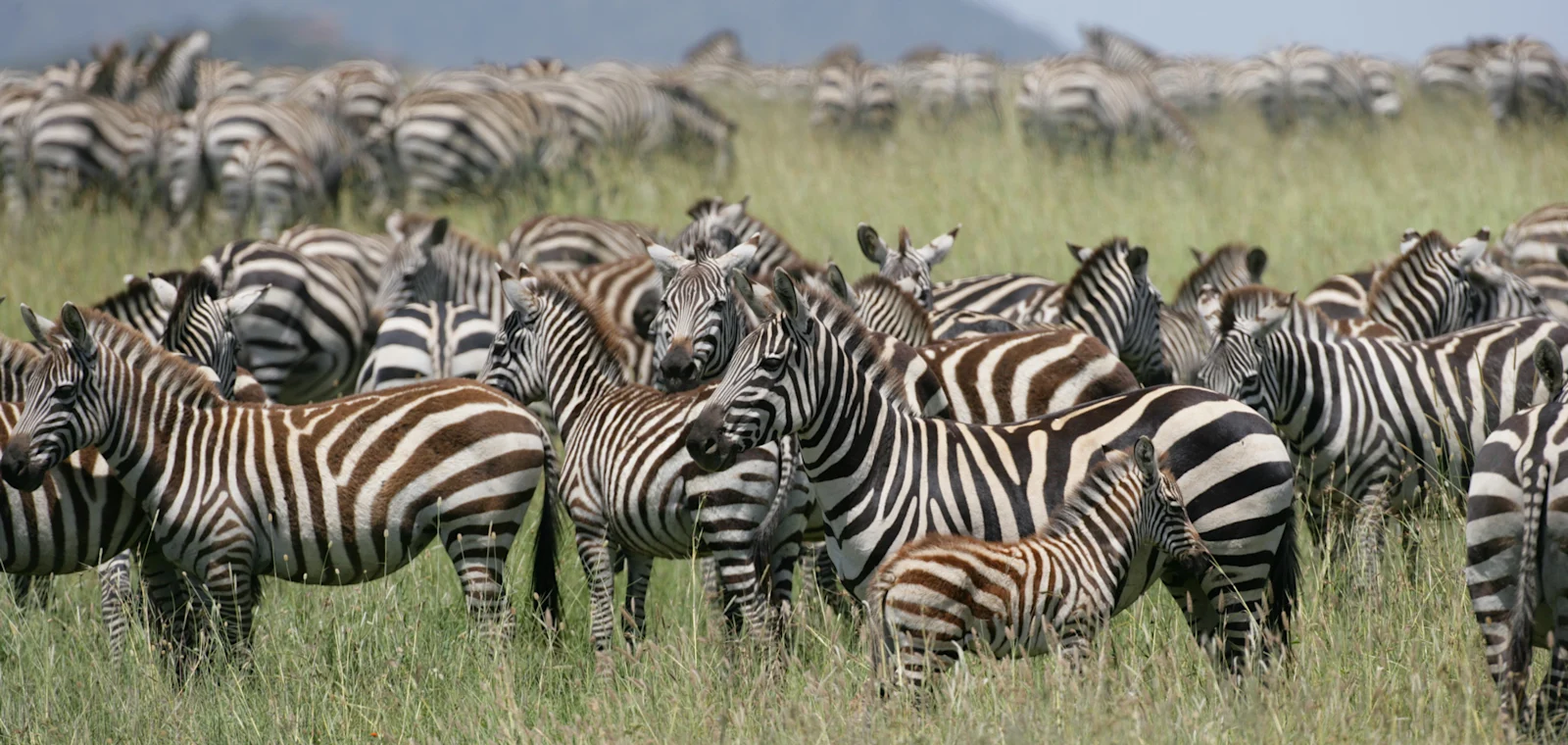
• Zebras: a dazzle or a zeal
After reading these lists, I hope you are inspired to get lyrical with your language. The next time you travel to Africa or visit the Galapagos Islands, don’t be hesitant to talk about the bloat of hippos, the crash of rhinos, the leap of leopards, the bale of sea turtles or the gulp of cormorants that you saw.
Here’s to finding your true places and natural habitats,
Candy