Video: the Aurora Borealis over Scotland

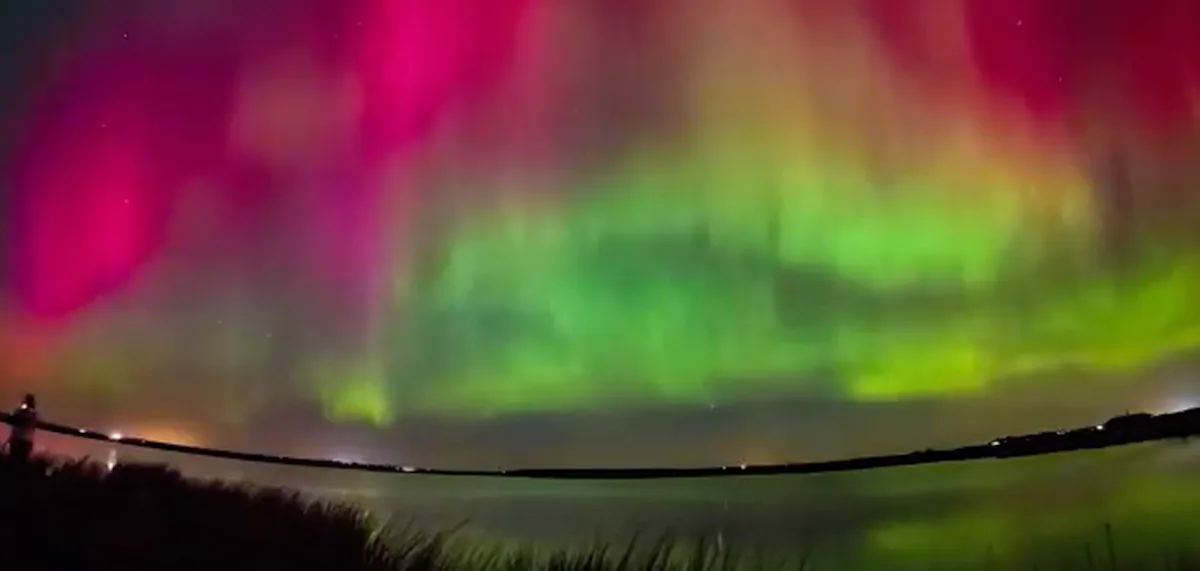
The northern lights—also known as the aurora borealis—have been around since the Earth formed an atmosphere more than four billion years ago. The dinosaurs saw them, early humans certainly gazed at them, you may have wondered at them and they will probably mesmerize your descendants, as well.
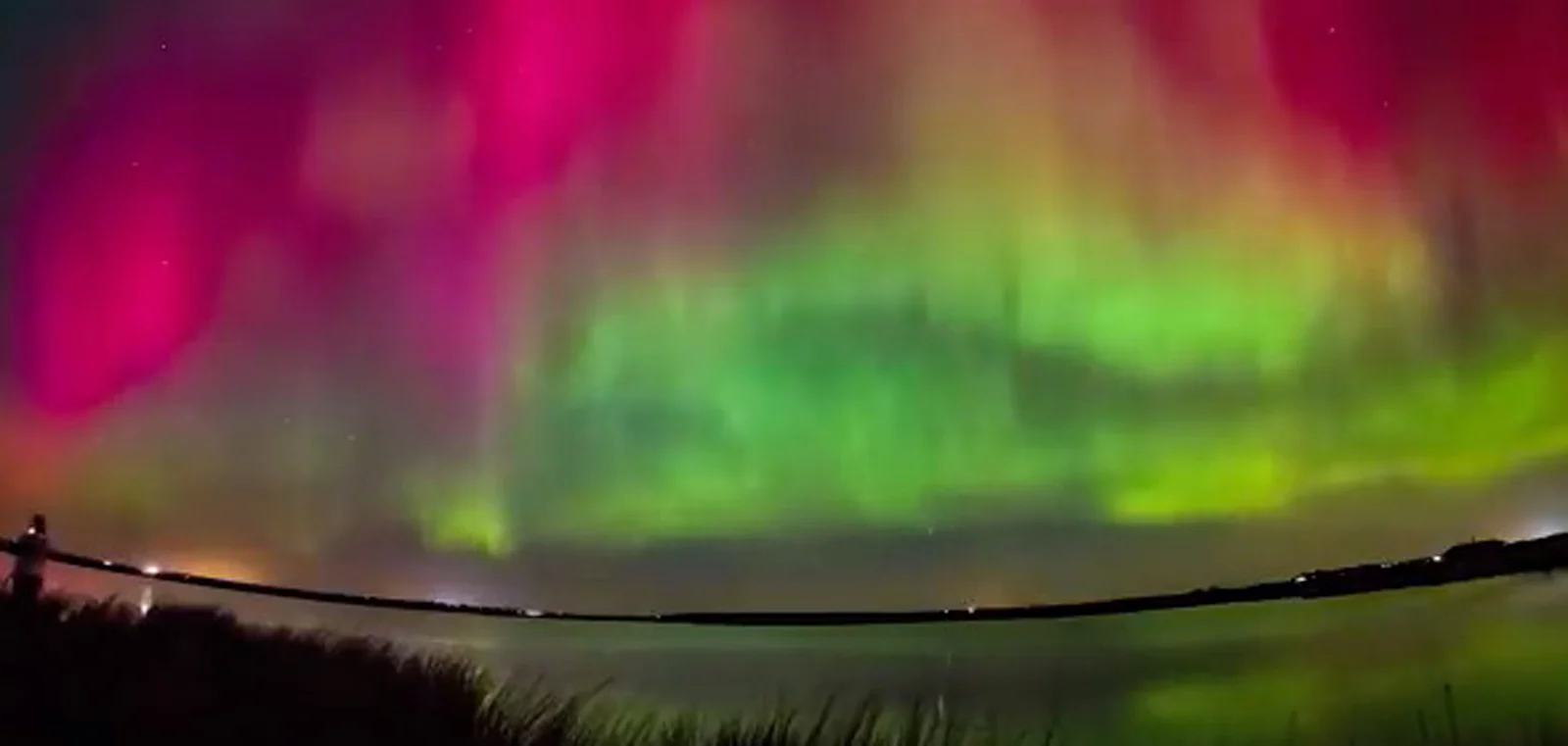
Scotland, especially its northern reaches, is a good place to witness these nighttime rainbows of light, especially during the crisp, clear winter months and during the early spring and late fall. The variations of color in the northern lights are due to the type of gas particles that collide; from yellowish-greens, blues and purples to fiery reds and oranges. The playful streaks that snake across the night sky shimmer and change constantly, and they can last minutes or merely seconds.
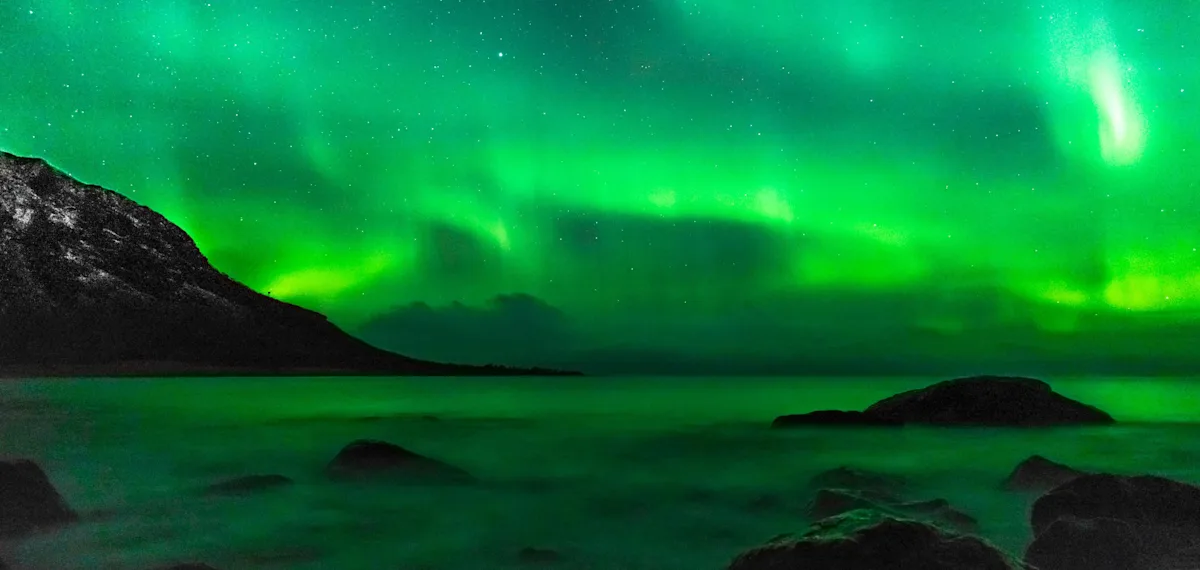
Typically, the aurora appears either as a diffuse glow or as “curtains” that extend in an east-west direction. These drapes consist of many parallel rays, each lined up with the local direction of the magnetic field lines, suggesting that the aurora is shaped by the Earth’s magnetic field. The energy source for the northern lights is the sun. Our planet is constantly immersed in the solar wind, a rarefied flow of hot plasma (gas of free electrons and positive ions) emitted by the sun in all directions, a result of the million-degree heat of our closest star’s outermost layer, the solar corona.
The science behind why we see the northern lights is instructive but doesn’t begin to describe their amazing beauty. I love seeing the aurora borealis in person; but when that isn’t possible, the second-best thing is to watch them through the lenses of lucky others. The video below is a case in point. Maciej Winiarczyk captured these northern lights over Scotland in 2014.
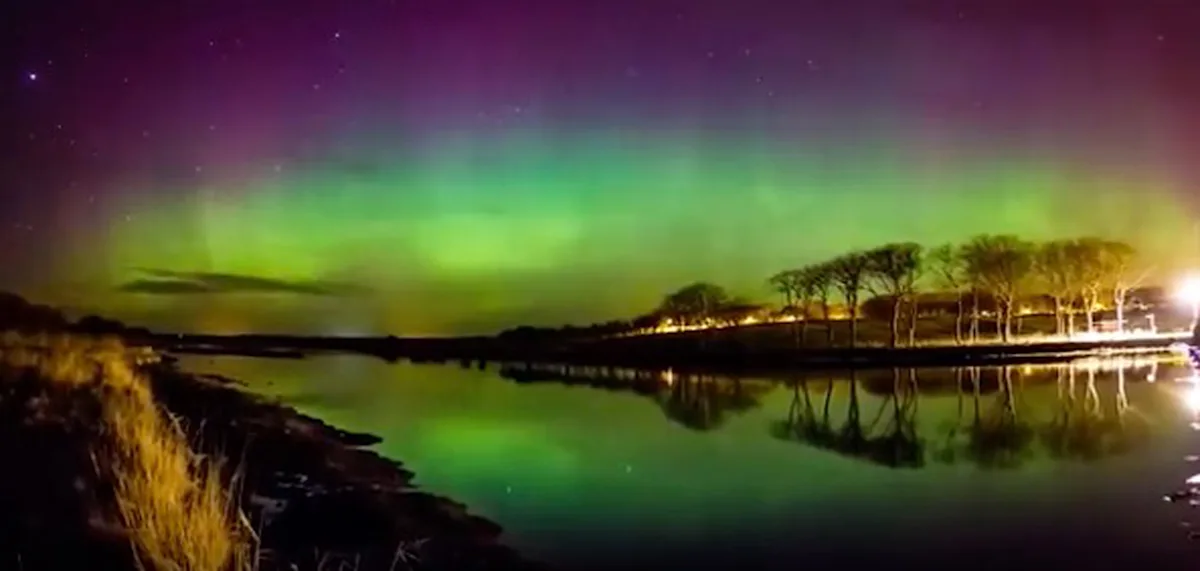
Take a few moments to watch this spectacular display. To be able to be part of such a worldwide, natural phenomenon might make you feel the wide arc of life and history; make you feel that we are all one, from dinosaurs to those who will come long after us.
As environmentalist and author Terry Tempest Williams, opens in new tab recently wrote, “We are part of something much larger than ourselves, an interconnected whole that stretches upward to the stars.”
Here’s to finding your true places and natural habitats,
Candy