Video: Greenland’s Ice, Elemental and Ephemeral

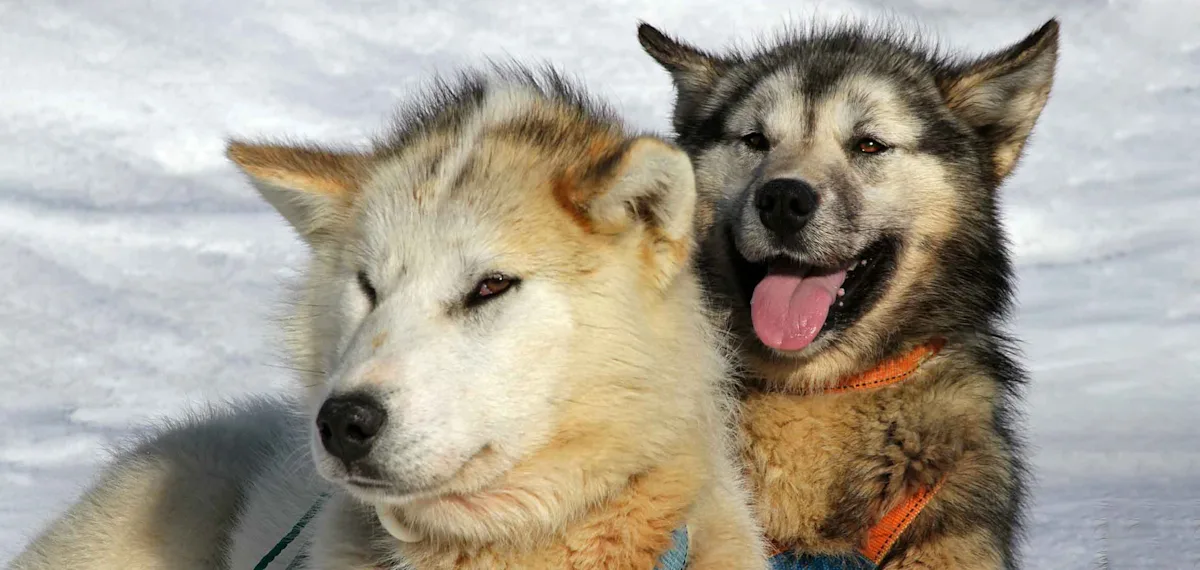
A polar vortex over the Midwestern states has kept me cold and inside for most of this month. I’ve had to stop my daily walks with my dog, because her paws get too cold. She never stands on all four feet when she’s outside anymore, alternatively lifting one up and then another; sometimes going into a three-legged gait to get from place to place on the ice and snow.
I’m not alone, currently living an inside life in thermal layers. We’re in a history-making weather pattern right now. Eighty-six percent of the country, opens in new tab is experiencing colder-than-average temperatures—by as much as 40 to 50 degrees—due to a blast of arctic air that’s plunging down across the plains to as far as Texas and Mexico. I believe there’s only one thing to do in such circumstances: embrace the cold.
In order to put my arms around keeping a positive attitude, I think back to all the cold places I have loved in past travels. Greenland—eastern Greenland, in particular—is one of those spots.
Place of permanence—unpredictably changing
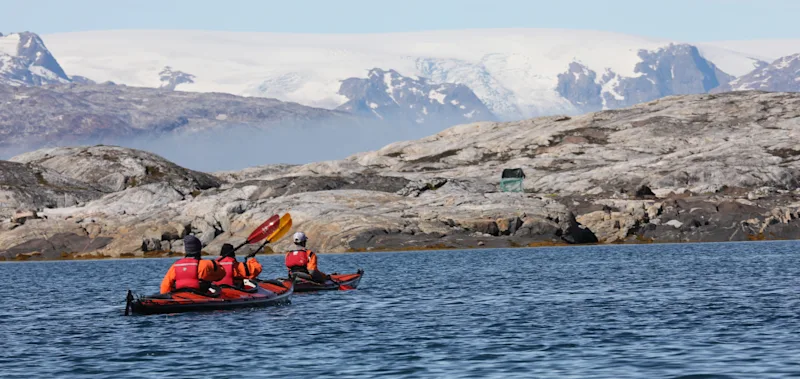
Often described as “one of the loneliest places on the planet,” eastern Greenland is 13,000-miles of coastlines, hulking glaciers and rocky mountains. In total, there are less than 10 small towns and settlements. There are no roads connecting these remote outposts (all travel is via boat, helicopter or dogsled in winter), and fishing and hunting are the main sources for food and sustenance.
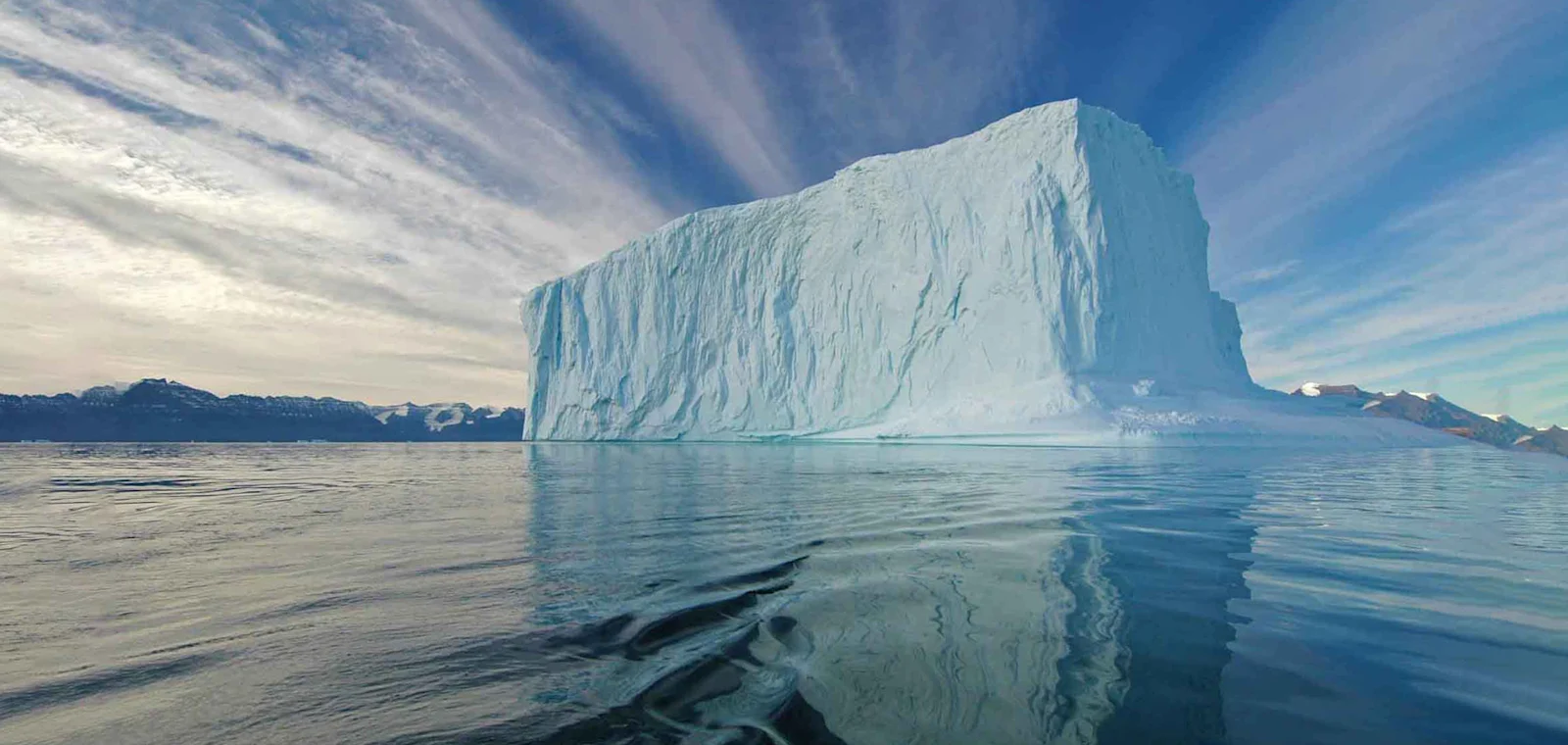
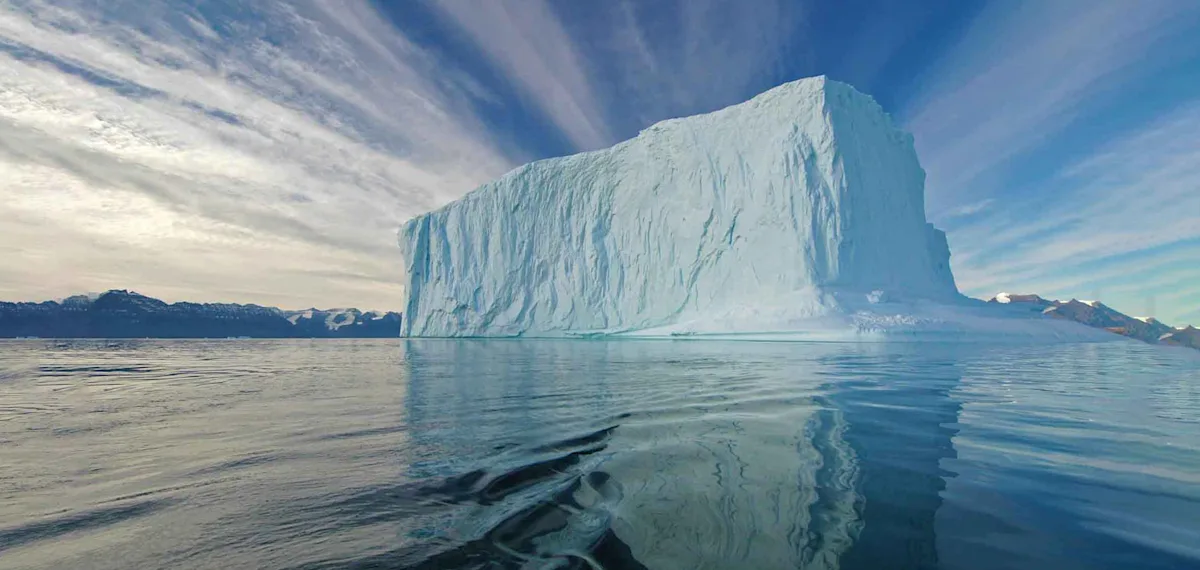
Aside from rock—there are no trees, opens in new tab and very little soil along the coasts—ice is the primary natural element in Greenland. Near the town of Tasiilaq, there are dozens of giant, outlet glaciers emanating from the immense Greenland Ice Sheet, creeping their way down gravelly canyons to the fjords, sounds and sea. Thousands of icebergs, some the size of office buildings, litter the water’s surface in varying hues of blue, silver and turquoise, scattering sunlight in a dazzling display.
Land of incessant ice—or not
Watch the 10-minute video below, titled Greenland: The Land of Unending Ice (which morphs into Greenland: The Land of Ending Ice). Cinematography Stefan Forster used drones to photograph the calving glaciers and imperial icebergs that dominate the landscape.
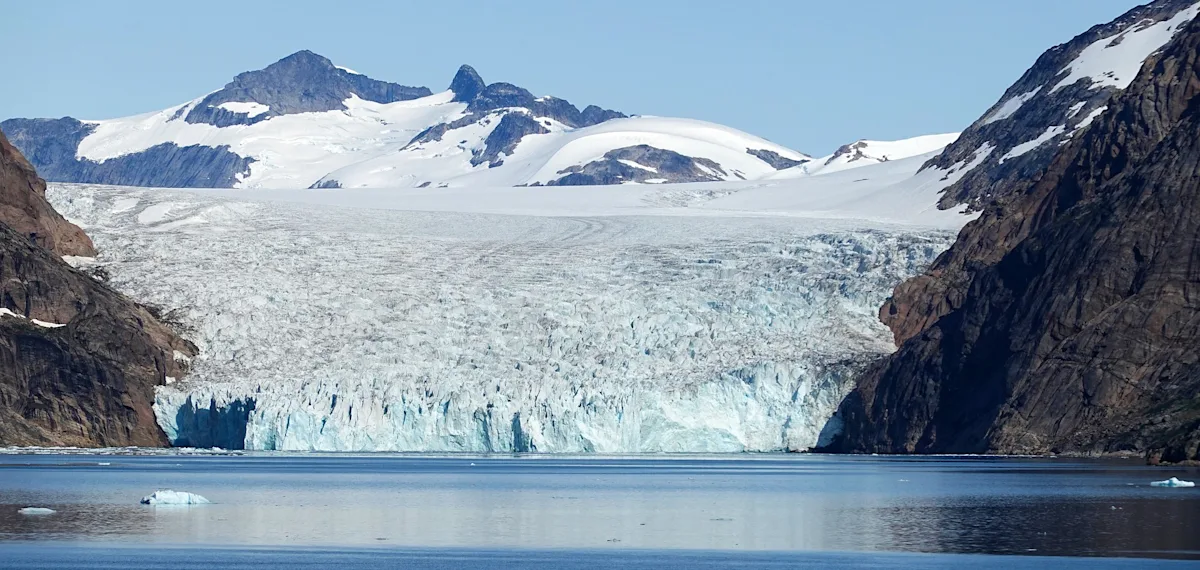
Sadly, however, scientists predict that the Greenland Ice Sheet is now on course to pass a threshold beyond which it will never fully recover. Under current climate change projections, melting ice from the great ice cap will cause sea levels around the world to be permanently higher. Since 2003, despite seasonal periods of growth, Greenland’s ice sheet has lost 3.5 trillion tons of ice. Rising sea levels are one of the most severe effects of climate change, threatening coastal areas everywhere and putting millions of people who live in low-lying areas at risk. Bangladesh, eastern England and Florida are among many areas known to be particularly vulnerable.
According to new research published by the European Geosciences Union in their journal The Cryosphere,, opens in new tab if global warming goes beyond 2 degrees Celsius, the Paris Agreement target, significant ice loss will cause several feet of global sea-level rise to persist for tens of thousands of years. The warmer the climate gets, the greater the sea-level rise.
In addition, even if temperatures do later return to current levels, scientists state that the Greenland Ice Sheet will never fully regrow once it melts beyond a critical point. After that, sea levels would permanently remain 6.5 feet higher than now, regardless of other factors contributing to sea-level rise. That’s because the ice sheet is so large that it has a substantial impact on its local climate; and as it declines, Greenland would experience warmer temperatures and less snowfall. Once the ice sheet retreats from the northern part of the island, the area would remain ice-free.
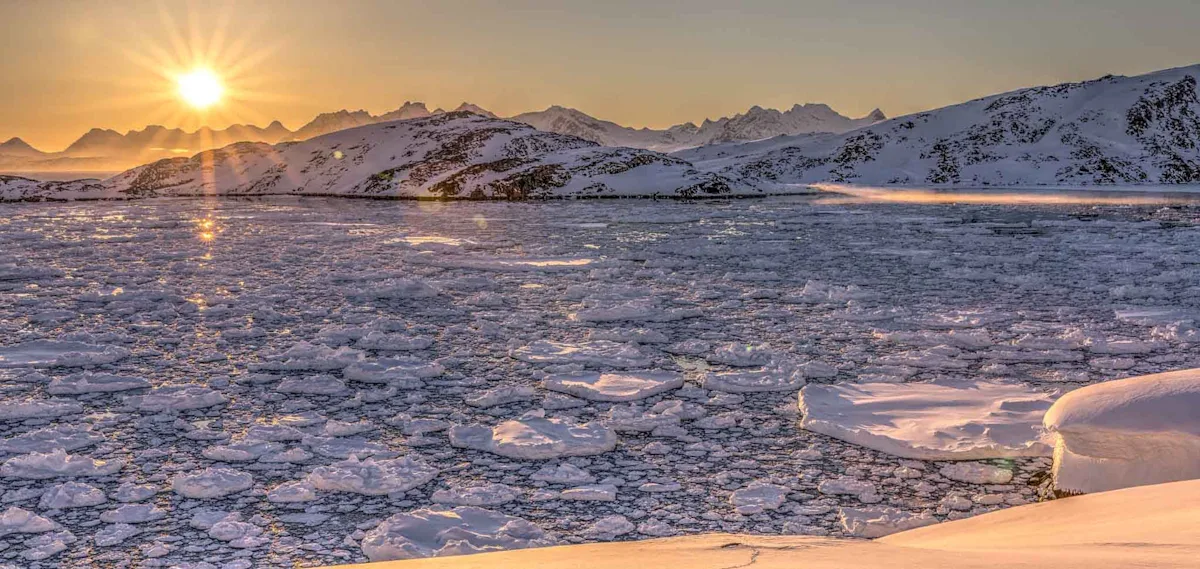
To avoid the irreversible sea-level rise the melting would cause, climate change must be addressed and mitigated before the ice sheet has declined to the threshold mass. The scientists warn that we must counteract global warming before it’s too late.
State of unceasing cold—soon interrupted
So, I remind myself, I need to embrace and welcome this cold, while it’s here, as just another facet of life on Earth to experience. Much like the Greenland Ice Sheet, the state I currently find myself in is impermanent; the cold here will diminish soon, and spring will come. Locally and globally, warmer temperatures are surely on the way.
And, perhaps, in the comfort and warmth of my home while the stinging cold is just outside the front door, I’ll do some surfing—on the Internet, for dog boots.
Here’s to finding your true places and natural habitats,
Candy