Top 8 Species to See for the Panama Canal’s 100th Anniversary

The Panama Canal is an engineering innovation integral to modern shipping, international travel and trade. Surrounding the canal is the Panama Canal Watershed, a 1,300-acre area with significant biodiversity. The Panama Canal Authority works to ensure that development of the Panama Canal has a minimal effect on the ecosystem, so that local wildlife flourishes. The watershed is inhabited by 112 species of reptiles, 80 species of amphibians and 546 species of birds.
As the Panama Canal celebrates its 100th anniversary, learn about the top eight species to see near the Panama Canal:
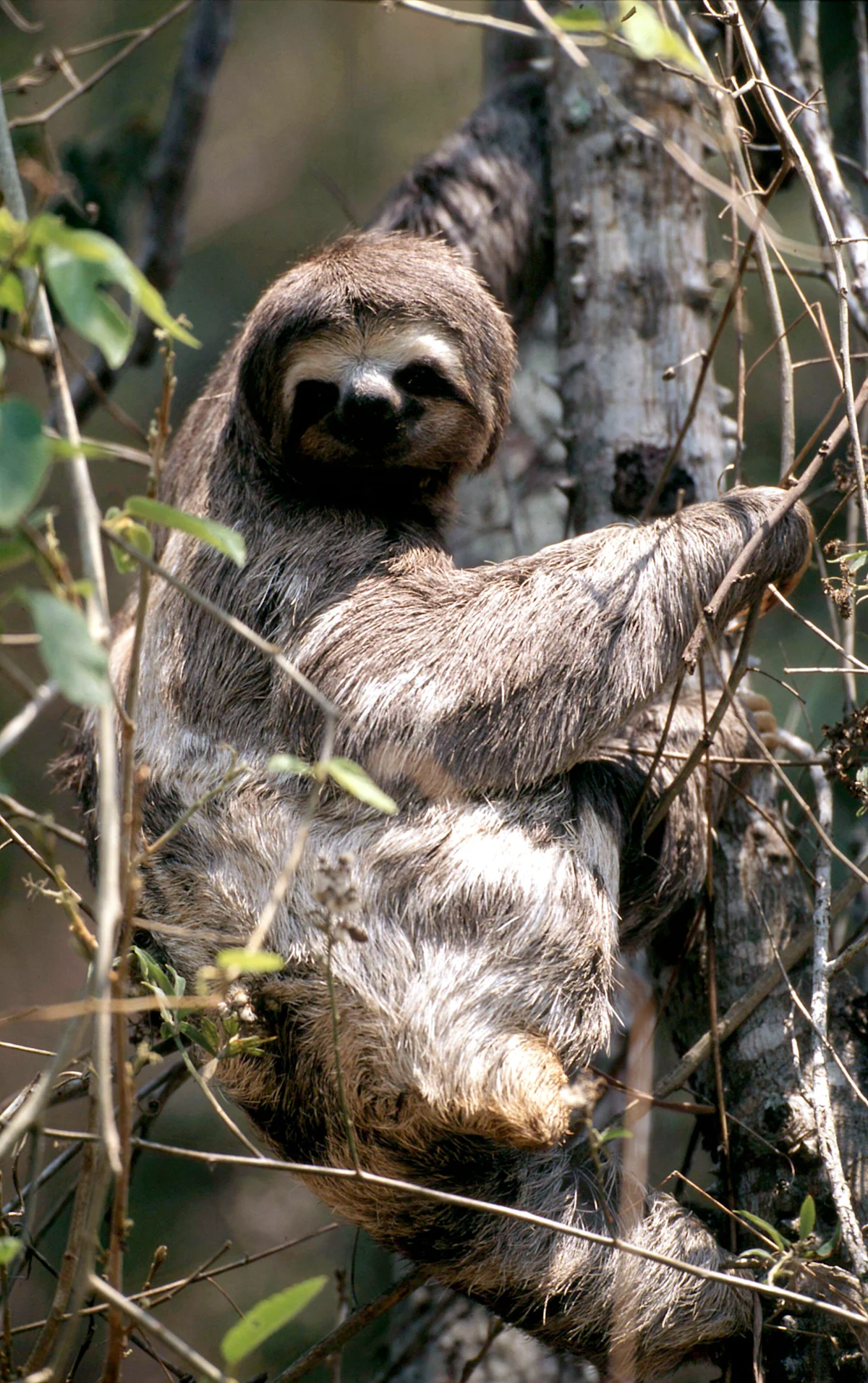
1. Brown-Throated Sloth
Brown-throated sloths hang in the trees of the Panama Canal Watershed rainforest. Sloths thrive in a rain forest habitat, living on a diet of mostly leaves. Sloths sleep 15 to 18 hours a day and are only active for brief periods during the day, so keep a keen eye out for the solitary sloth.
2. Magnificent Frigatebird
The magnificent frigatebird is certainly magnificent during mating season. The males’ red throat pouch inflates to attract the female frigatebird. Keep your eye on the sky to spot these seabirds, as they spend most of their time in flight.
3. Geoffroy’s Spider Monkey
Geoffroy’s spider monkeys live in the canopies of the rain forest and spend most of their lives in tree, hanging from branches and searching for fruit. The species is rated as endangered by the IUCN Redlist, opens in new tab due to severe habitat loss. While there are only about a thousand Geoffroy’s spider monkeys in the wild, they can still be found in Panama’s rain forests.
4. Brown Pelican
Brown pelicans prefer to live in shallow, inshore waters, so the Panama Canal is the ideal home for the seabird. The pelican plunge-dives into the water to prey on fish and shrimp. The pelicans live in colonies and nest on the ground, so they are easy to spot along the shores of the Canal.
5. Geoffroy’s Tamarin
If you want to spot a Geoffroy’s tamarin, keep your eyes to the canopy: Geoffroy’s tamarins rarely touch the ground. The tamarins move in groups of three to nine monkeys; group members communicate using whistles, trills and sneezes. Geoffroy’s tamarins are most often found in eastern and central Panama, but their range extends to the west side of the Panama Canal zone.
6. Panamanian Night Monkey
As its name would suggest, the Panamanian night monkey is nocturnal. Its comparatively large eyes improve its nighttime vision. Finding the Panamanian night monkey during the day is difficult, but keep an eye out for the monkeys moving in small groups.
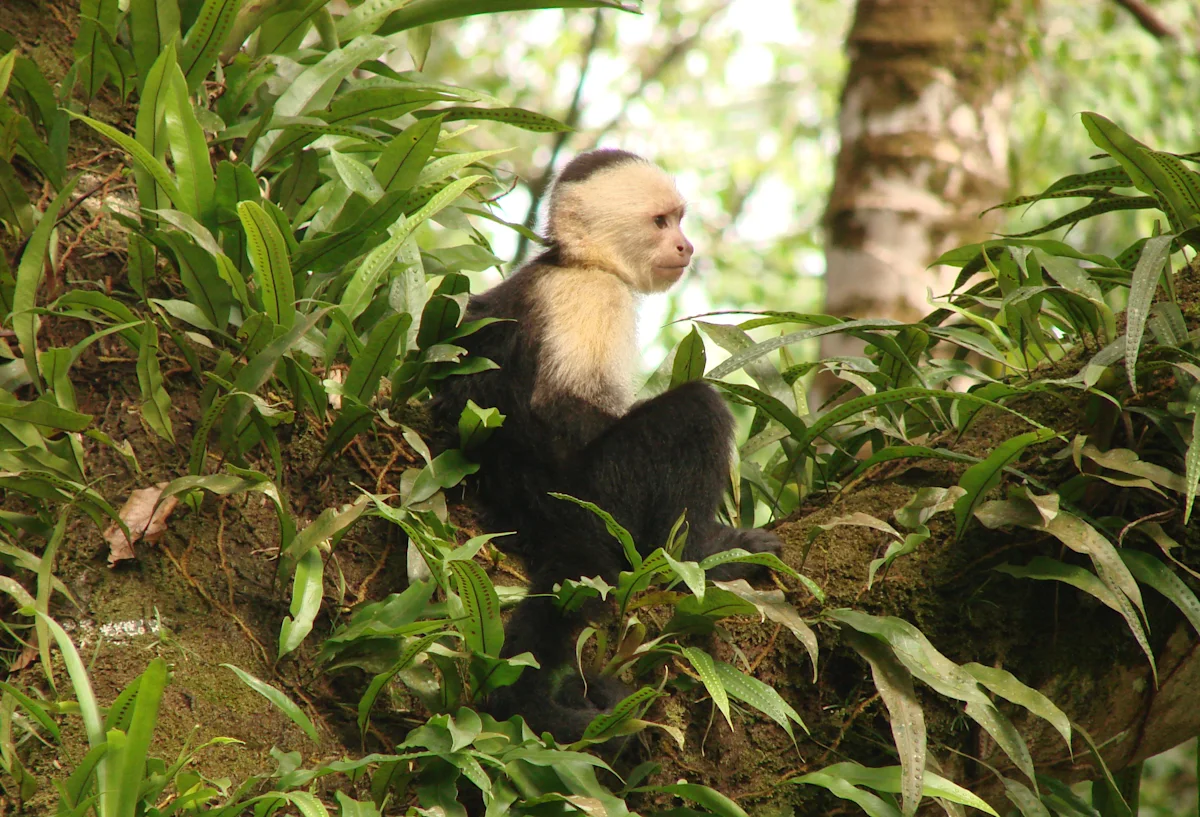
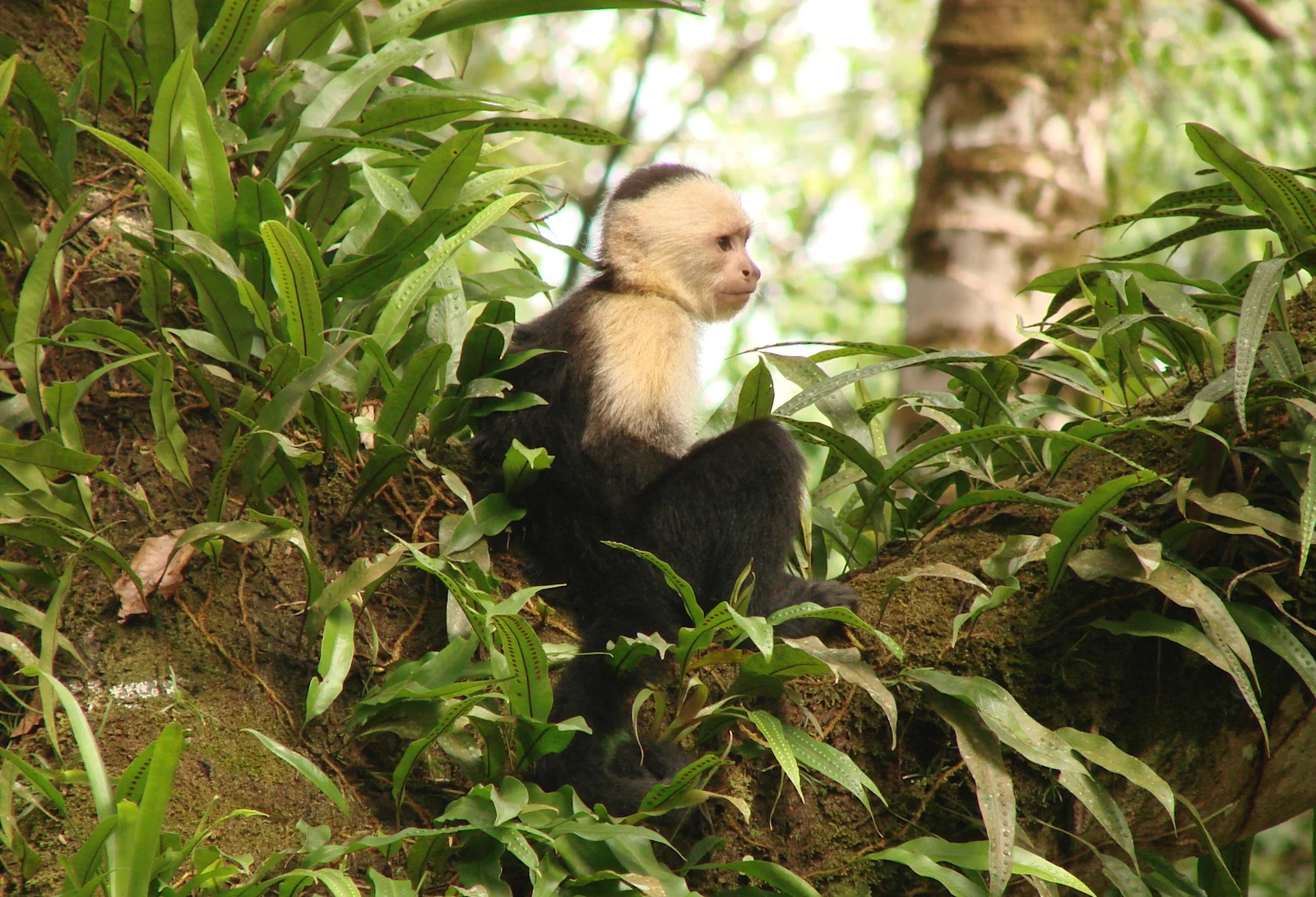
7. White-headed Capuchin
The white-headed capuchin is known for both its namesake head color and its long prehensile tail used for hanging from trees. White-headed capuchins travel in groups of up to 30 individuals, so look out for a group foraging for fruit.
8. Blue-footed Booby
While the blue-footed booby’s most famed home is on the Galapagos Islands, this bird species can be found along the Pacific coast of Panama and other Central American countries.
Find these and other species on our Panama Canal & The Wonders of Costa Rica trip.