Top 7 Moments of the Natural Vida en Costa Rica

Costa Rica is about the size of West Virginia yet contains about 5 percent of the world’s biodiversity. Accompanying a Costa Rica adventure with WWF and Nat Hab, I saw enough to fill my camera’s memory card. Below are some of my favorite moments and sightings captured in images throughout this small but mighty, conservation-minded country.
Moment #7: Seeing a Trio of Scarlet Macaws
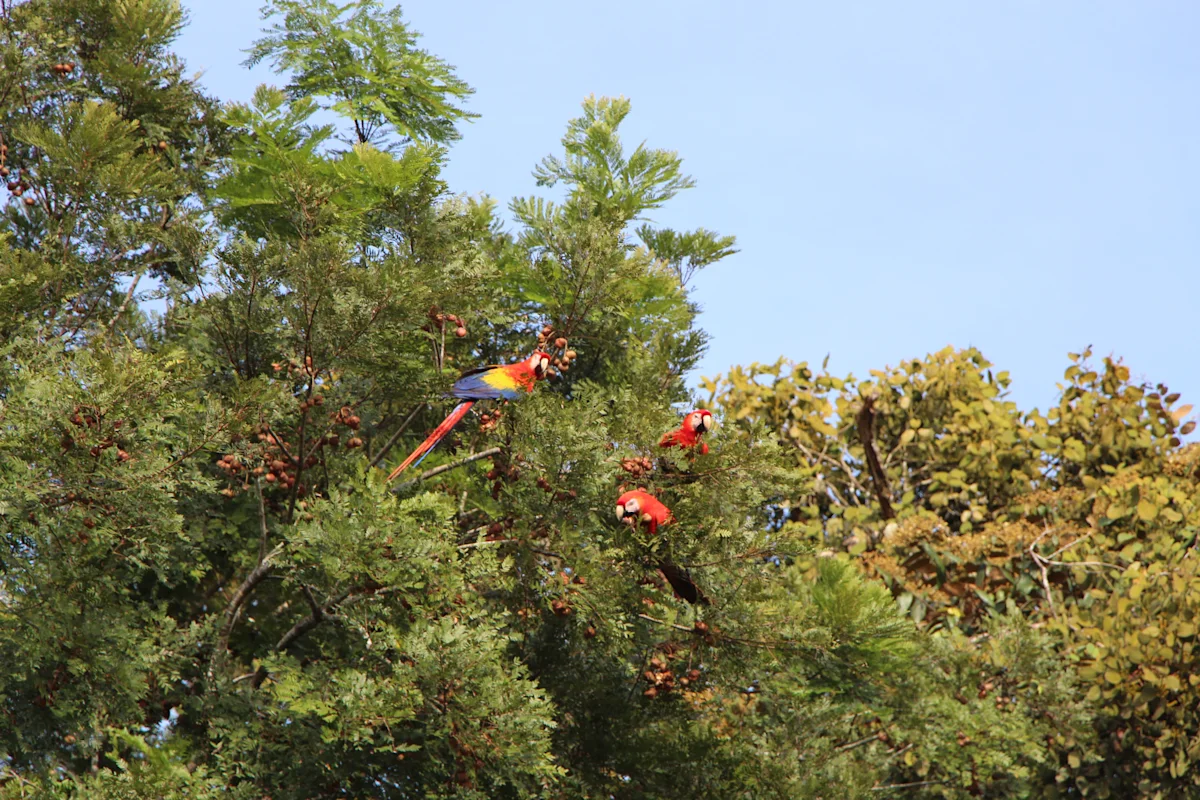
We had the opportunity to explore the mangroves of the Sierpe River by private river boat. While floating down the river, we experienced the many incredible sights, sounds and smells of the vast ecosystem—and among those sights, a trio of scarlet macaws up in a tree. This is one of my favorite photos as their bright red color really shines through in contrast to the green of the tree.
Moment#6: Face-to-Face with a Capuchin Monkey
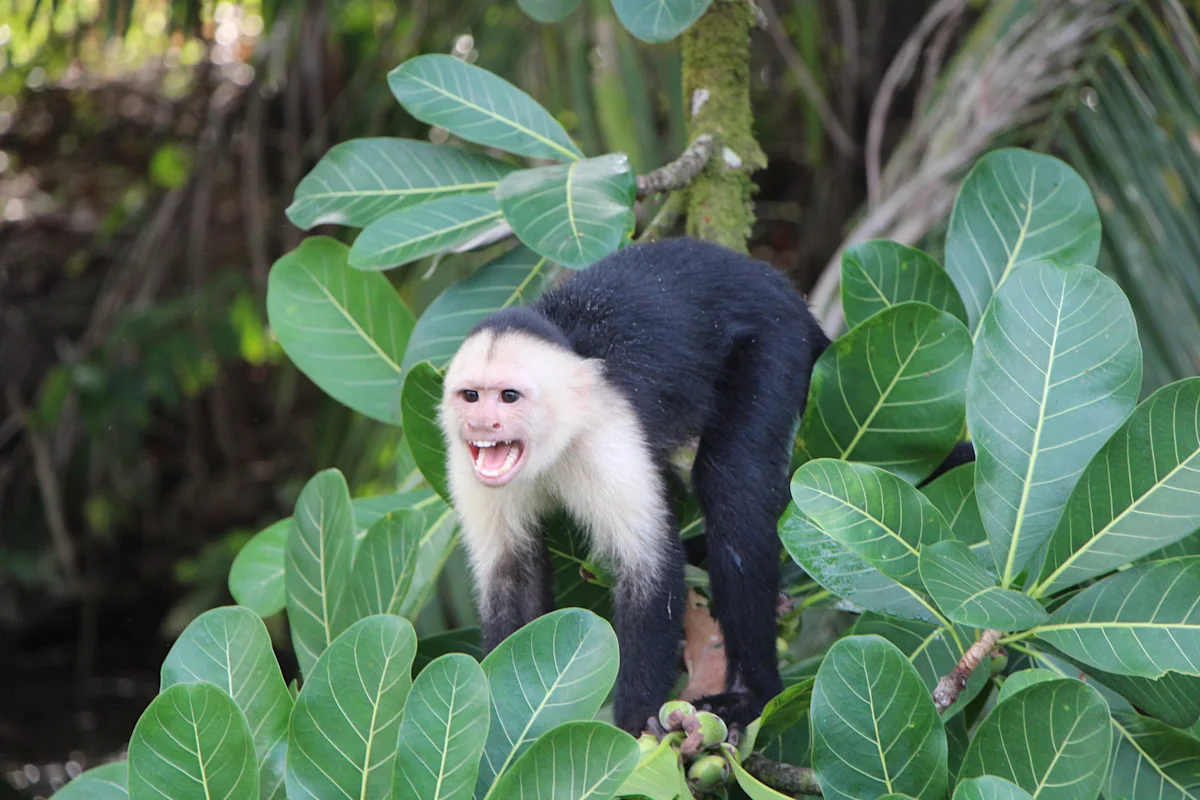
A troop of white-face capuchin monkeys spotted us coasting by. We stopped the boat to catch a glimpse of them. They became, I think, more interested in us, and a few of them opened their mouths to show their teeth and give us a loud hiss! We got a few photos and floated away.
Moment #5: Spotting a Rainbow Boa
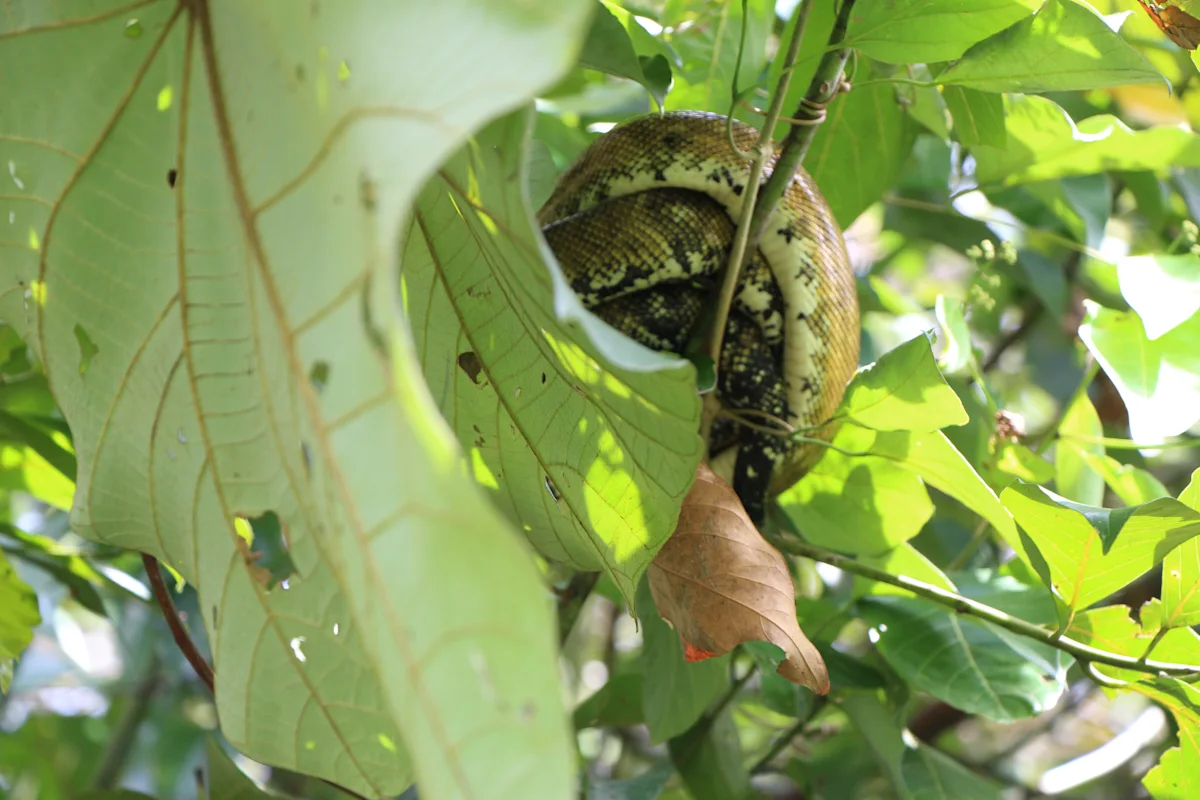
While in Costa Rica, I kept on hearing stories of the many snakes one might encounter. I have a fear of snakes so you can imagine my horror when we came across one coiled in a tree while floating down the Sierpe River. The captain brought the boat directly under the tree where this snake was resting. At first, I couldn’t see it as it really did do a good job at camouflaging itself. But all of a sudden, my eyes focused and there it was. Our guide assured us that the snake really wanted nothing to do with us—it was just coiled in the tree waiting for its prey. We snapped a few photos and were on our way, totally unharmed.
Moment#4: Diving Dolphins Everywhere
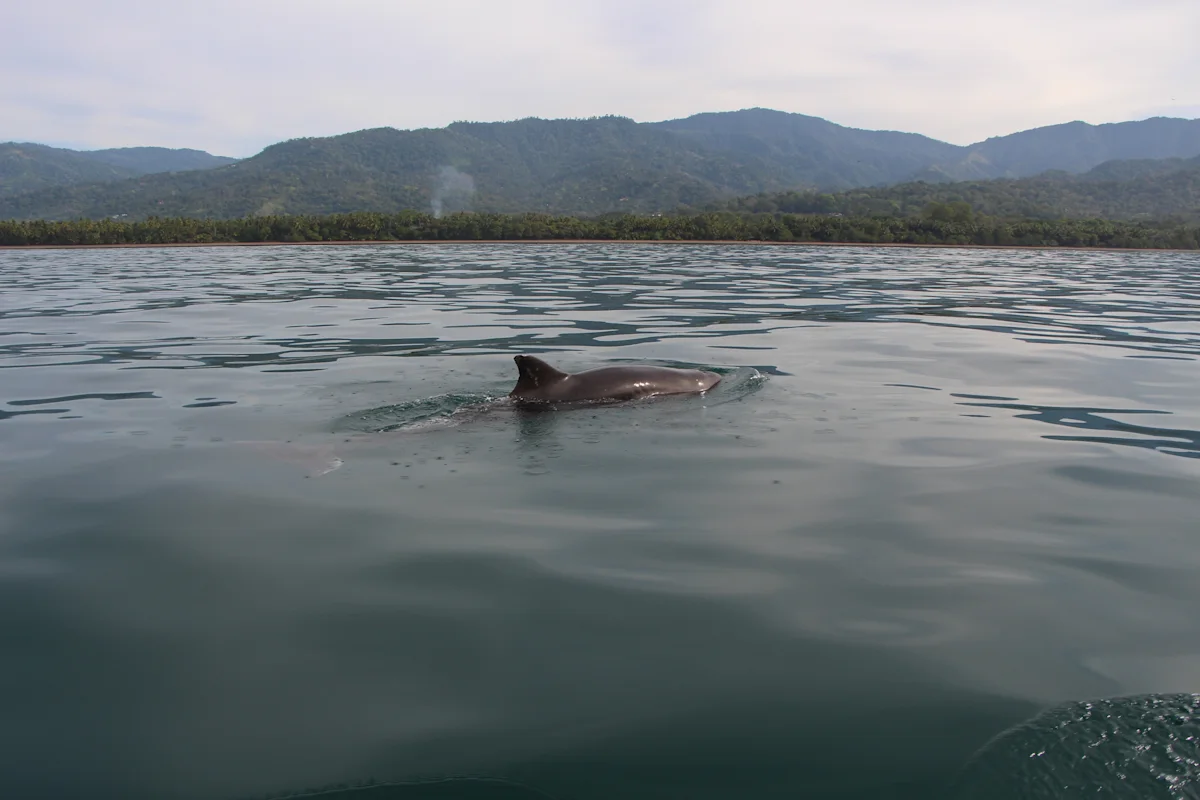
On a private boat tour of Punta Uva, with snorkel gear in hand, we spotted a pod of bottlenose dolphins. “Don’t worry about which side of the boat you’re sitting on,” our guide said, as the dolphins would come from all angles. And that they did. From all sides of the boat we could see them swimming about, circling us with rapid-fire bubbles. I would say one of the most beautiful sites in the world is spotting a dolphin come up for air, then dive back underneath cool waters.
Moment #3: Learning about Mushroom Farming
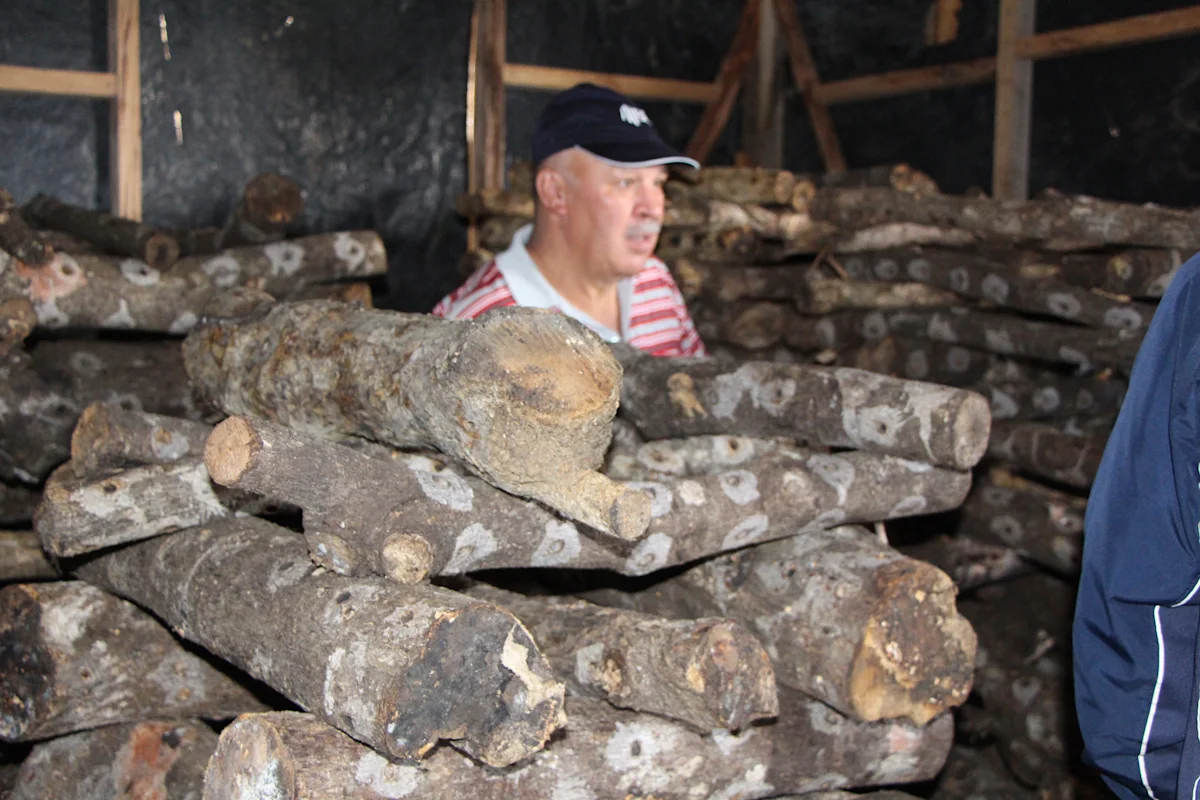
En route to the Savegre cloud forest, we had a lovely stop along the way for lunch with an indigenous Costa Rican family. After a delicious meal of traditional cuisine, we were able to get a tour of the shitake mushroom farm on site. As part of his livelihood, this farmer grows and sells shitake mushrooms. Using wood from oak trees, the farmer built a mushroom farm after learning agricultural techniques from a group that had visited his home from Bhutan, a country that shares similar altitude and climate as this region of Costa Rica. The farmer grows about 80 pounds of mushrooms per month year-round as the climate at that altitude rarely falters.
Moment #2: Becoming a Birder
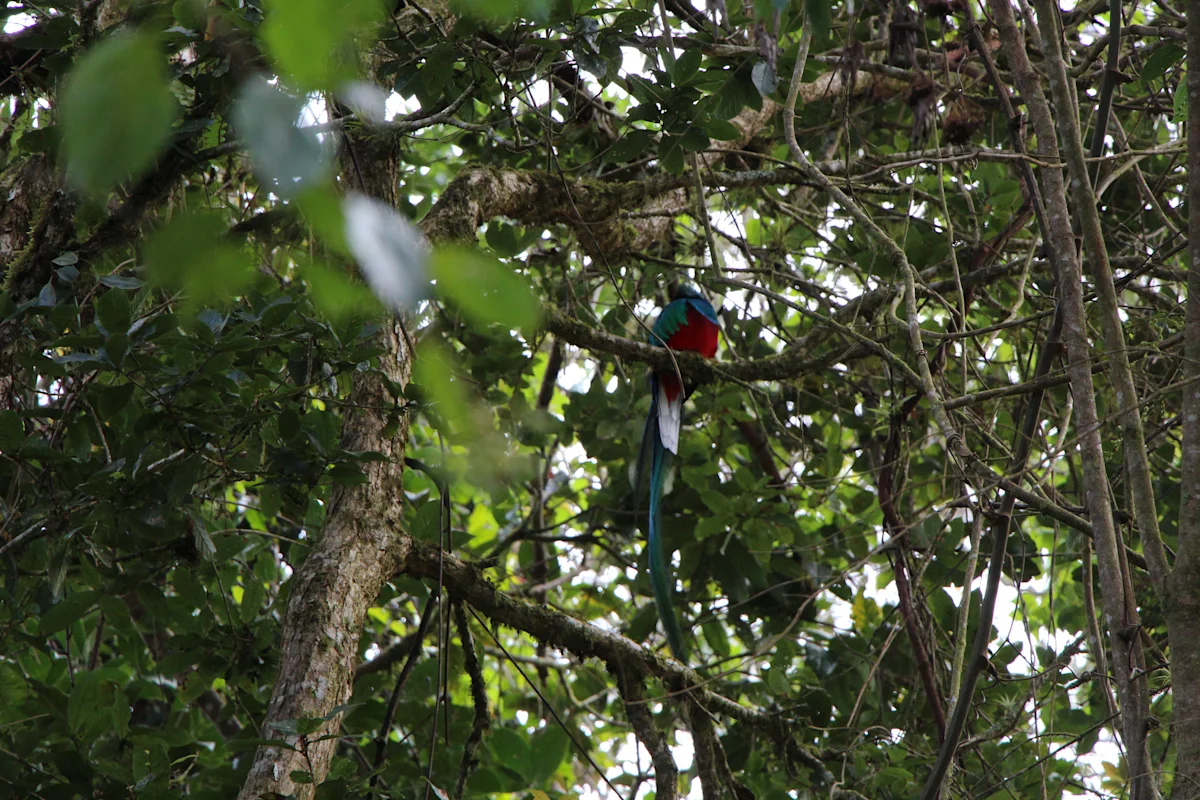
Not being a “birder” before this trip, I quickly understood why searching for, and finally spotting, birds is an extremely riveting and magical pastime. Nothing describes that magical feeling more for me than catching a glimpse of the resplendent quetzal. We saw two males that day. While we sat for a while just watching, cameras in hand, I decided to move a bit around the tree (obtaining approval from my guide first, of course). From the new angle, I was able to catch the bird from the underbelly and snapped this great photo of the bright red chest of the quetzal.
Moment #1: Seeing a Squirrel Monkey with its Baby
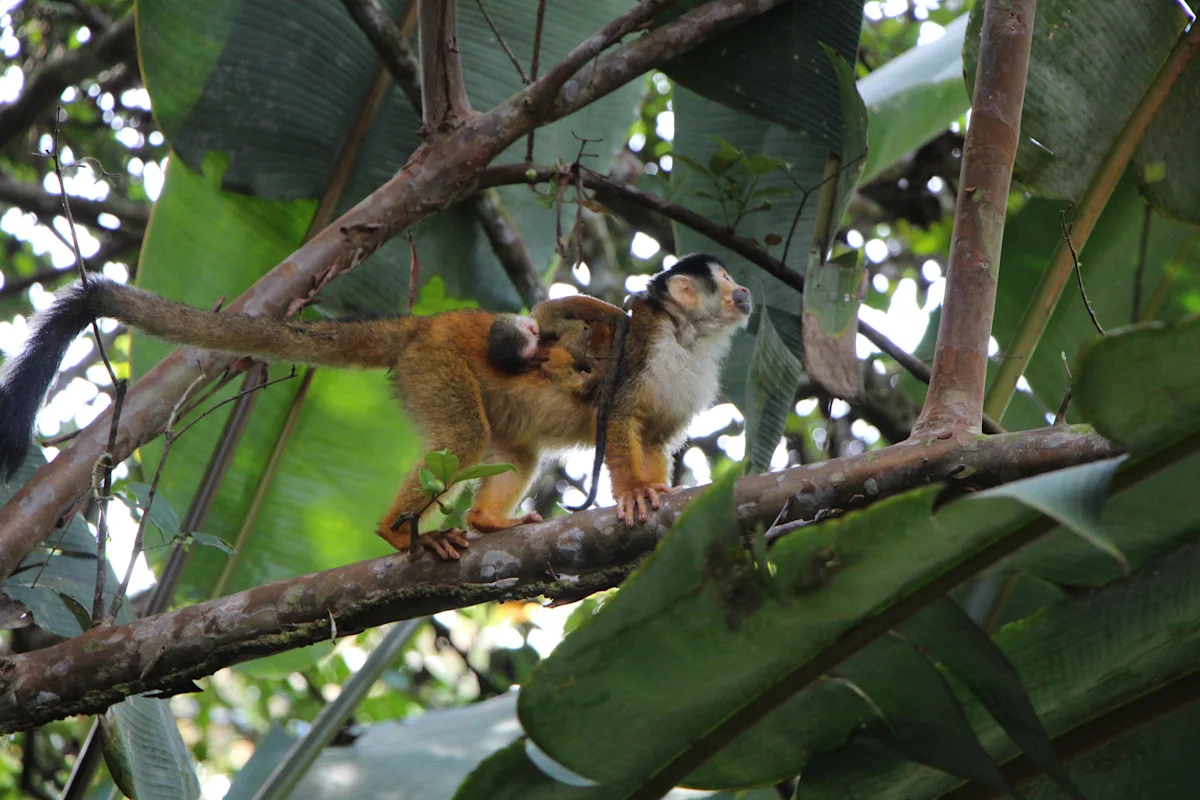
We had just returned from a wonderfully grueling hike in the Tiskita Jungle and were all very hot and sweaty, our muscles aching, but in the best way. We were sitting under an almond tree for some shade, listening to stories from Lisbeth (the owner of Tiskita), when all of a sudden from behind her in the distance, there was a rustling of leaves. We realized it was a troop of squirrel monkeys right at the base of the trail near the lodge, swinging from branch to branch. We all ran to see them. I was able to take some amazing photos of the monkeys, including this one of a mother and her baby.
Honorable Mention for Most Memorable Moment: Confrontation with a Crocodile
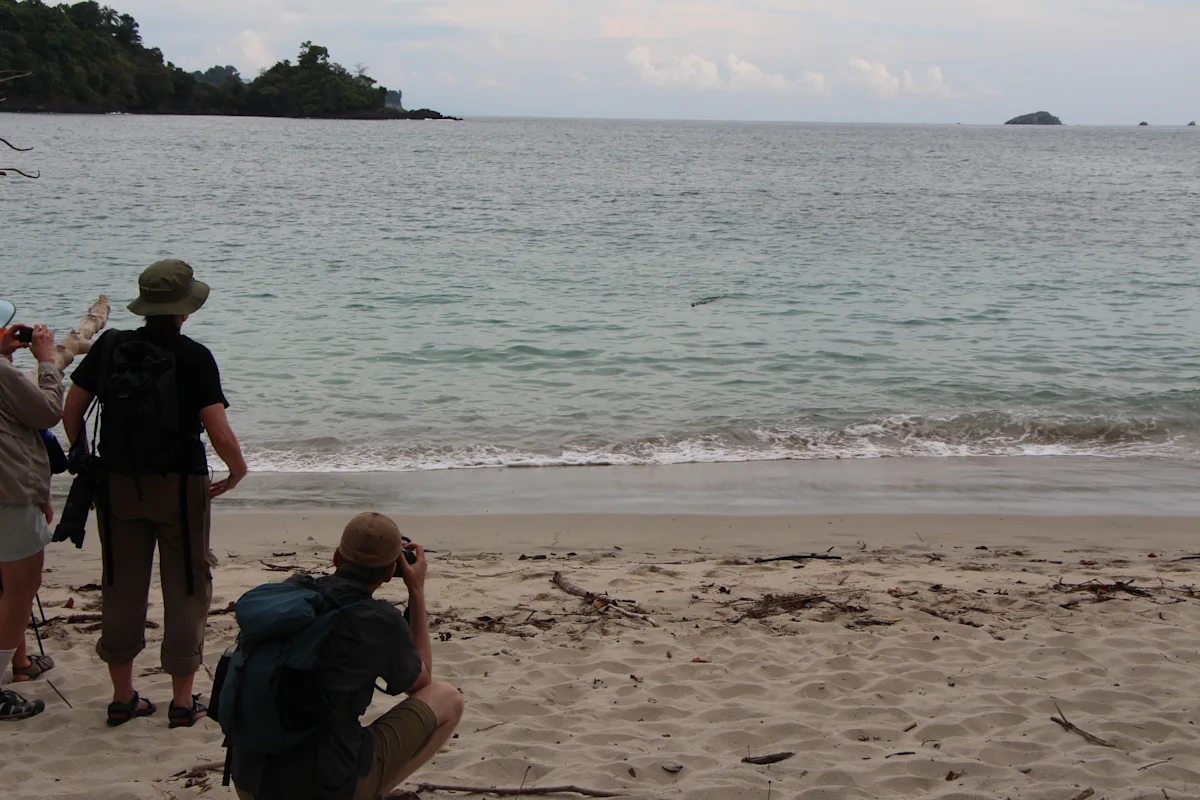
While in Manual Antonio National Park, we heard through the grapevine of other visitors that there was a crocodile down by the beach. Guided by our excitement, rather, guided by our fear, a few of us in the group decided to hike ahead to see if we could catch a glimpse of the large predator. When we reached the beautiful white sand shore, our hopes were lost as we were informed the crocodile had swum to the other side of the beach. When all of a sudden, to our amazement, the crocodile came back—and turned directly toward our group. While running to safety (although I was told the crocodile would be rather slow and bulky on land), I swiftly snapped a great photo of our group looking at the crocodile. My heart was racing the whole time.
By Jennafer Bonello, WWF