The Yellowstone National Park–Ebola Connection: Could It Help Protect More Natural Places?

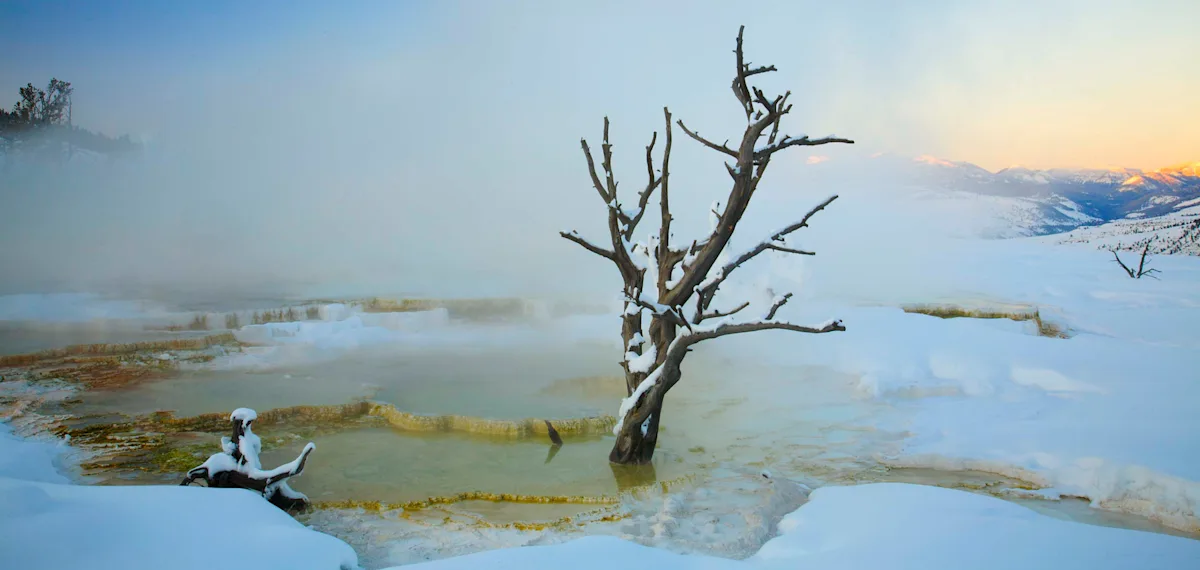
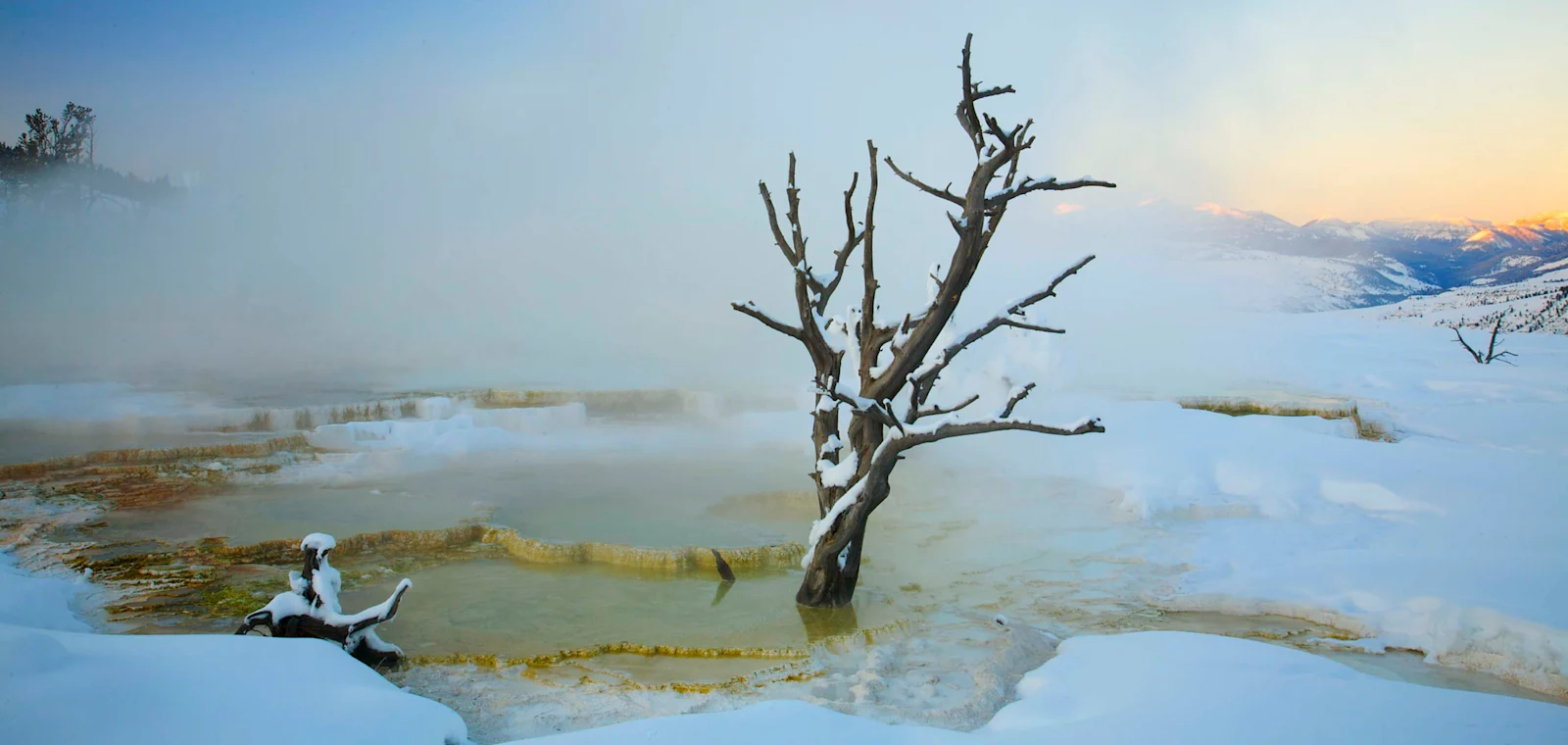
Recently, when a drone crashed in Grand Prismatic Spring in Midway Geyser Basin in Yellowstone National Park, it sparked a public debate about the use of such devices in our jointly owned, national treasures and the protections for such lands that we currently have in place. Of course, most of us wouldn’t advocate for having our access limited or want to see big fences built around the natural wonders we love to experience.
But when I read about the connection between a particular enzyme found in Yellowstone National Park and a step on the path to finding a cure for Ebola, I was even more struck by how much we need to safeguard these resources—even from ourselves. Lucigen Corporation,, opens in new tab a company located in a suburb of my own hometown of Madison, Wisconsin, has developed the first-of-its-kind Ebola diagnosis tool—one made from the famous park’s thermal features.
Could this accelerate stricter protections and garner more funds for our national parklands from Congress, or convince legislators to value our natural resources more?
Enzyme for diagnosing Ebola
Lucigen officials discovered the unique enzyme that works as a platform for testing for Ebola on a trip to Yellowstone several years ago. Found in Yellowstone’s Octopus Spring in the Lower Geyser Basin, this particular enzyme, opens in new tab can multiply either DNA or RNA—which is unusual—and can do so at a steady temperature. According to Lucigen scientists, having only one temperature makes using the instrumentation far simpler and speeds up reaction time. This could be a key factor in containing the spread of the disease.
While Lucigen Corporation has been working with the enzyme for more than a decade in tests for many sorts of infectious diseases, the company is now seeking emergency U.S. Food and Drug Administration approval for its portable Ebola diagnostic tool, which can be used anywhere in the field. A U.S. government agency is currently evaluating its performance against other tests, but the Lucigen version is already being tried in parts of West Africa where Ebola has spread.
Microbes for medicines
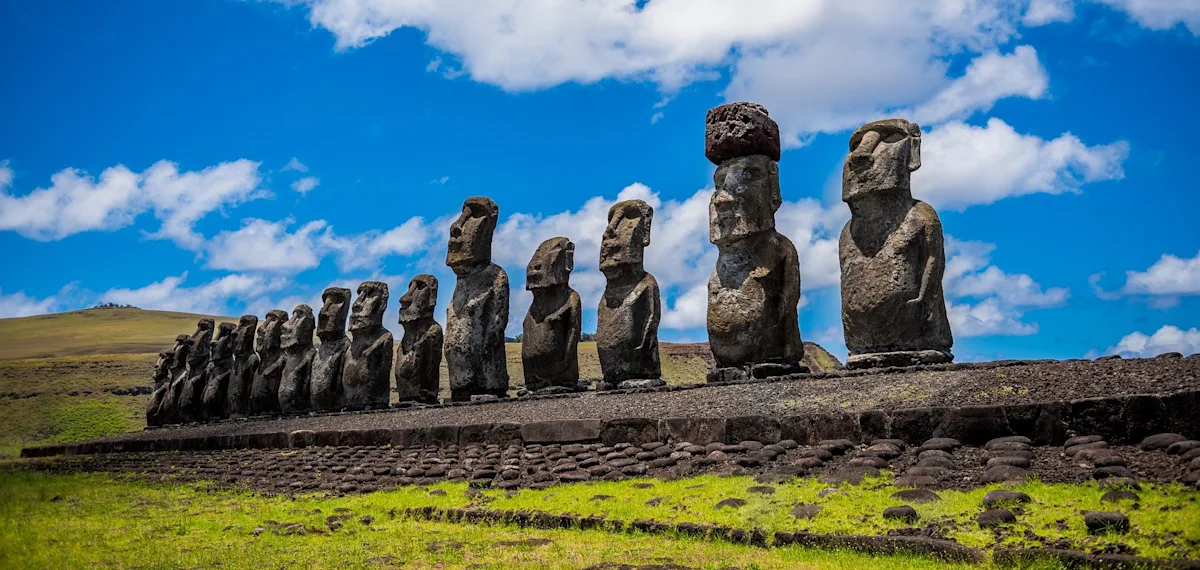
According to the Harvard School of Public Health, for almost 4 billion years, nature has been making biologically active compounds and conducting its own “clinical trials” on these compounds, which, if they didn’t work, are no longer around. Microbes have given us nearly all of our antibiotics, such as penicillin and cholesterol-lowering statins. In fact, the first statin came from a mold growing on an orange rind. A fungus from the dirt on Easter Island (or Rapa Nui) is the basis for an immune suppressing agent called rapacmycin, used in organ transplants and as a coating on surgical stents; and about half the drugs we depend on in our daily lives come directly or indirectly from the natural world.
Some of those compounds and medicines are:
• morphine from the opium poppy (Papaver somniferum),
• aspirin from the white willow tree (Salix alba vulgaris),
• the anticoagulant Coumadin from spoiled sweet clover (Melilotus species),
• vinblastine (which turns the once uniformly fatal Hodgkin’s lymphoma into a disease that can now be totally cured in many patients) and vincristine (which has done the same for acute childhood leukemia and lymphoma) from tropical plants such as the Madagascar periwinkle (Catharanthus roseus),
• Taxol, an anticancer drug from the Pacific yew tree (Taxus brevifolia),
• AZT, the first effective remedy against AIDS, from an obscure sponge discovered in the Caribbean in 1949, and
• bryostatins, produced by sea creatures called bryozoans, which potentially could be treatments for Alzheimer’s disease, cancer and HIV/AIDS.
I realize, of course, that there is a danger in solely judging the worth of a natural area or a species on how it medicinally benefits us. But if the Yellowstone-Ebola connection could help provide more money or protections for our national parks and natural resources, perhaps environmentalists should capitalize on such tie-ins.
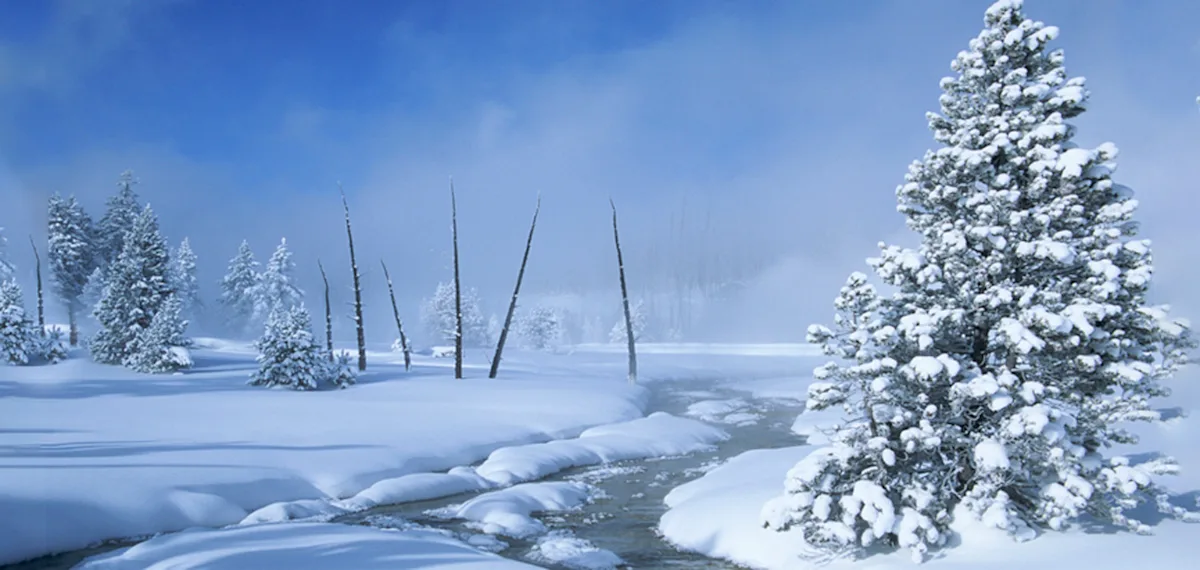
Do you think the Yellowstone–Ebola link could help in achieving protection for more of our natural lands,, opens in new tab especially before the next presidential election?
Here’s to finding your true places and natural habitats,
Candy