The Privilege of Proximity to Polar Bears
The Canadian community of Churchill, Manitoba, lives in geographic isolation. There is no paved road to get there. In the summer you can arrive by boat on Hudson Bay, but when it starts freezing over in the fall, an airplane ride or a long haul on a slow train are the only ways to get in or out.
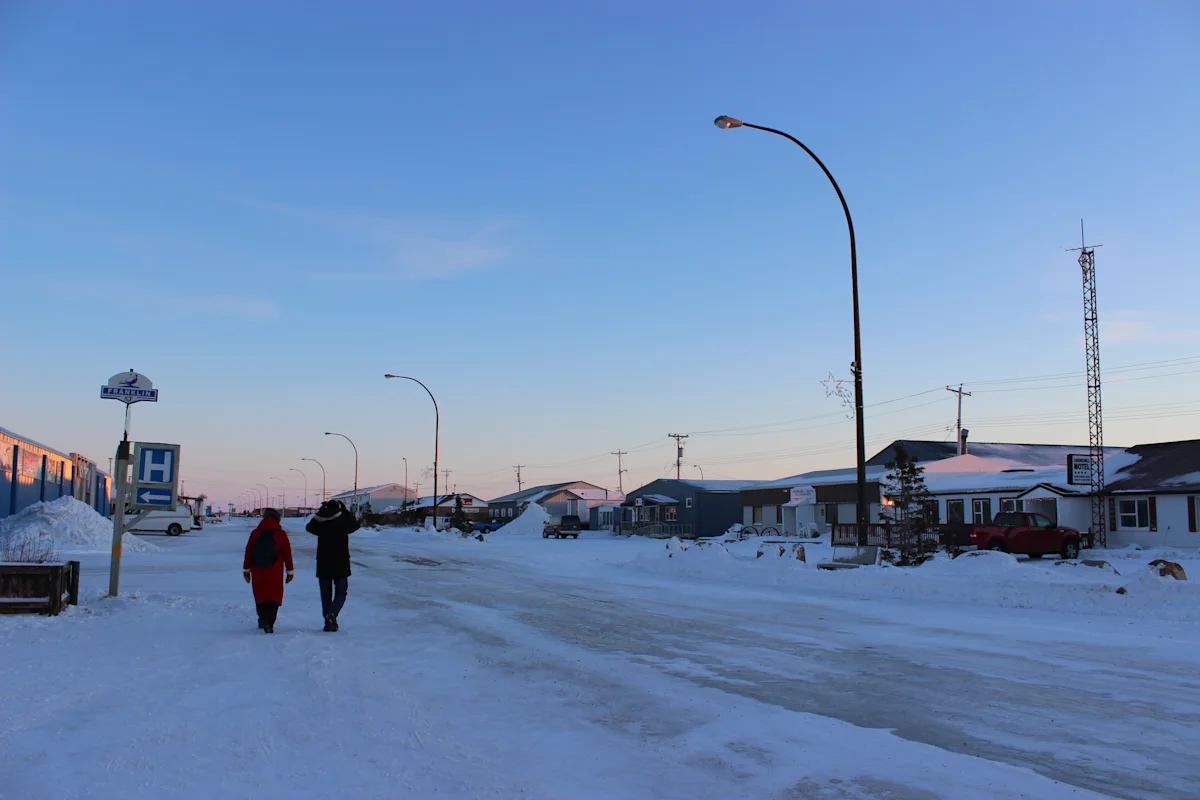
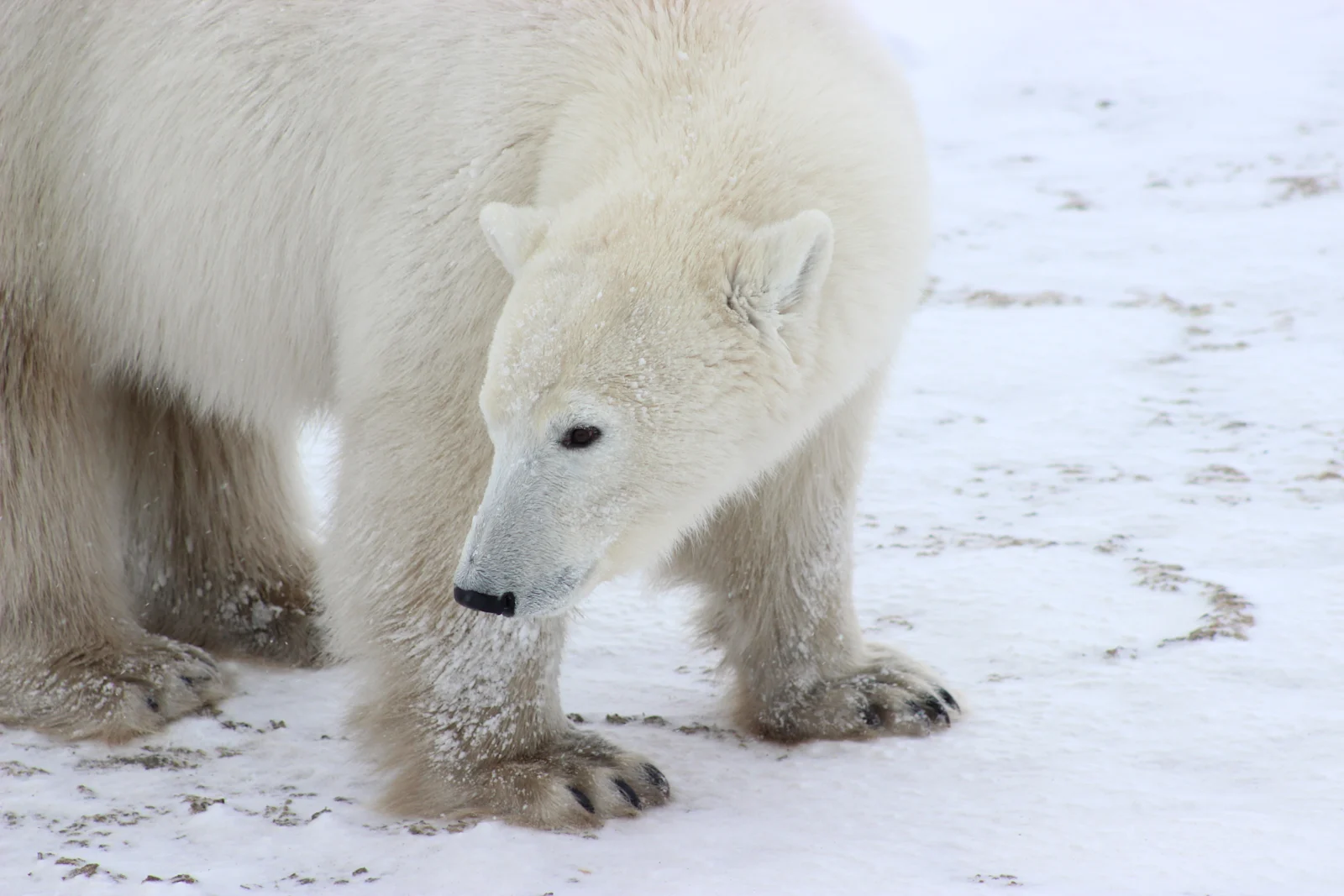
Still, Churchill is actually the most accessible place in the world where you can see polar bears in the wild. Bears congregate there in October and November, waiting for sea ice to form on the bay so that they can head back out to sea to hunt.
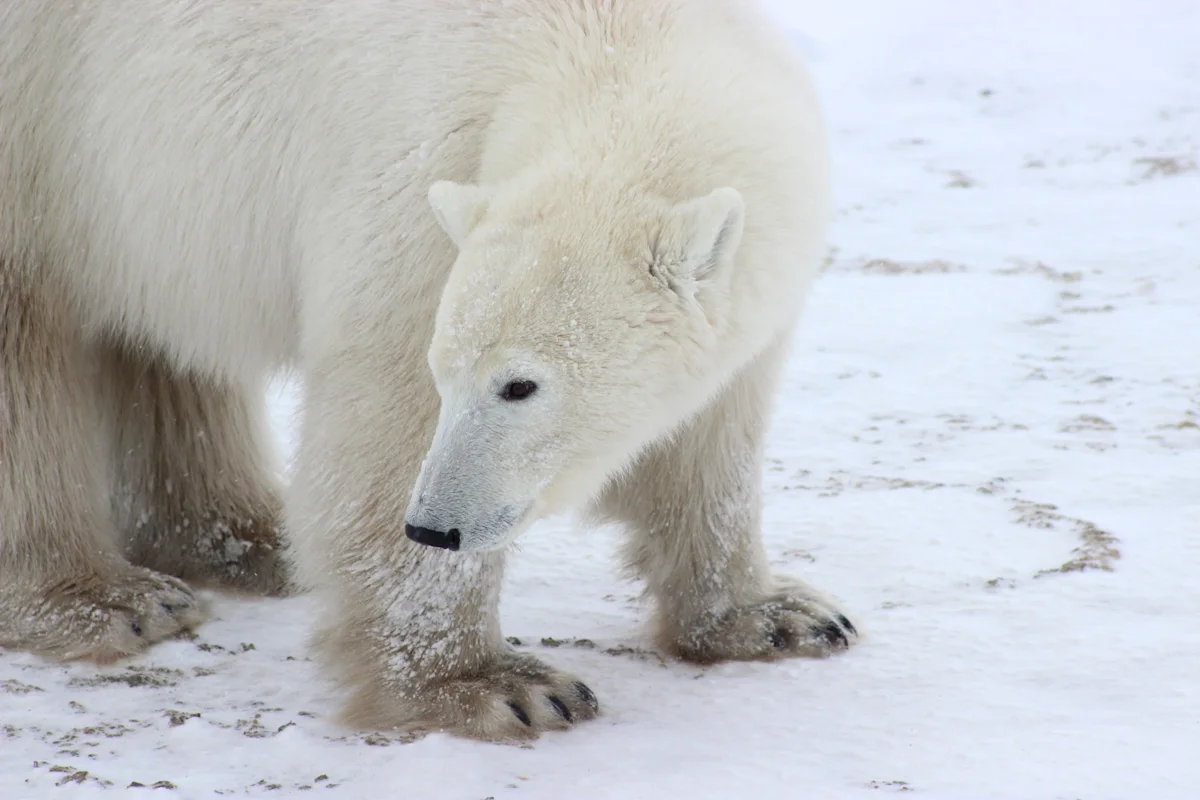
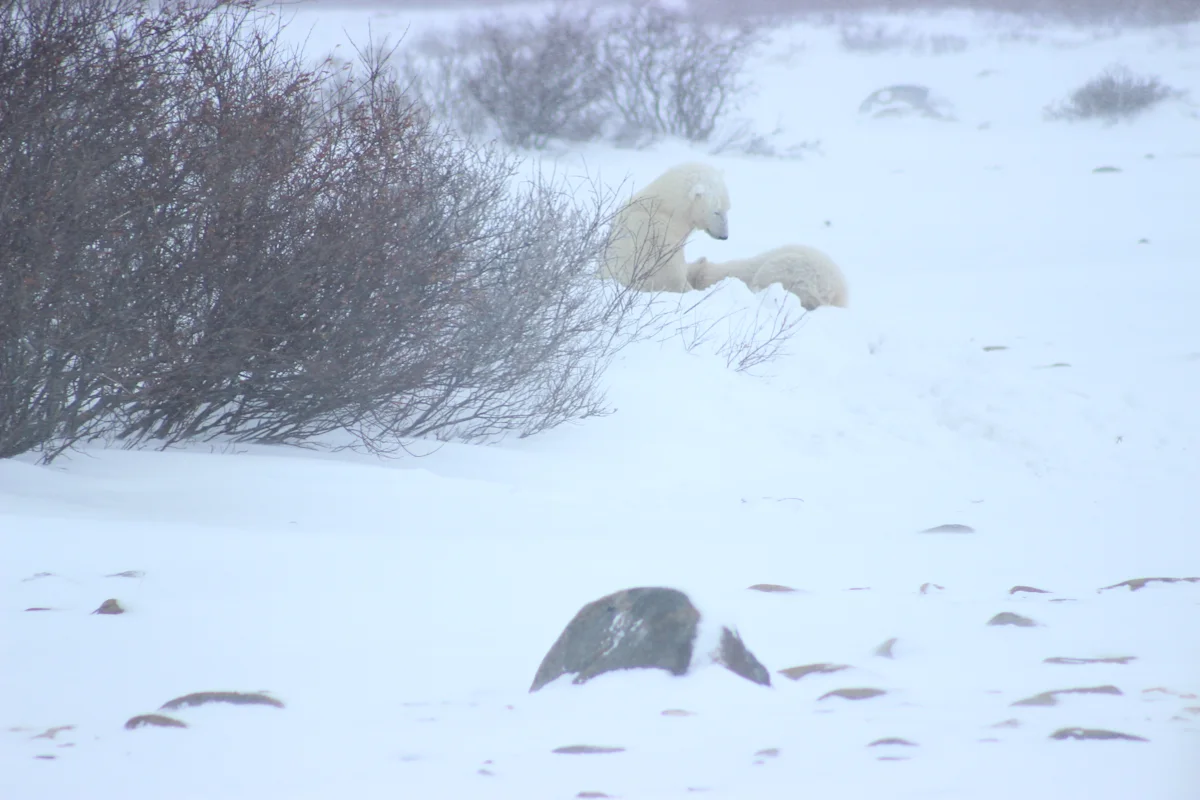
The bears’ stark realm—snow-covered tundra against a steel-gray sea—may seem desolate and bleak, but when you feel the crisp air against your face and watch a couple of juvenile bears play-fight, or a mother bear nurse a year-old cub, you feel immensely privileged. Churchill suddenly seems a place of abundance. There is freedom in your time on the tundra as you observe polar bears from the safety of a specially outfitted polar rover.
And despite eking out an existence in a place where temperatures can average 15 below zero, 35-year resident Vicki McEwan says she relishes how Churchill’s extremes have given her children a sense of the wonder the world holds.
But those who call Churchill home also spend their time living on alert. Polar bears often wander through town, and human-polar bear conflicts do occur. “It’s challenging,” says Kelly Turcotte, a year-round resident who runs a dogsledding operation. “We are in their land, their area, so we have to coexist.”
Like polar bears adjusting to the effects of climate change, the residents of Churchill have to be willing to adapt. As I learned from spending a week there, they are more than willing to do so for the freedom they gain in return.
Travel to see polar bears with WWF & NatHab, opens in new tab
This article was originally published in the Summer 2014, opens in new tabissue of World Wildlife Magazine, opens in new tab.