The "Little Five"

Go on a safari in Africa and you’ll hear plenty about the “Big 5.” The term originally referred to the top five species that hunters sought on their bucket list but has now evolved to mean the top five big mammals in Africa—those being the lion, elephant, Cape buffalo, leopard and rhino.
While all of the animal lovers among us want to observe those species in their natural habitats in Africa, there are also some really cool little animals to look out for. We call this our “Little Five.”
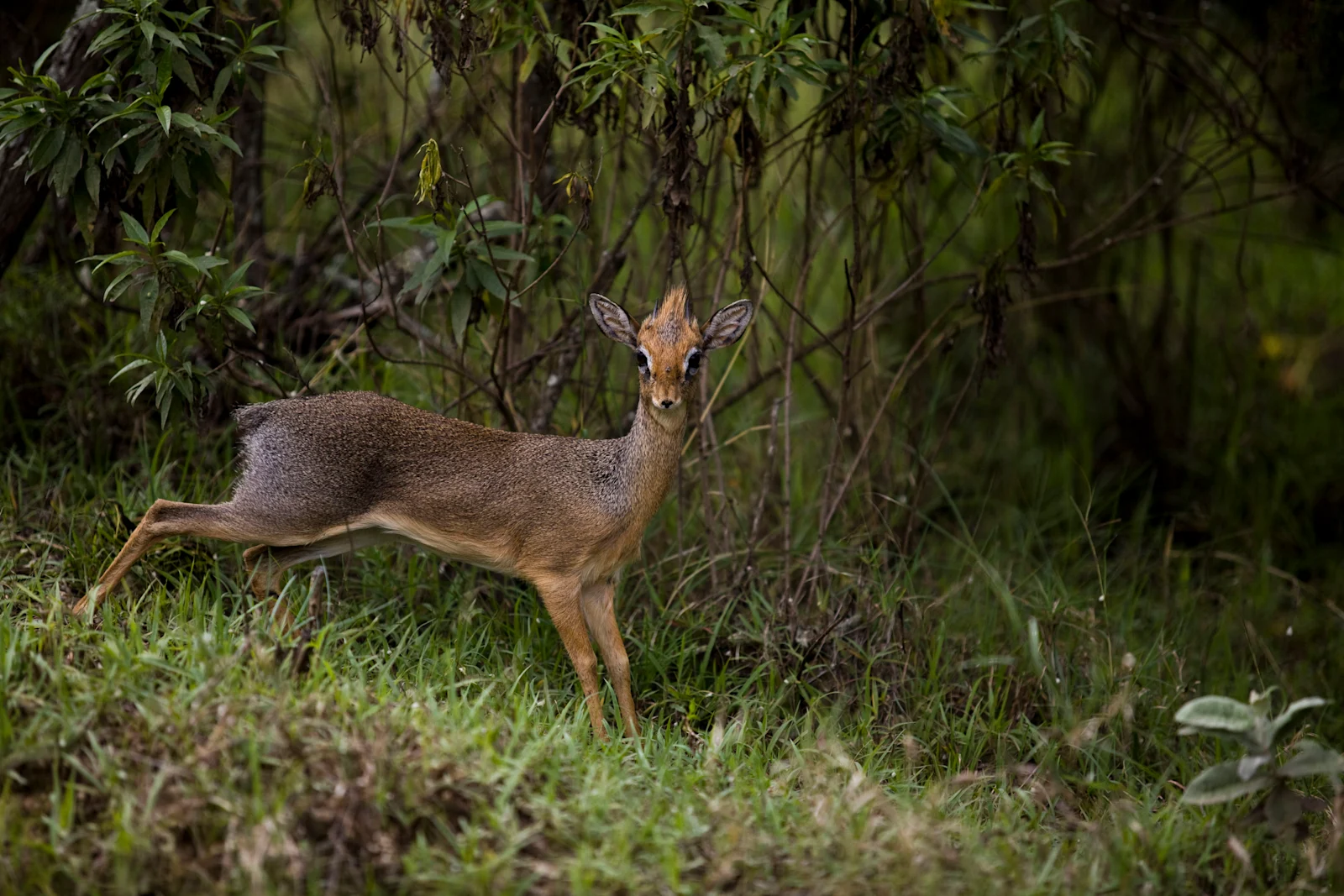
Kirk’s Dik-dik
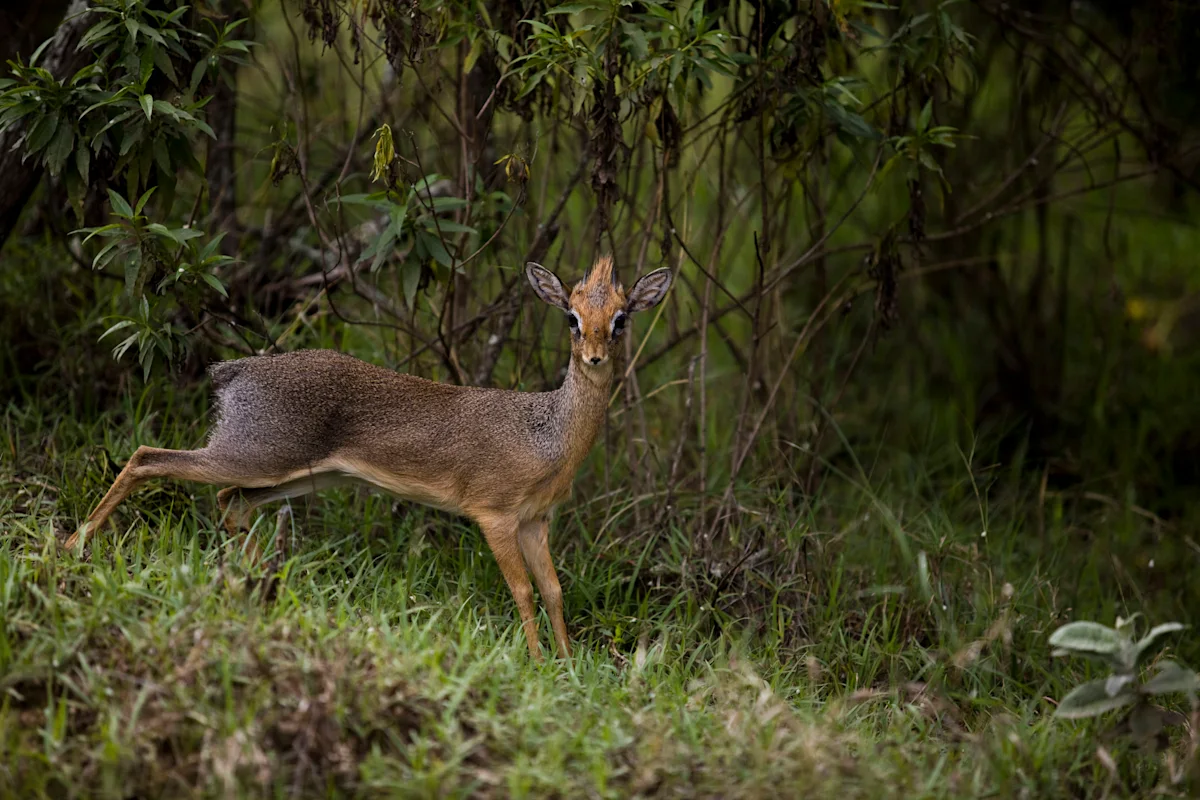
A dik-dik is a small African antelope. Its name is onamonapia — “dik dik” is the whistling sound the animal makes to warn others in its species that danger is lurking. Dik-diks have evolved a cooling mechanism that keeps them from overheating. It works so well, that dik-diks are water-independent, getting their hydration needs met from their vegetation-based diet.
Size: Dik-diks weigh only 10 to 12 pounds and are just 14 to 16 inches tall at the shoulder. Male dik-diks have 3-inch-long horns.
Where to see one: Dik-diks live in the bushlands of eastern and southern Africa. You can spot these diminutive creatures on safari in Namibia, opens in new tab, Tanzania, opens in new tab and Kenya, opens in new tab, but keep a close eye out—they tend to hide when startled.
Golden Lion Tamarin
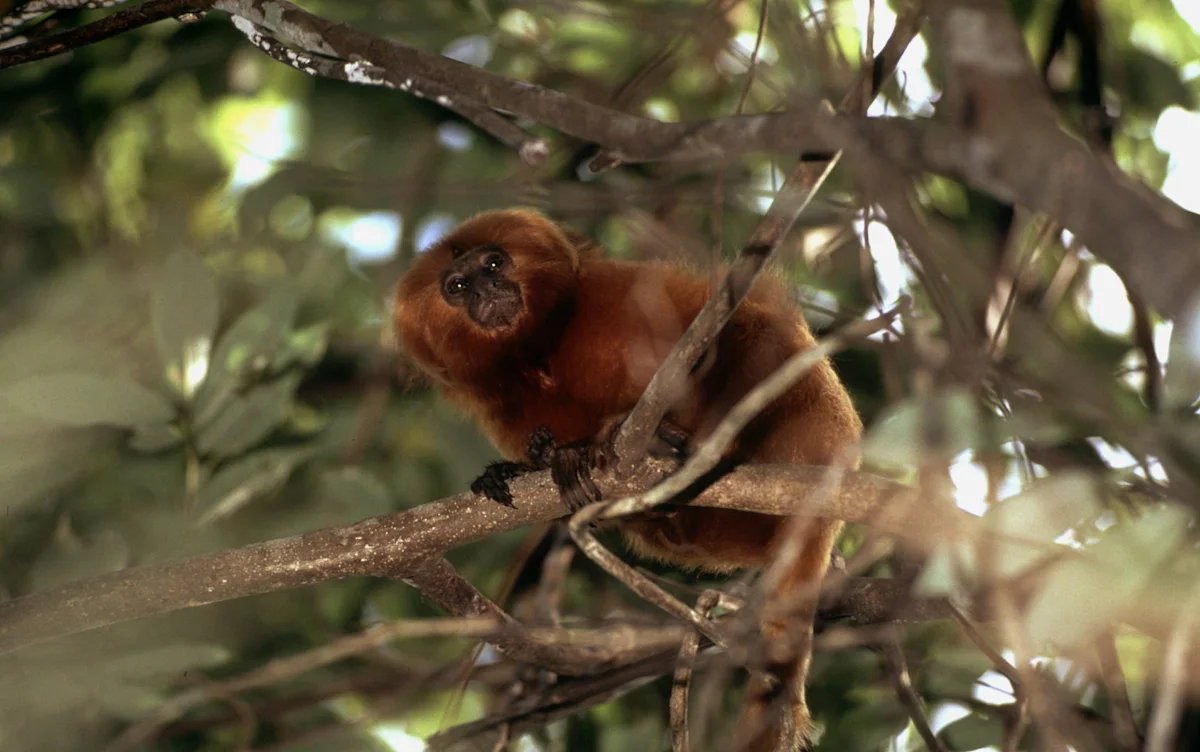
The golden lion tamarin is named for its mane of lustrous yellow hair. The species was “critically endangered” from the late 1990s to the early 2000s, but was down listed to “endangered” after nearly 30 years of conservation work.
Size: The golden lion tamarin is around 8 inches tall and weighs about 1.5 pounds.
Where to see one: Golden lion tamarins can only be found in the lowland Atlantic rainforest of Brazil. However, the species is endangered, making it difficult to spot one in the wild. If you want to see these pint-sized primates in person, visit the Golden Lion Tamarin Conservation Project. There you can tour the educational center, see the species up close and meet with conservationists who help protect the tiny tamarins.
Monarch Butterfly
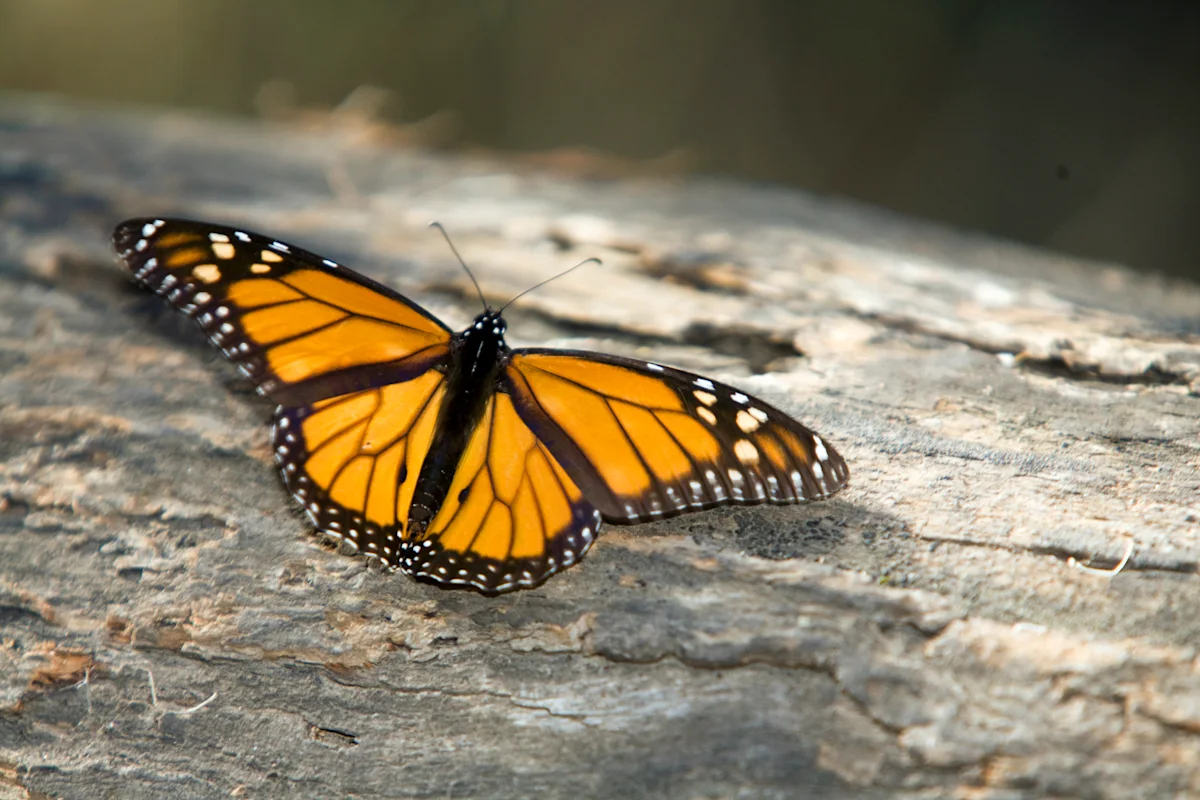
These stunning insects may seem delicate, but Monarch butterflies are a durable species. They migrate more than 3,000 miles every year from their breeding grounds in the northeastern United States and Canada to their wintering grounds in the highlands of central Mexico.
Size: Monarch butterflies weigh less than half a gram and have a wingspan of just 4 inches.
Where to see one: Travel to Mexico’s central highlands in the winter months and you’ll see them everywhere. Millions of butterflies cling to every available bush and branch and fill the sky with orange and black clouds.
Bat-eared Fox
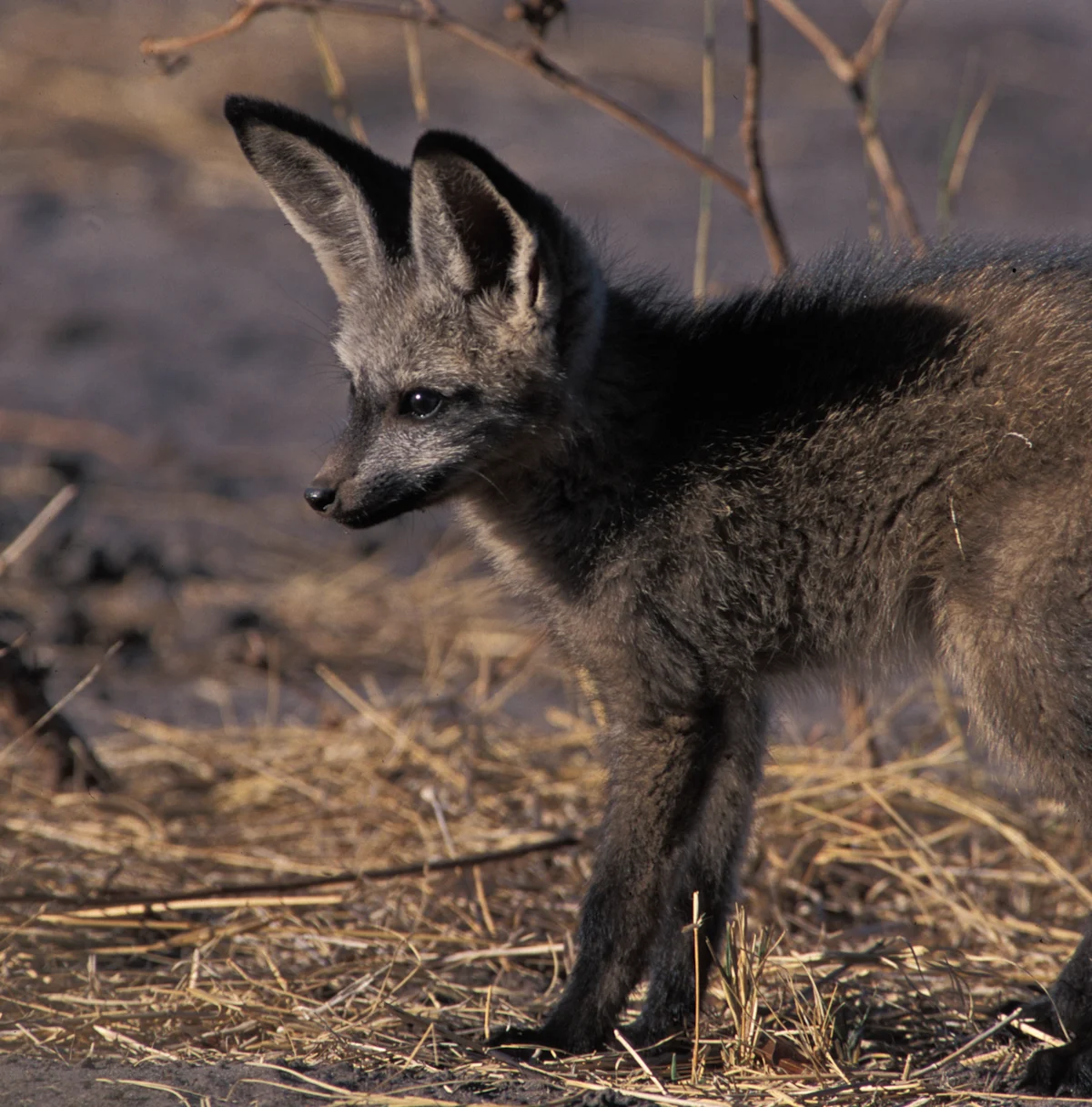
The small size of the bat-eared fox is emphasized by its unusually large ears. These foxes play an important role in termite control: A single bat-eared fox can eat up to 1.15 million termites in a year.
Size: Bat-eared foxes are around two feet long—with ears up to 5.3 inches long—and weigh just 7 to 12 pounds.
Where to see one: Bat-eared foxes live throughout southern and eastern Africa. They are most active at night, so try a night drive to spot them in the wild. Night drives are available on safaris in South Africa, opens in new tab, Botswana, opens in new tab, Namibia, opens in new tab and Kenya, opens in new tab.
Hummingbird
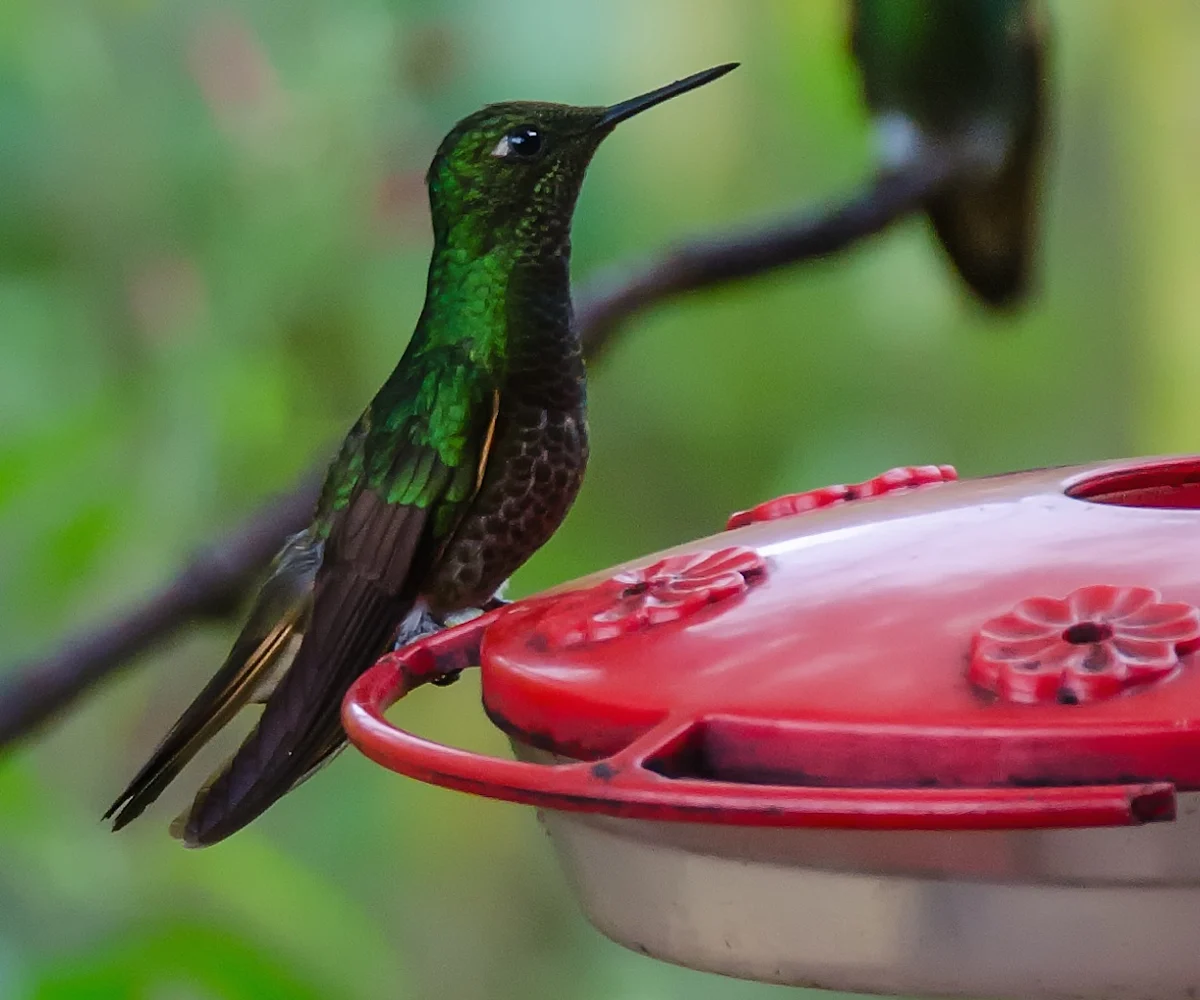
Hummingbirds are named for the murmur of their rapidly-beating wings, which move 12 to 80 times per second (depending on the species). The teensy birds are the perfect size for their mode of food gathering: drinking nectar from flowers.
Size: Hummingbirds are among the smallest of birds, with most species measuring three to five inches long.
Where to see one: More than 80 species of hummingbird can be found throughout North and South America. For the best hummingbird viewing, we recommend the San Jorge de Tandayapa Hummingbird Sanctuary in Ecuador. Twenty-six species of hummingbirds live in the cloud forest here, along with 500 different bird species.