Send in the Crows

Three animal or plant species are going extinct every hour, according to a report presented by Ahmed Djoghlaf, executive secretary of the Convention on Biological Diversity,, opens in new tab an international treaty that is part of the United Nations Environment Programme., opens in new tab Most of them are quickly disappearing because of human activities: clearing of land for farms or cities; pollution of lakes, rivers and oceans; rapid climate change brought on by carbon emissions; and our proliferation around the planet. The charismatic animals that are threatened, such as the black rhinoceros, opens in new tab and African elephant, are usually the ones who grab our attention, and we are moved to form organizations and donate money to help save them.
As wildlife and nature travelers, however, rarely do we receive newsletters dedicated to or hear stories about the animals that are doing the opposite: thriving alongside us, in response to our indecent behaviors on the Earth. For example, rats, cockroaches and pigeons—known as synanthropes, defined as “wildlife which lives near and benefits from an association with humans and the somewhat artificial habitats that we create around them”—routinely incite our irritableness or anger. We tend to regard them as pests.
The IQ quotient
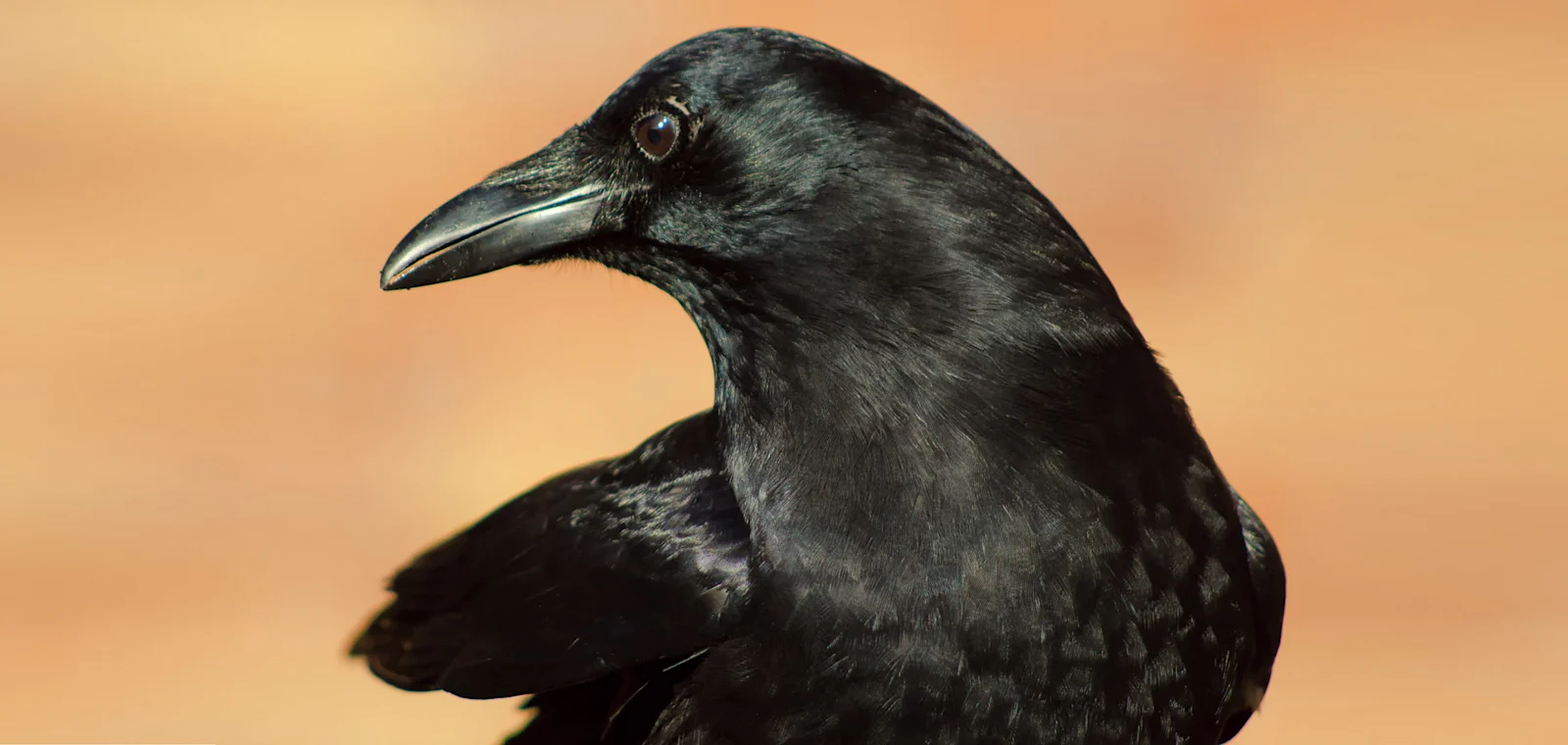
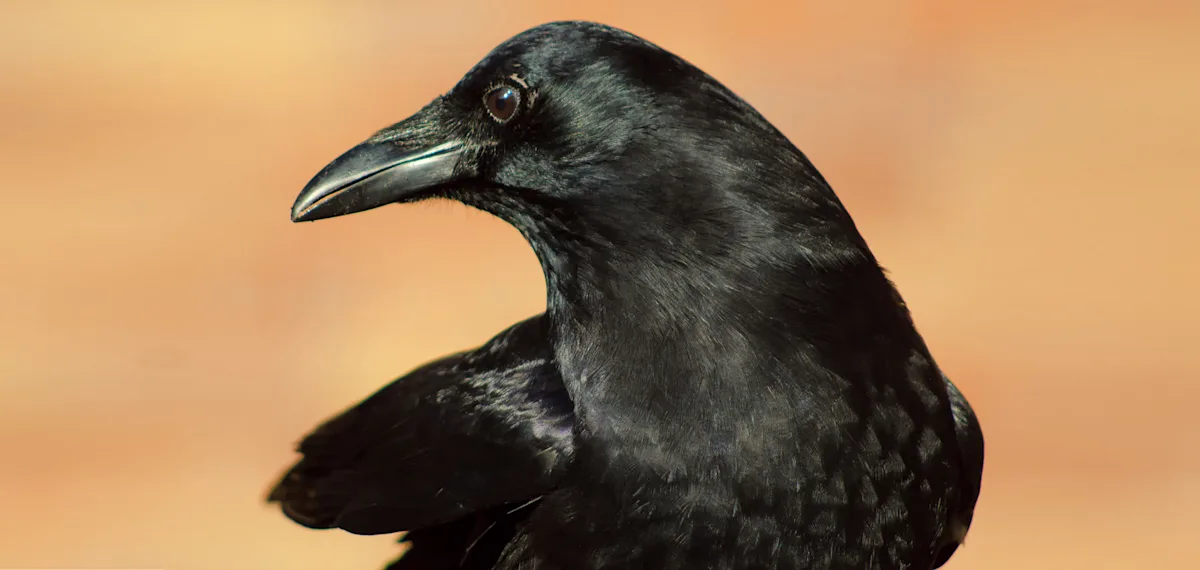
Another synanthrope is the crow. Today, crows are found on every continent except Antarctica and South America. In all that range, they are rarely found breeding more than three-and-a-half miles from human beings. The fact that crows and their relatives—ravens, magpies and jays—are renowned for their intelligence probably has something to do with their ability to adapt and flourish in human-dominated landscapes. It’s almost as if they’ve decided that if you can’t beat ‘em, join ‘em.
Wild hooded crows in Israel have learned to use our breadcrumbs for bait fishing. Crows in American and Japanese cities have been observed dropping tough nuts onto heavily trafficked streets and then waiting for cars to crush them open. When the pedestrian light changes to “go,” the birds walk into the street with the people in order to retrieve the nuts without getting run over. And recent research suggests that crows have the ability to recognize one individual human from another by facial features. They even transmit information about “bad” humans to other crows by squawks.
Cheep labor
Because he was told it was “impossible,” Joshua Klein, a principal technologist for the global innovation firm Frog Design (a technologist is a “quintessential hacker,” or one who takes everything apart and puts it back together—only better), decided to see what he could teach these smart birds. He built a crow vending machine out of wood and dispersed quarters and peanuts around its base. Once the birds got acclimated to the box, he eventually left only the quarters on the ground at the bottom. The crows learned to put the quarters in the machine to “purchase” the peanuts. Klein postulates that we could train crows to do tasks for us, such as pick up our trash after games in stadiums.
The idea isn’t much of a stretch from the results of the vending machine experiment. We could release a team of crows into any arena after a sports match; and for every popcorn carton or soda can deposited into a trash bin, a peanut would be dispensed.
But how much can we alter a wild animal’s behavior before that animal is no longer wild? Is it okay to train wildlife to work for us, or does that extinguish some of the “fire” within?
Teaching animals we consider to be pests to live and work for our purposes may just be the way to keep us from annihilating yet other species before the hour is over.
Here’s to finding your true places and natural habitats,
Candy