Scientists Aboard the Australis Encounter Mystery Orca
For Natural Habitat travelers, theS/V Australis expedition boat represents an epic voyage into extreme waters bursting with wildlife on our Sailing Antarctica: The Ultimate Polar Nature Expedition. For international cetacean researchers aboard the Australis, the boat represented a similar journey. Instead of touring Antarctica’s icy landscape, though, these researchers sought to be the first experts to encounter a mysterious subantarctic orca.
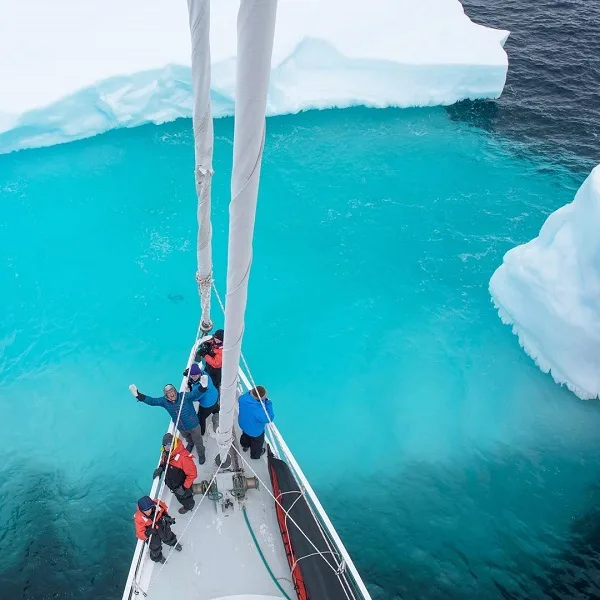
This past January, Dr. Robert Pitman, opens in new tab and a group of researchers on the vessel Australis embarked on an expedition to find a mysterious orca that looks different from the iconic species we have come to know and love. After more than a week of patiently waiting for this orca to appear off the coast of southern Chile, the boat was finally approached by a pod of 30 strange-looking orcas.
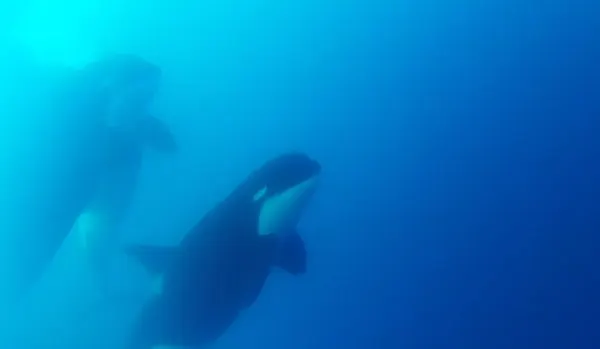
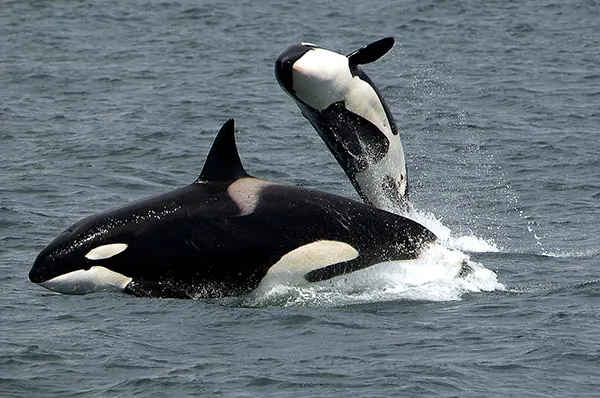
This orca, which researchers are calling “type D,” has a smaller white eye patch, rounder head and a narrower, pointed dorsal fin than a typical orca. They are also considerably smaller than other types of orcas.
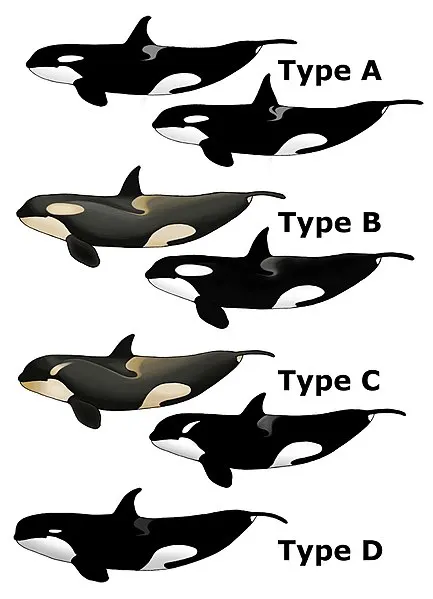
Scientists aboard the Australis took skin samples via a harmless collection method to analyze type D’s DNA. This sample will help scientists determine if these orcas represent a distinct species. Though there are currently several other types of orcas, including type A, type B, and type C, all of these are considered part of the Orcinus orca family. If found to be a distinct species, type D orcas could be the largest unidentified marine species discovered to date.
Type D orcas were first spotted when more than a dozen were found stranded in New Zealand in 1955, but they had never been encountered by scientists in the wild. Due to increased tourism in Antarctica, scientists have been able to gather high-quality photographs of reported orca sightings. These amateur photographs and various descriptions circulated rumors about these mysterious “new orcas,” but it wasn’t until researchers aboard the Australis set off to find the animals from reported fishermen sightings that scientists actually spotted them.
International whale experts recorded type D calls and captured underwater photos and videos of these type D orcas, opens in new tab. DNA samples are currently on their way to laboratories, where NOAA scientists will be able to determine how different type D orcas are from traditional orcas. This amazing encounter is just another example of the countless discoveries left to be made in our world’s oceans.