New Snowmobile Lottery System: Will It Alter Yellowstone’s Winter Solitude?

While anyone who has traveled to Yellowstone National Park knows that the sights alone are enough to take your breath away, I’m always struck by how unprepared I am for what I would describe as the “timeless sounds” of Yellowstone: the howls of wolves on the wind, the yips of coyotes on the hills, the rushing of water over rocks. For me, Yellowstone represents the natural music of a world that has always been there, but we, somehow, forgot.
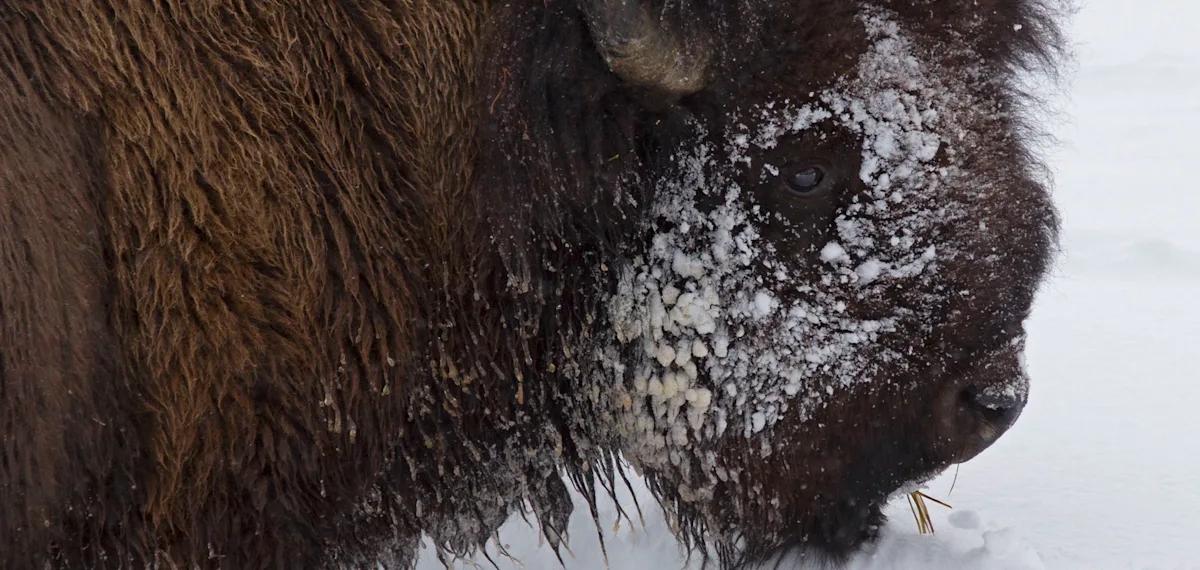
Those innate sounds are especially poignant and more pronounced in Yellowstone in winter, when there are fewer visitors; the air seems crisper and cleaner; and the snow itself seems to “speak” when bison sweep their massive heads back and forth through it, shoveling for better forage.
This winter, however, for the first time since 2003, the National Park Service (NPS) is granting permits, opens in new tab for self-guided snowmobile trips in Yellowstone National Park through a lottery system. Will this drastically change the winter Yellowstone experience for those who seek the park’s most-quiet seasonal soundscape?
The “snowmobile wars” of the past
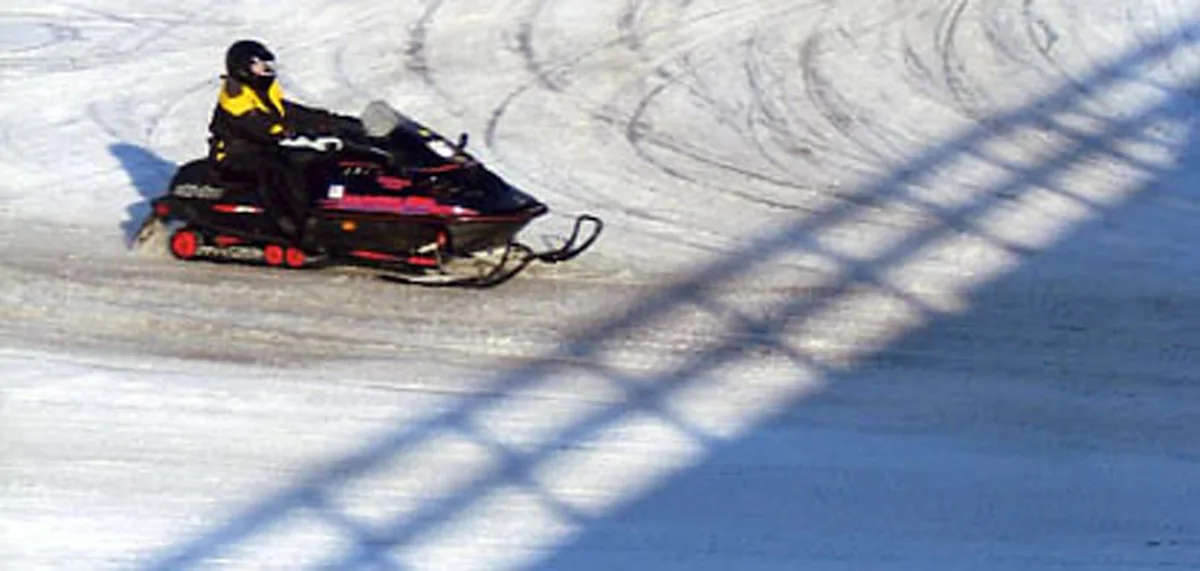
The new permits will allow one group of up to five private snowmobiles per day through each of the park’s four entrances: North (near Gardiner, Montana), South (near Jackson, Wyoming), East (near Cody, Wyoming), and West (near West Yellowstone, Montana). The noncommercial snowmobiling permits are valid for a maximum of three days.
Previously, the only way to snowmobile in Yellowstone National Park was by going on a commercially guided tour. That rule was put in place due to the snowmobiling excesses of the 1990s. Then, as many as 2,000 snowmobiles zoomed through the park each winter day; and the sheer numbers of so many whining, exhaust-pumping machines had almost everyone agreeing that there was a problem. According to one story on National Public Radio,, opens in new tab entrance stations were encased in a blue haze of fumes while big lines of snowmobiles waited to get into the park. Park rangers even began to wear respirators. In 2004, the National Park Service limited the number of snowmobiles to 720 per day.
In 2013, only 300 snowmobilers entered the park daily. This winter, with the new, noncommercial permit program, more than 500 snowmobiles will be allowed in the park each day. Groups will be expected to obey the park’s 35-miles-per-hour speed limit and adhere to the strict regulations that limit snowmobile emissions and noise.
More recreational opportunities = more park stewards
Many environmentalists argue that whether or not snowmobiles are required to pass stringent tests for noise and air pollution before they’ll be admitted inside the park, they will still create a disruption of the quiet and lesson air quality. And, since few existing snowmobiles can currently pass the tests, there could be a tendency to allow borderline machines in if the daily quotas are far from being reached.
Some worry that permitting private groups of snowmobilers into the park opens the door to those who, lacking supervision, may not keep their vehicles the proper distance away from wildlife. A five-member group and the collective noise from its snowmobiles will stress animals, such as bison, that require all the energy they can muster just to find enough food in the winter in order to survive.
Allowing self-guided snowmobilers into Yellowstone again could be viewed as part of a larger, national trend of expanding recreational opportunities in our national parks in an effort to convince young people that spending time in the outdoors is fun. In fact, Secretary of the Interior Sally Jewell believes that the best way to get the young to discover parks is by playing in them., opens in new tab Once they do that, they will naturally become conservation advocates and the parks’ future stewards. Among Jewell’s goals is getting 10 million urban kids into the parks by 2017.
Do you think Yellowstone’s new lottery system for allowing private groups of snowmobilers into the park will impair your ability to find the winter peace and quiet you seek?
Here’s to finding your true places and natural habitats,
Candy