Nature’s New Health Benefit: the Soft Fascination of Trees

The emerald ash borer, opens in new tab is a serial killer, responsible for more than 100 million tree deaths. A beetle native to Asia, the emerald ash borer was first discovered in the United States in Michigan in the summer of 2002. Since then, it has spread to 17 more states and Canada.
This insect’s destruction is not only depriving us of our trees, it turns out, but is also taking a toll on our own health. Trees supply a good share of our oxygen, of course, and act as natural filters, cleaning the air of pollutants. But recently it’s been discovered that when the trees in our neighborhoods die, we tend to perish more frequently, too.
It’s believed that this surprising result is due to an effect known as “soft fascination.”
I ♥ trees
Within four years of first becoming infested with emerald ash borers, ash trees die. Other than leaving once-lined neighborhood streets and parks bare, something else seems to happen—something inside us.
According to a study published just this month by the National Institutes of Health titled The Relationship Between Trees and Human Health: Evidence from the Spread of the Emerald Ash Borer,, opens in new tab mortality related to cardiovascular and lower-respiratory-tract illnesses increases in places infested with the emerald ash borer. The report stated that “across the 15 states in the study area, the borer was associated with an additional 6,113 deaths related to illness of the lower respiratory system, and 15,080 cardiovascular-related deaths.” In conclusion, say the researchers, the loss of trees to the emerald ash borer “adds to the growing evidence that the natural environment provides major public health benefits.”
In fact, data released in a report by the Center for Chesapeake Communities and the Pinchot Institute for Conservation just a few years ago showed that trees in the Washington, D.C., area remove more than 8.3 million pounds of nitrogen dioxide each year, the equivalent of taking more than 274,000 cars off the road annually. And, based on studies of the costs of pollution to society, such as in health care, the district’s tree cover saves nearly $51 million annually.
While that may partially explain why trees help keep us from getting respiratory illnesses in the first place, it doesn’t account for why mortality rates from such diseases rise when trees disappear.
Soft fascination
While evidence has been building up for a few years now that a dose of nature can alleviate a number of health problems, a new line of modern thought suggests that great forests, trees and other natural elements affect our health in more nuanced ways, as well. In a classic 1984 study involving patients recovering from gall bladder removal surgery in a Pennsylvania hospital, researcher Roger Ulrich, opens in new tab manipulated the outside views from the convalescents’ windows so that half were able to gaze at trees while the other half saw only a brick wall. The patients who saw nature outside their windows recovered faster, requested fewer pain medications and had slightly fewer surgical complications than those with the view of a wall.
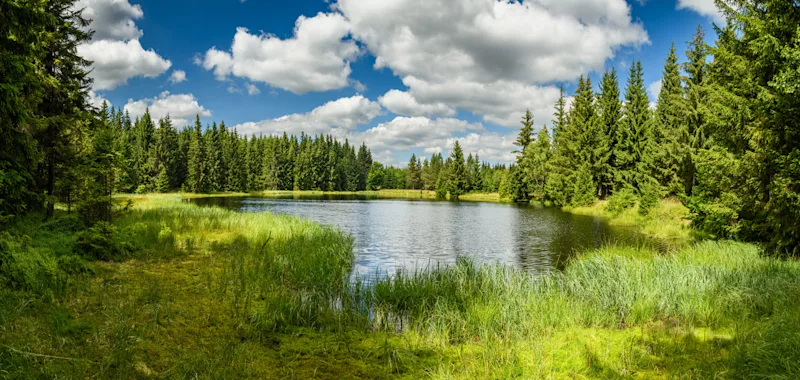
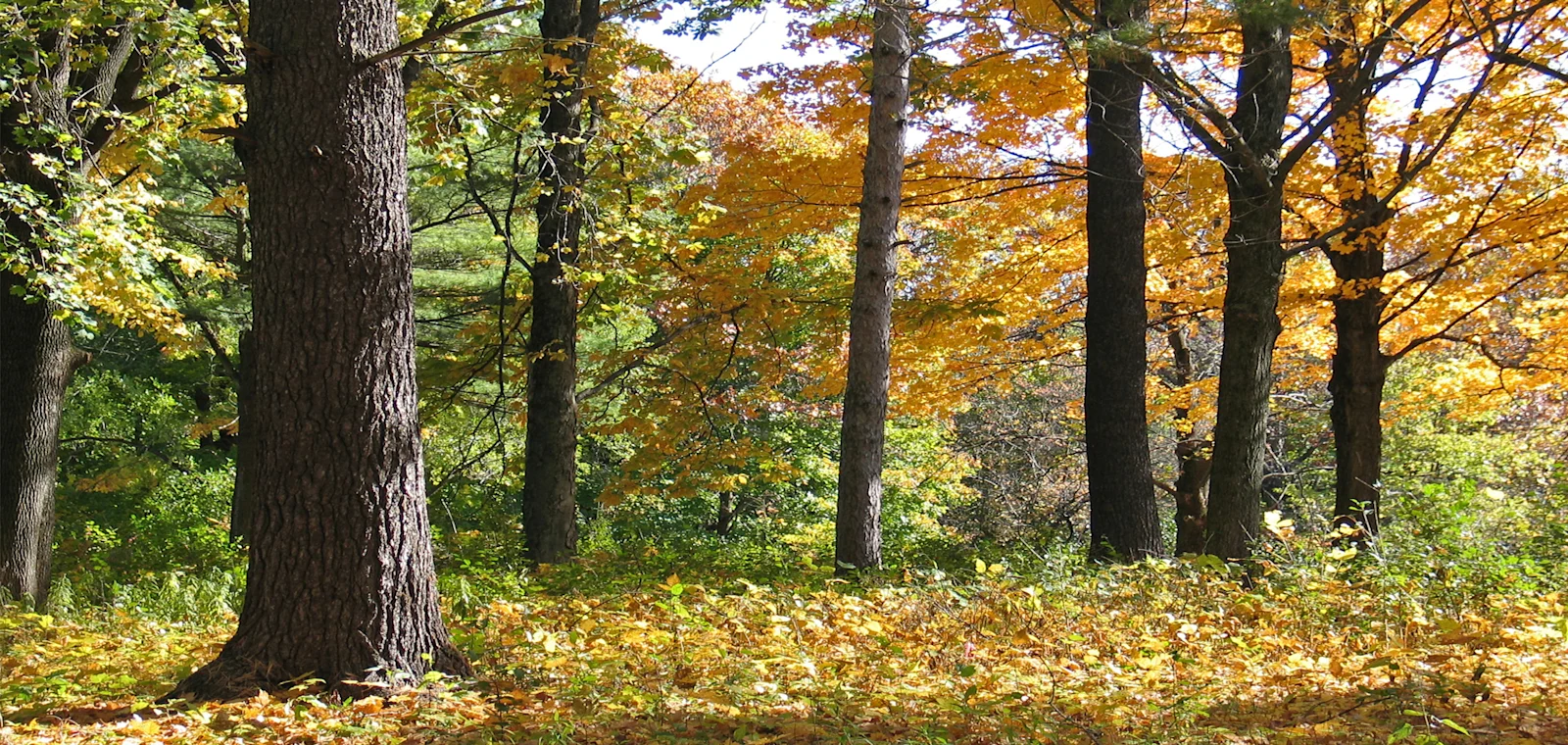
Environmental psychologists Rachel and Stephen Kaplan attribute this restorative ability of nature to something they term “soft fascination,”, opens in new tab as opposed to directed attention. Directed attention, or intentional focus, is seen as a limited resource that tends to get overused and depleted in modern, urban society. On the other hand, soft fascination replenishes our capacity for paying attention. Whether you encounter birdsong, a sunrise, a grove of trees or a babbling brook, “soft, fascinating stimuli” effortlessly capture our attention and lull us into a sort of hypnotic state, where negative thoughts and emotions are overtaken by a positive sense of well-being.
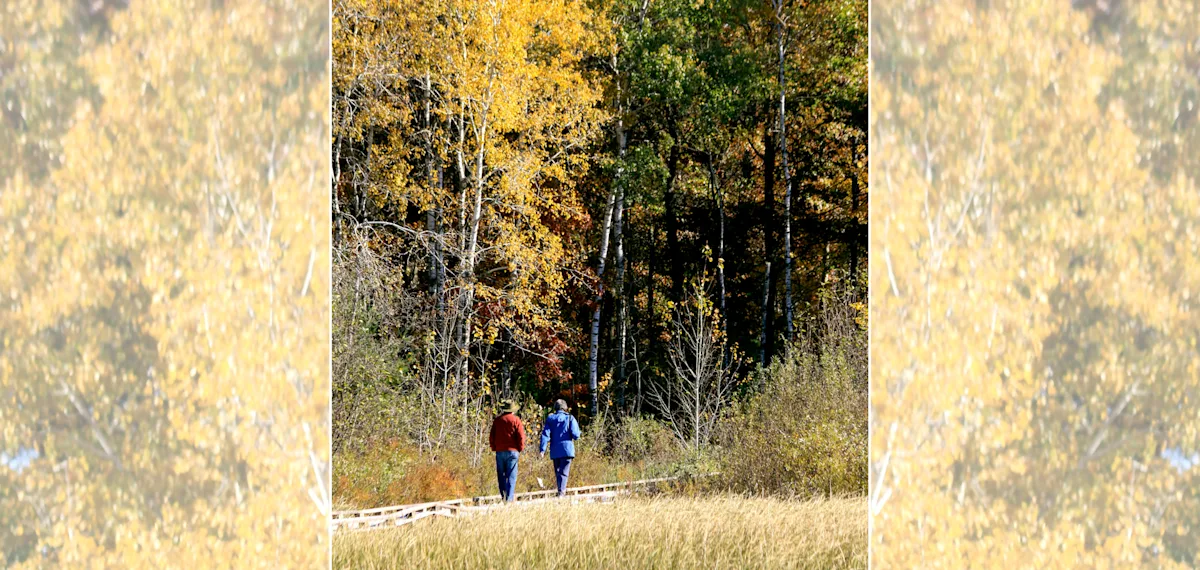
It’s becoming more and more apparent that our health is directly related to the health of our environment, not only in the most direct ways but in myriad, subtle and minute fashions. While this may be something new to scientists, poets and writers have had the inside scoop on this for a long time. In 1862, Henry David Thoreau wrote in his essay titled Walking:
“I think that I cannot preserve my health and spirits unless I spend four hours a day at least—and it is commonly more than that—sauntering through the woods and over the hills and fields, absolutely free from all worldly engagements.”
It seems he was onto something.
Has a loss of trees ever caused you to feel diminished inside? Did an outing in nature ever seem to improve your health?
Here’s to finding your true places and natural habitats,
Candy