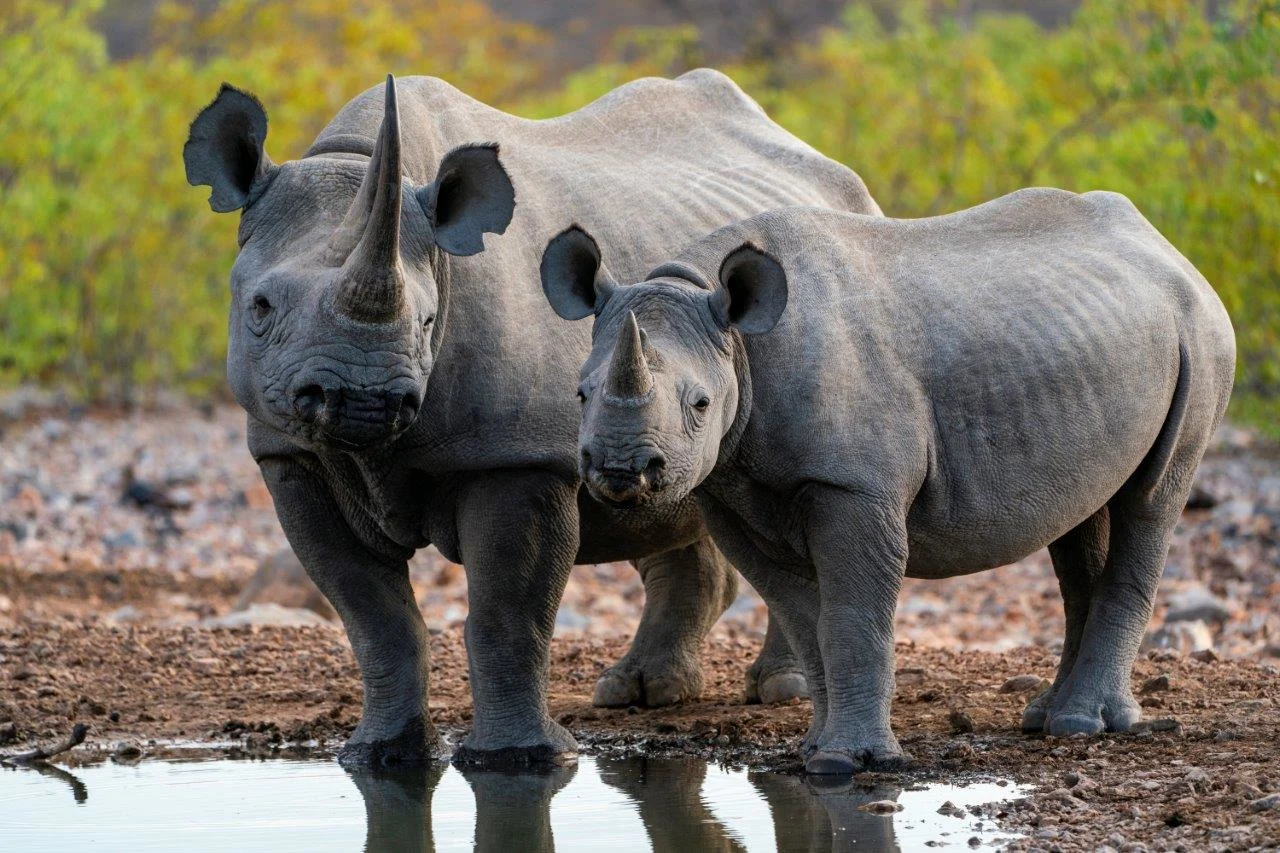
A rhino mother and calf in Namibia

Namibia’s Dunes and Desert-Adapted Wildlife

Namibia is otherworldly, a land of endless dunes and rare desert-adapted wildlife. Many long to travel to this remote region, and with good reason. Brad Josephs is a seasoned Expedition Leader and photography instructor with Natural Habitat Adventures. He captured many awe-inspiring images while guiding Nat Hab’s Wild Namibia Photo Safari⁠—here are a few of our favorites:
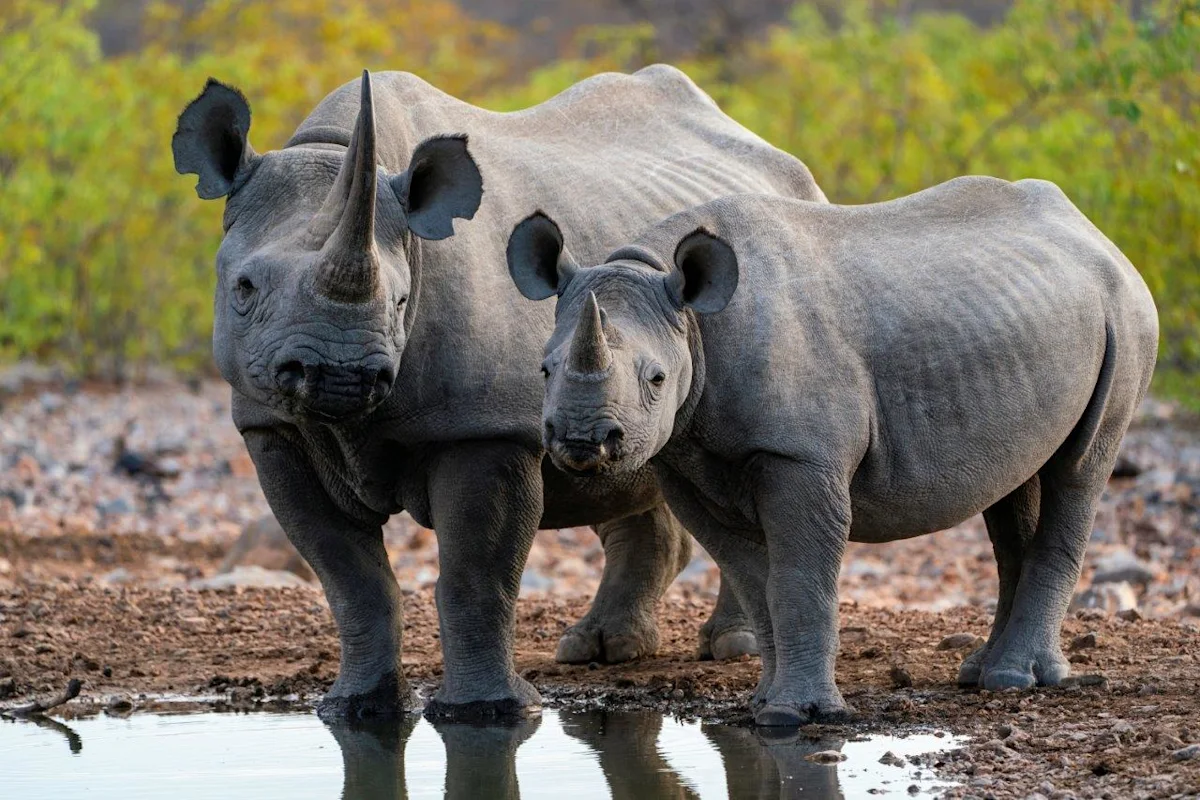
A rhino mother and calf in Namibia
A gorgeous sighting of a rhino mother and calf.
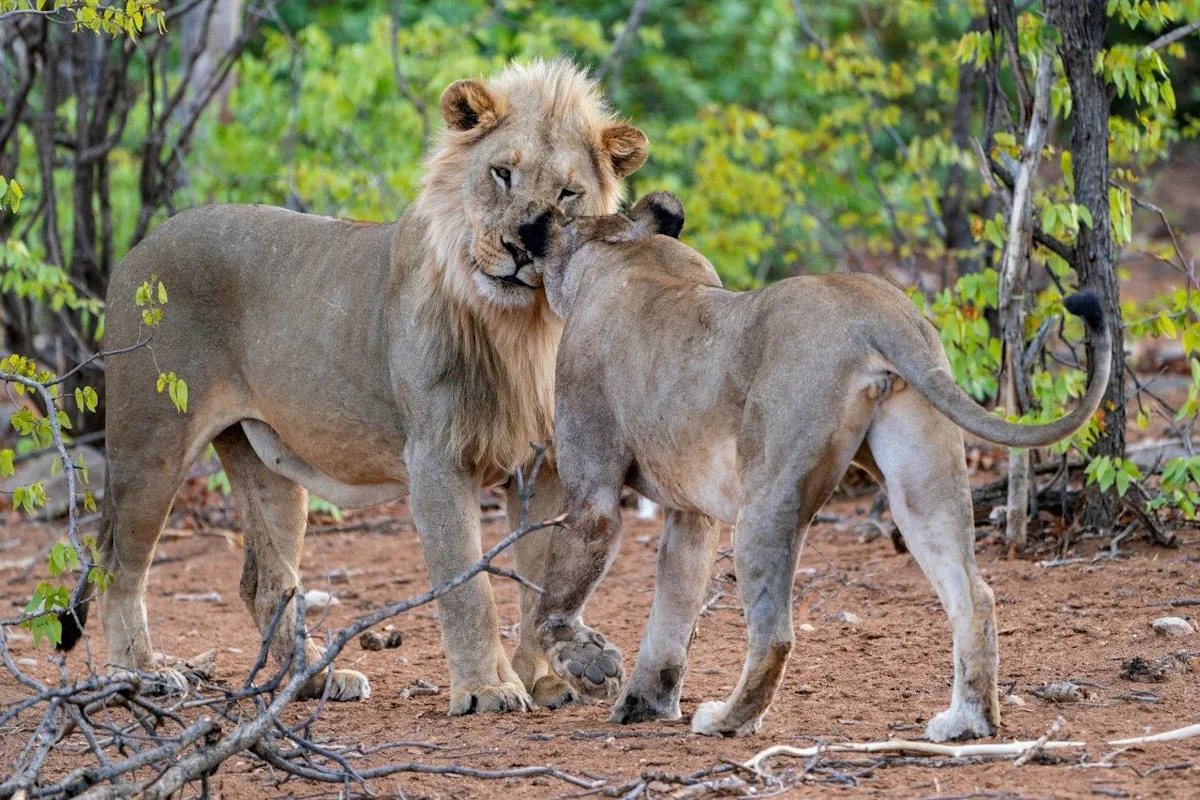
Lions nuzzling in Namibia
Lions nuzzling
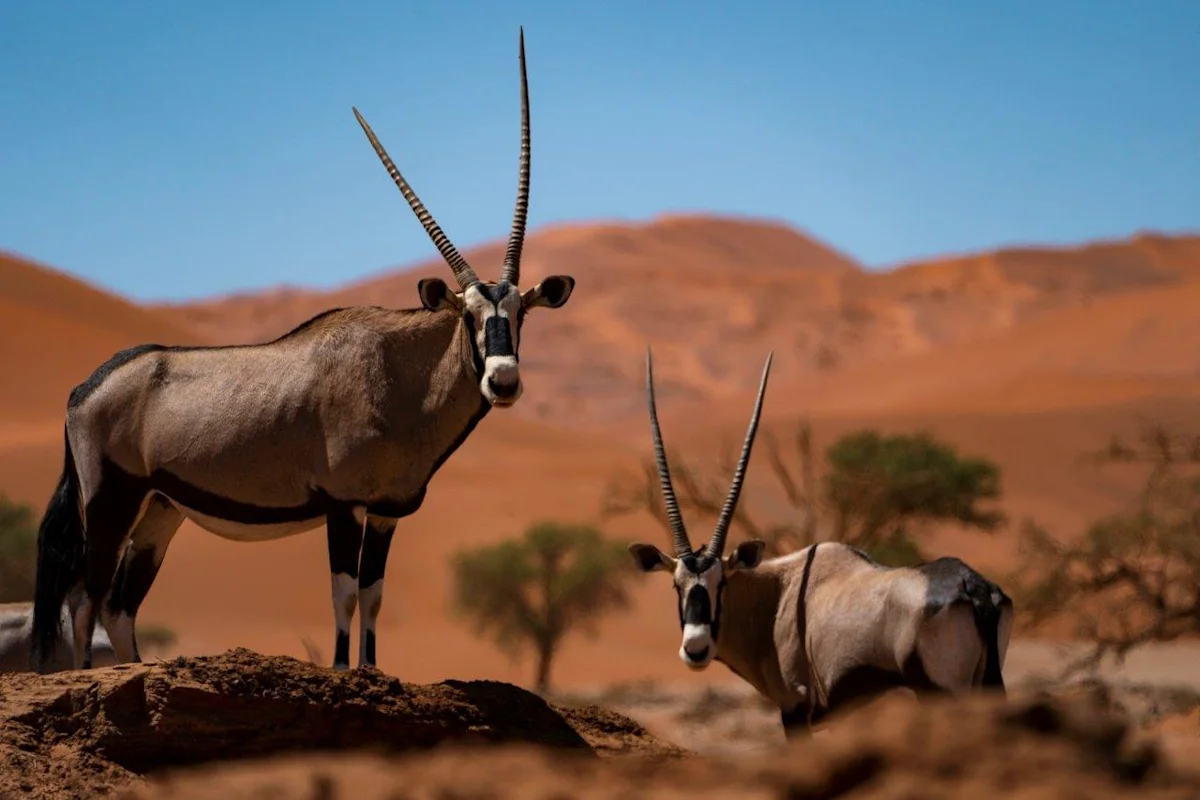
Oryx in Namibia
The oryx is the national animal of Namibia.
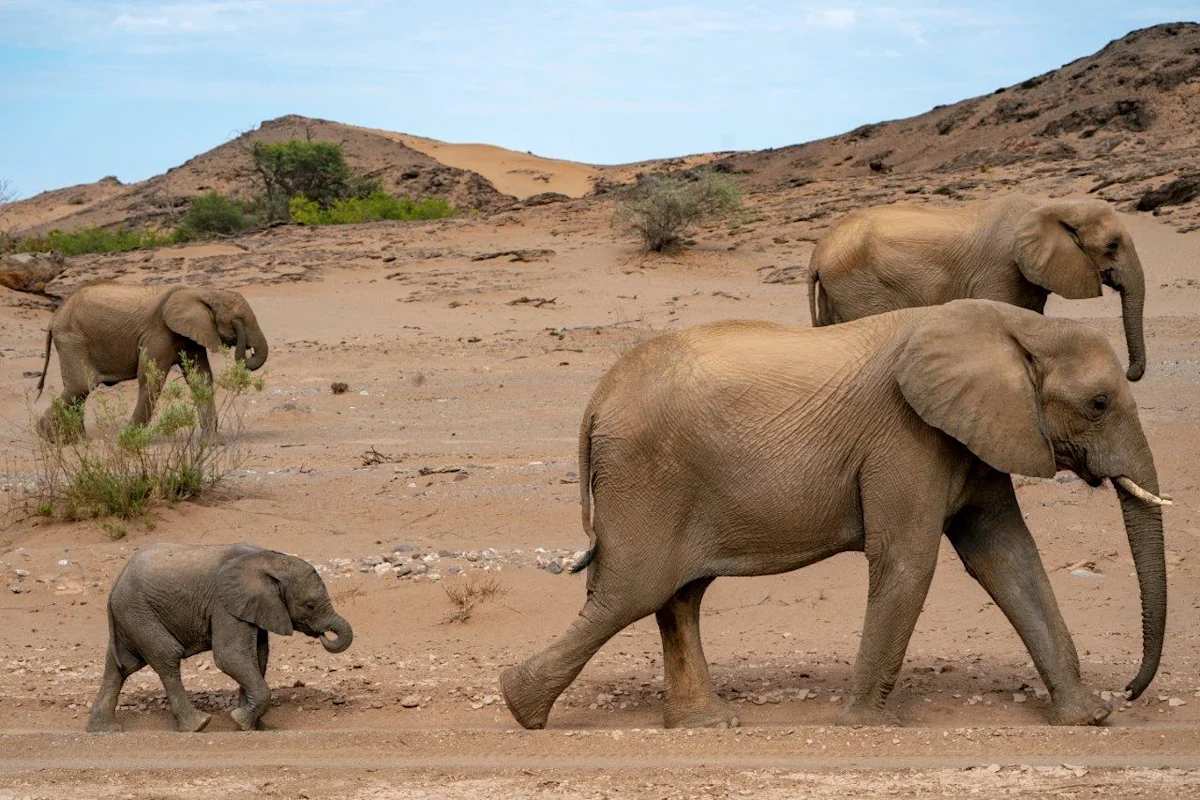
Desert-adapted elephants in Namibia
Desert-adapted elephants trek across the dunes.
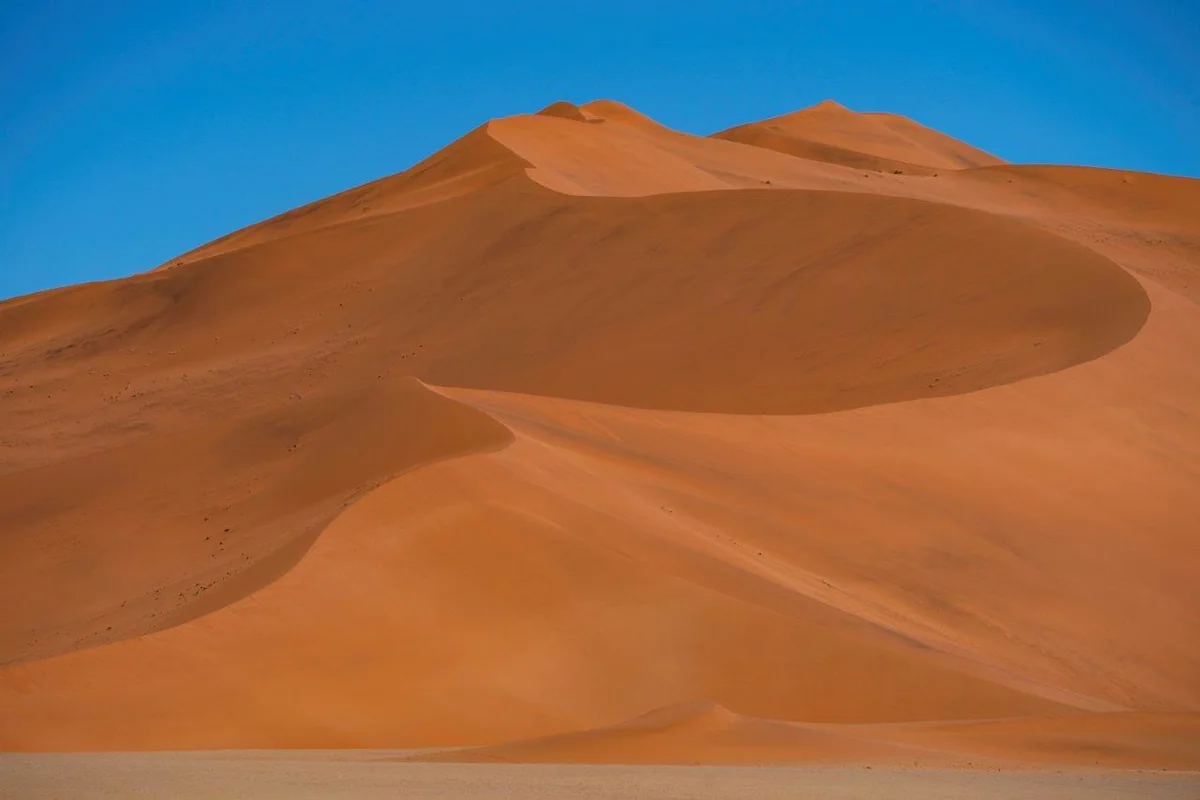
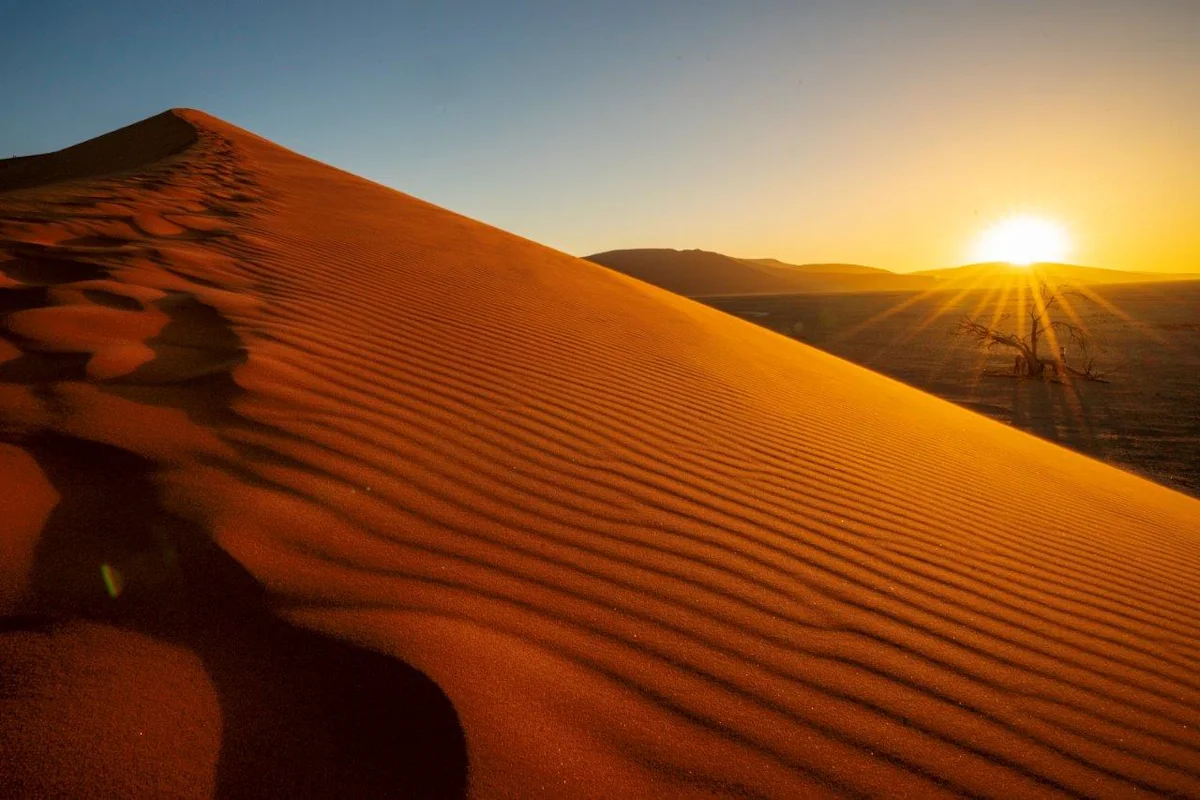
Sand dunes in Namibia
Sand dunes in Namibia are a photographer’s dreamscape.
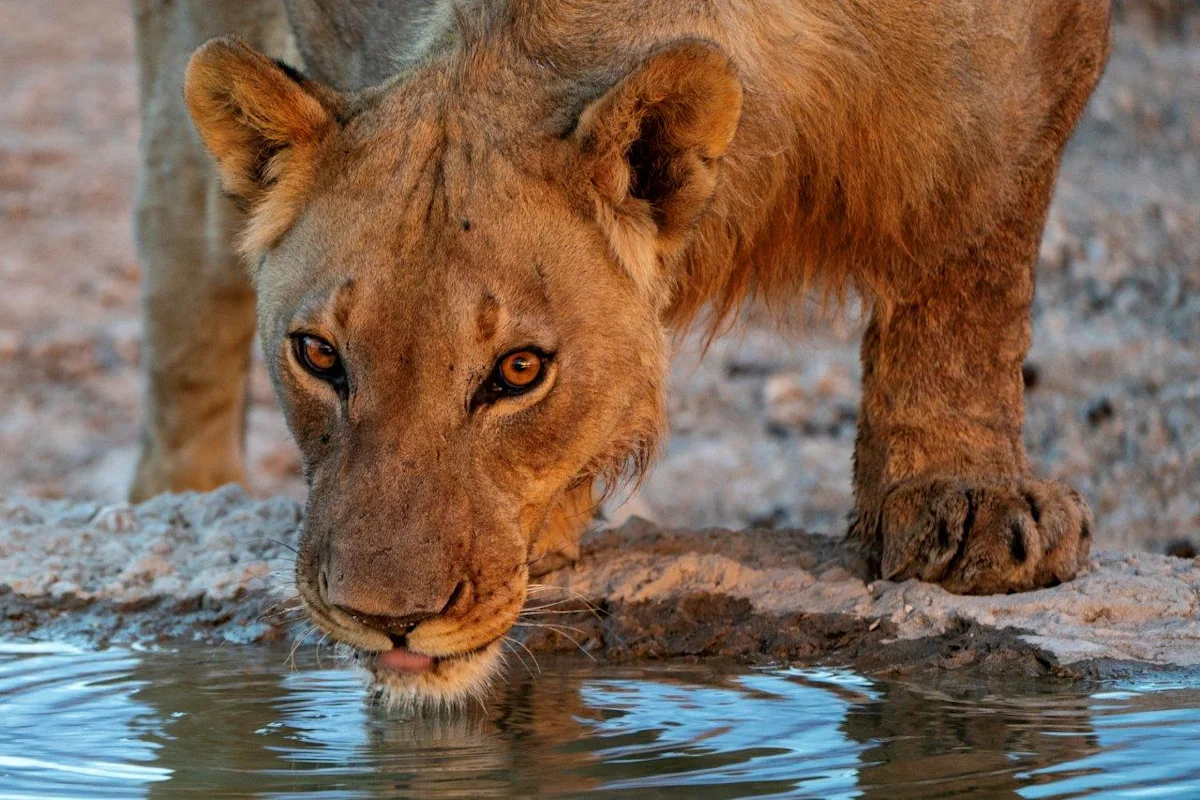
A lion drinking in Namibia
Water is a welcome sight for this desert-adapted lioness.
Endless dunes at sunset in Namibia
Walking along the endless dunes at sunset in the Namib Desert.
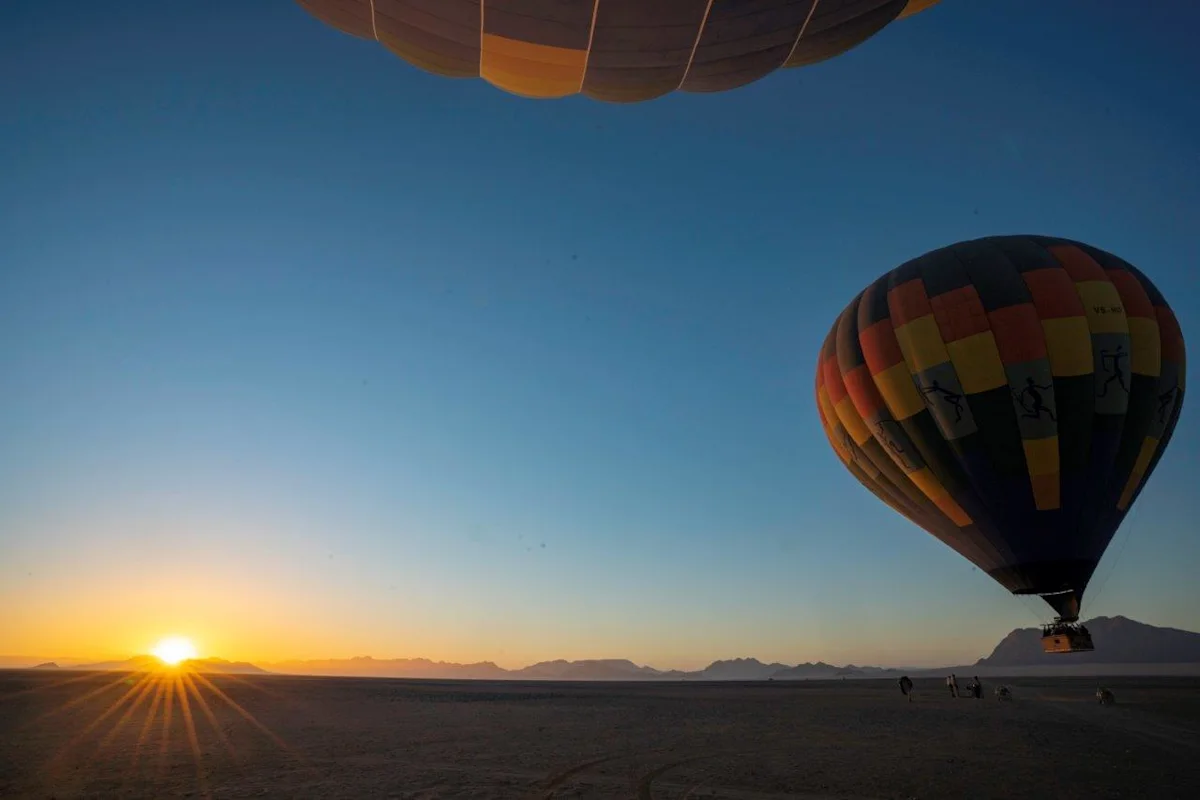
Hot air ballooning in Namibia
Adventurers have the remarkable opportunity to go hot air ballooning at dawn.
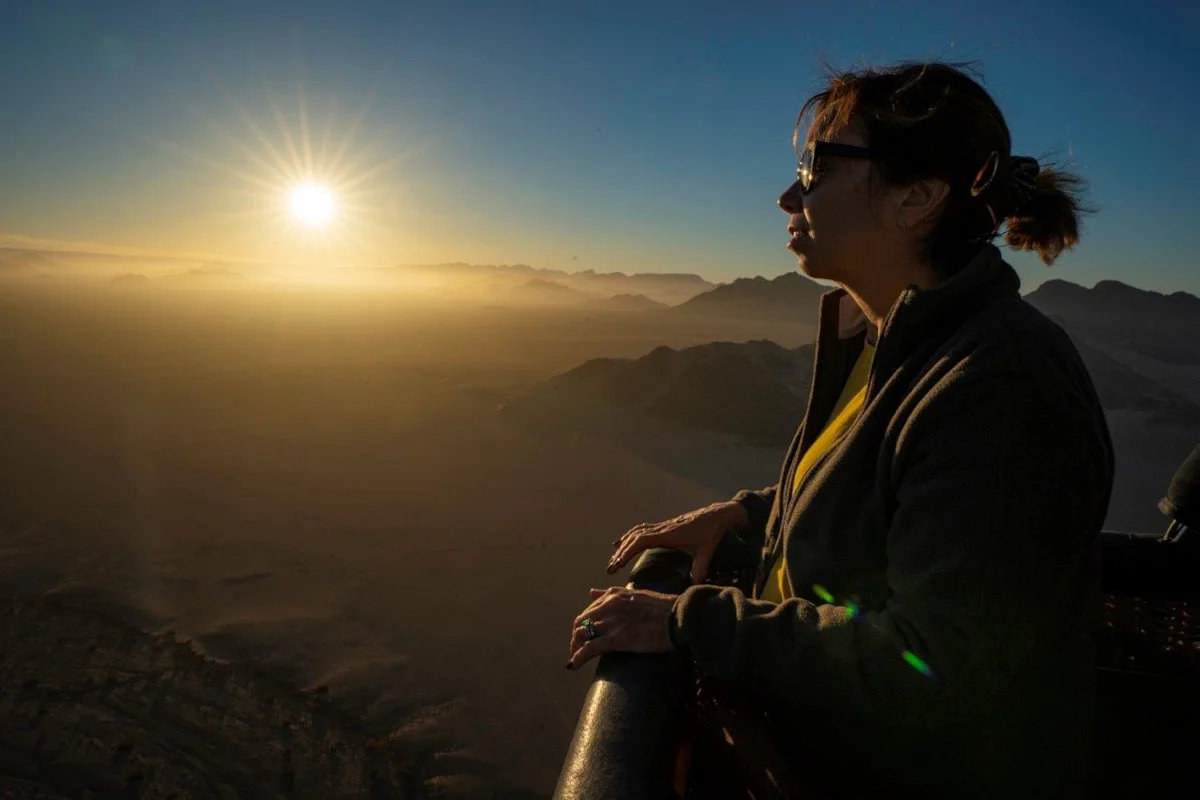
Hot air ballooning in Namibia
Nat Hab travelers are spellbound by the breathtaking views at sunrise.
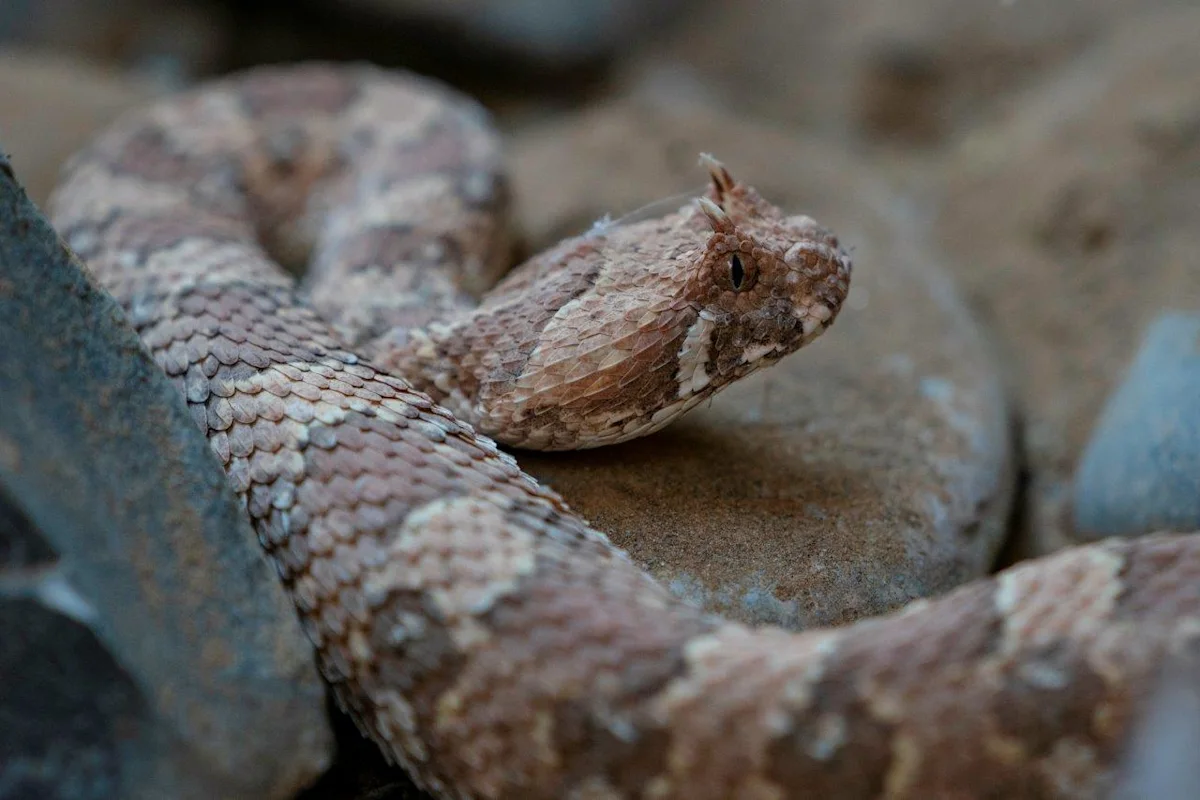
Horned adder in Namibia
Horned adder
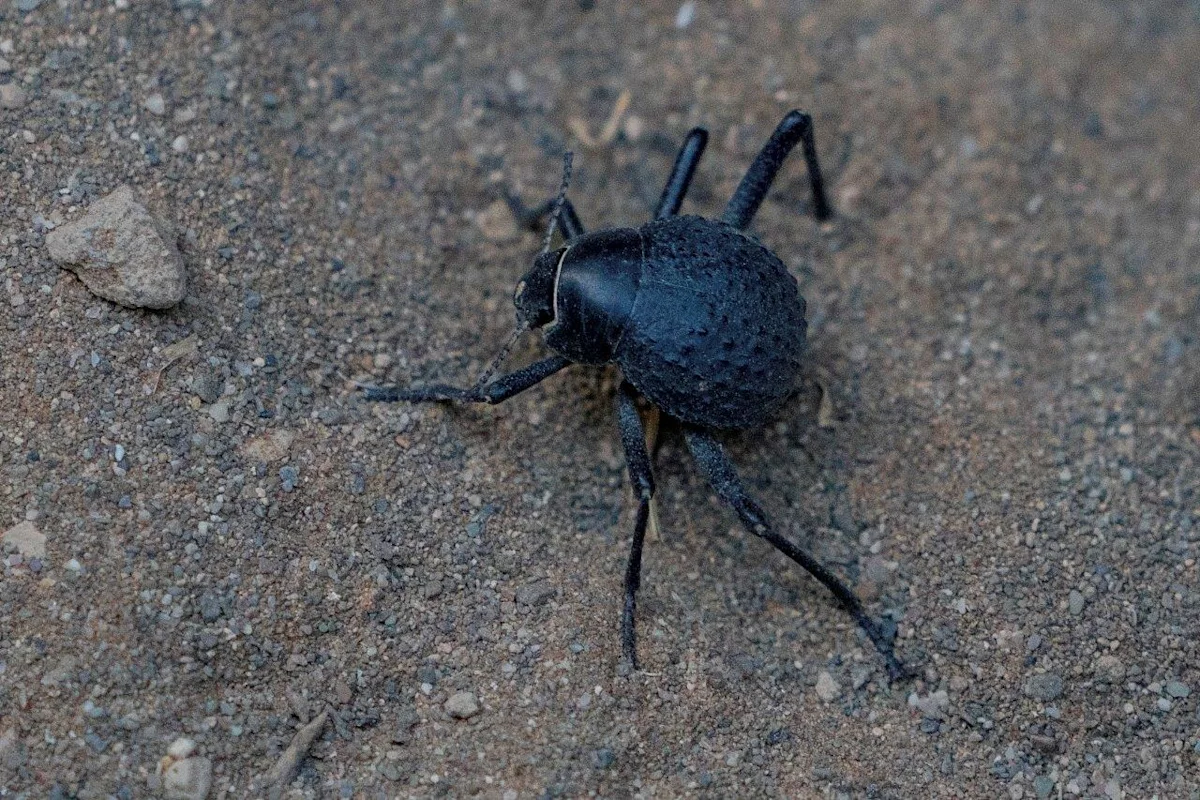
Stenocara gracilipes beetles harvest water vapor with their bumpy outer wings in Namibia
The Namib Desert beetle harvests water vapor with its bumpy outer wings—when it is thirsty, it tips its back at an angle so that the collected droplets fall into its mouth.
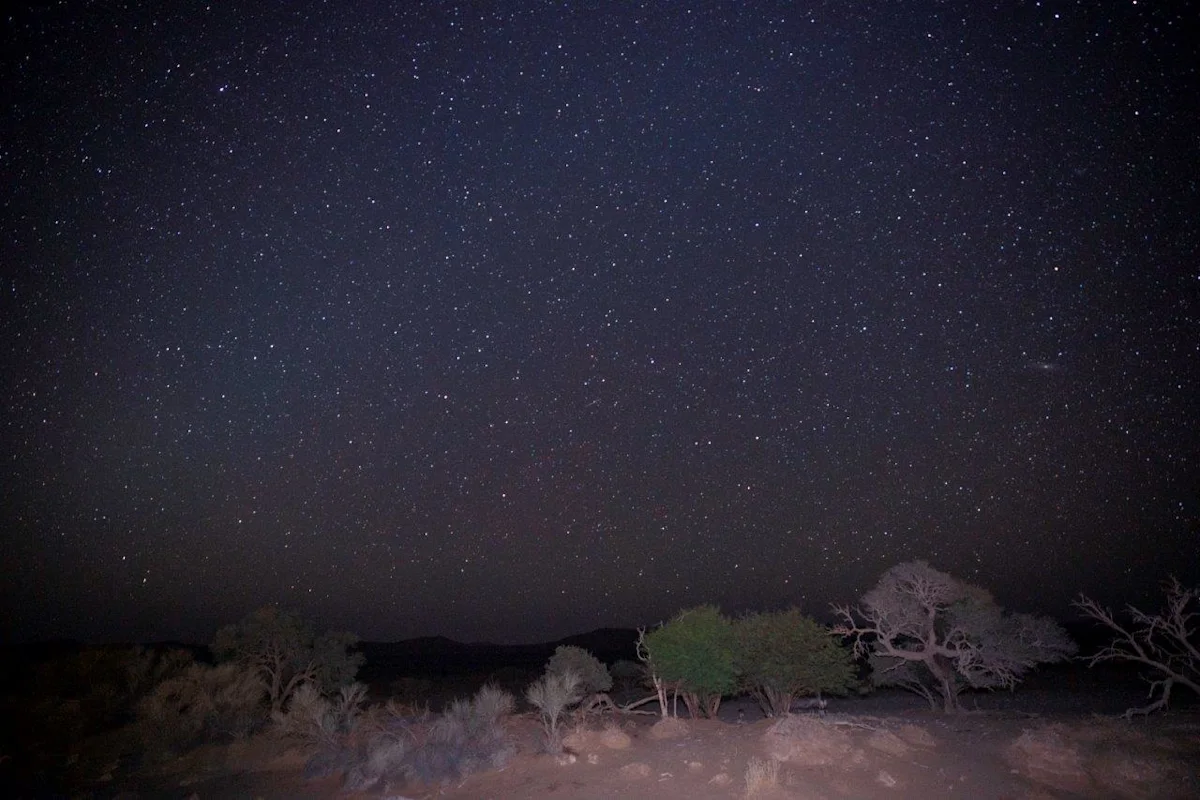
The night sky is spattered with stars—a testament to the remoteness of this desert region
The night sky is spattered with stars—a testament to the remoteness of this desert region.
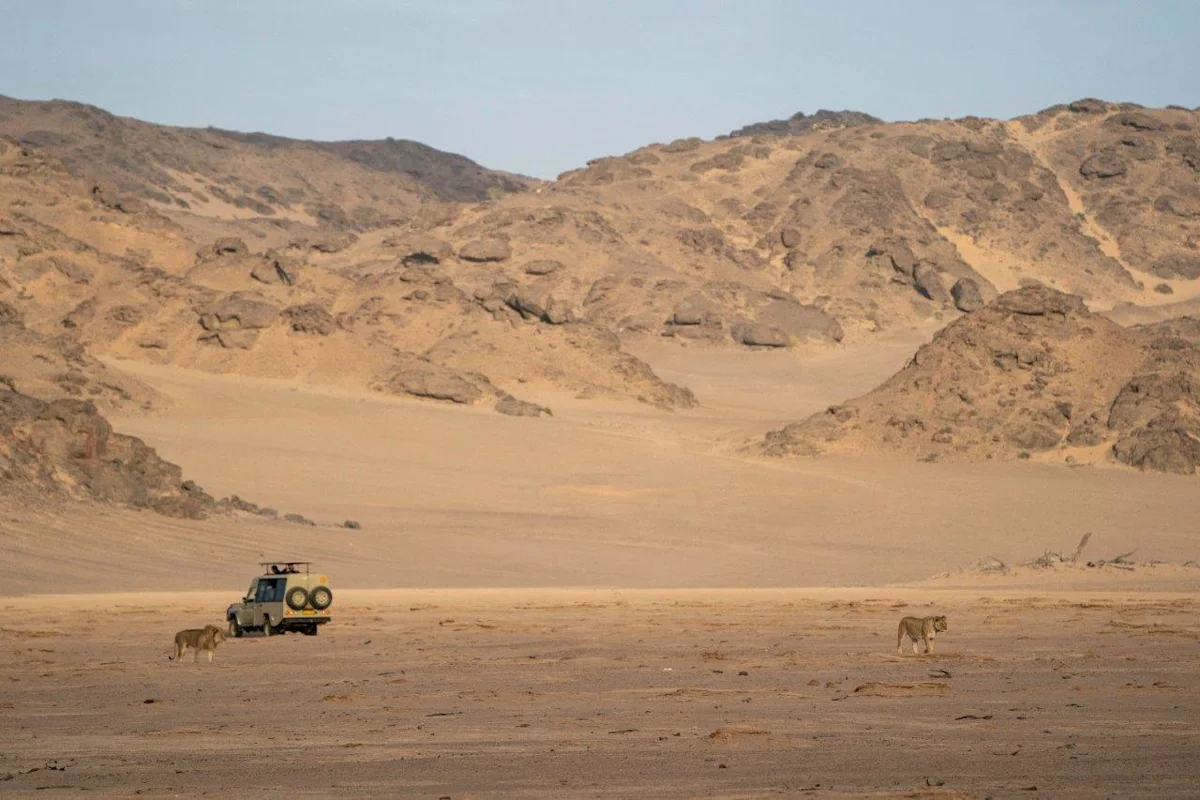
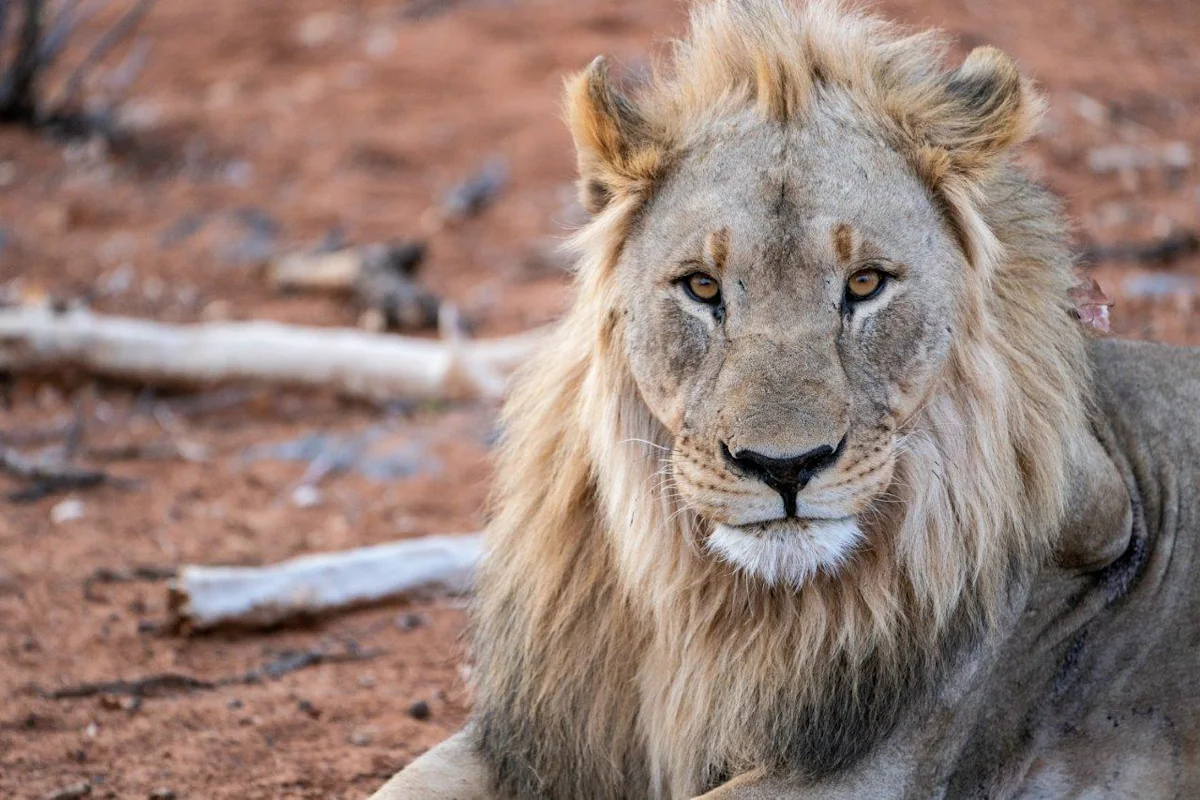
Nat Hab travelers have an intimate look at desert-adapted lions as they prowl past the dunes
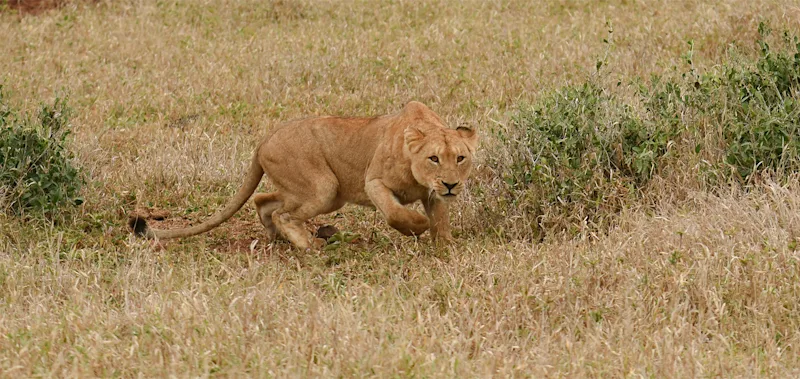
Lion in Namibia
King of the Desert
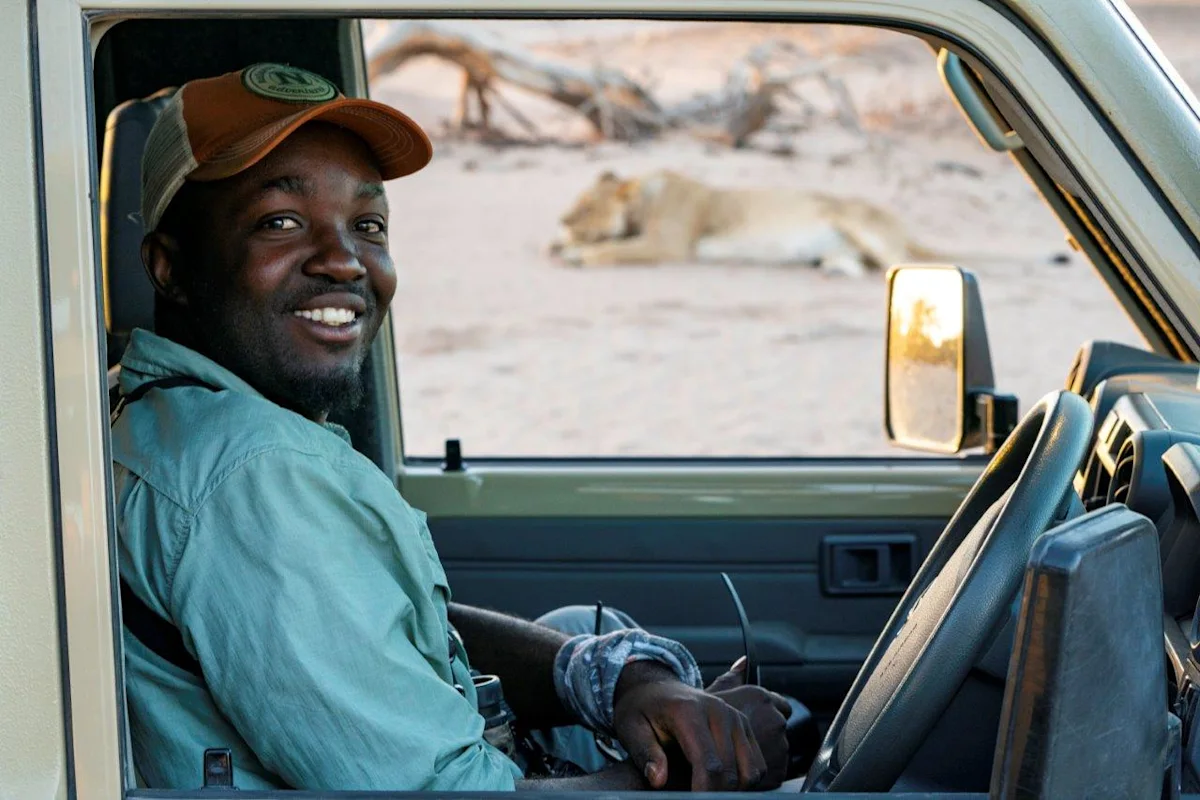
Safari guide with a lion in Namibia
A safari guide’s intimate knowledge of the terrain allows them to seek out amazing wildlife encounters.
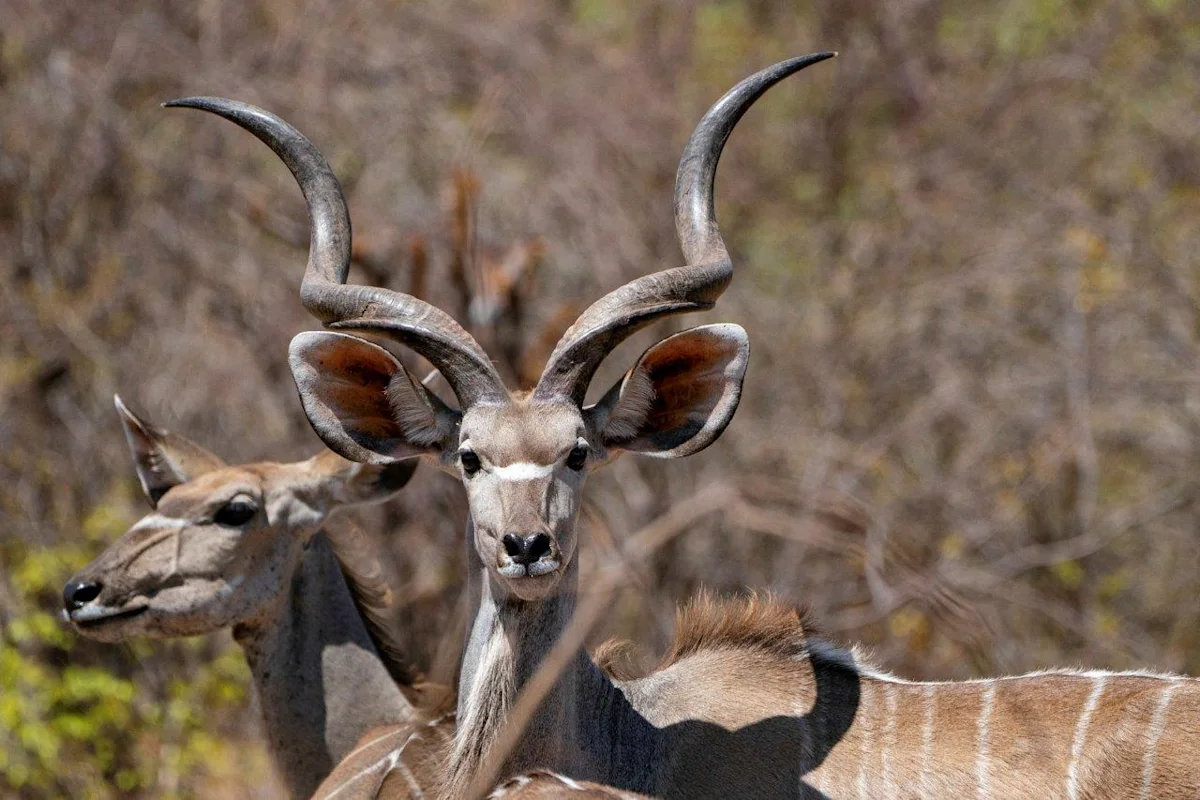
A kudu in Namibia
Kudus are famous for their long, spiraling horns.
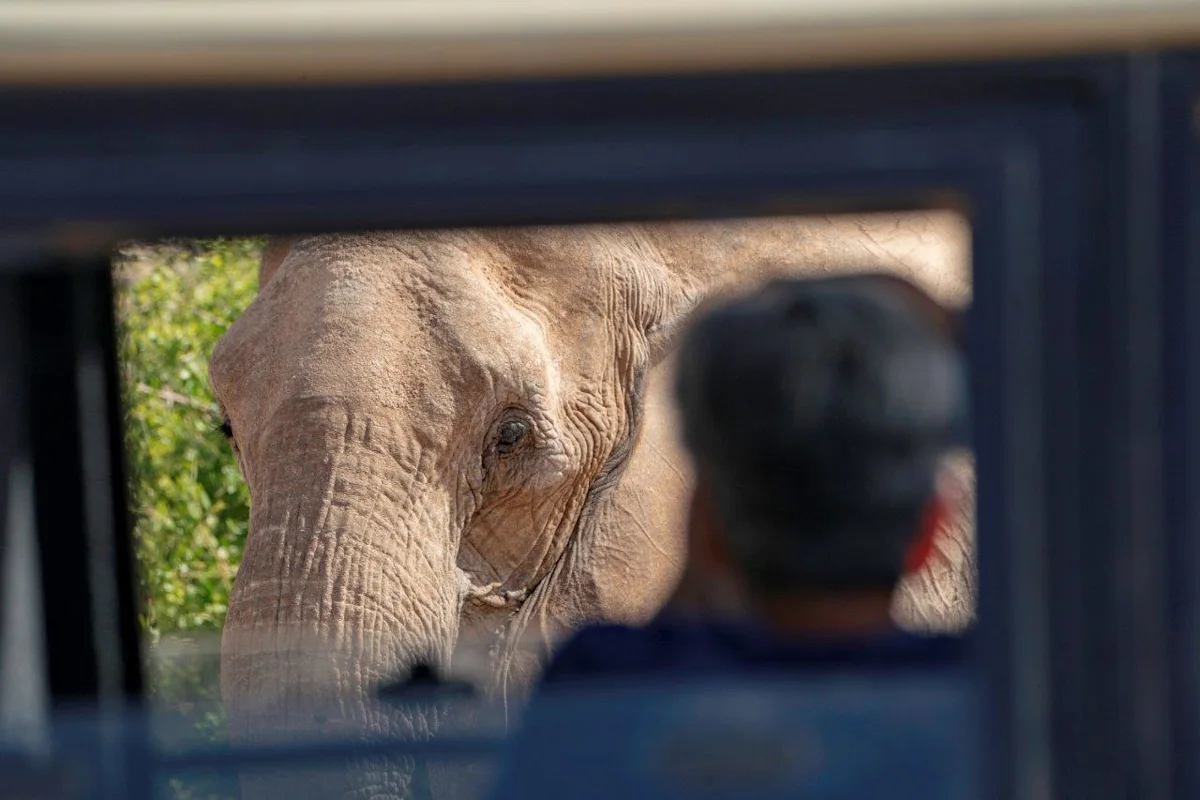
A desert-adapted elephant and a Nat Hab traveler make eye contact in Namibia
A large desert-adapted elephant peeking in.
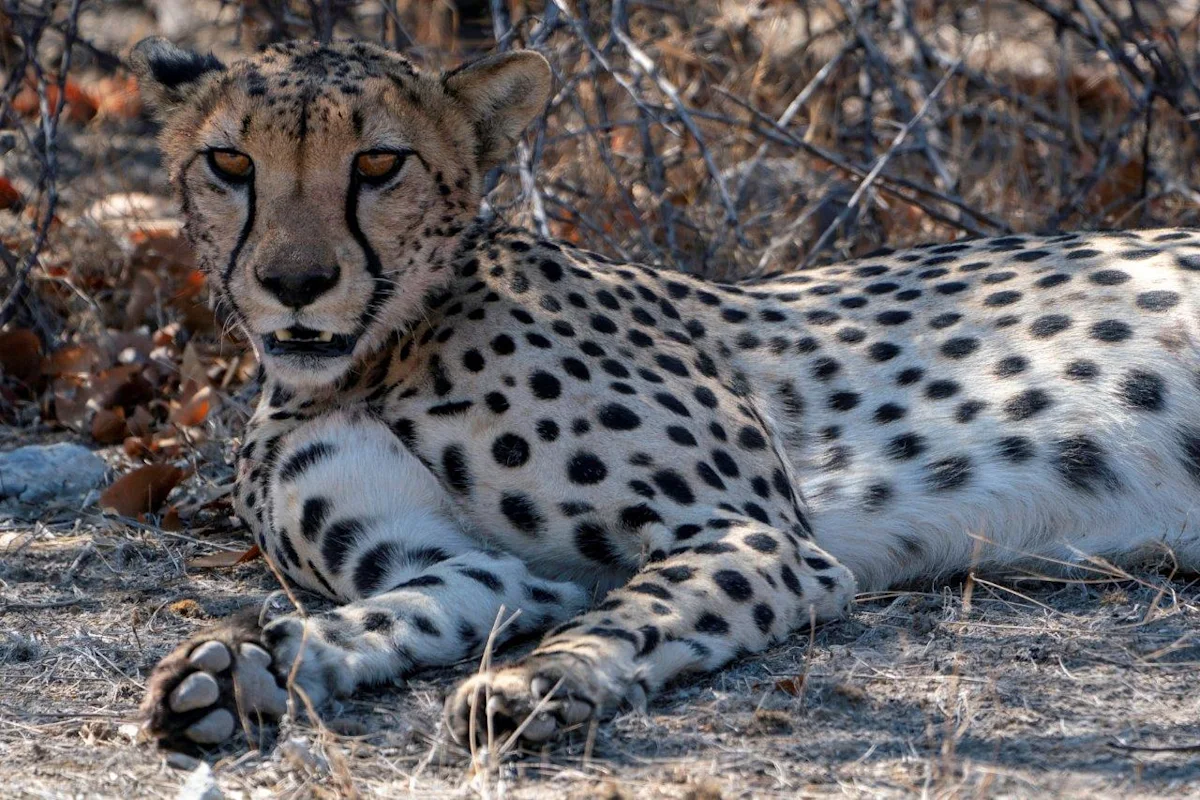
The gleam in a cheetah's eye is beautiful to behold
The gleam in a cheetah’s eyes is beautiful to behold.
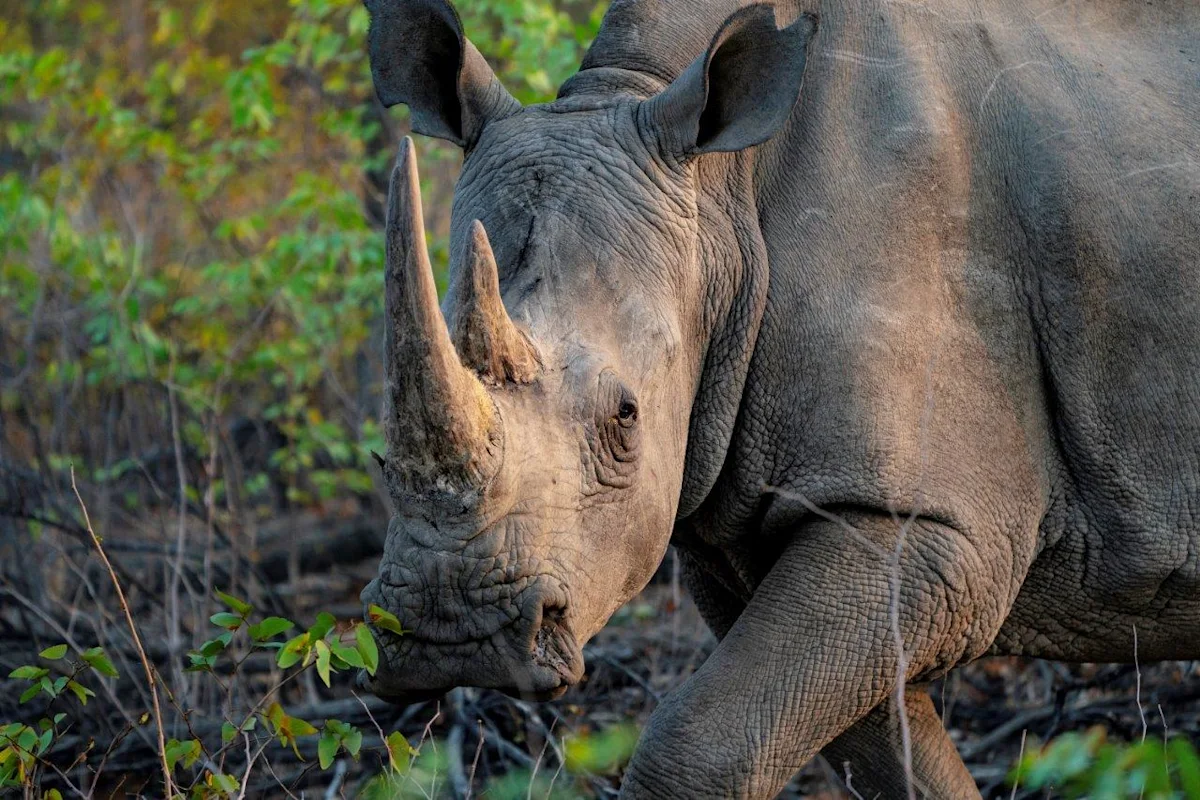
Rhino in Namibia
Rhinos are a rare sight these days—and the protected rhinos in this part of Namibia have unusually pronounced horns.
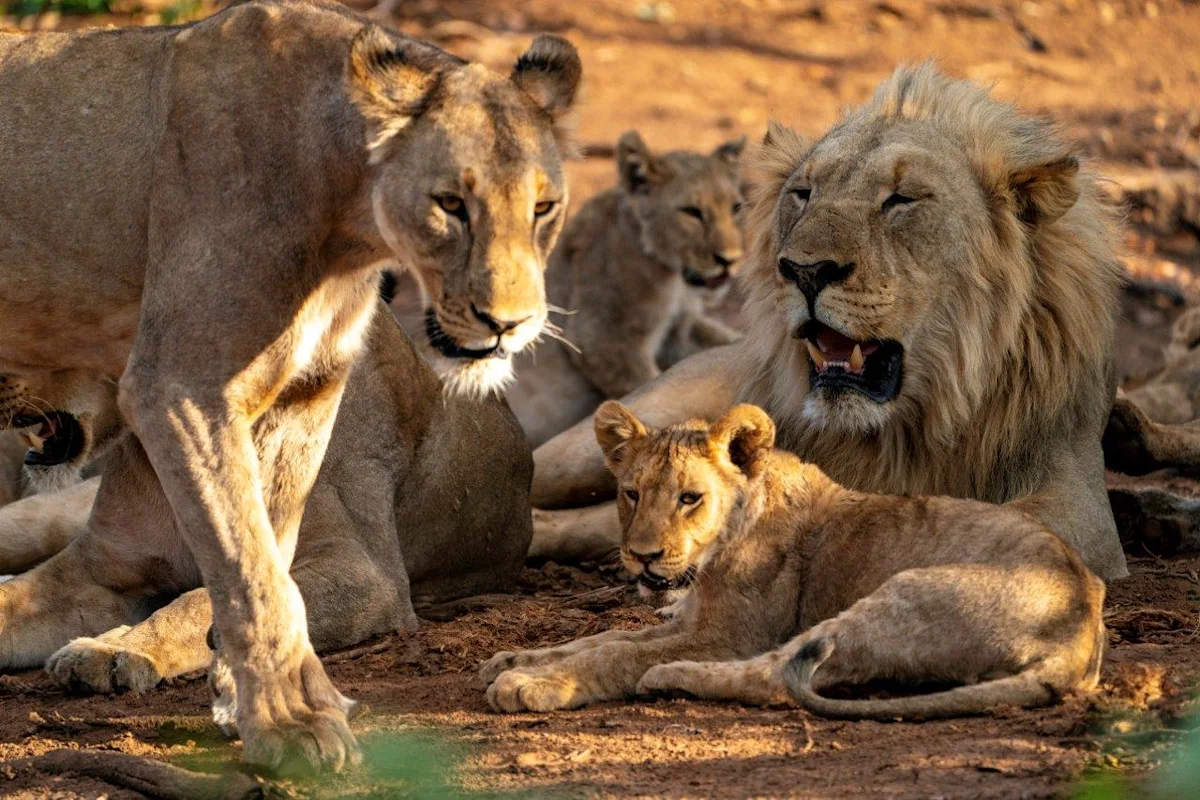
A lion family in Namibia
A lion family lounges in the shade on a hot desert day.
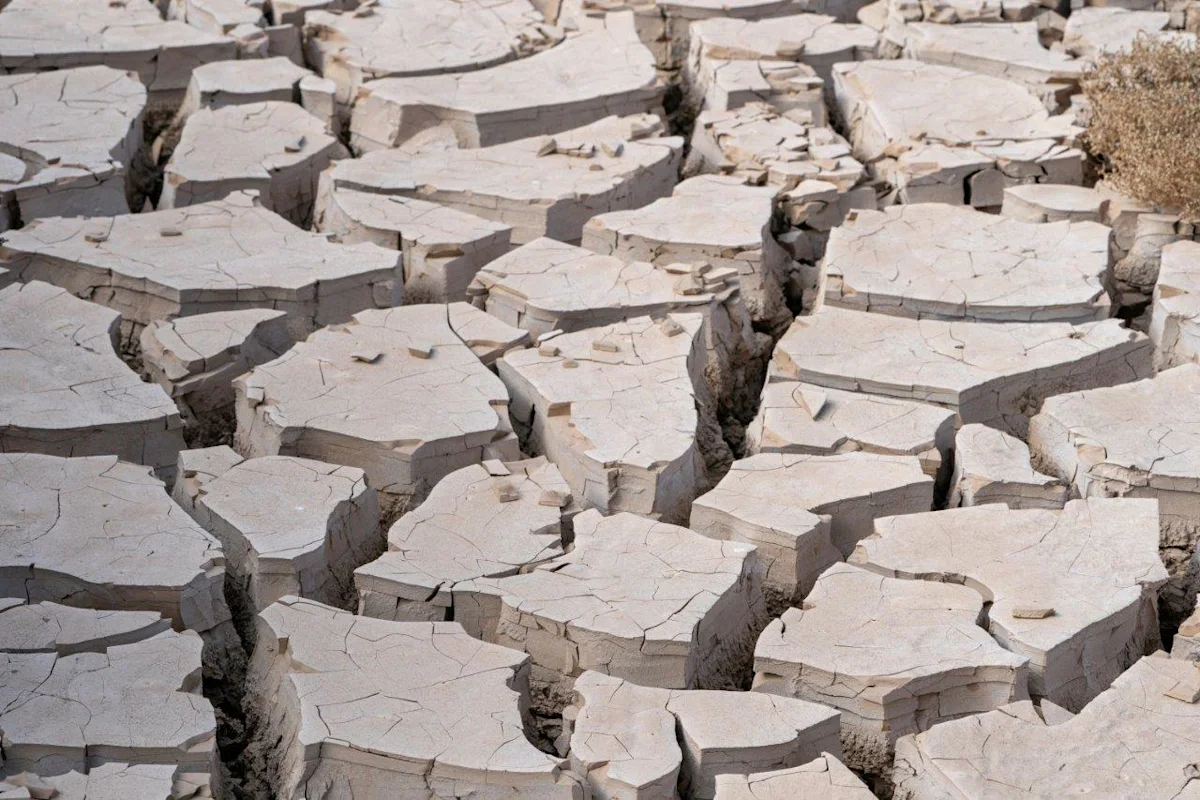
Caked earth in Nambia
Dry riverbed
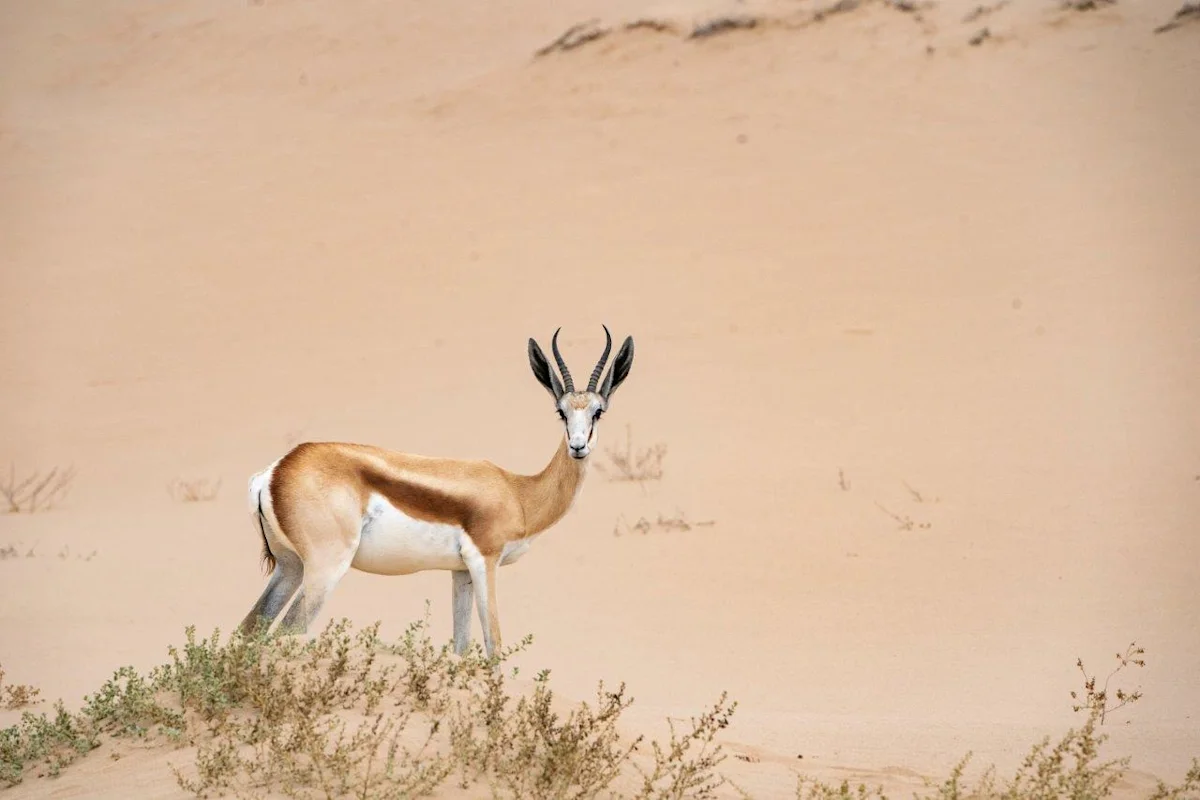
A springbok in Namibia
Springbok
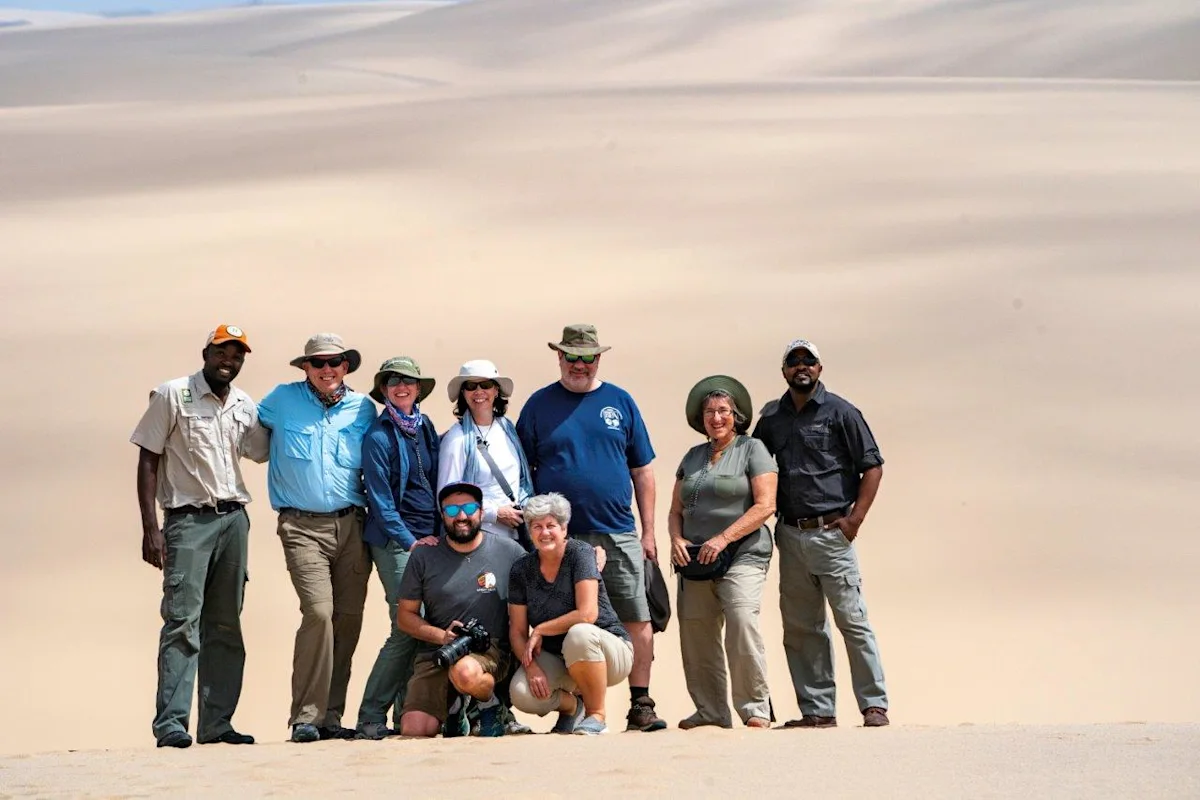
Nat Hab travelers in Namibia
Nat Hab travelers were enraptured by the stretches of white sand on their way to the Skeleton Coast.
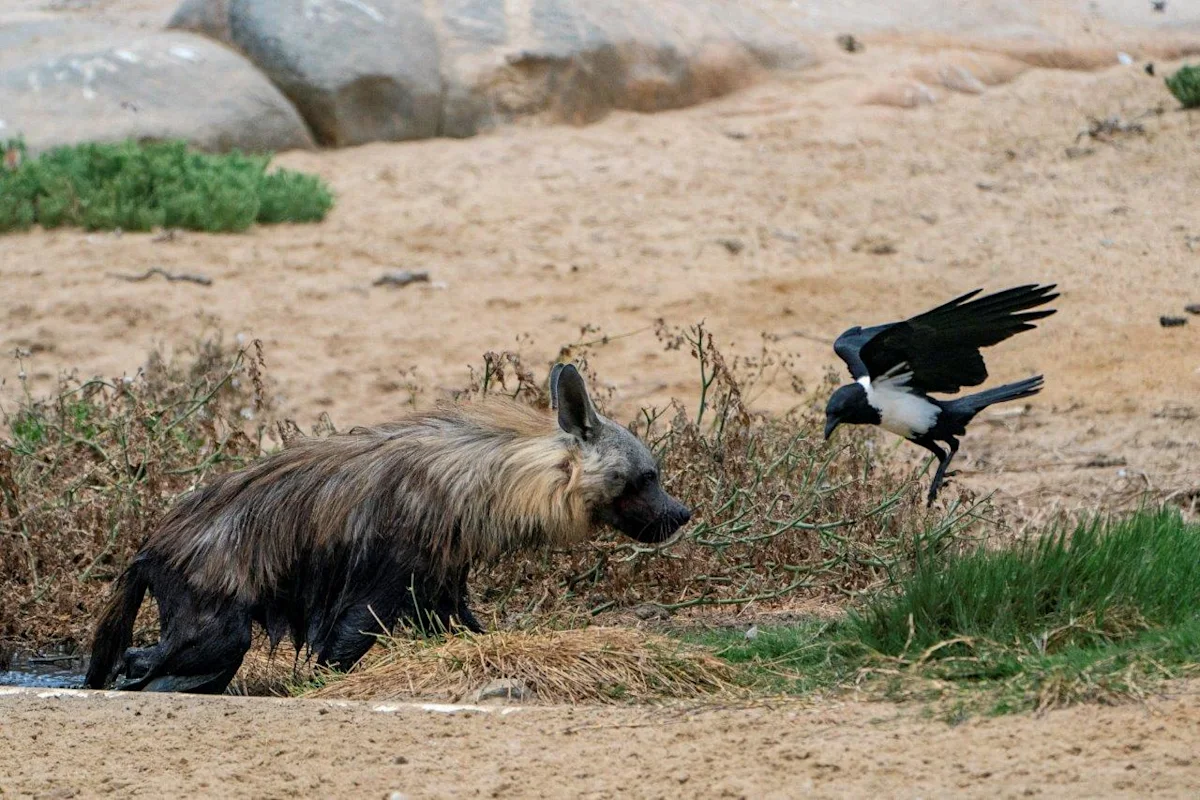
A rare brown hyena in Nambia
A rare sighting of a shaggy brown hyena on the Skeleton Coast.
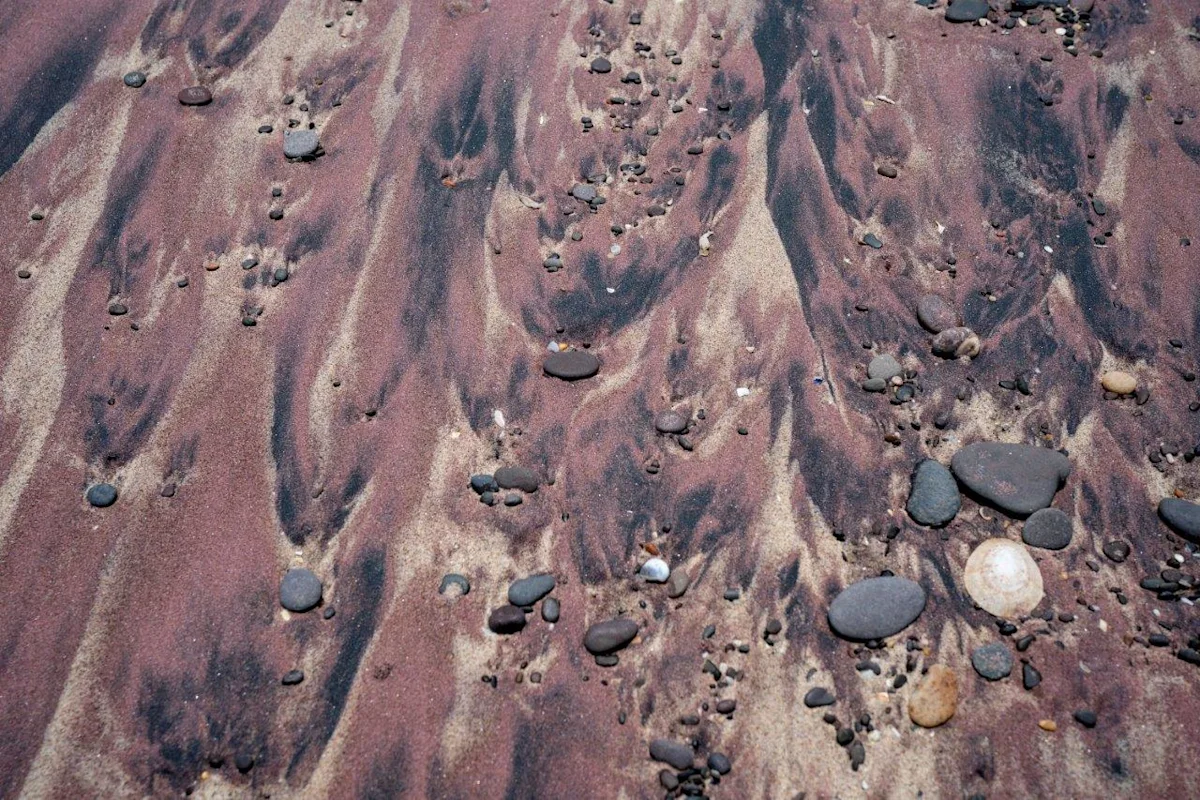
Sand in Namibia
Sand, shells and stones on the Skeleton Coast—the red hue comes from crushed garnets.
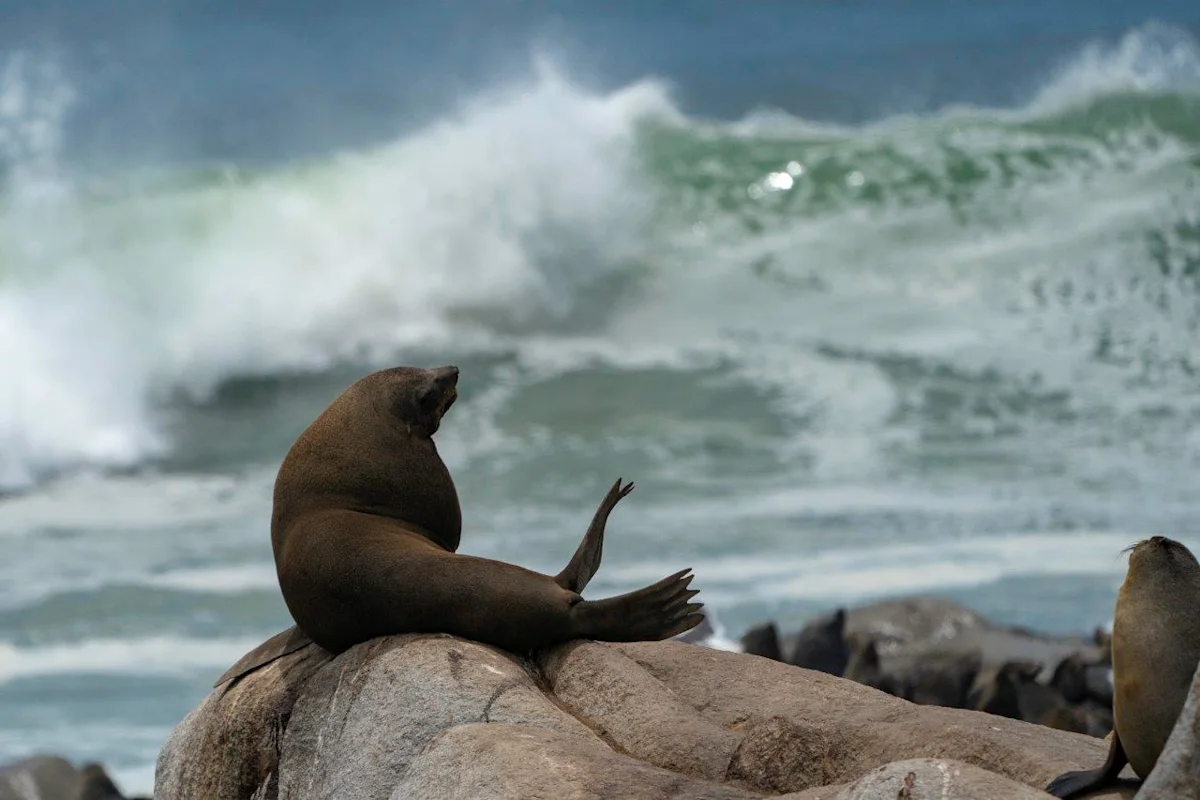
A bull cape fur seal on the Skeleton Coast of Namibia
A bull cape fur seal poses in front of mammoth waves.
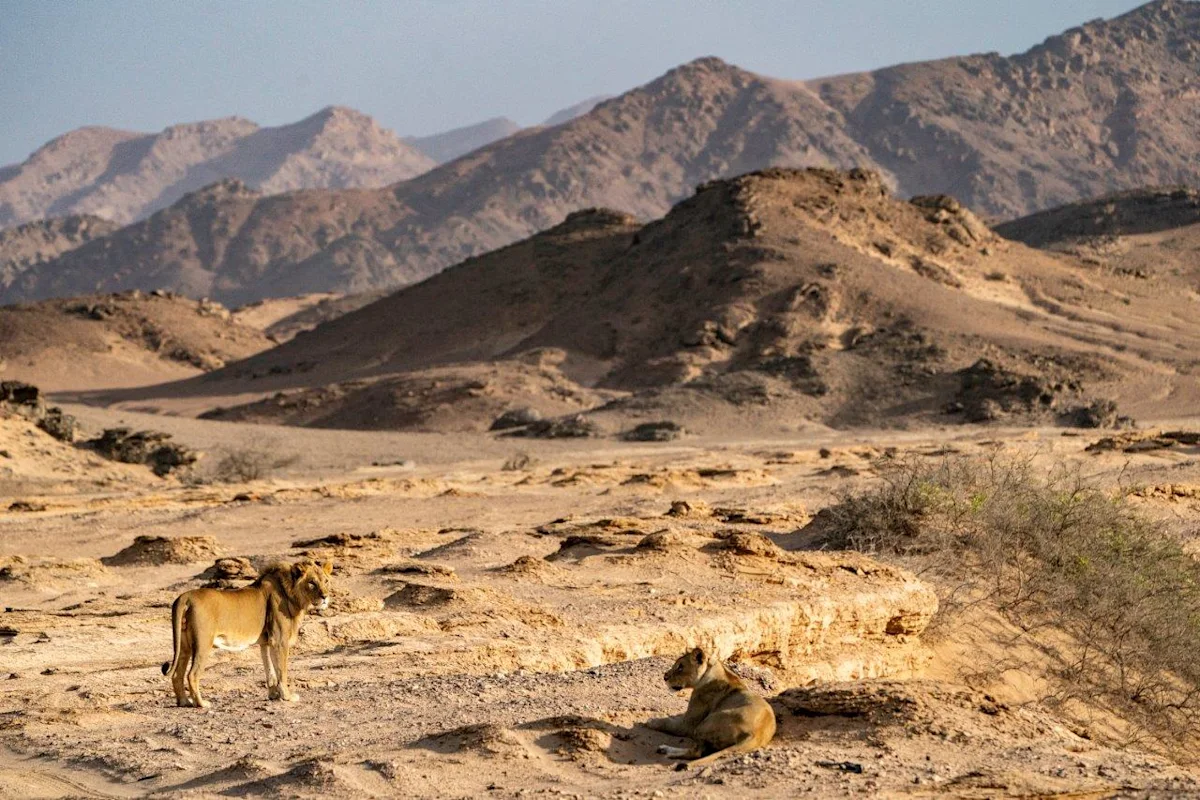
Desert-adapted lions in Namibia
A pair of desert-adapted lions blend into the golden landscape.
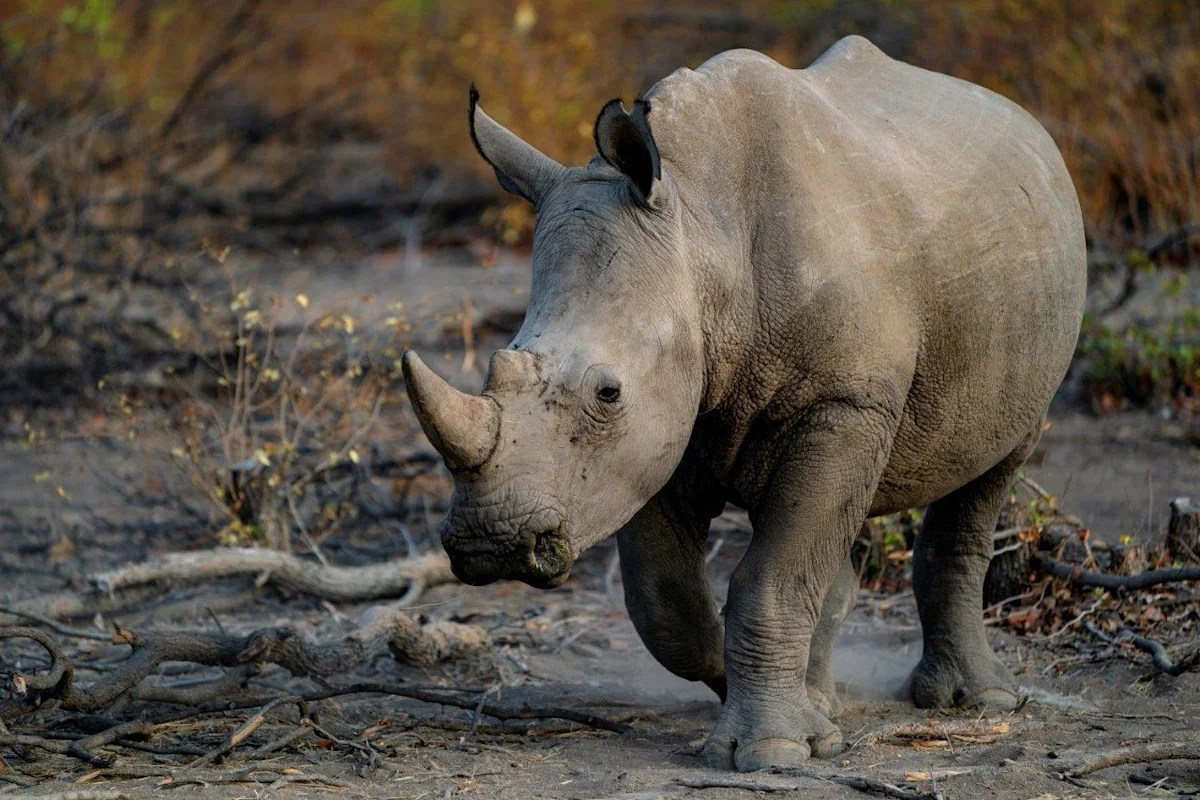
Rhino in Namibia
Another striking shot of a desert-adapted rhino.
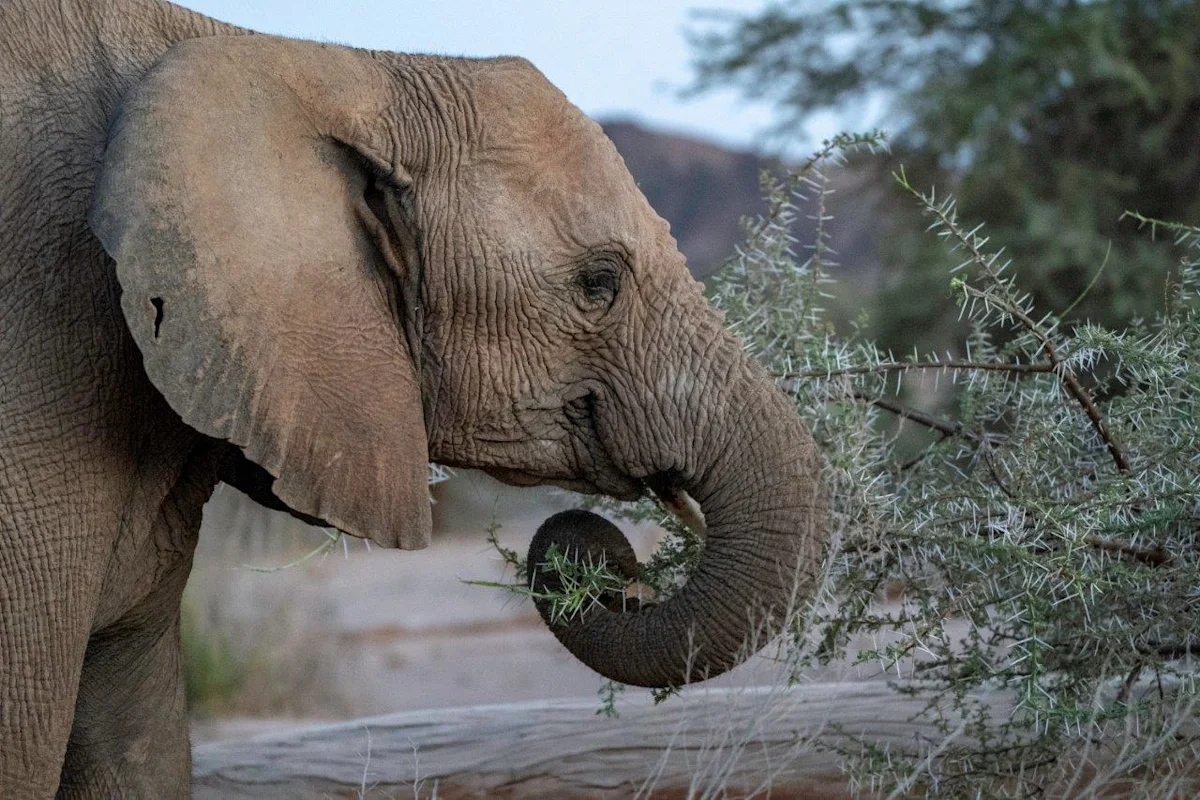
Desert-adapted elephant feeding in Namibia
Desert-adapted elephants get much of their sustenance from plants such as thorny acacia.
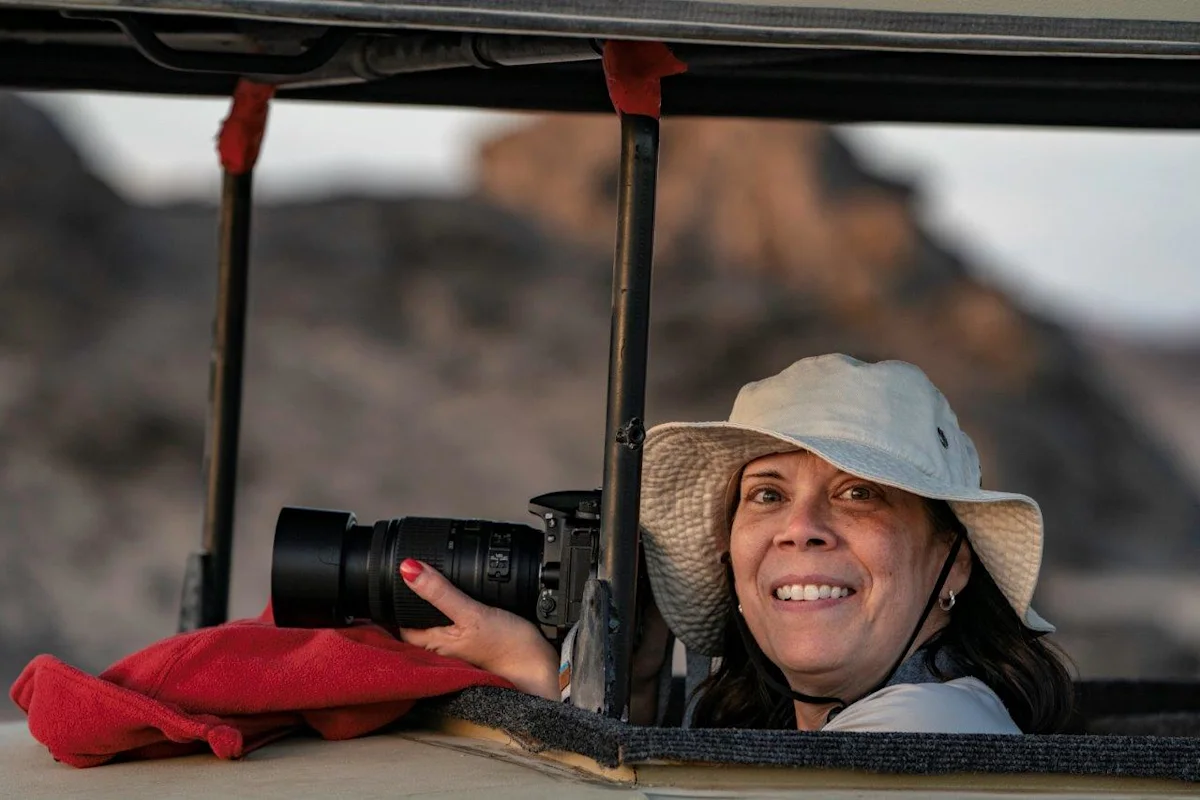
Photographer in Namibia
Nat Hab travelers have access to photography expertise and guidance throughout their trip.
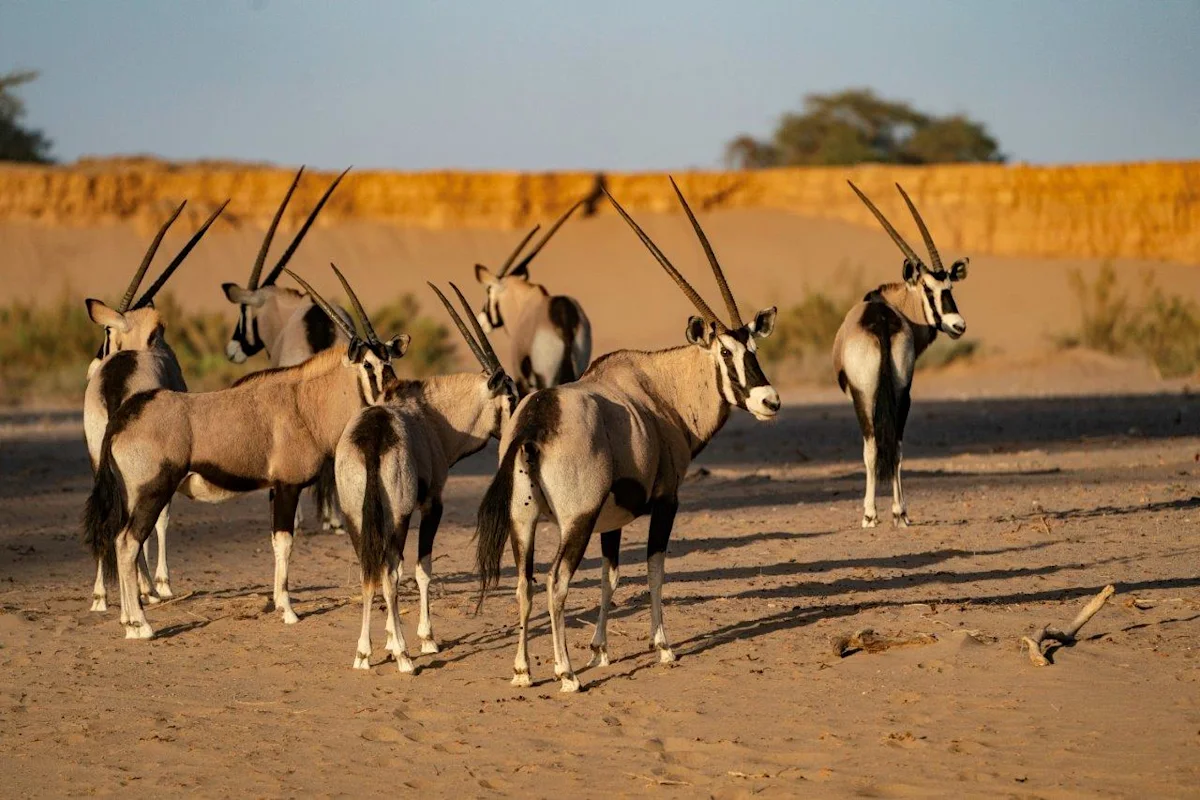
A herd of oryx in Namibia
A herd of oryx in the sunlight.
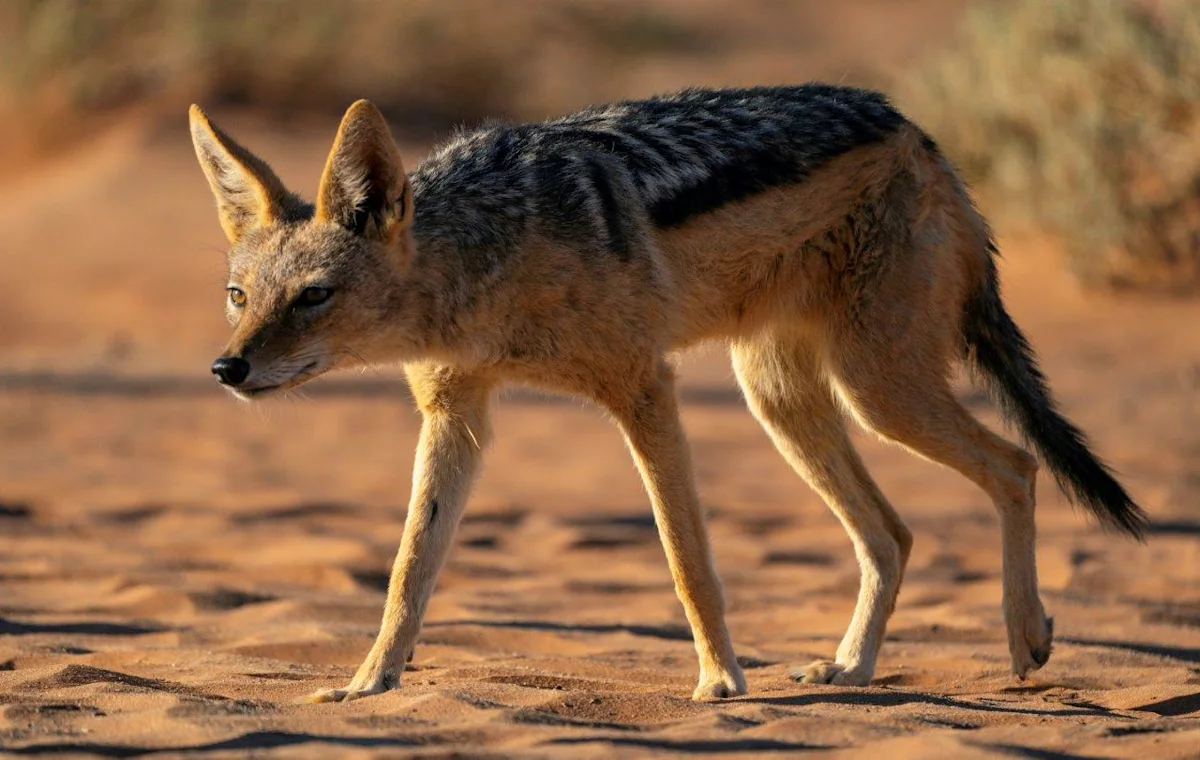
Black-backed jackal in Namibia
Black-backed jackal

More from African Safaris

All African Safaris stories
  • African Safaris

    Sabi Sand: Wildlife Hotspot of South Africa

    Oct 19, 2026 · Samantha Miller

    Sabi Sand has a special history in South Africa. As the country’s first private game reserve, it has built a longstanding reputation for superb wildlife conservation, community development and spectacular wildlife sightings. The Sabi Sand region borders Kruger National Park in the Lowveld of Mpumalanga, South Africa.

  • African Safaris

    The Baobab Tree: An African Icon and Longtime Legend

    Oct 12, 2026 · Laura Kiniry

    With its bulbous shape and canopy resembling an upside-down root system, the baobab tree symbolizes the African continent. Its origins are also the stuff of legend…literally.

  • African Safaris

    How to Get Wall-Worthy Pictures of Africa’s Great Migration

    Sep 26, 2026 · Samantha Miller

    The Serengeti and Maasai Mara are the stage for the largest overland wildlife migration on Earth, and for wildlife enthusiasts and photographers, Natural Habitat Adventures offers an unparalleled front-row seat to capture this thrilling event.