Mongolia’s Wild Frontiers: Wolves, Wild Horses and Nomadic Traditions

Rich in ancient cultural traditions, natural history and intriguing wildlife, Mongolia offers travelers a unique view of a less-traveled destination.
Featuring overnight stays at traditional ger camps, meetings with Mongol and Kazakh nomads, and wildlife drives to view Mongolian wolves, wild Takhi horses, argali sheep, Siberian ibex and more, the 11-day itinerary offers a diverse encounter with a captivating and little-known country that is still lightly touristed.
“Mongolia is huge and wild—one of the few places left where you have a sense of the Earth as it once was. Its landscapes and cultures feel timeless, but the world around it is changing fast, with a growing impact on the country. Now is the time to experience Mongolia while it still offers a profound sense of untouched wilderness,” says Ben Bressler, Founder and CEO of Natural Habitat Adventures.
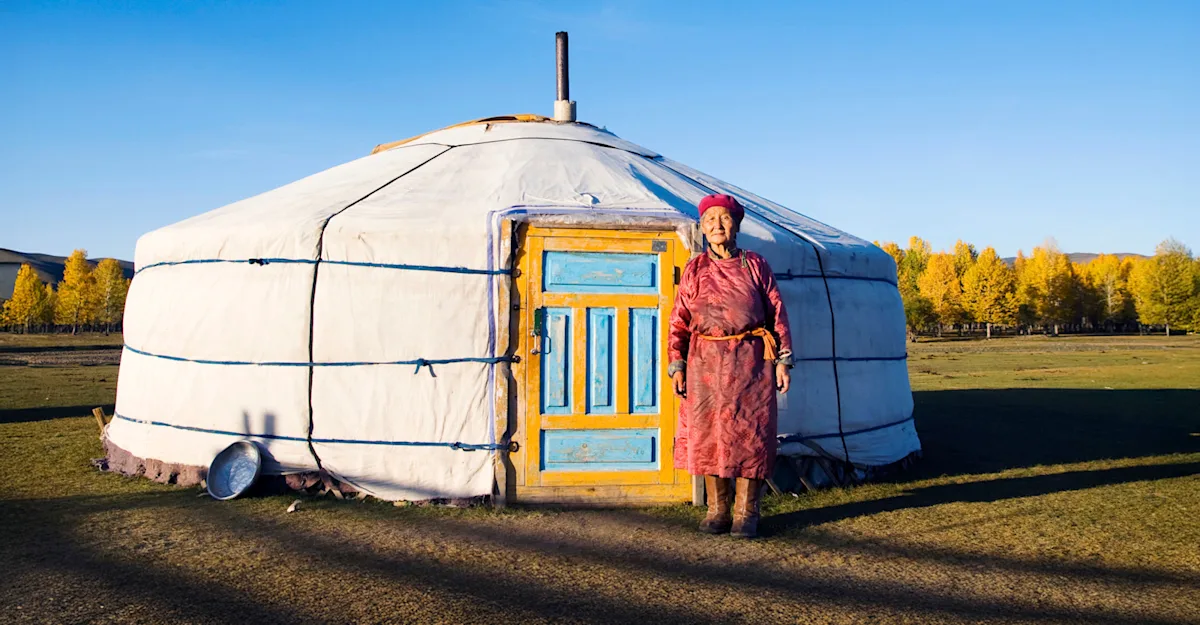
Beginning in Ulanbaatar, the adventure encompasses three vast and varied ecosystems—the rolling central-interior steppe, the Eastern Gobi Desert, and the Altai Mountains of the far west.
Guided by a Nat Hab Expedition Leader and a local guide in each destination, small groups capped at 10 travelers will journey across Mongolia to explore its wild terrain and enduring nomadic traditions.
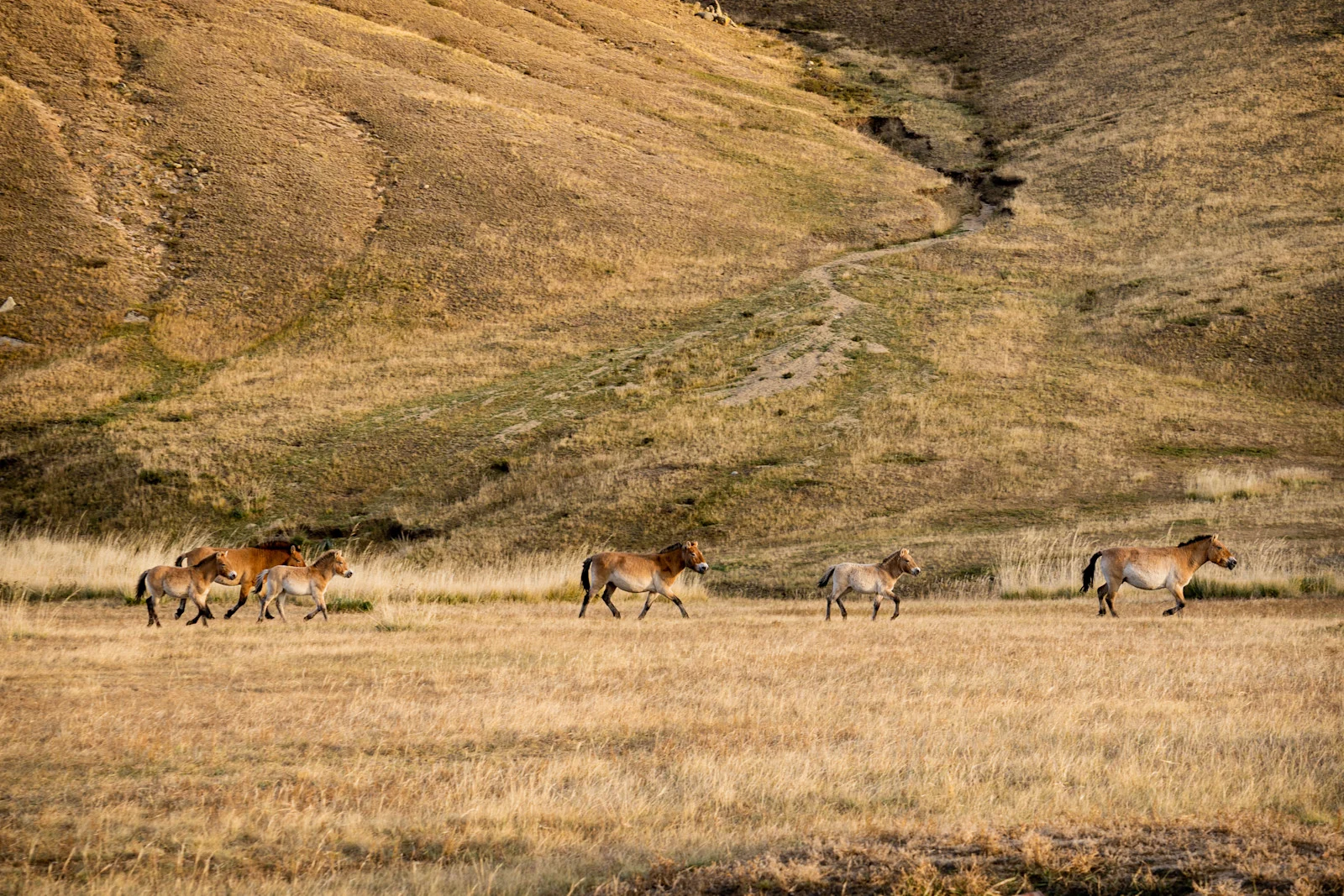
In Hustai National Park, guests track wolves with a park biologist and encounter the endangered Takhi horse (also known as the Przewalski’s horse), the world’s last truly wild horse, reintroduced to Mongolia in the 1990s after going extinct in the wild. At Ikh Nart Nature Reserve in the Eastern Gobi, travelers hike among striking granite formations, view Bronze Age petroglyphs, and search for argali sheep, ibex, and cinereous vultures. In the Altai Mountains, guests explore alpine valleys and Tavan Belchir Waterfall, then meet Kazakh families who invite them inside their richly decorated gers to sample airag— fermented mare’s milk—and experience other centuries-old cultural traditions. The journey concludes in Bogd Khaan Mountain National Park with walks through a pine-filled valley and a tour of the ruins of Manzushir Monastery, once Mongolia’s largest Buddhist monastery before its destruction by Soviet-led Communists in 1937. The itinerary also includes a private factory tour in Ulanbaatar for a behind-the-scenes look at Mongolia’s renowned cashmere industry.
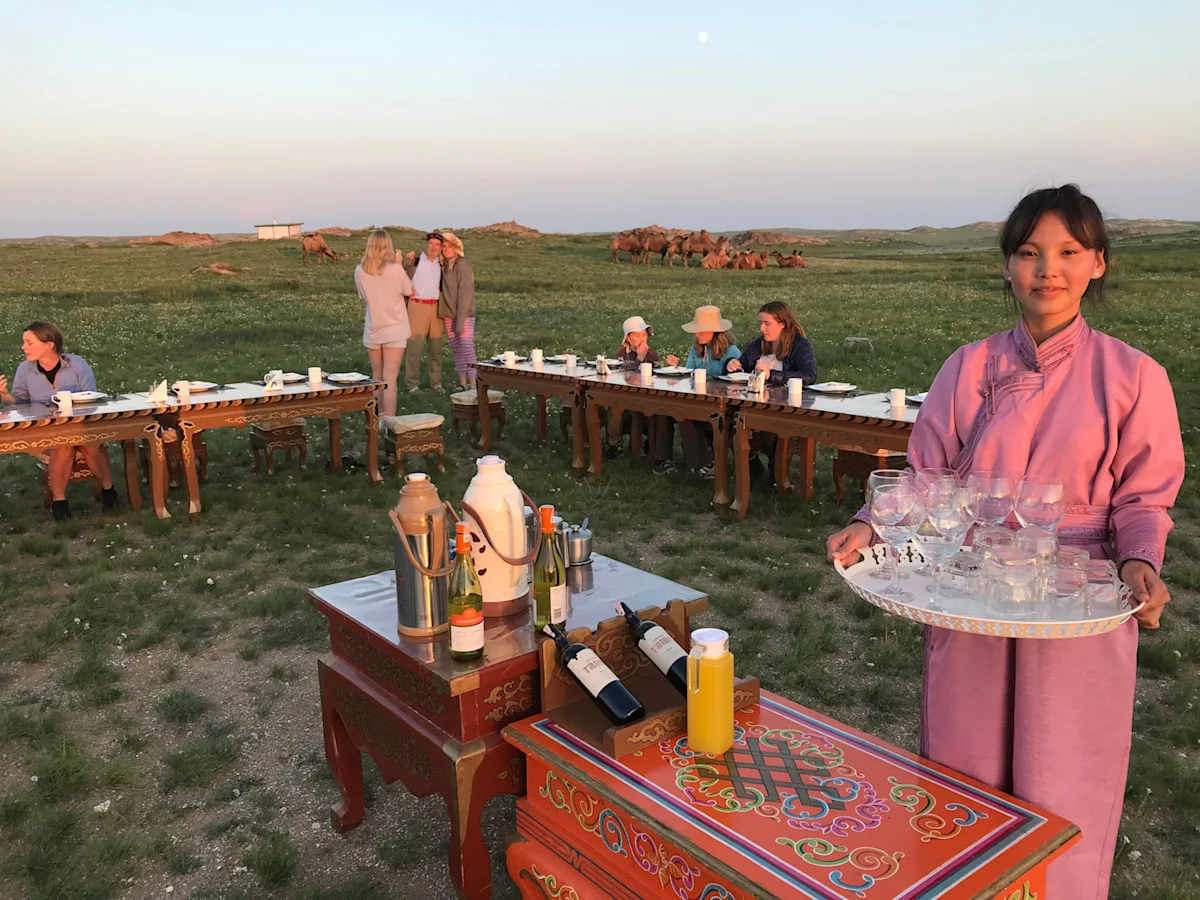
Chosen for their proximity to remote parks and nature reserves, accommodations are in mobile and permanent ger camps that combine authentic nomadic design with modern comforts. Direct flights, including a strategic charter, connect camps with expeditious connections while avoiding long, arduous drives.
As the official travel partner of World Wildlife Fund, Nat Hab’s conservation-focused itineraries directly support local communities and help protect fragile ecosystems. Guests learn about Mongolian conservation ventures, from the reintroduction of wild Takhi horses to preserving the endangered Bankhar dog, on this new adventure that highlights the role of responsible travel in safeguarding Mongolia’s wildlife and culture for generations to come.