Meet Zapa: Nat Hab Expedition Leader & Catalyst for Conservation
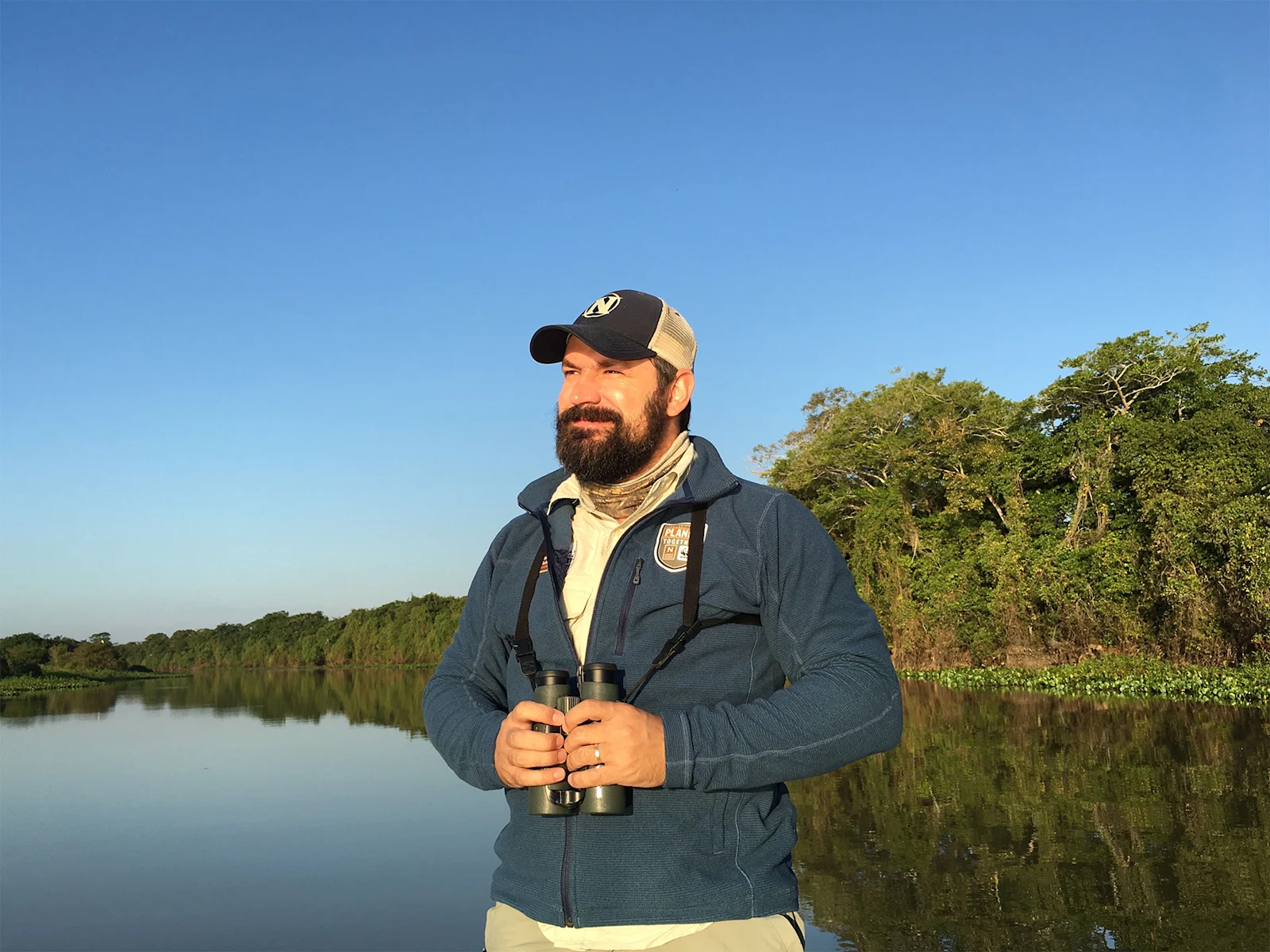
Cassiano Zaparoli—better known as “Zapa”—is passionate about exploring the wilds of South America. But he finds a joy in guiding nature adventures that tops the satisfaction he gets while exploring nature on his own.
“It’s much better when I can share these unique places—all that I see, all my knowledge— to enhance other people’s experiences. I do my best to make every trip the trip of a lifetime for my guests.” He’s been doing just that as a Nat Hab Expedition Leadersince 2008, guiding adventures in Brazil, Patagonia and the Galapagos. Previously, Zapa was a local guide at Caiman Ecological Refuge in the heart of the Pantanal, the largest and richest wildlife region in his native Brazil.
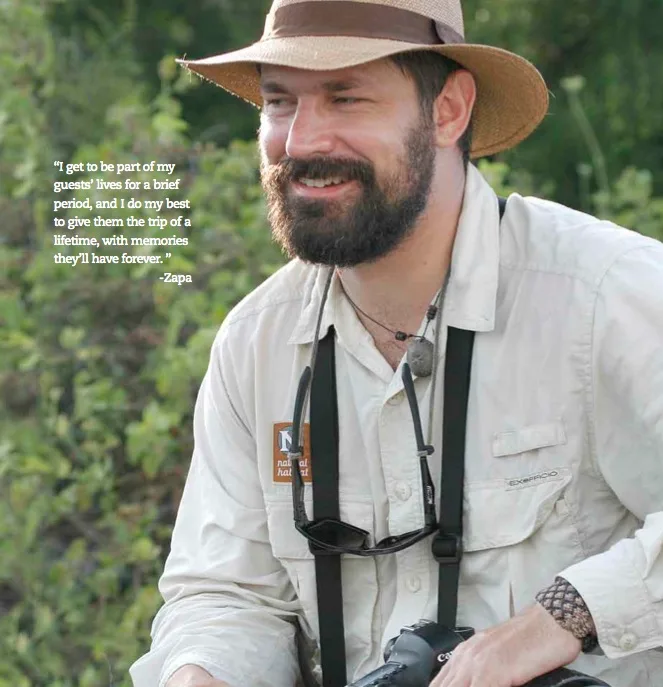
Growing up on his grandparents’ farm in the interior of Brazil where he camped and fished, Zapa developed a deep love for nature and wildlife. He knew he had to pursue a career that would keep him surrounded by the natural world that animates him. And he certainly has.
Among many thrilling wildlife encounters, several stand out. Like the time he and his guests drifted alongside a pod of orcas in the Galapagos for a full hour. Or when his group was tracking pumas in Chile’s Torres del Paine National Park: a glimpse through binoculars revealed a female outside a cave-like den.
Then, a tiny head popped out—her cub—to the delight of the onlookers. It is these rare moments that Zapa hopes will positively impact his guests’ lives forever—as well as the lives of the animals and the people who live among them.
One of the most rewarding aspects of Zapa’s job is witnessing the value of conservation travel. In the last two decades, he has seen its benefits in the Pantanal, which he says is second only to the plains of Africa for wildlife viewing. Covering 75,000 square miles, this mosaic of marshes and dry islands harbors a multitude of at-risk species such as the maned wolf, panther, giant otter, capybara, Brazilian tapir and the elusive jaguar.
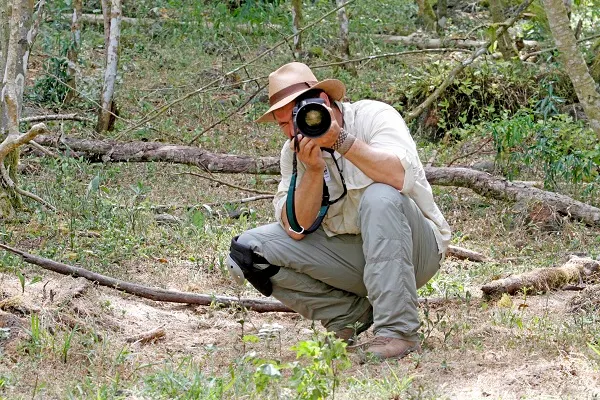
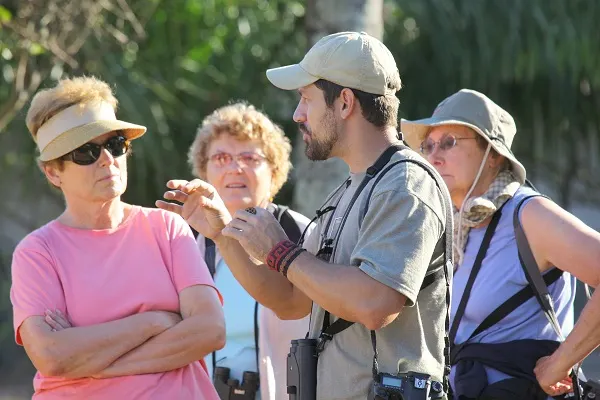
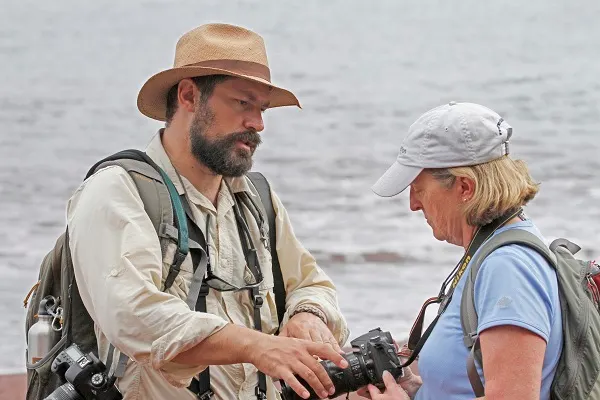
When Zapa first started guiding in the Pantanal in 2004, he waited nearly a year to see his first jaguar. Seven more months passed till he saw a second. Today, as ecotourism grows and local farmers and ranchers find an incentive to protect, rather than kill, Brazil’s iconic feline predator, jaguars are typically seen weekly.
Former hunters who were fixtures on local farms now work as wildlife guides, using their deep knowledge of jaguars and their environs to achieve sightings for visitors. And as the jaguar is rebounding, so, too, are other species.
“I tell our guests to spread the news,” Zapa says. “As more people come, conservation becomes more important. Farmers are realizing that when they preserve and keep wild animals alive, they can make money from tourism. They’re taking pride in the wildlife now.”
“Our travelers sometimes save for 10 or 15 years, or their whole lives, to do a certain trip. I understand how much it means to them.” As a guide, Zapa seeks to help them understand how much their presence means to the future of the wild places they treasure together.