James Cameron Reaches Bottom of the Ocean, Deepest Solo Dive Ever

Filmmaker and National Geographic Explorer James Cameron has reached new depths when it comes to this particular “expeditions corner”!
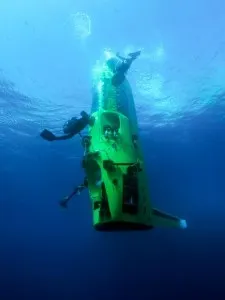
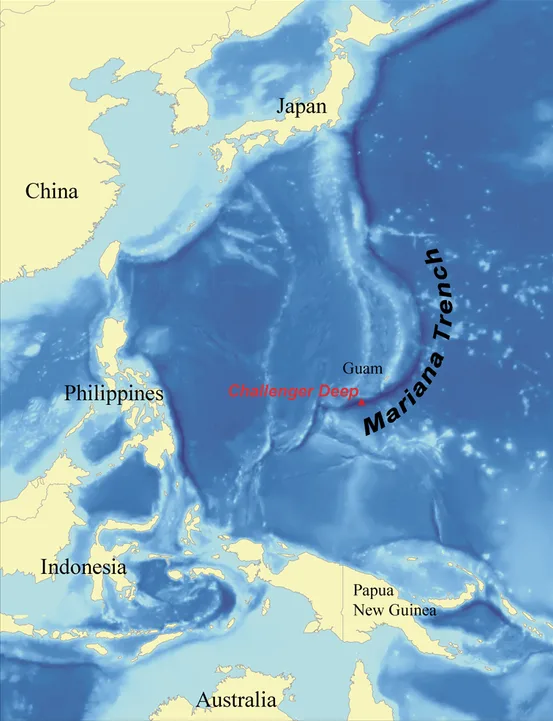
Yesterday Cameron’s sub broke through the surface of the western Pacific Ocean after reaching the bottom of the Challenger Deep in the Mariana Trench, opens in new tab, the Earth’s deepest “and perhaps most alien realm,” writes Ker Than for National Geographic News, opens in new tab.
The 57-year-old Cameron is the first human to descend alone into the undersea valley, nearly seven miles below the surface of the sea. It took Cameron 2 hours and 36 minutes to reach the ultimate depth, where he notified the world via Twitter: “Just arrived at the ocean’s deepest pt. Hitting bottom never felt so good. Can’t wait to share what I’m seeing w/ you.”
Cameron spent several hours folded inside the tight 43-inch-wide cockpit collecting video data and specimens via a robotic arm and suction device from the ocean’s floor.
After a rapid 70-minute ascent, Cameron broke the surface about 300 miles southwest of Guam, where his craft was hoisted by aboard a research ship by an onboard crane. He was greeted on his return by retired U.S. Navy Captain Don Walsh, who piloted the only other manned dive into the Challenger Deep in 1960.
Cameron, best known for his blockbuster films like Titanic and Avatar, surely experienced a realm as otherwordly as any he might dream up for a movie setting. He is expected to announce his initial findings today, and a full story will be forthcoming in a future issue ofNational Geographic, which helped fund the expedition.
For more details on the amazing expedition, read the story in National Geographic Daily News, opens in new tab online.