Nat Hab Film Offers Mesmerizing Portrait of Alaska’s Brown Bears

“The beauty of the Bear Coast area is that we don’t have to restore anything; it’s here, we just have to protect it.” – Steve MacLean, World Wildlife Fund
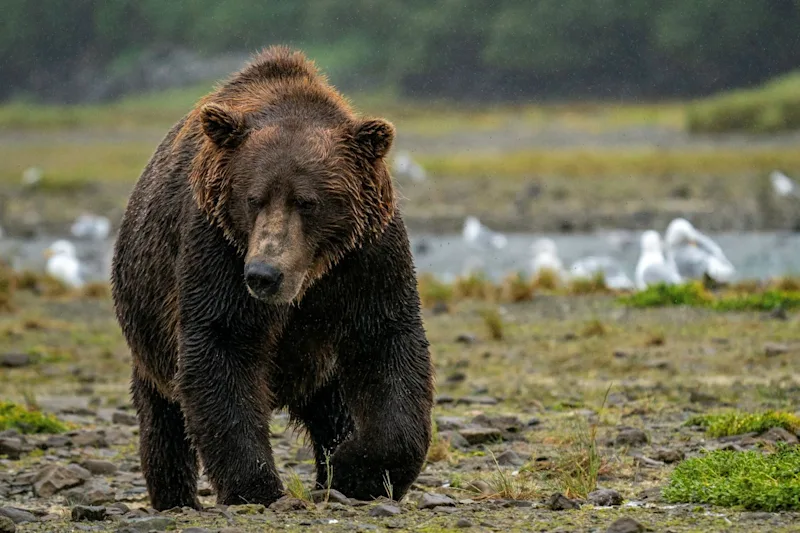
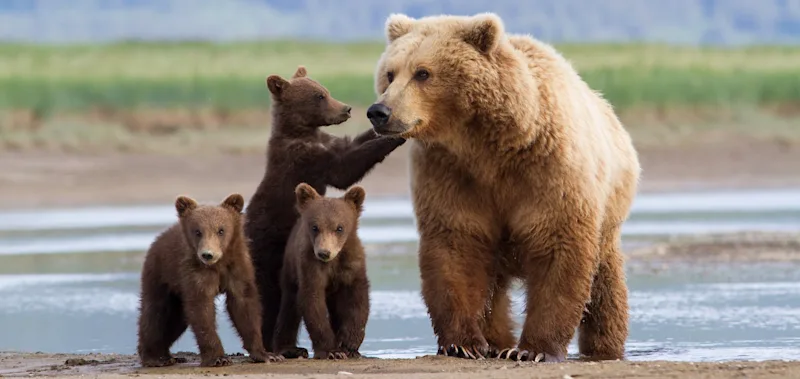
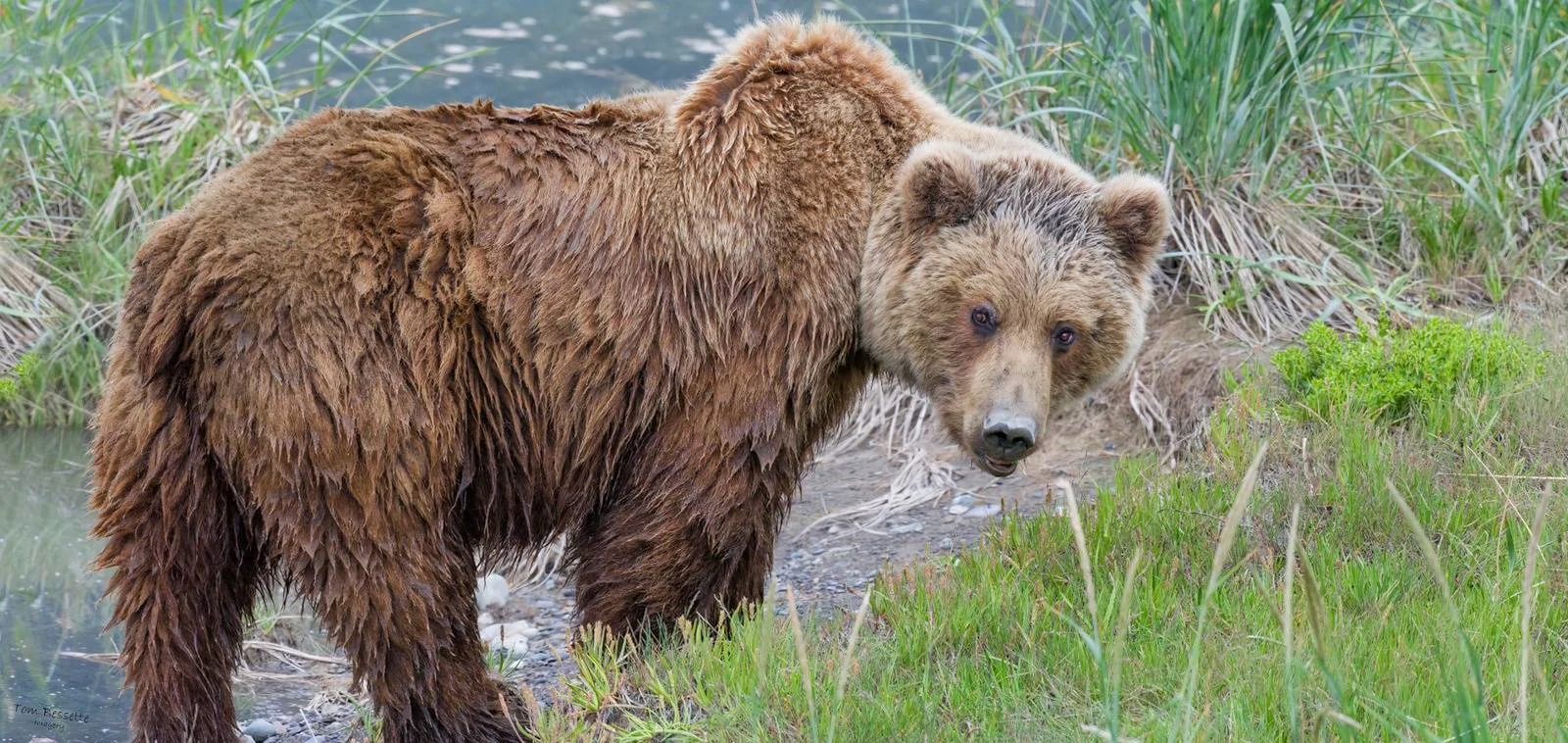
Nat Hab’s film The Bear Coast: An Alaska Conservation Story focuses on a large swath of coastal land on the north end of the Alaska Peninsula, comprised of the coastlines of Katmai National Park, Lake Clark National Park (the location of Nat Hab’s Alaska Bear Camp) and McNeil River State Game Sanctuary—an area also known as “the best bear habitat in the world.”
Directed by Andrew Ackerman, the film features interviews with a group of passionate Alaskans, including Steve MacLean, Managing Director, WWF US Arctic Program; Alexanna Salmon, Bristol Bay Program Director, Alaska Venture Fund; Sue Mauger, Science & Executive Director, Cook Inletkeeper; and Drew Hamilton, opens in new tab, a longtime, well-known Alaska bear viewing guide. Hamilton, who has worked with Nat Hab for many years, is also board president of Friends of McNeil River, an important conservation organization on the Bear Coast.
Protecting Brown Bears
In his role with Friends of McNeil River, Hamilton was instrumental in leading much of the successful opposition to the Pebble Mine, opens in new tab project proposed for this region. The project would have had a devastating impact on the bears and their habitat, especially the Bristol Bay watershed, the location of the world’s largest sockeye salmon run.
Ninety-five percent of brown bears in the United States live in Alaska. And the area known as the Bear Coast—a truly wild place without roads, towns, campgrounds or large populations of people living nearby—supports a healthy and stable population of coastal brown bears. This is thanks to the tremendous salmon runs of the Bristol Bay watershed and the various estuaries, sedges and tidal flats found here that provide everything a bear needs to eat, all in one place.
But the fate of that habitat rests in human hands. “We have an incredible power, whether we recognize it or not,” Hamilton says in the film. “In order to have a world where bears exist, we need to make a conscious decision to have bears in the world.”
“Storytelling is an important piece of natural history travel,” MacLean adds. “The more people who come and see a wild place, and see an intact place, the more advocates we have for protecting these places.”