Feeling Awe Slows Down Time—Or at Least, It Seems that Way

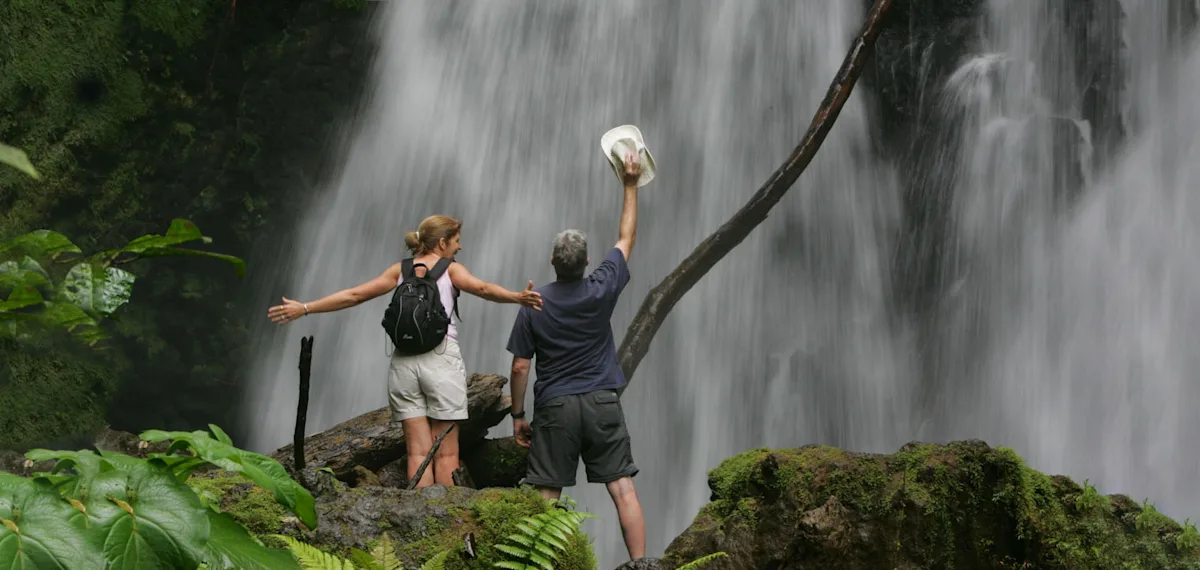
Feeling pressed for time? Silly question, right? With smartphones, tablets, computers and other electronic devices constantly competing with our real-world lives and work and family obligations, who doesn’t feel rushed?
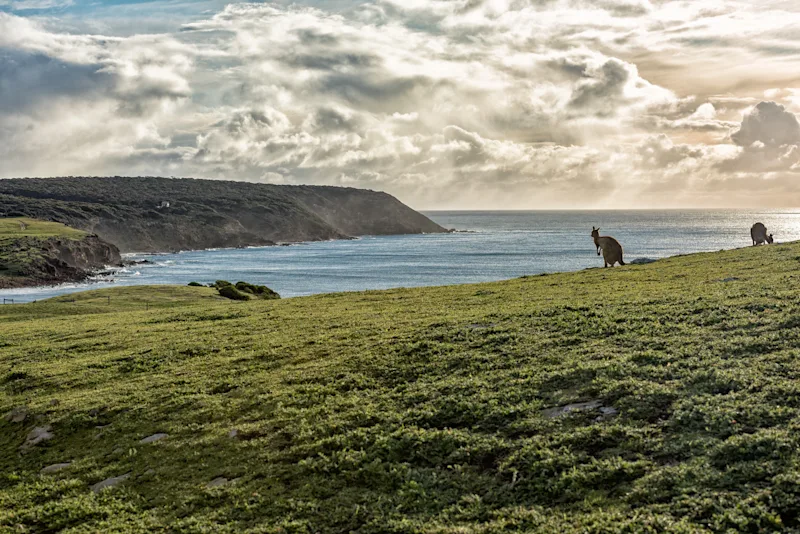
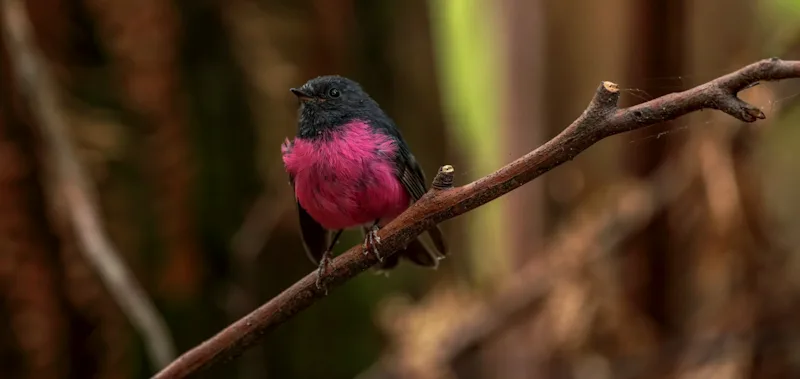
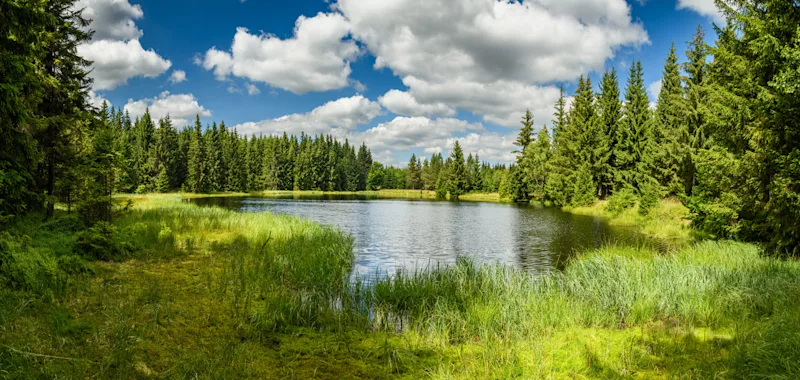
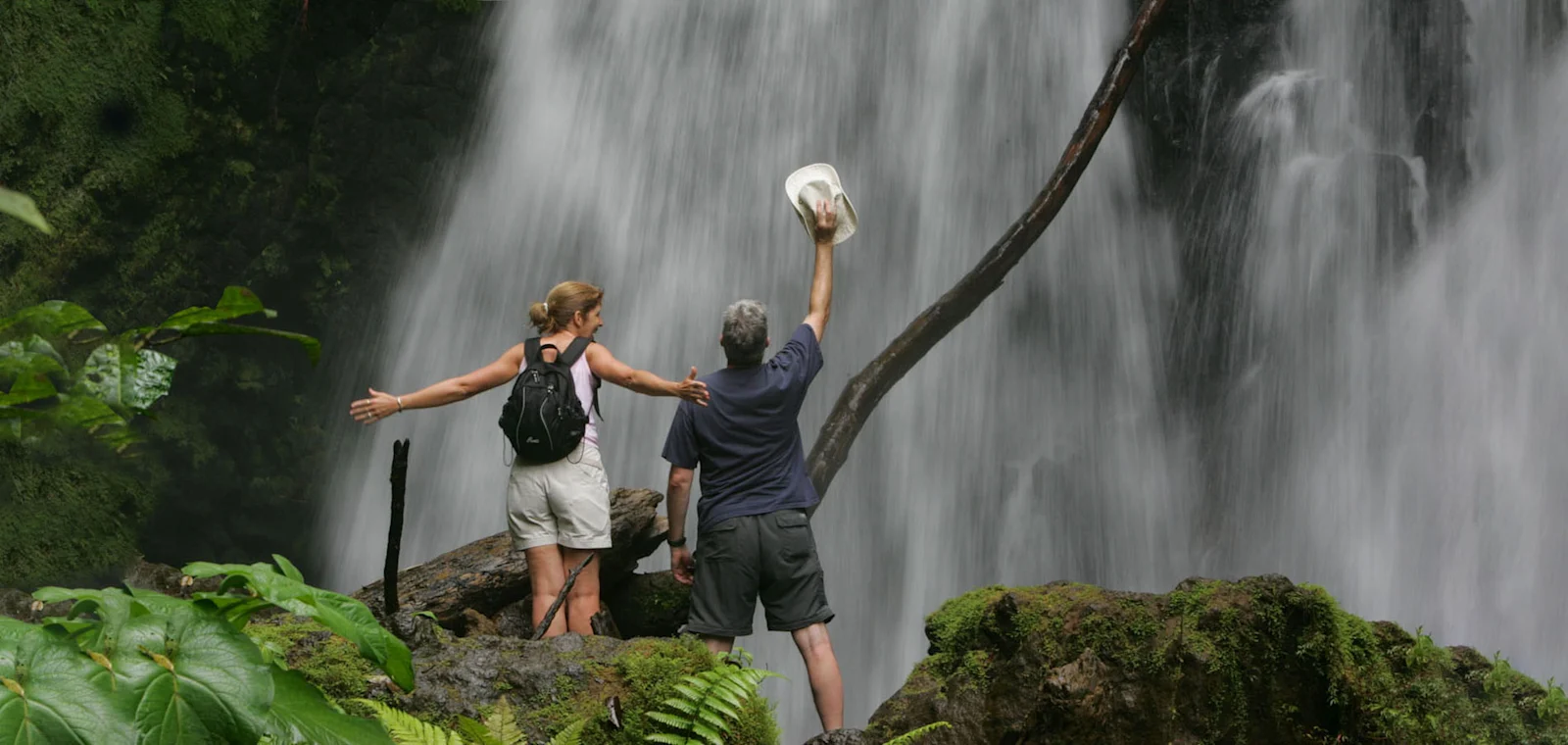
We all know that nature can make us nicer, healthier and happier individuals. But now, according to a new study, nature—which inspires in us a sense of awe—can make us feel that time is more plentiful, at least for a bit.
Joy vs. awe—they’re not the same thing
In a report recently published, opens in new tab in the journal Psychological Science, researchers set up a series of three experiments. In the first, 63 student participants were given a word-scramble test. Half of the students got time-related word scrambles, such as “not available enough time much,” meant to remind them of the feeling that time is short.
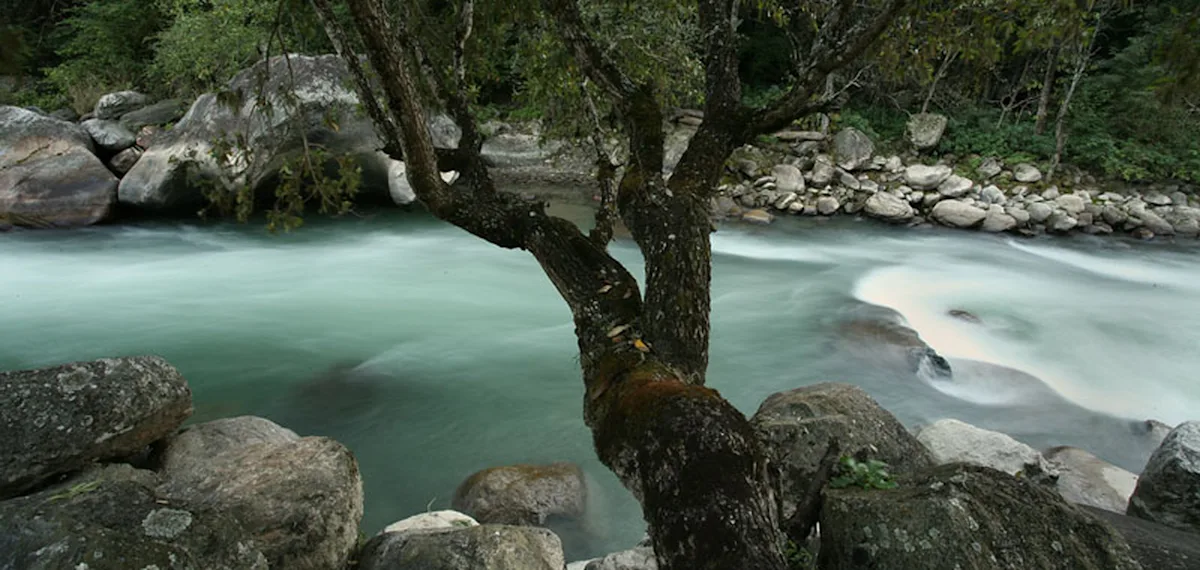
The participants then watched a one-minute video designed to elicit either happiness or awe. The happiness video showed parades, confetti and smiling, joyful people. The awe video depicted astronauts in space, whales breaching and landscapes with waterfalls. After the video, the students filled out surveys with questions about how crunched for time they felt.
The results indicated that the people who had viewed the awe-inducing video felt that time was more plentiful than the people who had watched the happiness video—even among the participants who had been cued to think of time as short with the word-scramble task.
In the next two experiments, the researchers asked two other groups of volunteers to either read or write about awe-inducing experiences or about neutral or happy times. When asked to write about an awesome experience, people described encounters with art, music and nature. They then filled out surveys with questions about patience, volunteerism and life satisfaction.
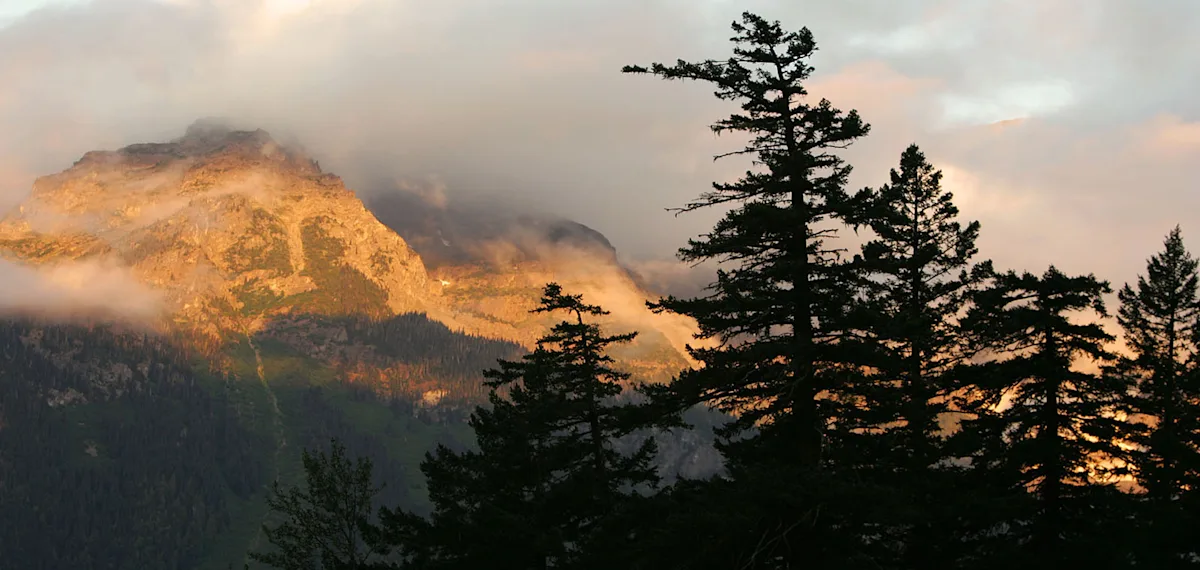
The participants cued to recall an awe-inducing moment reported feeling less impatient and more willing to spend time helping others. They also preferred to spend hypothetical money on experiences rather than on material goods. For example, those who had just envisioned an awe-inspiring outdoor view were more likely to say they’d buy a $50 ticket to a Broadway show than spend the same amount of money on a watch.
Put down the iPhone, and drop your jaw instead
With your hectic day-to-day life, finding something out there that actually gives you the sense that you have more time is rare. Although the researchers can’t say how long the awe effect lasts, it is likely that the emotion makes you focus on the moment, which is becoming a lost art.
In July, The New York Times op-ed columnist Nicholas Kristof wrote, “Perhaps wilderness is an antidote to our postindustrial self-absorption. It’s a place to be deflated, humbled and awed all at once. It’s a window into a world larger than ourselves, one that doesn’t respond to a remote.”
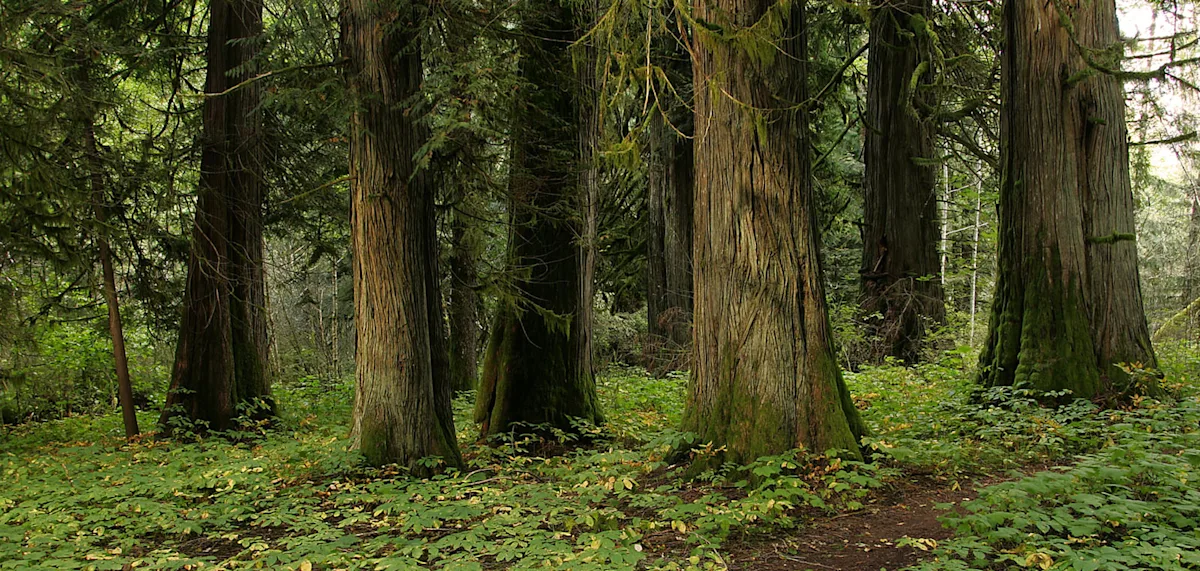
Maybe we all need to leave the phones and tablets at home at least once a week, and go take a walk in the woods.
Maybe we all need to take the time to be truly awed.
When did you last experience the sensation of being awed? Where were you? Did you feel as if time had stopped?
Here’s to finding your true places and natural habitats,
Candy
Discover your own awe-inspiring moment in nature on a Natural Habitat Adventures trip! From grizzly tours in Alaska to whale-watching in Mexico to gorilla photo safaris in Uganda, our goal at Natural Habitat Adventures is to provide our travelers with wildlife encounters that inspire awe and appreciation for nature that lasts a lifetime.