Off the Beaten Track: Exploring Corcovado National Park
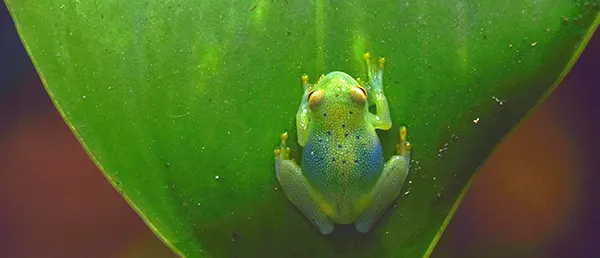
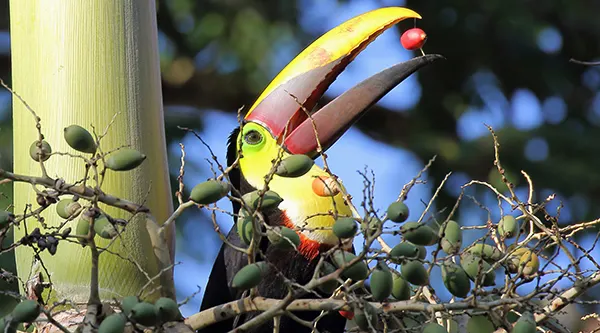
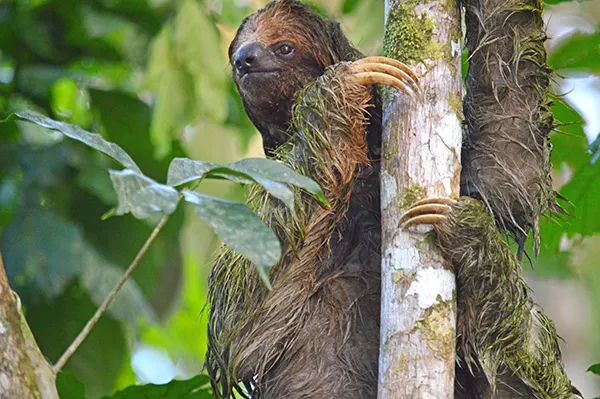
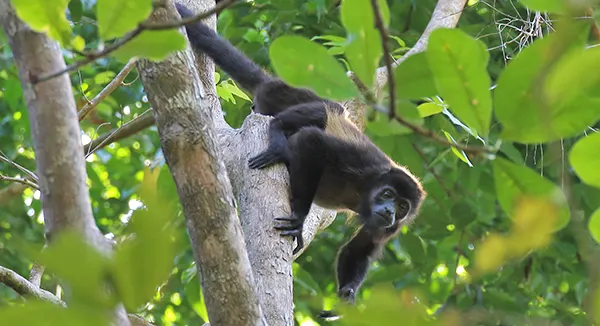
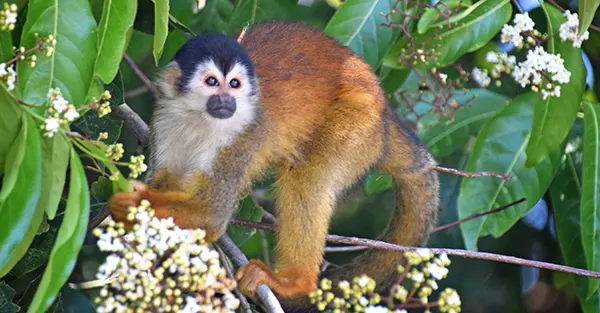
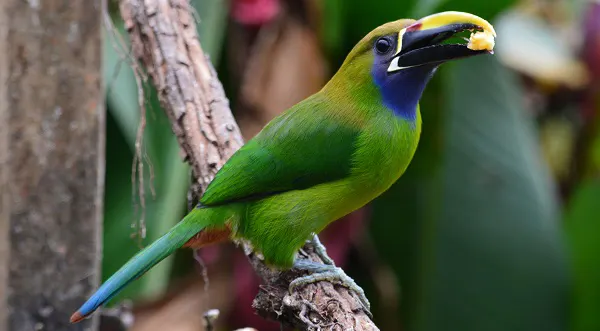
The sun kisses your shoulders while you explore a stunning landscape where dense forest collides with wild, white-sand beaches where the saltwater laps at your feet. Follow countless nature trails—some that meander along the shore, others that snake through towering trees adorned with woody vines and others that skirt through mangrove swamps—as you search for Costa Rica’s prolific wildlife, including scarlet macaws, toucans, parrots, tapir, monkeys, jaguars and sloths.
After a day of discovery, we return to the luxurious Casa Corcovado, a jungle lodge nestled within a peaceful nature reserve, to relax for the evening. The wild sounds of the forest—monkeys howling, rain falling gently on the roof, birds chirping—help you drift off to sleep so you can arise rested and ready for another day of exploration.
This is life on Costa’s Rica’s Osa Peninsula, a pristine land mass jutting out into the ocean at the southern end of the country’s Pacific coast. Though few tourists make it this far afield, visiting the Osa Peninsula—and discovering the hidden beauty of its star attraction, Corcovado National Park—has become a highlight of Nat Hab’s Costa Rica nature adventure.
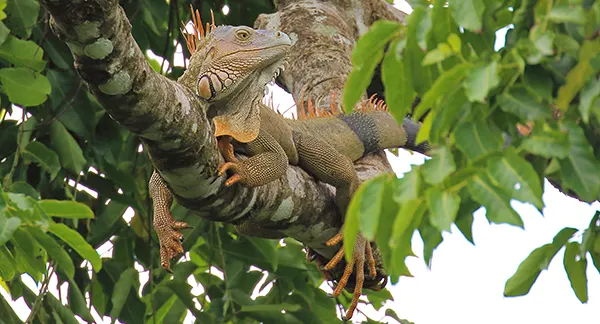
Corcovado National Park, which National Geographic has described as the “most biologically intense place on Earth,” occupies a spot on the map so remote that we need an airplane, four-wheel-drive vehicle, boat and tractor just to reach our accommodations. The effort, which is quite an adventure in and of itself, allows us the rare chance to explore what many consider Costa Rica’s last wilderness frontier. By staying at a secluded ecolodge perched on the park’s edge, we can fully immerse ourselves in this biodiversity stronghold, which occupies more than 100,000 acres, incorporates at least 13 ecosystems, and protects a host of endemic wildlife and plant species, including half of Costa Rica’s wildlife species such as jaguars (shy, majestic cats that rarely make an appearance) and all four of the country’s monkey species.
Leaving this magical land is the hardest thing you’ll do all week, but rest assured, you’ll leave with memories (and photos!) that will last a lifetime. See for yourself by joining one of the next Natural Jewels of Costa Rica departures for a truly intimate nature adventure in the wilds of Central America.
This guest post was written by Chris Kassar, an intrepid adventurer and a freelance writer for Nat Hab.