Baffin Island’s Wandering Canadian Arctic Foxes

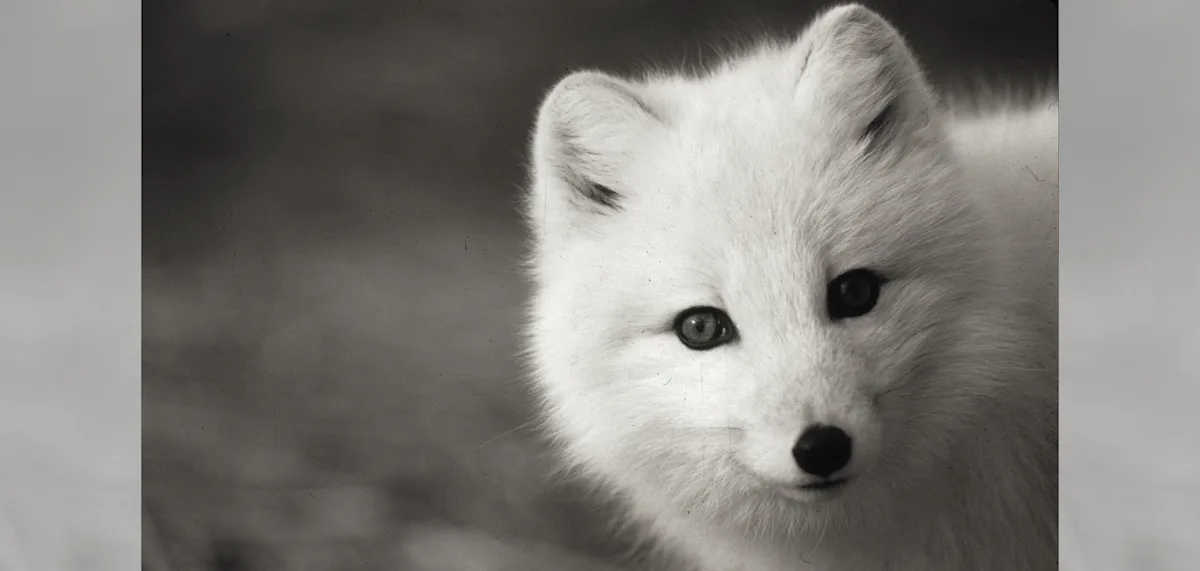
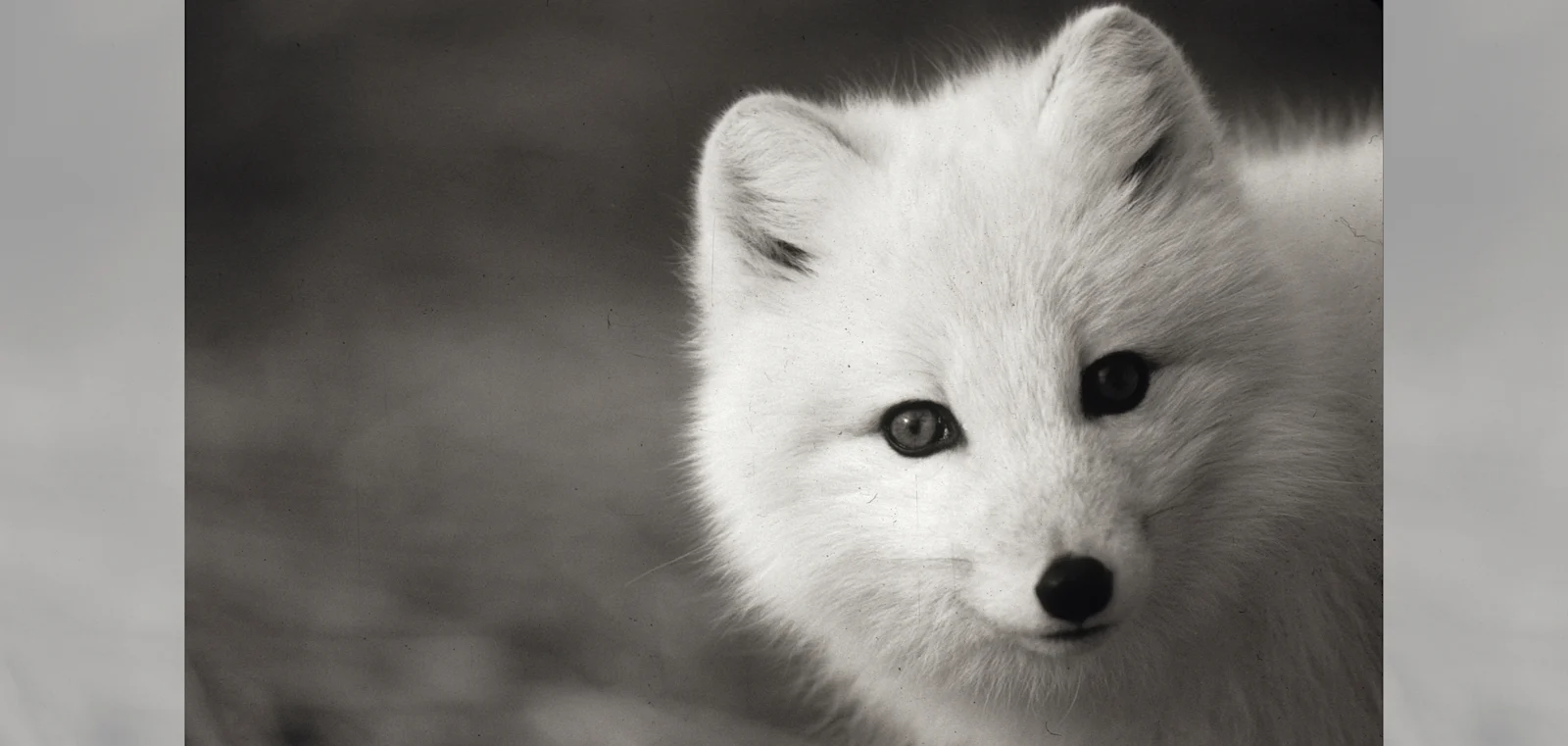
An arctic fox, opens in new tab off the coast of Baffin Island has recently proved that wanderlust isn’t restricted to humans. Apparently, this little canid—and some others of her kind—has a propensity for it, too.
In spring 2008, Canadian biologists fitted 29 arctic foxes with tracking collars and began monitoring their movements by satellite. The foxes were living on Bylot Island, a landmass of mountains and glaciers located just north of Baffin Island in the Arctic Ocean. By fall, one female seemed to have gotten the travel bug—and the result amazed the people watching her.
She began to venture far and wide. In all, within one year, she logged more than 3,100 miles across jumbled rocks and sea ice, probably in search of food. If her extended tour ends up proving that one of the secrets to survival for an arctic fox is to have a healthy desire to wander, what will happen when climate change causes sea ice to disappear?
A lack of lemmings
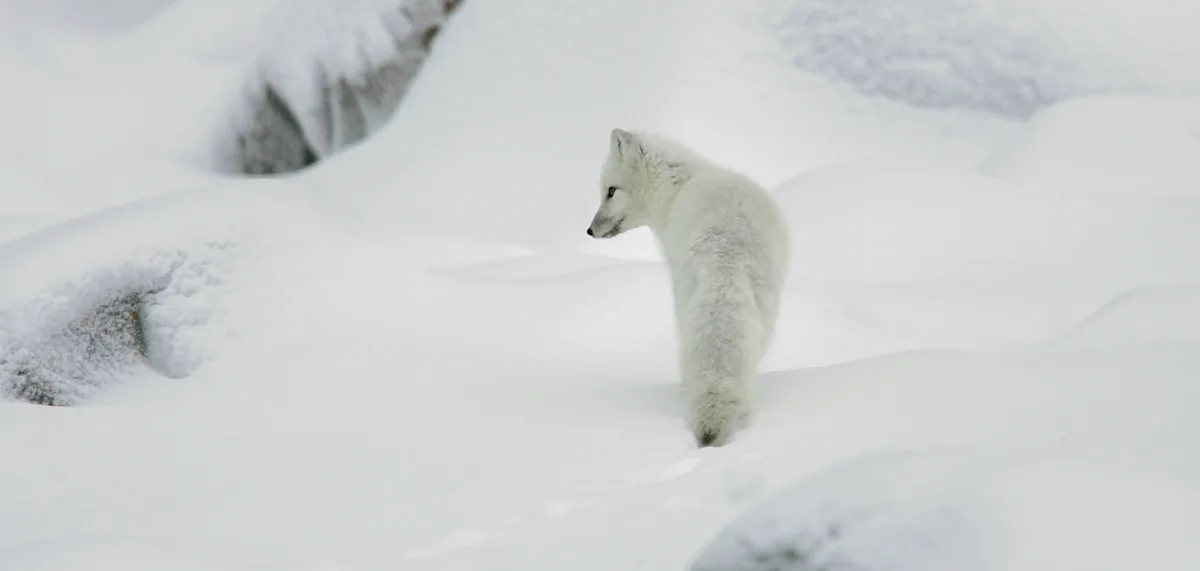
It’s speculated that a lack of lemmings may have been the spur that moved this fox to wander. Foxes are opportunistic feeders, known to follow polar bears in order to scavenge leftover seal remains, search sea ice for whale or walrus carcasses that might be entombed within, or investigate lairs for ringed seal pups. They also feed on lemmings, the Arctic rodents whose populations go through periodic crashes every few years. The epic journey of the Bylot Island fox happened to coincide with just such an event in 2008 to 2009.
Initially, the female fox headed north off the island and hit the permanent Arctic ice cap. For nearly four months, she zigzagged the frozen landscape for hundreds of miles. She endured 40-degrees-below-zero temperatures and spent close to 90 days without direct sunlight. When April arrived, she veered southwest, eventually reaching Baffin Island. For the next three weeks, she trekked a 620-mile loop before returning to the sea ice. In mid-May, she turned west and hiked another 750 miles before eventually getting to Somerset Island, where she spent the summer of 2009.
If the correlation between lack of available food close to home and number of miles traveled proves to be valid, it may demonstrate that sea ice is not only extremely important for the survival of polar bears, but for other, smaller Arctic mammals, as well.
Insufficient ice
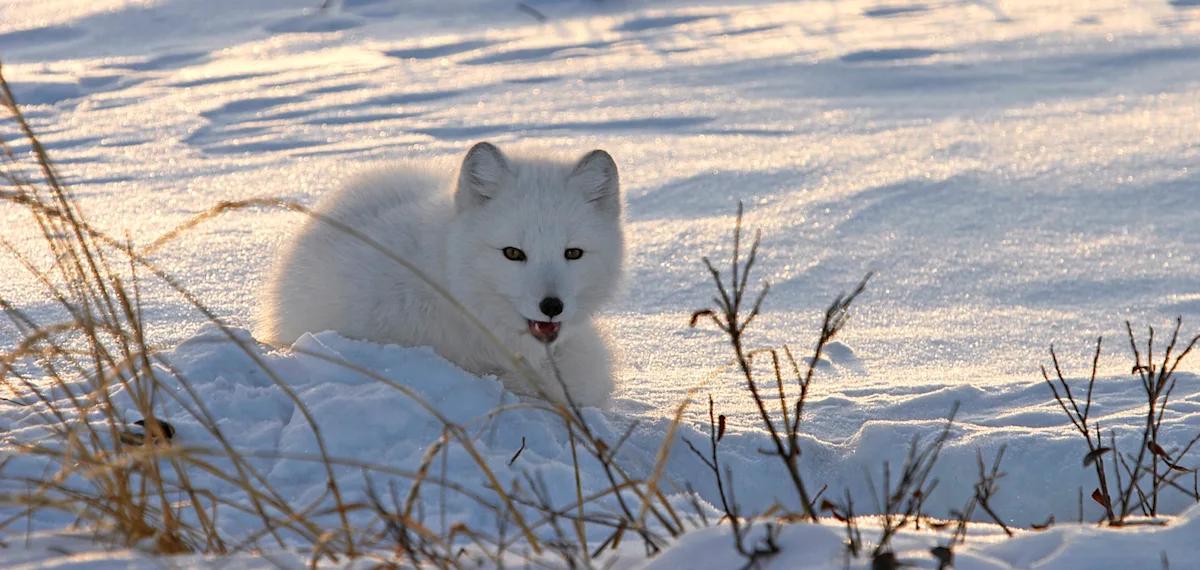
There’s no doubt that arctic foxes are well equipped to handle the conditions on sea ice. Their furry coats provide unparalleled insulation. And in a world where food to fuel the “furnace” is in short supply but essential year-round, their physiology is up to the task of balancing energy loss and intake. For example, the veins and arteries of an arctic fox are closer together than they are in most other animals of similar size. This makes for a heat exchanger that uses the heat from arterial blood to warm the blood flowing back through the veins, saving energy by maintaining the outer extremities at a lower temperature than the body’s core.
However, satellite measurements conducted by NASA show that sea ice more than two years old now makes up less of the Arctic’s total winter ice cover: from 28 percent in 2005 to 14 percent in 2008, to 10 percent in 2009. As the extent and integrity of the ice lessens—and if wandering far and wide is shown to be crucial to arctic foxes’ survival—are they on the sure road to extinction?
Currently, many experts believe that arctic foxes will survive, but only on very remote islands in the far North and in greatly reduced numbers.
With sea ice vanishing, it could be that it’s their wanderlust that is truly on the endangered list.
Here’s to finding your true places and natural habitats,
Candy