3 Things You Can Do to Help Your Local Pollinators

Everyone knows the honey bee, but did you know there are more than 20,000 different bee species in the world—and around 4,000 species that live in the U.S. and Canada alone? In fact, honey bees (Apis species) are not native to North America. They originated in Europe, Asia and Africa.
Bees are incredibly important insects. Their pollination services help plants produce some of our favorite foods, like blueberries and squash, and they play a key role in keeping ecosystems healthy and functioning. Unfortunately, many bee species are in serious decline due to pesticide use in agriculture, habitat loss and climate change.
The good news? Each of us can take action to help bees thrive—right in our own backyards.
Plant Native Wildflowers
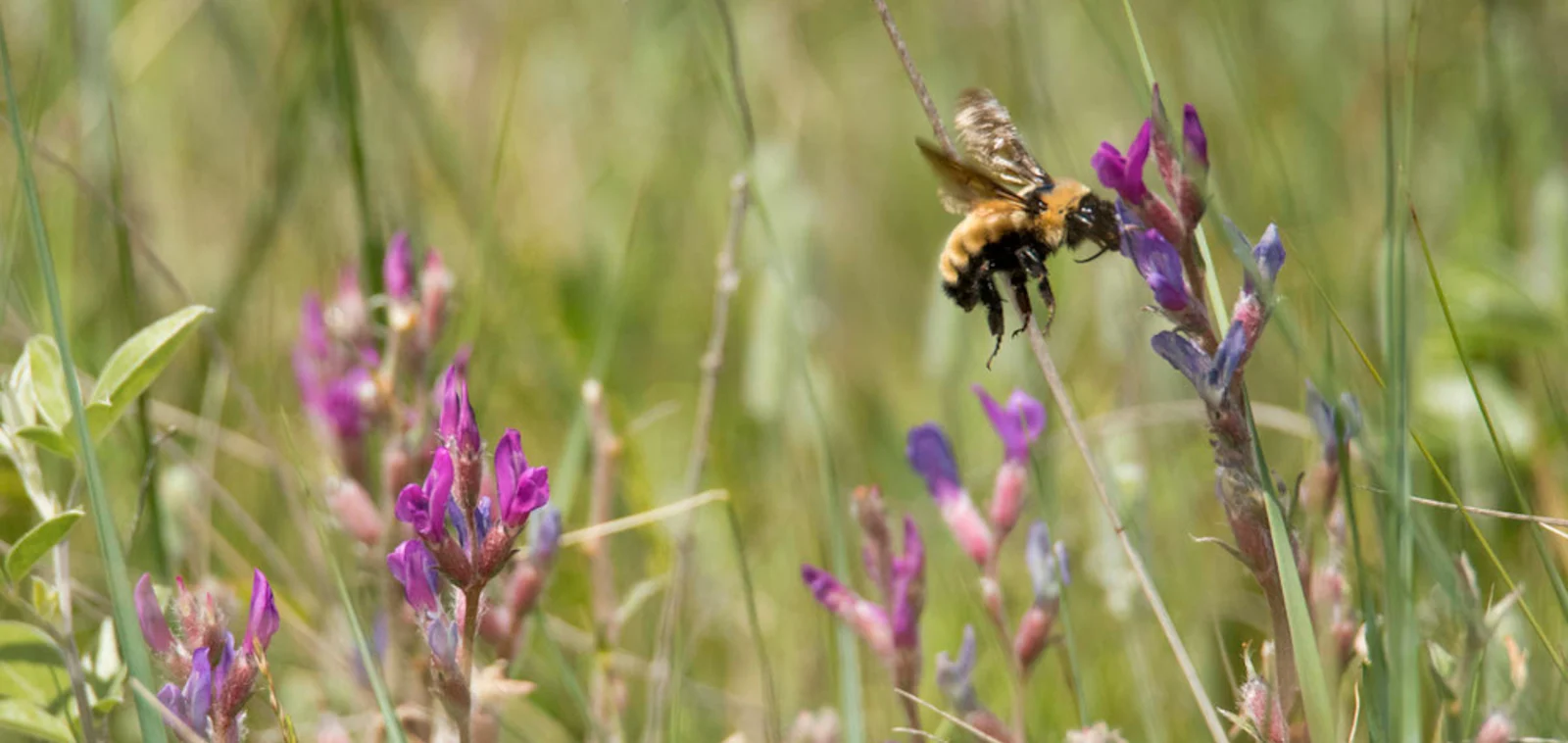
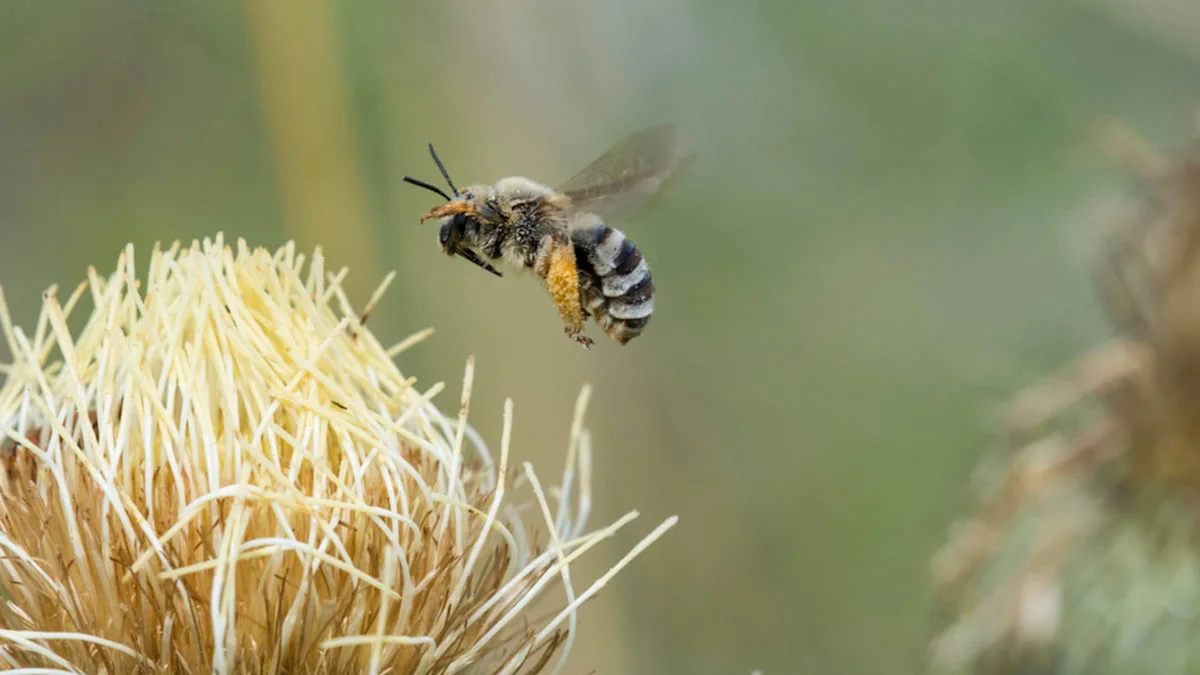
Like us, bees need a balanced diet to stay healthy. One of the best things you can do for your neighborhood pollinators is to plant wildflowers that are native to your region, opens in new tab. These flowers are especially suited to support the bees that have co-evolved with them. Desert bees do best on desert wildflowers. Mountain bees thrive on blooms that time their flowering to alpine conditions. Even urban bees benefit most from native plants that once grew before development.
Be sure to plant a variety of species that bloom at different times throughout the growing season. That way, bees will always have a food source during their active months. There are many online sources for sustainably harvested native seeds. Fun fact: bees don’t see the color red, so they tend to favor flowers that are blue, yellow, white or purple.
Provide Nesting Habitat
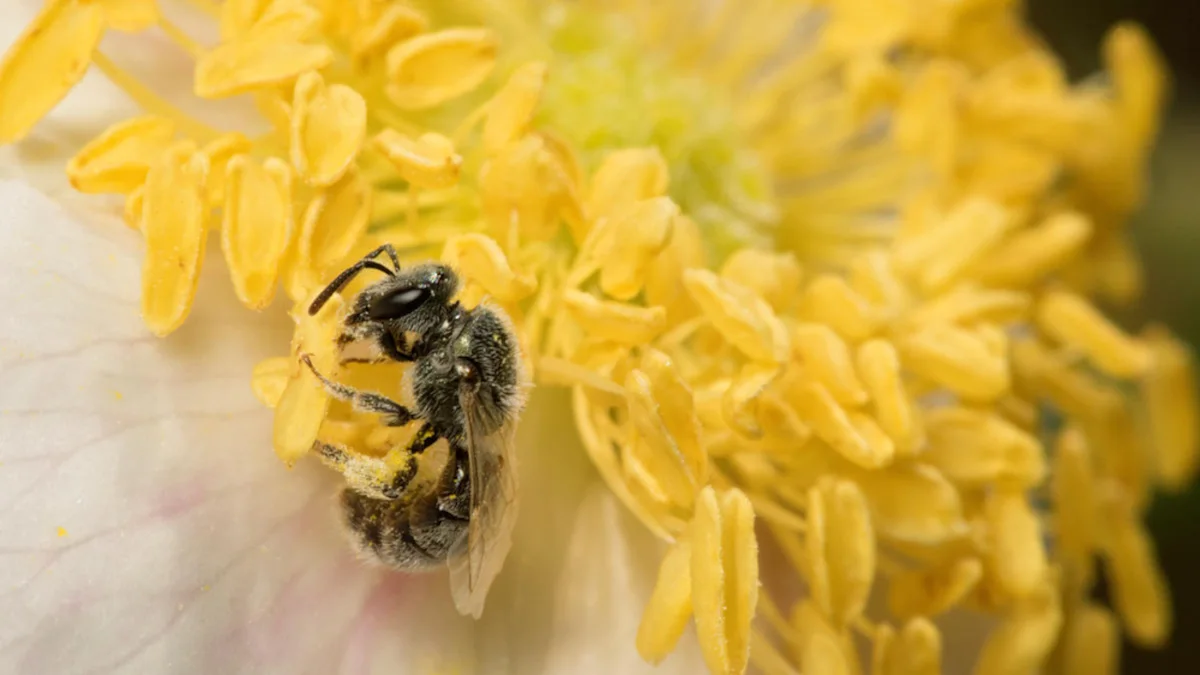
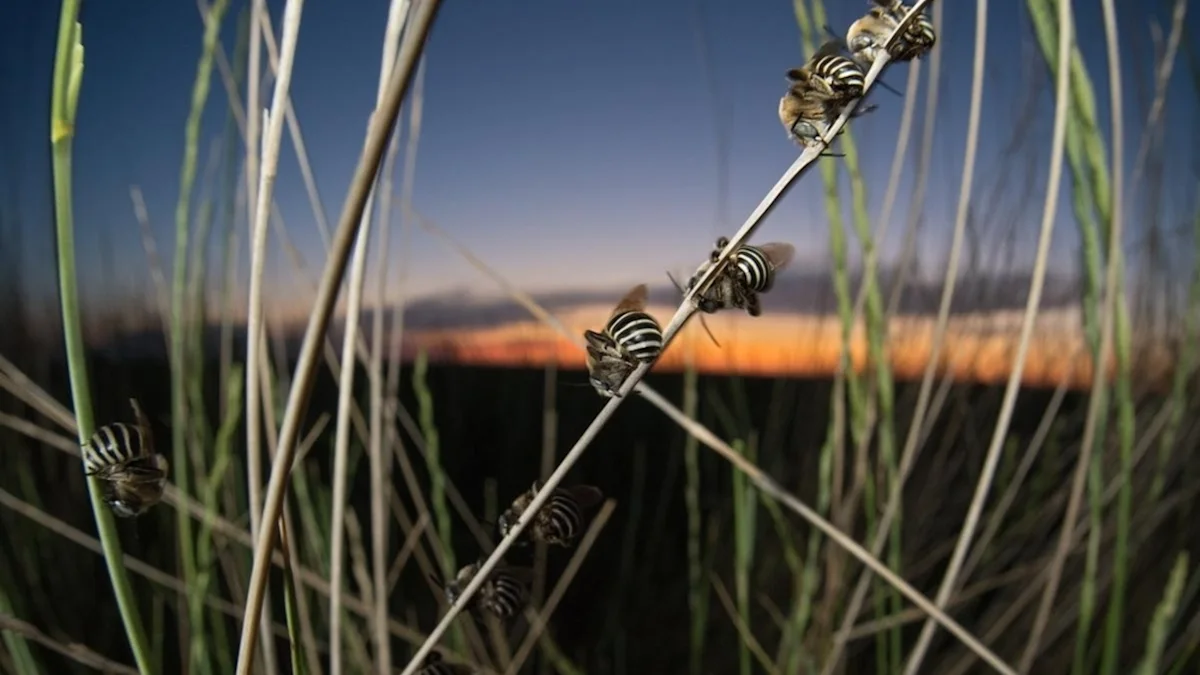
Of the roughly 20,000 bee species worldwide, most are solitary. Rather than living in large hives like honey bees, these bees are industrious single mothers. Each one gathers nectar and pollen, forms it into a loaf to nourish a single egg, then seals off the chamber before moving on to the next.
The majority of solitary bees nest in the ground, which means they need undisturbed soil to lay their eggs. Leaving a corner of your yard a bit untidy—with dry leaves, tall grass or hard-packed bare ground—creates a valuable nesting area.
It’s worth noting that most solitary bees are too small to sting. And unlike honey bees, which defend a colony, solitary females risk everything if they sting: if swatted and killed, their young won’t survive. Male bees don’t have stingers at all.
Offer a Pesticide-Free Environment
Pesticides, herbicides and fungicides are all harmful to bees. Some, like neonicotinoids, are systemic, meaning the toxin permeates the entire plant—including its nectar and pollen.
To protect bees, avoid spraying your garden. If you need to control pest species, opt for organic or biological methods instead. Providing natural habitat for insects invites beneficial species and other invertebrates that help keep pests in check.
Also, ensure any plants or seeds you purchase were grown organically and are free of neonicotinoids. These chemicals don’t wash away—they remain in the plant, and in the soil, sometimes for years.
Good luck on your journey to making your garden more bee-friendly! It’s truly a “build it and they will come” situation. Want help identifying the bees you see? Try the free Seek app for iPhone or Android. Snap a photo, post the location and image, and not only will experts use your sighting for citizen science, they’ll also provide you with an identification.
By Clay Bolt, Senior Communications Lead for World Wildlife Fund’s Northern Great Plains (NGP) Program